


Breast cancer remains one of the most serious health concerns affecting women worldwide, making awareness, early detection, and timely treatment increasingly important. According to the World Health Organization, breast cancer is the most common cancer among women globally. Breast Cancer Awareness and Pink Ribbon Campaigns have played a significant role in educating the public, encouraging people to recognize potential warning signs, and showing support for those affected by the disease. From the history of the pink ribbon movement to breast cancer awareness in Pakistan, these campaigns have helped break social taboos and bring an important health issue into public discussion.
What Is Breast Cancer?
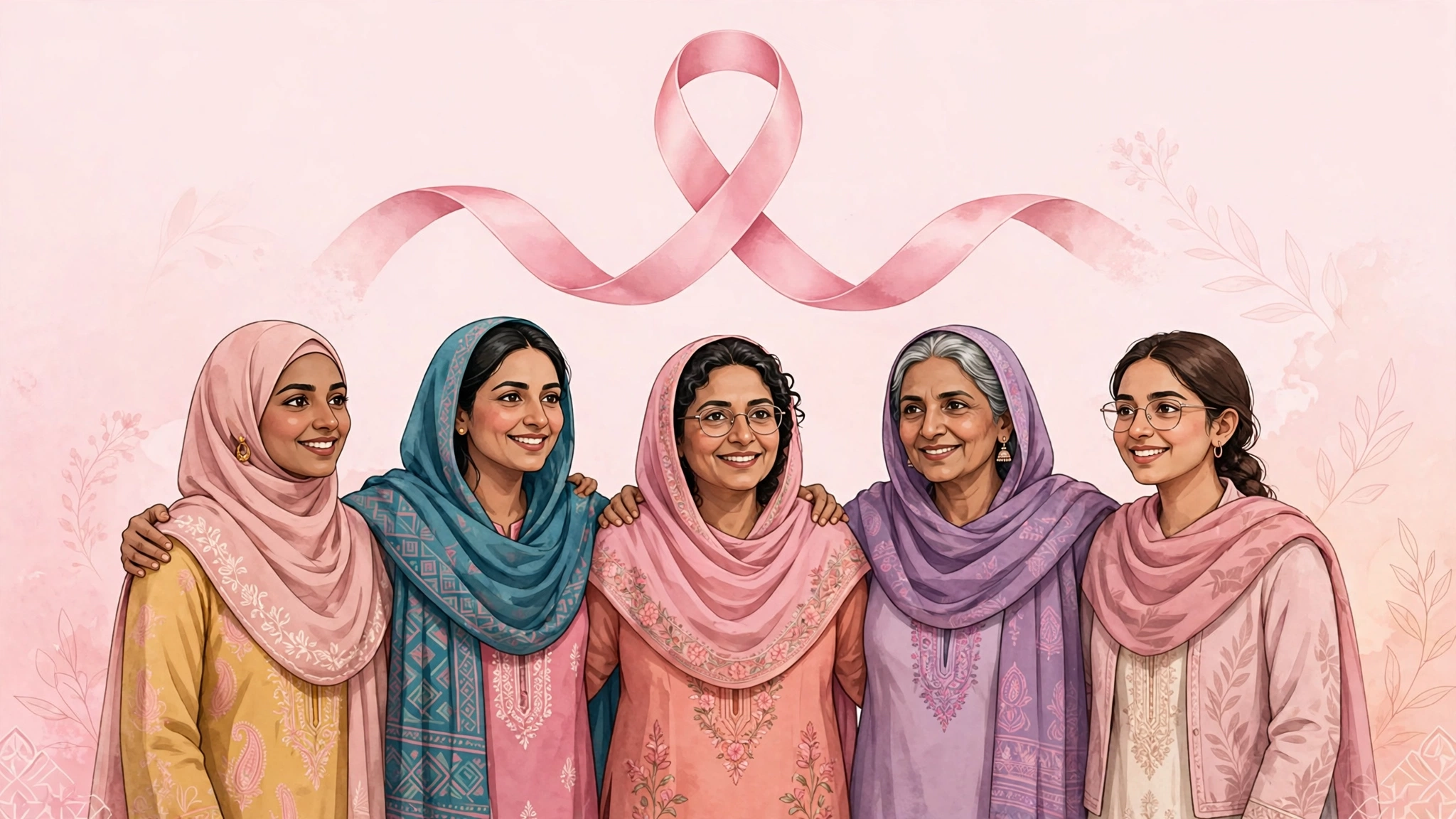
Breast cancer is one type of cancer, and understanding how abnormal cell growth can lead to tumors can provide useful background about how cancer develops. Read more about cancer causes and tumors. These cells can form a tumor and, in some cases, spread beyond the breast to other parts of the body. Although breast cancer primarily affects women, men can also develop the disease.
There are several types of breast cancer. Invasive ductal carcinoma and invasive lobular carcinoma are among the most common invasive forms. The type and stage of breast cancer can influence its symptoms, treatment options, and prognosis.
Possible signs of breast cancer can include a new lump or thickening in the breast or underarm, a change in breast size or shape, changes to the nipple, unusual nipple discharge, or changes in the appearance or texture of the breast skin. However, many breast changes are not caused by cancer, and some breast cancers may not cause noticeable symptoms in their early stages.
The exact cause of breast cancer is not always known. A person’s risk can be influenced by several factors, including age, family history, inherited genetic changes, reproductive factors, lifestyle, and previous exposure to certain treatments or radiation. Having a risk factor does not mean that a person will develop breast cancer.
Possible signs of breast cancer can include a new lump or thickening in the breast or underarm, a change in breast size or shape, changes to the nipple, unusual nipple discharge, or changes in the appearance or texture of the breast skin. However, many breast changes are not caused by cancer, and some breast cancers may not cause noticeable symptoms in their early stages.
The exact cause of breast cancer is not always known. A person’s risk can be influenced by several factors, including age, family history, inherited genetic changes, reproductive factors, lifestyle, and previous exposure to certain treatments or radiation. Having a risk factor does not mean that a person will develop breast cancer.
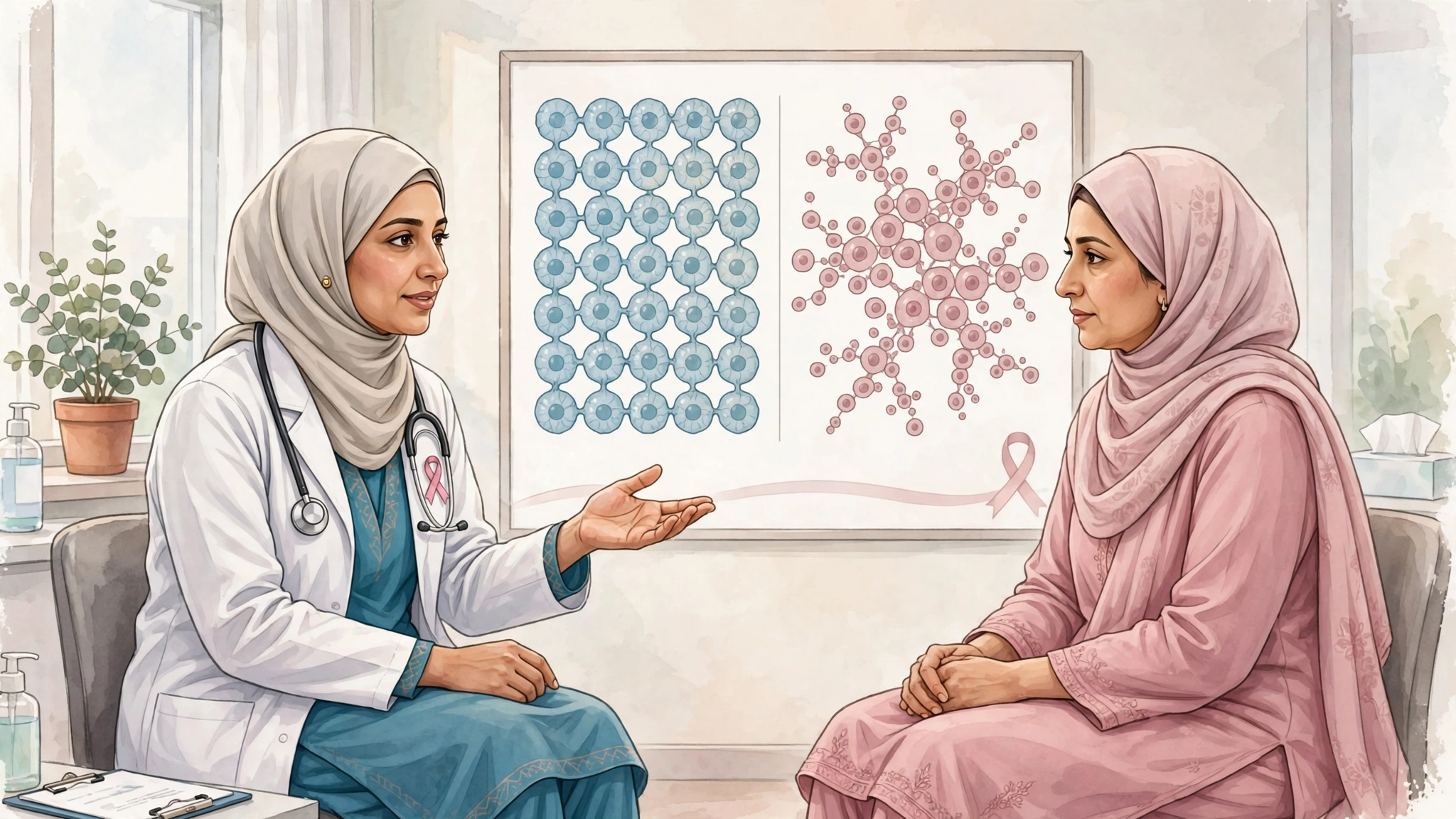
Early detection and appropriate medical evaluation can improve the chances of successful treatment. Anyone who notices a new or unusual breast change should discuss it with a qualified healthcare professional rather than relying on self-diagnosis.
Breast Cancer in Pakistan
Breast cancer is a significant public health concern in Pakistan and remains one of the most commonly diagnosed cancers among women in the country. Limited awareness, social stigma, delayed medical consultation, and difficulties accessing appropriate healthcare can all contribute to the diagnosis of breast cancer at a later stage.
Awareness is particularly important because recognizing unusual breast changes and seeking medical advice promptly can help people receive appropriate evaluation and, when necessary, treatment at an earlier stage. However, awareness should not create unnecessary fear. A breast lump or other change does not automatically mean that a person has cancer, and only a qualified healthcare professional can determine the cause.
Breast cancer awareness initiatives in Pakistan have therefore focused on educating women and communities about risk factors, warning signs, early detection, and the importance of seeking professional medical advice. Organizations and public-health campaigns have also worked to make conversations about breast cancer more open, helping to reduce the stigma surrounding a subject that has historically been difficult to discuss.
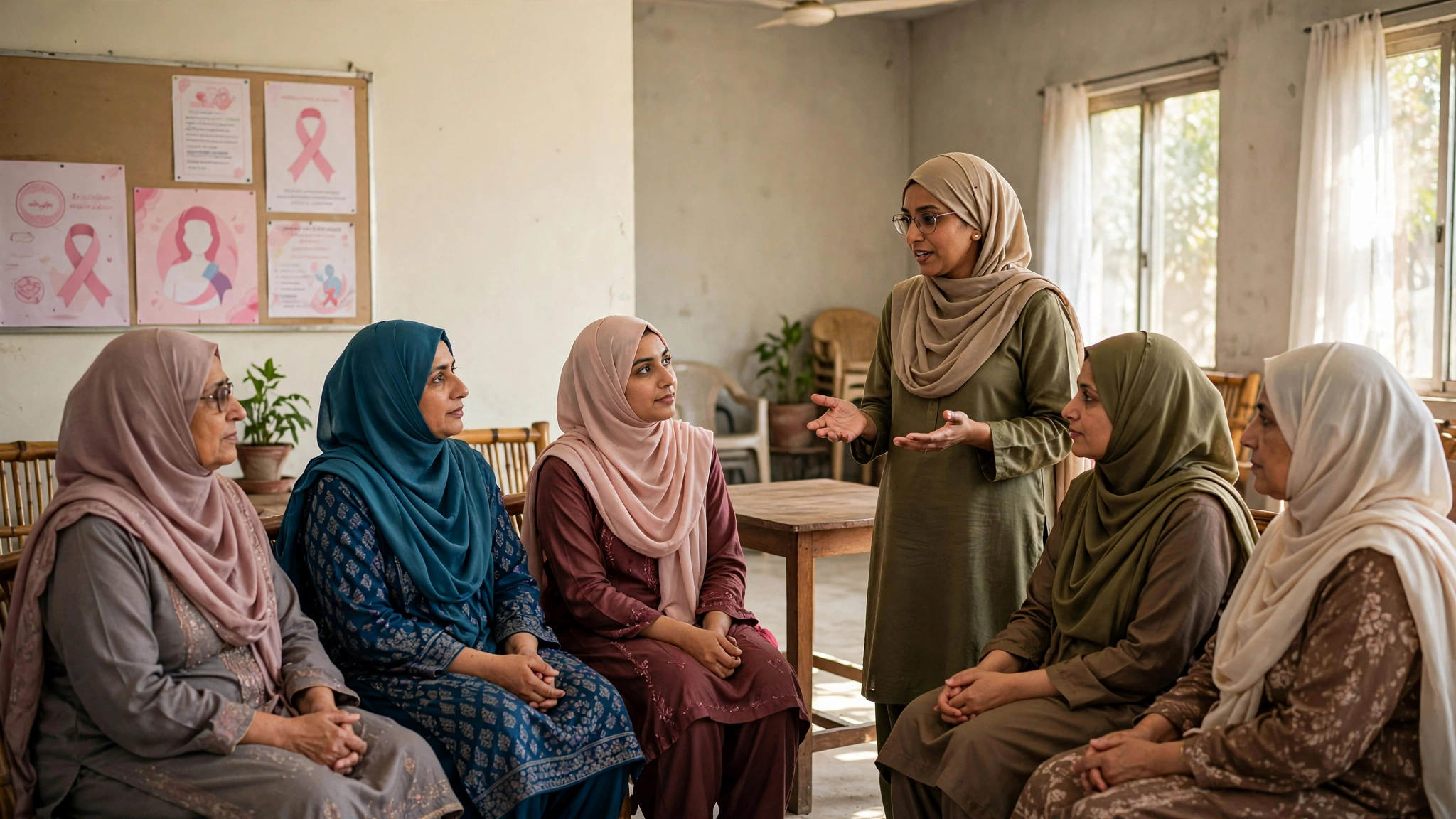
The challenge is not limited to awareness alone. Access to screening, diagnostic services, specialist care, and treatment can also influence outcomes. Strengthening public education alongside accessible healthcare services is therefore an important part of improving breast cancer outcomes in Pakistan.
For these reasons, breast cancer awareness campaigns have an important role to play in Pakistan. The Pink Ribbon campaign is one of the most recognizable initiatives associated with this effort, using the pink ribbon as a symbol to encourage awareness, education, support, and action.
Pink Ribbon Campaign
The pink ribbon has become an internationally recognized symbol of breast cancer awareness, support, and solidarity. It is used by charities, healthcare organizations, communities, and individuals to draw attention to breast cancer and encourage conversations about early detection, treatment, and support for people affected by the disease.
Pink Ribbon campaigns go beyond wearing a ribbon. Awareness initiatives can include educational programs, community events, fundraising activities, public health campaigns, screening initiatives, and support services for patients and survivors. Their broader purpose is to make breast cancer a subject that people can discuss openly and encourage individuals to seek appropriate medical advice when they notice concerning changes.

Did You Know?
The pink ribbon has become one of the world's most recognizable symbols of breast cancer awareness. It represents solidarity with people affected by breast cancer and helps organizations bring greater attention to education, early detection, treatment, and support.
In Pakistan, the pink ribbon has also played an important role in challenging the social stigma surrounding breast health. Awareness initiatives have helped bring breast cancer into public conversations and encouraged women and communities to learn more about early detection and available healthcare resources.
The campaign demonstrates how a simple symbol can help bring attention to a serious health issue. By encouraging open discussion and sharing reliable information, Pink Ribbon campaigns can contribute to greater awareness and motivate people to seek professional medical advice when necessary.
History of the Pink Ribbon
The history of the pink ribbon began with an earlier breast cancer awareness campaign that used a peach-colored ribbon. In 1991, breast cancer survivor Charlotte Haley began distributing peach ribbons along with cards calling attention to the need for greater investment in breast cancer prevention. Her grassroots campaign focused on encouraging people to become more aware of the disease and the importance of prevention.
Haley’s campaign attracted attention from people involved in the breast cancer movement and the beauty industry. However, she declined commercial proposals to use her original peach ribbon campaign. The idea of using a ribbon as a symbol for breast cancer awareness continued to gain momentum, and the pink ribbon eventually emerged as the internationally recognized symbol associated with the cause.
Key Moment in Pink Ribbon History
Charlotte Haley helped draw public attention to breast cancer prevention by distributing peach-colored ribbons in the early 1990s.
The ribbon concept gained wider public attention and was subsequently adapted into the pink ribbon that became associated with breast cancer awareness.
The pink ribbon eventually became a widely recognized symbol of breast cancer awareness, support, and solidarity.
Over time, the pink ribbon became closely associated with breast cancer awareness campaigns around the world. Organizations began using the symbol in public education, fundraising, community events, and awareness initiatives, helping transform it into a recognizable symbol of support for people affected by breast cancer.
The evolution of the pink ribbon also demonstrates how awareness campaigns can turn a simple visual symbol into a powerful tool for public engagement. Today, seeing a pink ribbon often reminds people of the importance of breast health, early detection, research, treatment, and support for patients and survivors.
Pink Ribbon Pakistan
Pink Ribbon Pakistan has been working to raise awareness about breast cancer in the country since 2004. The organization focuses on public education, early detection, community engagement, and improving access to breast cancer services. Its work has helped bring greater attention to a disease that has often been difficult to discuss openly because of social and cultural sensitivities.
When breast cancer awareness campaigns began gaining momentum in Pakistan, discussing breast health publicly was challenging. Pink Ribbon’s awareness efforts sought to break this silence by encouraging women and communities to learn about breast health, recognize potential warning signs, and understand the importance of seeking appropriate medical care.
Public Awareness
Pink Ribbon conducts awareness activities designed to educate communities about breast cancer, breast health, early detection, and risk factors.
Youth Awareness
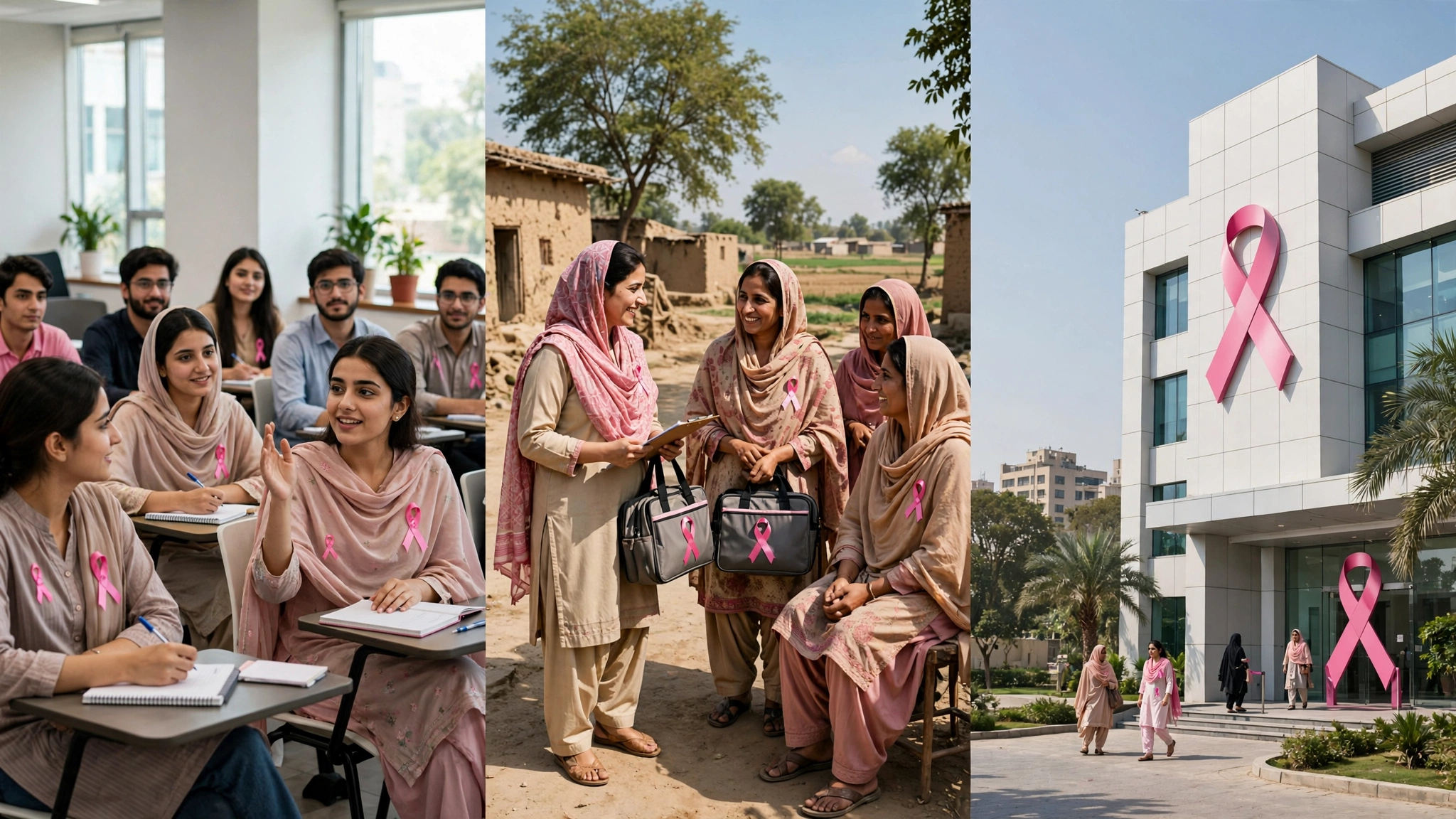
Through its Youth Awareness Programme, Pink Ribbon works with educational institutions to help young people understand breast cancer and the importance of early detection.
Community Outreach
Community-based programs extend breast health education beyond major cities and aim to reach women in different social and geographic communities across Pakistan.
Healthcare Support
Pink Ribbon has expanded its work beyond awareness to include patient support and healthcare services, including the development of a dedicated breast cancer hospital in Lahore.
Pink Ribbon and Higher Education Institutions
One of the notable awareness initiatives in Pakistan is the collaboration between Pink Ribbon Pakistan and the Higher Education Commission (HEC). The Youth Awareness Programme has engaged universities and colleges across the country, giving young people opportunities to participate in seminars, awareness activities, and other educational initiatives. HEC reports that the programme has reached millions of young people through its nationwide activities.
The partnership demonstrates how breast cancer awareness can extend beyond hospitals and healthcare settings. By involving students, faculty, and educational institutions, awareness messages can reach families and wider communities as well.
From Awareness to Access to Care
Pink Ribbon Pakistan’s work has also expanded from awareness and education toward healthcare access. Its current organization information describes a broader approach that includes patient aid and service delivery, while its dedicated breast cancer hospital in Lahore represents an effort to provide specialized care under one roof.
The continued development of these initiatives highlights an important point: breast cancer awareness is not only about recognizing the disease. It is also about making reliable information, early evaluation, diagnosis, treatment, and support more accessible to people who need them.
Breast Cancer Awareness Month – PINKtober
October is recognized internationally as Breast Cancer Awareness Month, a time dedicated to increasing awareness about breast cancer, encouraging early detection, promoting timely diagnosis and treatment, and supporting people affected by the disease. The World Health Organization highlights October as an opportunity to strengthen awareness and encourage action around early detection and access to comprehensive breast cancer care.
In Pakistan, the breast cancer awareness movement is also widely associated with PINKtober, a campaign that uses the color pink and the pink ribbon to bring greater public attention to breast health. PINKtober Pakistan focuses on community engagement, prevention, early detection, and improving access to treatment.
Why PINKtober Matters
Raise Awareness: PINKtober helps bring breast cancer into public conversations and encourages people to learn about breast health.
Encourage Early Detection: Awareness campaigns encourage people to recognize unusual breast changes and seek appropriate medical advice without unnecessary delay.
Build Support: Pink campaigns create opportunities for communities, organizations, healthcare professionals, and individuals to show solidarity with people affected by breast cancer.
Promote Access to Care: Awareness can also draw attention to the importance of timely diagnosis, treatment, and support for people who may face barriers to healthcare.
How PINKtober Creates Awareness
Breast cancer awareness campaigns use a variety of public activities to reach different audiences. These can include educational sessions, community events, social media campaigns, fundraising activities, workplace initiatives, and partnerships with educational institutions and other organizations.
The pink ribbon provides a simple visual way for people to show their support. During October, pink-themed campaigns can also appear in public spaces, sporting events, workplaces, schools, universities, and on social media. In Pakistan, for example, PINKtober has partnered with organizations and public figures to bring breast cancer awareness to larger audiences.
Breast cancer awareness should not be limited to one month. October provides an opportunity to start conversations and encourage action, but learning about breast health, recognizing unusual changes, seeking appropriate medical advice, and supporting people affected by breast cancer are important throughout the year.
Social media has made these campaigns even easier to share. People can participate by spreading reliable information, supporting awareness events, sharing educational resources, or showing solidarity with patients and survivors. However, awareness campaigns should complement—not replace—professional medical advice and appropriate screening or diagnostic services.
Ultimately, the purpose of PINKtober is not simply to turn everything pink for a month. It is an opportunity to encourage knowledge, early action, access to care, and support so that breast cancer receives the attention it deserves throughout the year.
Breast Cancer Awareness and Early Detection
Early detection is an important part of improving breast cancer outcomes. The World Health Organization’s guidance on breast cancer early detection emphasizes recognizing possible signs and symptoms and ensuring timely medical evaluation. The World Health Organization emphasizes two important components of early detection: recognizing possible signs and symptoms and ensuring that people can access timely medical evaluation and treatment.
Being aware of how your breasts normally look and feel can help you notice changes that may require medical attention. A change does not necessarily mean cancer, as many breast lumps and other breast symptoms have benign causes. However, a new or unusual change should not be ignored.
Know What Is Normal for You
Being familiar with how your breasts normally look and feel can help you notice a new or unusual change that may need medical evaluation.
Pay Attention to Unusual Changes
Possible warning signs include a new lump or thickening, changes in breast size or shape, skin dimpling or redness, nipple changes, or unusual nipple discharge.
Do Not Ignore a Persistent Change
Many breast changes are not caused by cancer, but a new or persistent change should not be ignored or dismissed without appropriate medical evaluation.
Talk to a Healthcare Professional
If you notice something unusual about your breast health, speak with a qualified healthcare professional rather than relying on self-diagnosis.
Understand Breast Cancer Screening
Recommended screening can help detect some breast cancers before symptoms appear. The American Cancer Society provides detailed information about breast cancer screening and early detection.
Common Signs of Breast Cancer
Breast cancer can cause different symptoms, and some people may have no noticeable symptoms in the early stages. Possible warning signs include a new breast lump or thickening, a change in breast size or shape, dimpling or other changes in the skin, changes to the nipple or surrounding skin, and unusual or bloody nipple discharge.
It is important to remember that having one of these symptoms does not mean that you have breast cancer. Many breast changes are caused by conditions that are not cancer. Medical evaluation is important because a healthcare professional can determine whether further testing is needed.
Breast Awareness Is Not the Same as Screening
Being familiar with your breasts can help you recognize changes, but breast self-examination should not be presented as a substitute for recommended breast cancer screening. The American Cancer Society notes that breast self-exams or clinical breast exams alone are not sufficient as routine screening for women at average risk. Instead, people should know what is normal for them and report concerning changes to a healthcare professional.
Screening recommendations can vary according to age, personal risk, family history, and the healthcare guidelines being followed. Mammography is one established screening method and can sometimes identify breast cancer before a lump can be felt.
A new breast change does not automatically mean cancer. But ignoring a persistent or unusual change can delay diagnosis. If something about your breast health concerns you, speak with a qualified healthcare professional and follow their advice about examination, diagnostic tests, or screening.
Risk Factors for Breast Cancer
There is no single cause of breast cancer. Instead, a person’s likelihood of developing the disease can be influenced by a combination of factors. Some risk factors cannot be changed, such as age, family history, or inherited genetic changes, while others may be influenced by lifestyle and environmental factors.
Having one or more risk factors does not mean that someone will develop breast cancer. Likewise, people without known risk factors can still develop the disease. Understanding these factors can, however, help people discuss their individual risk with a healthcare professional.
Age
The risk of breast cancer generally increases with age. However, breast cancer can also occur in younger women, so age alone does not eliminate the possibility of the disease.
Family History
Having close relatives who have had breast or certain other cancers can increase a person's risk, particularly when several family members have been affected.
Inherited Genetic Changes
Certain inherited genetic changes, including harmful changes in genes such as BRCA1 and BRCA2, can significantly increase the risk of developing breast cancer.
Hormonal and Reproductive Factors
Factors that affect a person's lifetime exposure to certain hormones, including some reproductive and hormonal circumstances, can influence breast cancer risk.
Alcohol Consumption
Alcohol consumption is associated with an increased risk of breast cancer. The risk generally increases as alcohol consumption increases.
Physical Activity and Weight
Being physically active and maintaining a healthy weight can be beneficial for overall health. Certain patterns of physical inactivity and excess body weight, particularly after menopause, are associated with higher breast cancer risk.
Some risk factors can be modified, while others cannot. This is why breast cancer prevention should not be reduced to lifestyle choices alone. A healthy lifestyle can support overall health and may reduce the risk of some cancers, but it cannot guarantee that a person will not develop breast cancer.
Having a risk factor does not mean you will develop breast cancer. If you have a strong family history, a known inherited genetic change, or other concerns about your breast cancer risk, discuss them with a qualified healthcare professional to determine whether additional assessment or screening may be appropriate.
Breast Cancer Screening and Diagnosis
Breast cancer screening is designed to detect breast cancer before symptoms become noticeable. The appropriate screening approach depends on factors such as age, personal and family history, and individual risk. A healthcare professional can help determine which screening options are appropriate.
Clinical Evaluation
If a person notices a new breast change or has a concerning symptom, a healthcare professional can assess the change and determine whether further testing is needed.
Mammography
Mammography uses X-rays to create images of the breast and is an important screening and diagnostic tool for detecting abnormalities that may not be noticeable through physical examination.
Ultrasound
Breast ultrasound uses sound waves to produce images of breast tissue. It may be used alongside mammography to evaluate a particular area of concern or to provide additional information.
Breast MRI
Magnetic resonance imaging can provide detailed images of the breast and may be recommended for some people who have a higher risk of breast cancer or when additional evaluation is needed.
Biopsy
Imaging can identify an area that needs further investigation, but a biopsy may be required to determine whether abnormal tissue contains cancer cells.
Why Early Detection Matters
Finding breast cancer at an earlier stage can provide more treatment options and may improve outcomes. However, screening does not mean that every cancer will be detected early, and not every abnormal finding is cancer.
Screening is intended for people who do not have symptoms, while diagnostic testing is used to investigate a breast change or abnormal screening result. If you notice a new or unusual change, speak with a qualified healthcare professional rather than waiting for a routine screening appointment.
Important Note
Screening recommendations can differ between individuals and countries. Age, family history, genetic risk and previous medical history can all affect the appropriate screening plan. For this reason, readers should follow recommendations from a qualified healthcare professional rather than applying a single screening schedule to everyone.
Breast Cancer Treatment Options
Breast cancer treatment depends on several factors, including the type and stage of the cancer, whether it has spread to other parts of the body, and certain characteristics of the cancer cells. Doctors may use one treatment or a combination of treatments to achieve the best possible outcome.
Surgery
Surgery may be used to remove the cancerous tissue from the breast. Depending on the cancer and individual circumstances, treatment may involve removing the tumor while preserving the breast or removing the entire breast.
Radiation Therapy
Radiation therapy uses high-energy radiation to destroy cancer cells. It may be recommended after surgery to reduce the risk of cancer returning in the treated area.
Chemotherapy
Chemotherapy uses medicines that target rapidly dividing cancer cells. It may be given before surgery to shrink a tumor or after surgery to reduce the risk of recurrence, depending on the situation.
Hormone Therapy
Some breast cancers use hormones such as estrogen or progesterone to grow. Hormone therapy can help slow or prevent the growth of these hormone-receptor-positive cancers.
Targeted Therapy
Targeted therapies are designed to act on specific features of cancer cells. They may be used when testing shows that a person's cancer has a particular target that can be treated with these medicines.
Immunotherapy
Immunotherapy helps the body's immune system recognize and attack certain cancer cells. It is used for particular types and stages of breast cancer rather than for every breast cancer diagnosis.
The treatment plan is individualized because breast cancer is not one single disease. Doctors may consider the tumor’s size, stage, hormone-receptor status, HER2 status, overall health and other factors before recommending treatment.
Treatment should be determined by a qualified oncology team. The information above provides a general overview and should not be used to choose or change treatment for an individual patient.
Treatment and the Importance of Early Detection
Early detection can make breast cancer easier to treat in many cases, but treatment decisions depend on the individual diagnosis. This is why recognizing unusual breast changes and seeking appropriate medical evaluation remains an important part of breast cancer awareness.
Breast Cancer Awareness in Pakistan
Breast cancer awareness remains particularly important in Pakistan, where many women face barriers to timely screening, diagnosis, and treatment. Limited awareness, social stigma, fear of diagnosis, and difficulty accessing healthcare can all contribute to delays in seeking medical attention. For more information about the factors associated with breast cancer in Pakistan, read our guide on breast cancer in Pakistan.
Awareness campaigns can help address these barriers by encouraging people to learn about breast cancer, recognize potential warning signs, and seek professional medical advice when they notice something unusual. Public education is especially important because breast cancer can affect women at different ages and early symptoms may not always be obvious.
Challenges to Breast Cancer Awareness
Several factors can make breast cancer awareness and early diagnosis difficult:
- Limited awareness: Some people may not recognize possible warning signs or understand the importance of seeking medical advice.
- Social stigma: Discussions about breast health can sometimes be considered uncomfortable or inappropriate, discouraging people from seeking help.
- Fear and misinformation: Fear of cancer or misconceptions about treatment may cause people to delay medical evaluation.
- Access to healthcare: Screening and specialist medical services may not be equally accessible to everyone, particularly in underserved communities.
- Late presentation: Delays between noticing a change and receiving medical evaluation can result in diagnosis at a more advanced stage.
Improving awareness requires more than an annual campaign. Continued education through healthcare professionals, educational institutions, community organizations and responsible media coverage can help make conversations about breast health more open and informative.
This is also where campaigns such as the Pink Ribbon can play an important role: they provide a recognizable symbol for awareness while helping bring breast cancer into public discussion.
A Simple Message for Breast Cancer Awareness
Breast cancer awareness should ultimately encourage people to pay attention to their health, understand their individual risk, and seek appropriate medical care when something seems unusual. Awareness cannot prevent every case of breast cancer, but better knowledge and timely medical evaluation can help people make informed decisions about their health.

The Role of the Pink Ribbon in Breast Cancer Awareness
The pink ribbon has become one of the most widely recognized symbols of breast cancer awareness. It represents support for people affected by breast cancer and helps organizations, communities, and individuals communicate their commitment to education, early detection, research, and patient support.
The symbol is particularly powerful because it makes an important health issue more visible. During awareness campaigns, pink ribbons may appear on clothing, social media posts, public buildings, fundraising materials, and community events. These activities can encourage conversations about breast cancer and remind people that awareness should extend beyond a single month of the year.
However, the pink ribbon is more than a symbol. Effective breast cancer awareness should also provide people with reliable health information and clear guidance about when to seek professional medical advice. Awareness campaigns are most useful when they move beyond simply displaying the ribbon and help communities understand breast cancer, its risk factors, warning signs, screening, and available support.
Supporting People Affected by Breast Cancer
Breast cancer can affect not only the person diagnosed but also their families and wider communities. Emotional support, access to appropriate healthcare, reliable information, and practical assistance can all be important during diagnosis and treatment.
Pink Ribbon campaigns therefore provide an opportunity to promote both awareness and solidarity. Wearing or displaying a pink ribbon can show support, but meaningful awareness also involves encouraging informed conversations and helping people access appropriate healthcare.
The symbol has consequently become closely associated with breast cancer awareness campaigns around the world, including campaigns in Pakistan.
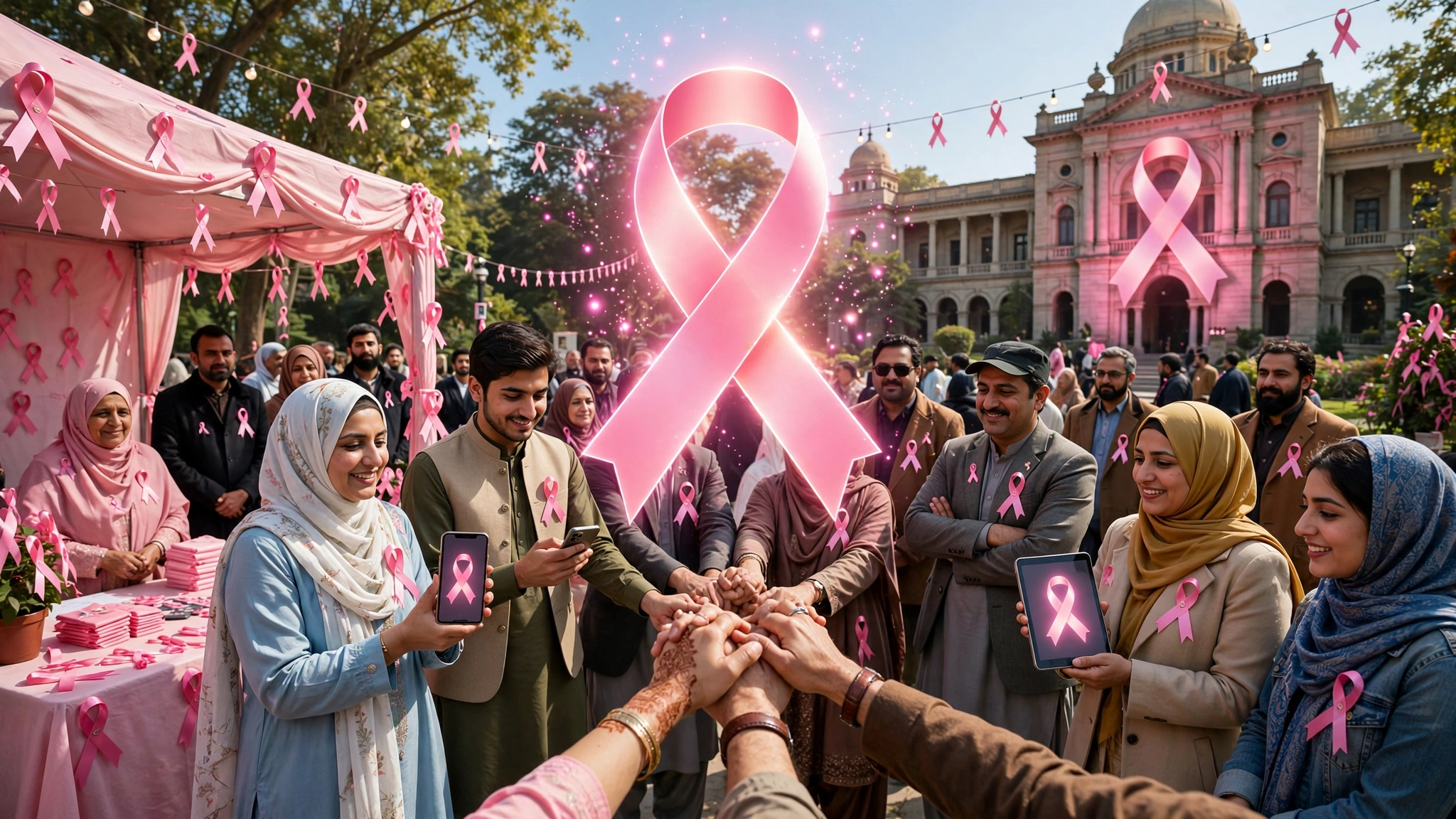
Pinktober and Breast Cancer Awareness Month
October is widely recognized as Breast Cancer Awareness Month, when organizations, healthcare professionals, communities, and individuals increase their efforts to educate the public about breast cancer. The month-long campaign provides an opportunity to discuss risk factors, warning signs, screening, treatment, and support for people affected by the disease.
The term Pinktober is commonly used to describe breast cancer awareness activities taking place during October. During this period, pink ribbons and other pink-themed campaigns become highly visible through social media, public events, fundraising activities, educational programs, and community initiatives.
Why Breast Cancer Awareness Month Matters
Breast Cancer Awareness Month can help bring attention to an issue that is sometimes difficult to discuss openly. Awareness activities can encourage people to learn about breast health, understand their individual risk, and seek appropriate medical advice when they notice something unusual.
Social media has also changed the way awareness campaigns reach the public. Healthcare organizations, charities, public figures, and individuals can share educational messages with large audiences, helping breast cancer information reach people who may not otherwise encounter it.
However, breast cancer awareness should not end when October does. Breast cancer remains a health concern throughout the year, and conversations about prevention, risk, early detection, treatment, and support should continue beyond the awareness month.
For campaigns to have a meaningful impact, visibility should be accompanied by accurate health information and encouragement to seek professional medical care when appropriate.
Breast Cancer Awareness Beyond October
Wearing a pink ribbon during October can show solidarity, but lasting awareness requires continued action throughout the year. Communities can support breast cancer awareness by sharing reliable information, encouraging appropriate screening, supporting patients and families, and helping reduce the stigma surrounding conversations about breast health.
This makes the pink ribbon more than an October symbol—it becomes a reminder that breast cancer awareness, education, and support should continue throughout the year.

How to Support Breast Cancer Awareness
Breast cancer awareness is not limited to wearing a pink ribbon or participating in an October campaign. Individuals and communities can contribute by sharing reliable information, encouraging appropriate medical care, and supporting people who are living with or recovering from breast cancer.
Here are some meaningful ways to support the cause:
Share Accurate Information
Help others learn about breast cancer risk factors, warning signs, screening, and treatment using reliable health information.
Encourage Timely Medical Evaluation
If someone notices a new or unusual breast change, encourage them to speak with a qualified healthcare professional rather than relying on self-diagnosis.
Support Patients and Families
Emotional encouragement and practical support can make a meaningful difference for people and families dealing with breast cancer.
Participate in Awareness Campaigns
Community events, educational programs, and responsible social media campaigns can help keep breast cancer awareness visible throughout the year.
Challenge Misinformation and Stigma
Open and respectful conversations can make it easier for people to discuss breast health and seek appropriate medical care.
Support Reputable Organizations
Donations, volunteering, or participating in legitimate awareness initiatives can help organizations continue their education and support programs.
Awareness Should Lead to Action
The ultimate purpose of breast cancer awareness is not simply to recognize a pink symbol. It is to help people understand the disease, recognize when professional advice may be needed, and support those affected by it.
For people in Pakistan and elsewhere, continued education throughout the year can help ensure that breast cancer does not become a topic discussed only during October. Consistent awareness, access to healthcare, and timely medical evaluation are all important parts of addressing the disease.
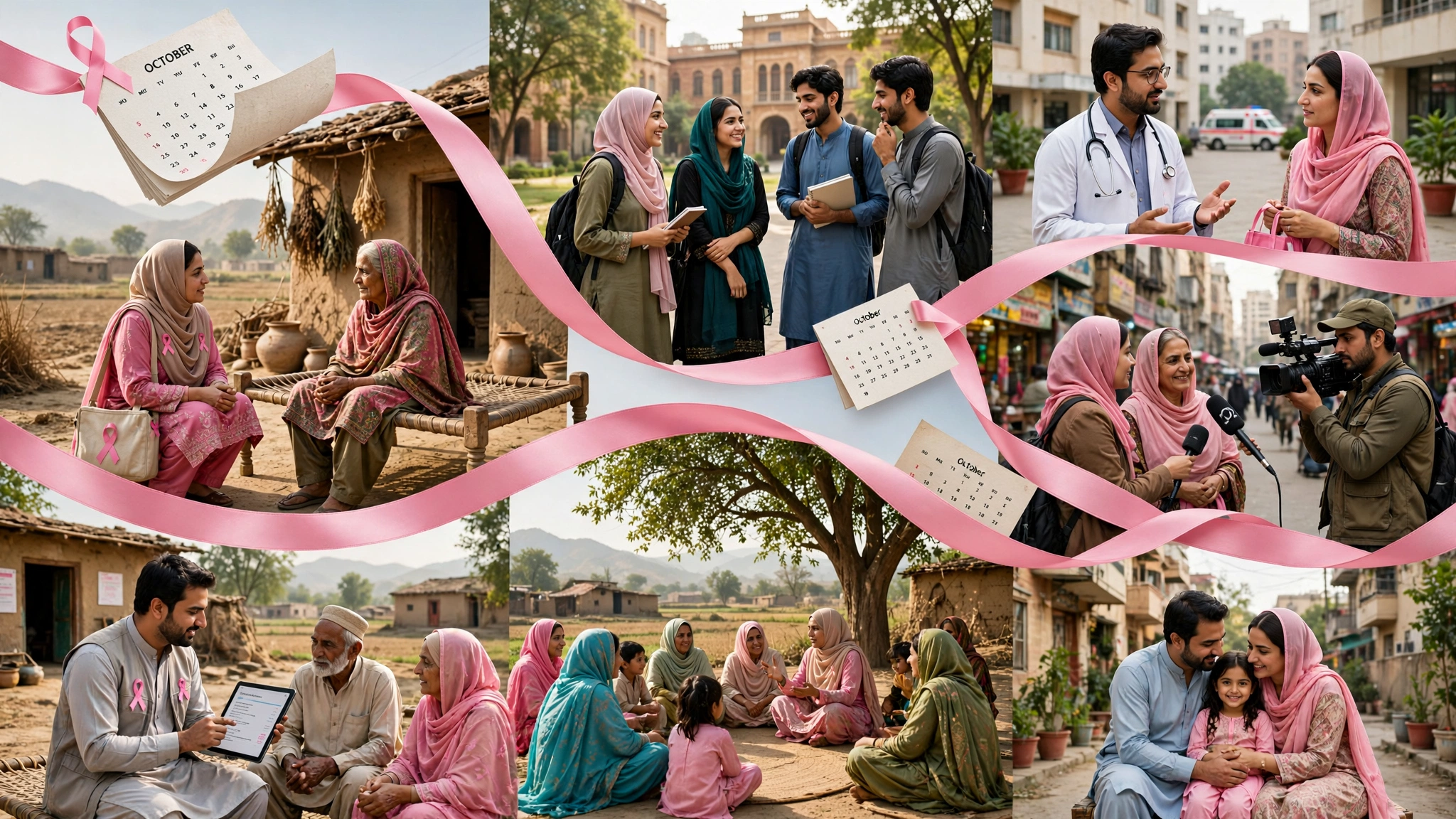
Breast Cancer Awareness in Pakistan: Moving Beyond Pinktober
Breast cancer awareness in Pakistan should continue throughout the year rather than being limited to October. Awareness campaigns can help start conversations, but lasting progress also depends on access to reliable information, timely medical evaluation, appropriate screening, and support for people affected by the disease.
Community organizations, healthcare professionals, educational institutions, media platforms, and individuals can all contribute to this effort. Reaching people in smaller communities is particularly important because awareness and access to healthcare can vary considerably between different parts of the country.
The pink ribbon provides a recognizable symbol for this cause, but the real value of a breast cancer awareness campaign lies in what happens beyond the symbol. People need information they can understand and access to qualified healthcare professionals when they have concerns about their breast health.
Building a Culture of Breast Health Awareness
A stronger culture of breast health awareness can encourage people to understand the disease, recognize potential concerns, and seek appropriate medical care when necessary.
Learn About Breast Cancer
Learn about breast cancer, its risk factors, warning signs, screening, and available treatment options.
Pay Attention to Breast Changes
Understand which new or unusual breast changes may require evaluation by a qualified healthcare professional.
Discuss Your Individual Risk
Talk with a healthcare professional about personal or family history that may affect your breast cancer risk.
Follow Appropriate Screening Recommendations
Follow screening recommendations that are appropriate for your age, risk factors, and individual circumstances.
Support People Affected by Breast Cancer
Offer emotional and practical support to family members and friends living with or recovering from breast cancer.
Share Reliable Health Information
Help reduce misinformation by sharing information from trustworthy healthcare organizations and qualified professionals.
Breast cancer awareness should therefore be viewed as a year-round responsibility. October and Pinktober can provide an important opportunity to focus public attention on the disease, but awareness, education, compassion, and appropriate medical care remain important throughout the year.
Frequently Asked Questions About Breast Cancer Awareness and Pink Ribbon Campaigns
What does the pink ribbon represent?
The pink ribbon is an internationally recognized symbol of breast cancer awareness, support, and solidarity. It is commonly used to promote education, early detection, treatment, and support for people affected by breast cancer.
Why is October called Breast Cancer Awareness Month?
October is recognized internationally as Breast Cancer Awareness Month. During this month, organizations, healthcare professionals, and communities increase efforts to educate the public about breast cancer, encourage appropriate early detection, and support people affected by the disease.
What is Pinktober?
Pinktober is a term commonly used for breast cancer awareness activities held during October. These activities can include educational programs, community events, fundraising initiatives, social media campaigns, and other efforts to promote breast health and awareness.
What are the common warning signs of breast cancer?
Possible warning signs include a new lump or thickening in the breast or underarm, changes in breast size or shape, changes to the nipple, unusual nipple discharge, or changes in the appearance or texture of the breast skin. A breast change does not necessarily mean cancer, but a new or persistent change should be evaluated by a qualified healthcare professional.
Does finding a breast lump mean that someone has cancer?
No. Many breast lumps and other breast changes are caused by conditions that are not cancer. However, a new or unusual lump should not be ignored. A qualified healthcare professional can determine whether further examination or testing is necessary.
Is breast self-examination a replacement for screening?
No. Being familiar with how your breasts normally look and feel can help you notice unusual changes, but breast self-examination should not be considered a replacement for recommended breast cancer screening. Screening recommendations can vary according to age, personal risk, family history, and individual circumstances.
Is breast cancer awareness important in Pakistan?
Yes. Breast cancer awareness in Pakistan can help people recognize possible warning signs, understand their individual risk, reduce stigma, and seek appropriate medical advice. Awareness is particularly valuable when combined with access to timely diagnosis, treatment, and support.
How can I support breast cancer awareness?
You can support breast cancer awareness by sharing reliable health information, participating in responsible awareness activities, supporting people affected by breast cancer, challenging misinformation, and encouraging appropriate medical evaluation when someone notices a concerning breast change.
Should breast cancer awareness continue after October?
Yes. Although October and Pinktober provide an important opportunity to increase public awareness, breast cancer awareness should continue throughout the year. Education, timely medical evaluation, appropriate screening, treatment, and support remain important beyond the awareness month.
Conclusion
Breast cancer awareness is about more than recognizing the pink ribbon or participating in campaigns during October. It is about understanding breast health, recognizing unusual changes, knowing individual risk factors, and seeking appropriate medical advice when concerns arise.
The Pink Ribbon has become a powerful symbol of awareness, support, and solidarity, helping bring breast cancer into public conversations around the world. In Pakistan, initiatives such as Pink Ribbon Pakistan and PINKtober have also helped encourage more open discussions about breast health and the importance of early detection.
However, meaningful awareness should continue beyond a single campaign or month. Reliable health information, timely medical evaluation, appropriate screening, access to treatment, and support for patients and their families all play an important role in addressing breast cancer.
Ultimately, the goal of breast cancer awareness is to turn awareness into informed action. By learning about breast health, reducing stigma, sharing reliable information, and encouraging people to seek professional medical care when necessary, communities can help make breast cancer awareness meaningful throughout the year.



0 Comments