
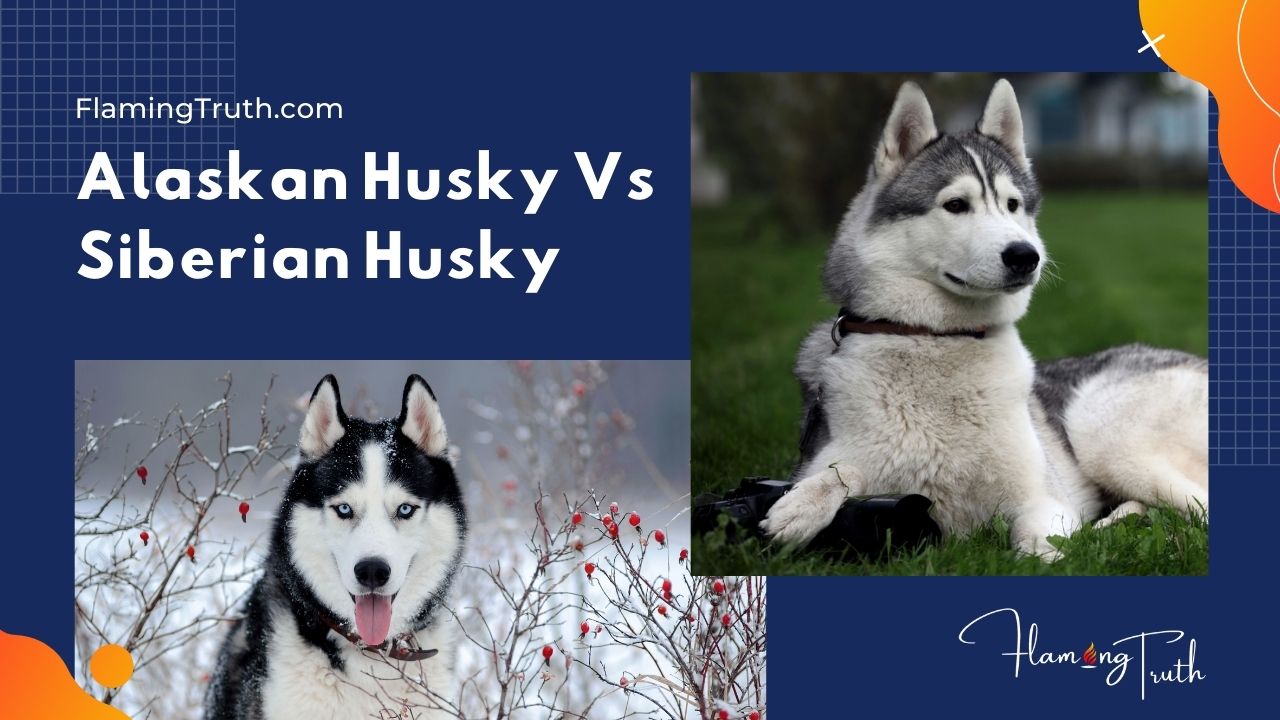

The Alaskan Husky and the Siberian Husky are often mistaken for the same dog because they share a similar appearance and were both developed for life in cold climates. However, they are not the same. An Alaskan Husky is a working sled dog bred primarily for speed, endurance, and performance, while the Siberian Husky is a recognized purebred known for its striking appearance, friendly temperament, and family-friendly nature. In this guide, we’ll compare their size, appearance, personality, lifespan, exercise needs, and other important differences to help you decide which husky is the better fit for your lifestyle.
Alaskan Husky vs Siberian Husky: Quick Comparison
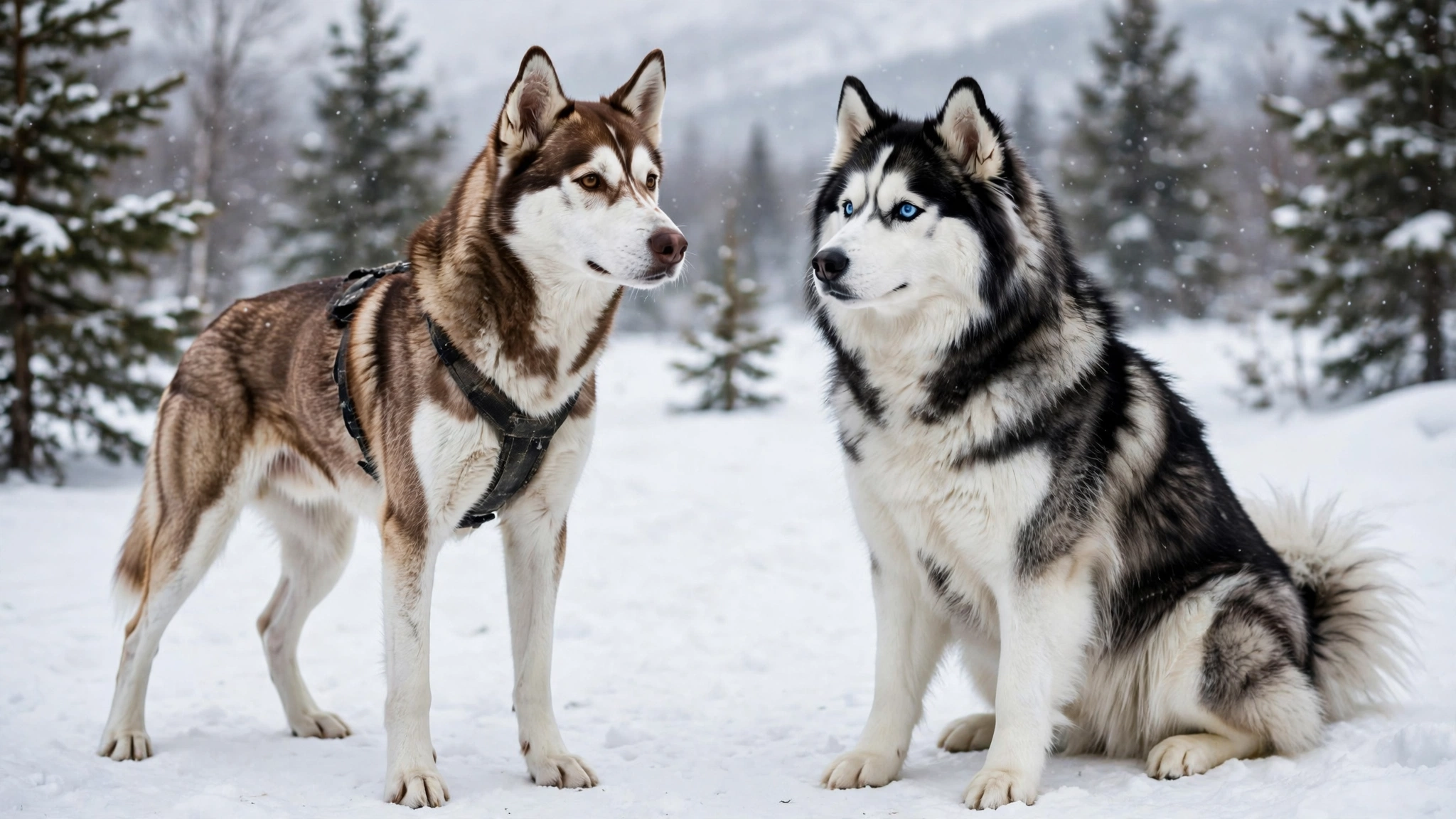
The biggest difference between an Alaskan Husky and a Siberian Husky is that the Alaskan Husky is a mixed-breed working dog developed for sled racing and endurance, while the Siberian Husky is a purebred recognized by major kennel clubs. Alaskan Huskies are generally faster, more athletic, and bred for performance, whereas Siberian Huskies have a more consistent appearance, are known for their friendly temperament, and are popular as both family pets and sled dogs.
| Feature | Alaskan Husky | Siberian Husky |
|---|---|---|
| Breed Type | Mixed-breed working dog | Purebred dog |
| Origin | Alaska, United States | Siberia, Russia |
| Primary Purpose | Sled racing and endurance | Sled pulling and companionship |
| Height | 20–26 in (51–66 cm) | 20–24 in (51–61 cm) |
| Weight | 35–75 lbs (16–34 kg) | 35–60 lbs (16–27 kg) |
| Coat | Coat varies depending on lineage | Dense double coat |
| Eye Color | Usually brown | Blue, brown, amber, or bi-colored |
| Temperament | Energetic, hardworking, loyal | Friendly, playful, independent |
| Exercise Needs | Very High | High |
| Lifespan | 10–15 years | 12–15 years |
| AKC Recognition | No | Yes |
| Best For | Experienced, active owners and sled sports | Active families and companion homes |
What Is the Difference Between an Alaskan Husky and a Siberian Husky?
Although the Alaskan Husky and the Siberian Husky share a similar wolf-like appearance, they are not the same type of dog. The biggest difference is that the Alaskan Husky is a working dog developed for speed, endurance, and sled racing, while the Siberian Husky is an officially recognized purebred known for its consistent appearance, friendly temperament, and versatility as both a working dog and family companion.
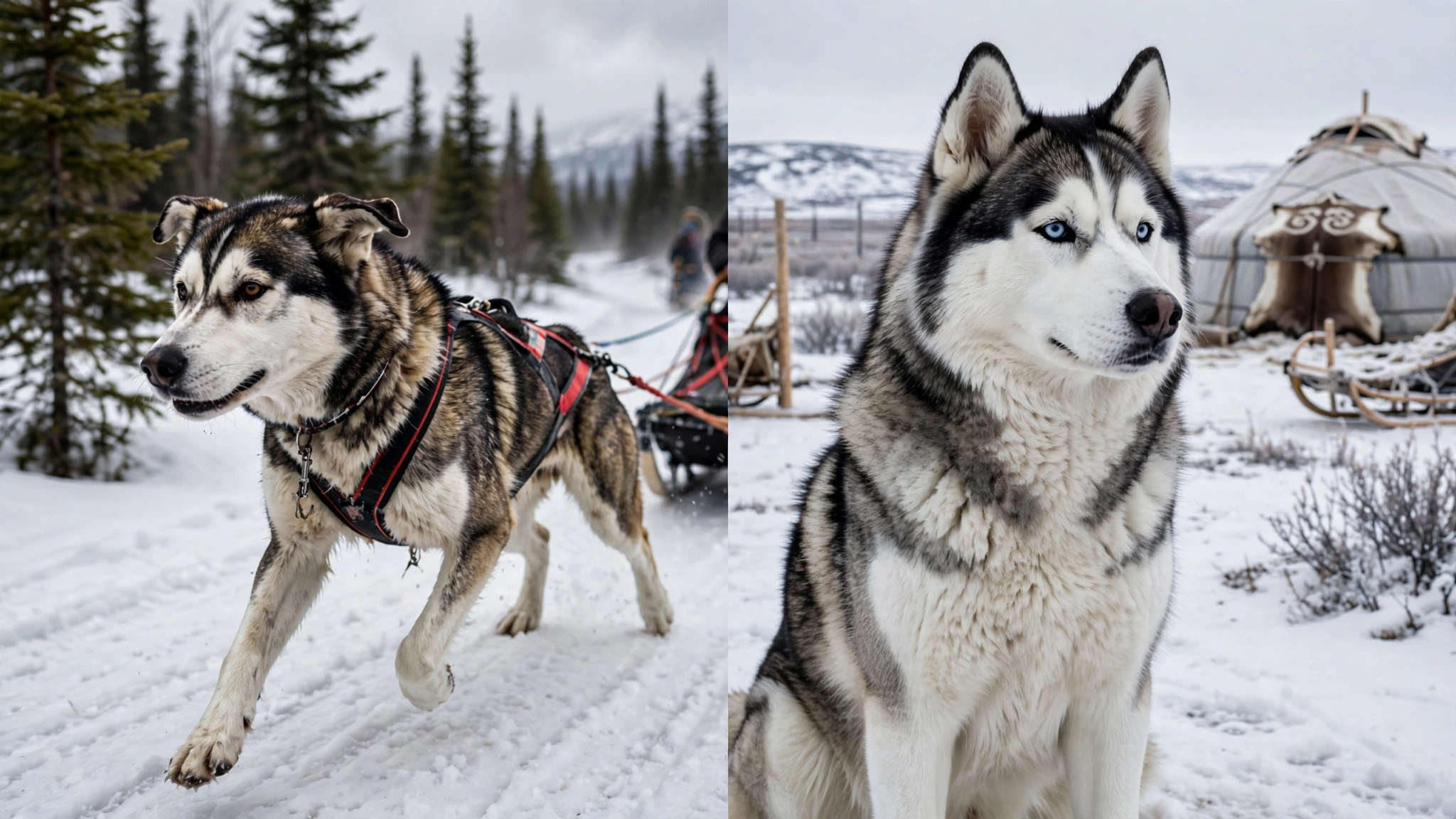
Unlike the Siberian Husky, the Alaskan Husky is not recognized as a standardized breed by major kennel clubs. Instead, it has been selectively bred over generations to excel in demanding sled races and long-distance hauling. Because performance is the priority, Alaskan Huskies can vary in size, coat color, and overall appearance.
In contrast, the Siberian Husky follows a well-established breed standard. Originally developed by the Chukchi people of northeastern Siberia, these dogs are admired for their thick double coats, striking blue or multi-colored eyes, and outgoing personalities. Their predictable appearance and affectionate nature have made them one of the most popular northern dog breeds worldwide.
While both breeds are intelligent, energetic, and thrive in active homes, understanding their differences in history, physical characteristics, exercise requirements, grooming needs, and temperament will help you choose the husky that best matches your lifestyle.
Alaskan Husky vs Siberian Husky: Origin and History
Although both dogs were developed for life in freezing climates and are known for their sled-pulling abilities, their origins are quite different. The Alaskan Husky was bred for performance and endurance, whereas the Siberian Husky was developed as a purebred working dog with a long history of assisting indigenous communities in northeastern Siberia.
Alaskan Husky Origin
The Alaskan Husky is not an officially recognized breed but a type of working sled dog developed in Alaska. Instead of breeding for appearance, mushers focused on producing dogs with exceptional speed, endurance, intelligence, and stamina. Over many generations, they selectively bred the best-performing dogs, creating an athletic and hardworking sled dog capable of traveling long distances in harsh Arctic conditions.
Because the Alaskan Husky was bred for performance rather than appearance, individuals can vary in coat color, body shape, and overall size. This flexibility has helped them remain one of the most successful sled racing dogs in the world.
Siberian Husky Origin
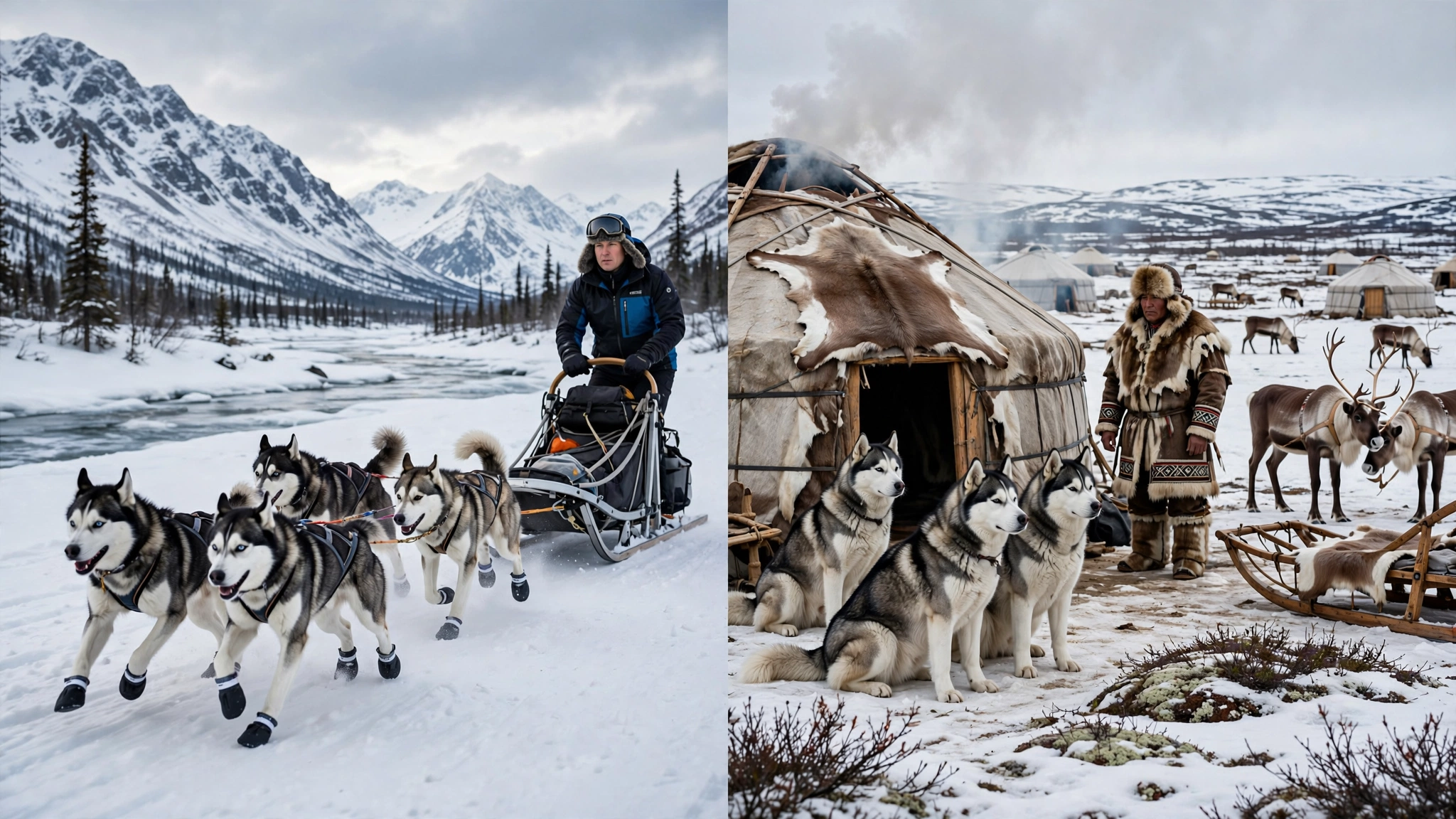
The Siberian Husky originated with the Chukchi people of northeastern Siberia, who relied on these dogs for transportation, hunting assistance, and companionship. Their ability to pull light loads across long distances while using relatively little energy made them invaluable in one of the world’s harshest climates.
In the early 20th century, Siberian Huskies were introduced to Alaska, where they quickly gained recognition for their speed and endurance in sled races. Today, they are recognized by major kennel clubs worldwide and are among the most popular working and companion dog breeds.
You can also read the official breed standard published by the American Kennel Club (AKC) for additional information about the Siberian Husky’s history, temperament, and physical characteristics.
Alaskan Husky vs Siberian Husky: Size and Weight Comparison
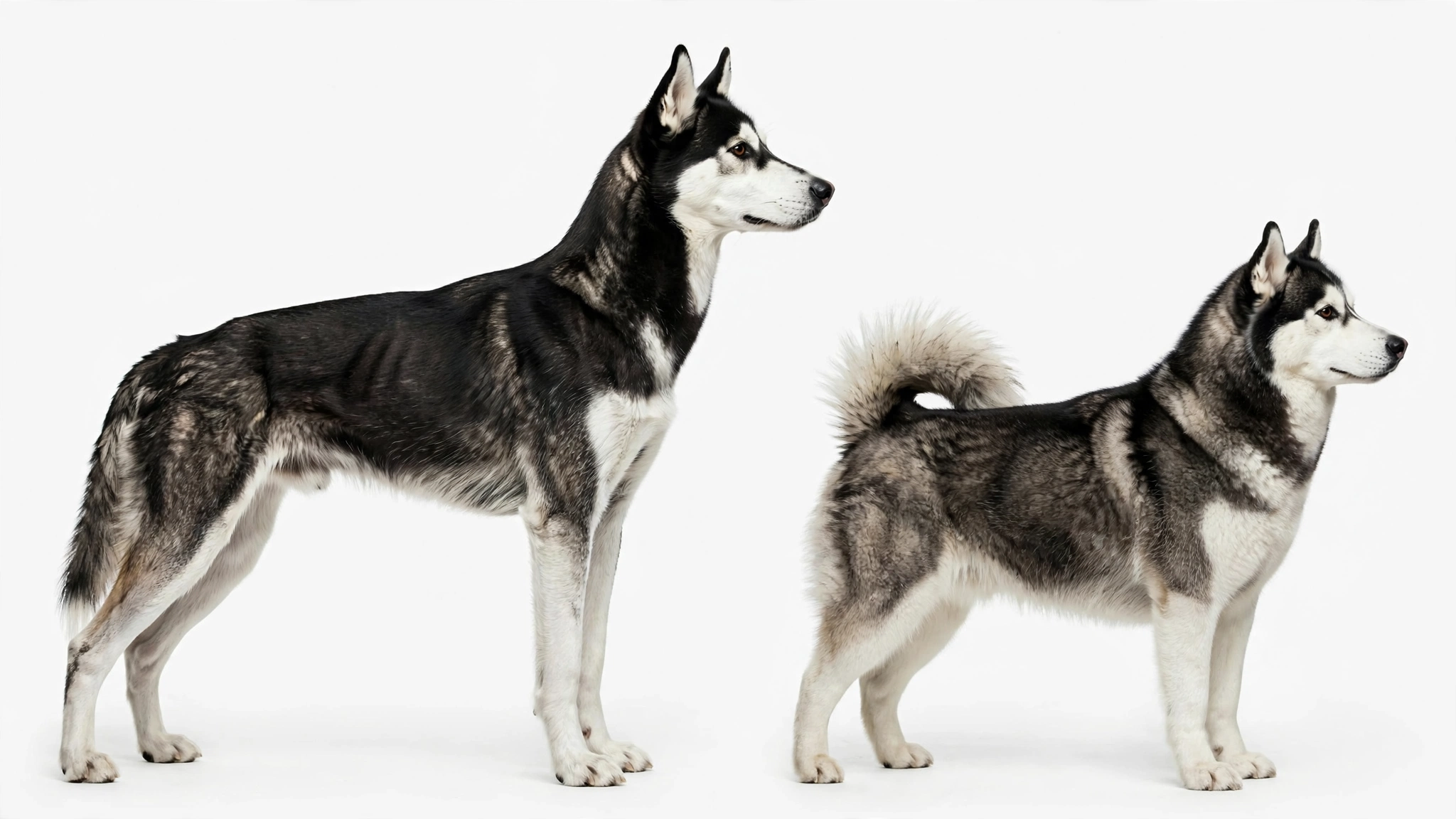
Although both breeds are medium-sized sled dogs, the Alaskan Husky is generally taller and heavier than the Siberian Husky. Because Alaskan Huskies are bred for performance rather than appearance, their size can vary depending on their bloodline and intended purpose. Siberian Huskies, on the other hand, follow an established breed standard, giving them a more consistent height and weight.
Alaskan Husky Size
An adult Alaskan Husky typically stands between 20 and 26 inches (51–66 cm) tall at the shoulder and weighs approximately 35 to 75 pounds (16–34 kg). Racing bloodlines are often leaner and lighter to maximize speed, while working lines bred for hauling heavier loads may be larger and more muscular.
Siberian Husky Size
The Siberian Husky has a more standardized size. Adult males usually stand 21 to 23.5 inches (53–60 cm) tall and weigh 45 to 60 pounds (20–27 kg). Females are slightly smaller, measuring 20 to 22 inches (51–56 cm) in height and weighing 35 to 50 pounds (16–23 kg).
Which Husky Is Bigger?
In most cases, the Alaskan Husky is slightly larger and heavier than the Siberian Husky, although there can be exceptions because Alaskan Huskies are not bred to a strict physical standard. If you’re looking for a dog with a predictable size and appearance, the Siberian Husky is the more consistent choice. If your priority is athletic performance and endurance, the Alaskan Husky is often the better fit.
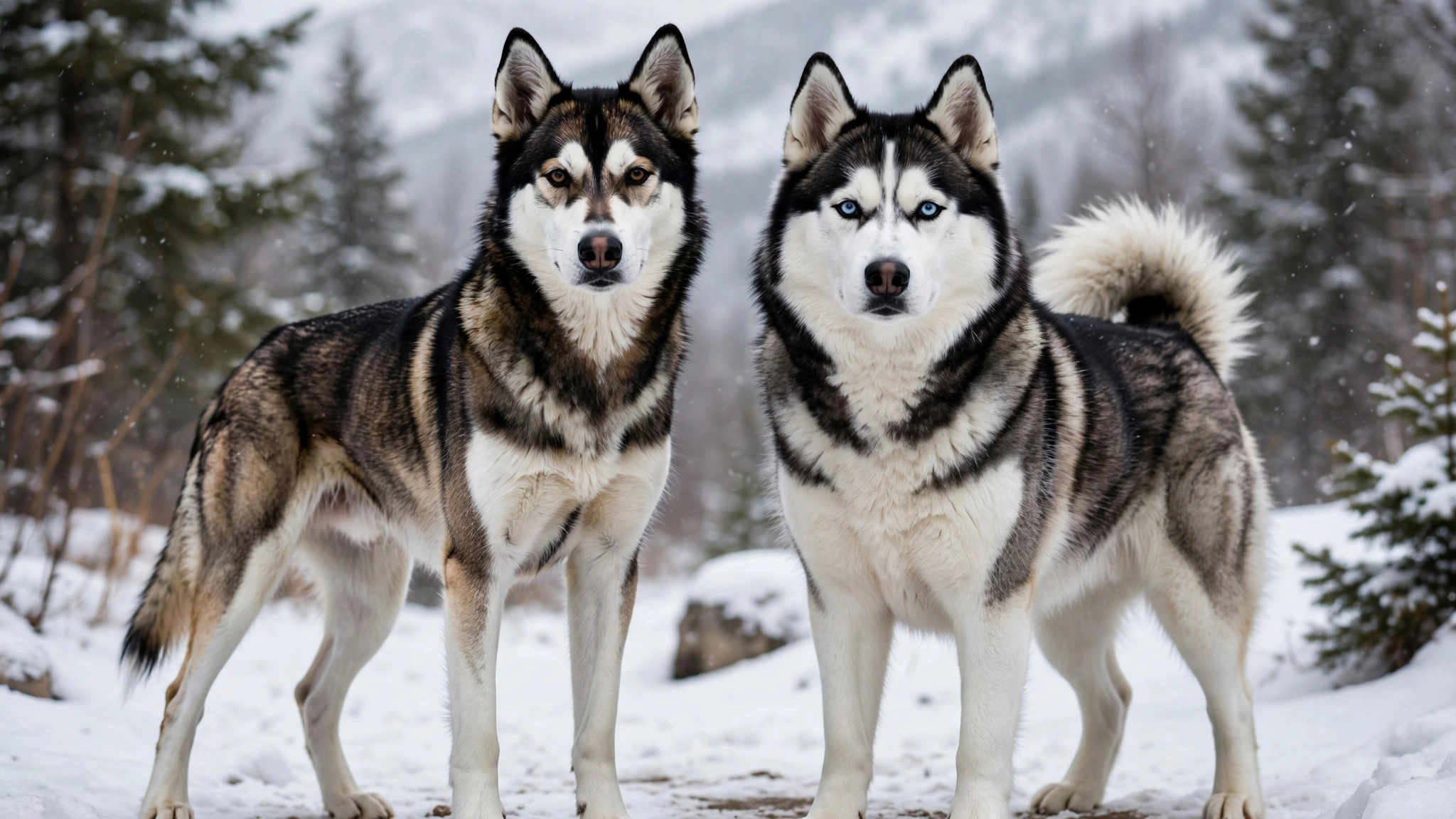
Since the Siberian Husky is a recognized purebred, its physical characteristics are defined by an official breed standard maintained by the Fédération Cynologique Internationale (FCI).
Body Build
The Alaskan Husky has a lean, athletic body built for speed and endurance. Because it was bred for performance rather than appearance, its body shape can vary depending on its lineage. Most Alaskan Huskies have longer legs, a narrower chest, and a lighter frame that allows them to travel long distances efficiently.
The Siberian Husky has a more balanced and compact build. As a recognized purebred, it follows a consistent breed standard with well-proportioned features, giving it a more uniform appearance than the Alaskan Husky.
Head and Face
The Siberian Husky typically has a broader head with a well-defined stop, medium-length muzzle, and a symmetrical facial mask that gives it its distinctive expression. These facial markings are one of the breed’s most recognizable characteristics.
The Alaskan Husky often has a narrower head and a longer muzzle. Since there is no official breed standard, facial features can differ considerably between individual dogs.
Eyes
One of the most noticeable differences is eye color. Siberian Huskies are famous for their striking blue eyes, although they can also have brown eyes, amber eyes, or even one blue and one brown eye (known as heterochromia). This variety is perfectly normal for the breed.
Alaskan Huskies usually have brown eyes, although some may inherit blue eyes depending on their ancestry. Eye color is not considered a defining characteristic because appearance is secondary to working ability.
Ears and Tail
Both breeds have upright, triangular ears that help conserve body heat in cold climates. However, the Siberian Husky’s ears tend to be slightly smaller and set closer together, giving the dog a more refined appearance.
Their tails also differ slightly. The Siberian Husky carries a well-furred, fox-like tail that often curls gracefully over its back when alert. The Alaskan Husky’s tail can vary in shape and carriage depending on its breeding but is generally less uniform.
Overall Appearance
If you’re looking for a dog with a predictable appearance, the Siberian Husky is the better choice. Every purebred Siberian Husky follows a similar standard for size, coat, facial markings, and body structure.
The Alaskan Husky, on the other hand, is admired for its athleticism rather than its looks. While individual dogs may differ in color, size, and build, they all share exceptional stamina, speed, and endurance that make them outstanding working sled dogs.
Alaskan Husky vs Siberian Husky at a Glance
Here's a quick overview of the key differences before we explore each breed in detail.
🐕 Alaskan Husky
- Type: Working sled dog
- Recognition: Not an official purebred
- Purpose: Speed, endurance, sled racing
- Build: Lean and athletic
- Eyes: Usually brown
- Energy: Extremely high
- Best For: Active and experienced owners
- Lifespan: 10–15 years
🐺 Siberian Husky
- Type: Purebred dog
- Recognition: AKC & FCI recognized
- Purpose: Sled work and companionship
- Build: Balanced and compact
- Eyes: Blue, brown, amber, or bi-colored
- Energy: Very high
- Best For: Active families
- Lifespan: 12–15 years
Alaskan Husky vs Siberian Husky: Coat Colors and Eye Colors
Both the Alaskan Husky and the Siberian Husky have thick double coats that protect them from freezing temperatures, but their coat colors and eye colors can differ significantly. Because the Alaskan Husky is bred for performance rather than appearance, its coat and markings are much more variable than those of the Siberian Husky.
Alaskan Husky Coat Colors
The Alaskan Husky comes in a wide range of coat colors, including black, gray, white, red, brown, sable, and various mixed patterns. Since there is no official breed standard, breeders place little emphasis on coat color, focusing instead on strength, endurance, and working ability.
Their double coat provides excellent insulation against cold weather while helping regulate body temperature during demanding outdoor activities.
Siberian Husky Coat Colors
The Siberian Husky also has a dense double coat and is recognized in numerous coat colors and patterns. Common colors include black and white, gray and white, red and white, sable, agouti, and solid white. Many Siberian Huskies also have distinctive facial masks that add to their striking appearance.
Seasonal shedding is common, especially during spring and autumn, when they “blow” their undercoat and require more frequent grooming.
Eye Color Differences
Eye color is one of the easiest ways to distinguish these two dogs.
Siberian Huskies are well known for their beautiful blue eyes, but they can also have brown, amber, greenish, or bi-colored eyes. Some even have one blue eye and one brown eye, a condition called heterochromia, which is completely normal for the breed.
Alaskan Huskies most commonly have brown eyes. While blue eyes can occur in some individuals, they are much less common because breeding focuses on working performance rather than appearance.
Shedding and Coat Maintenance
Both breeds shed throughout the year and experience heavier shedding during seasonal coat changes. Weekly brushing is usually enough to keep their coats healthy, but daily brushing is recommended during shedding seasons to remove loose fur and reduce matting.
Despite their thick coats, neither breed should be shaved unless recommended by a veterinarian for medical reasons. Their double coat helps regulate body temperature in both cold and moderately warm climates.

Alaskan Husky vs Siberian Husky: Temperament and Personality
Although both the Alaskan Husky and the Siberian Husky are intelligent, energetic, and affectionate dogs, their personalities have been shaped by different breeding purposes. The Alaskan Husky was developed primarily for performance and endurance, while the Siberian Husky was bred to be both a reliable working dog and a loyal companion. As a result, each breed has its own unique temperament and behavioral traits.
If you’re interested in husky hybrids, you may also enjoy our guide to the German Shepherd Husky Mix, which explores the personality, appearance, training needs, and suitability of this intelligent crossbreed
Alaskan Husky Temperament
Alaskan Huskies are highly driven, hardworking, and thrive when they have a job to do. They form strong bonds with their owners and are happiest in active households where they receive plenty of physical exercise and mental stimulation.
Because they were bred for sled racing and endurance, these dogs are naturally focused, determined, and eager to work. They are generally friendly toward people but may become restless or destructive if they don’t get enough daily activity.
Although affectionate with their families, Alaskan Huskies are often more task-oriented than attention-seeking. They are best suited for experienced owners who enjoy outdoor adventures such as hiking, running, or other high-energy activities.
Siberian Husky Temperament
Siberian Huskies are well known for their outgoing, playful, and friendly personalities. They enjoy being around people and usually get along well with children and other dogs when properly socialized.
Unlike many guard breeds, Siberian Huskies are not naturally protective or territorial. Instead, they tend to greet strangers with curiosity rather than suspicion, making them poor guard dogs but excellent family companions.
They are intelligent and independent thinkers, which can sometimes make training challenging. Consistent, positive reinforcement and early socialization are essential to encourage good behavior.
Intelligence and Trainability
Both breeds are highly intelligent, but their independence can make them seem stubborn at times.
Alaskan Huskies are often easier to motivate during work because they were bred specifically to cooperate with handlers during demanding tasks. Siberian Huskies are equally intelligent but may become bored with repetitive training sessions and often respond best to short, engaging lessons with plenty of rewards.
Regardless of the breed, early obedience training and regular mental enrichment are essential for raising a well-behaved and confident dog.
Which Breed Has the Better Personality?
There isn’t a single “better” temperament because the right choice depends on your lifestyle.
If you’re an active person who enjoys endurance sports, hiking, or spending long hours outdoors, the Alaskan Husky’s athletic nature may be the perfect match.
If you’re looking for a sociable, playful, and affectionate family companion with a predictable personality and appearance, the Siberian Husky is often the better choice.
Both breeds are loyal, loving, and energetic, but they require committed owners who can provide regular exercise, mental stimulation, and plenty of companionship to keep them happy and healthy.
Alaskan Husky vs Siberian Husky: Exercise Needs and Training
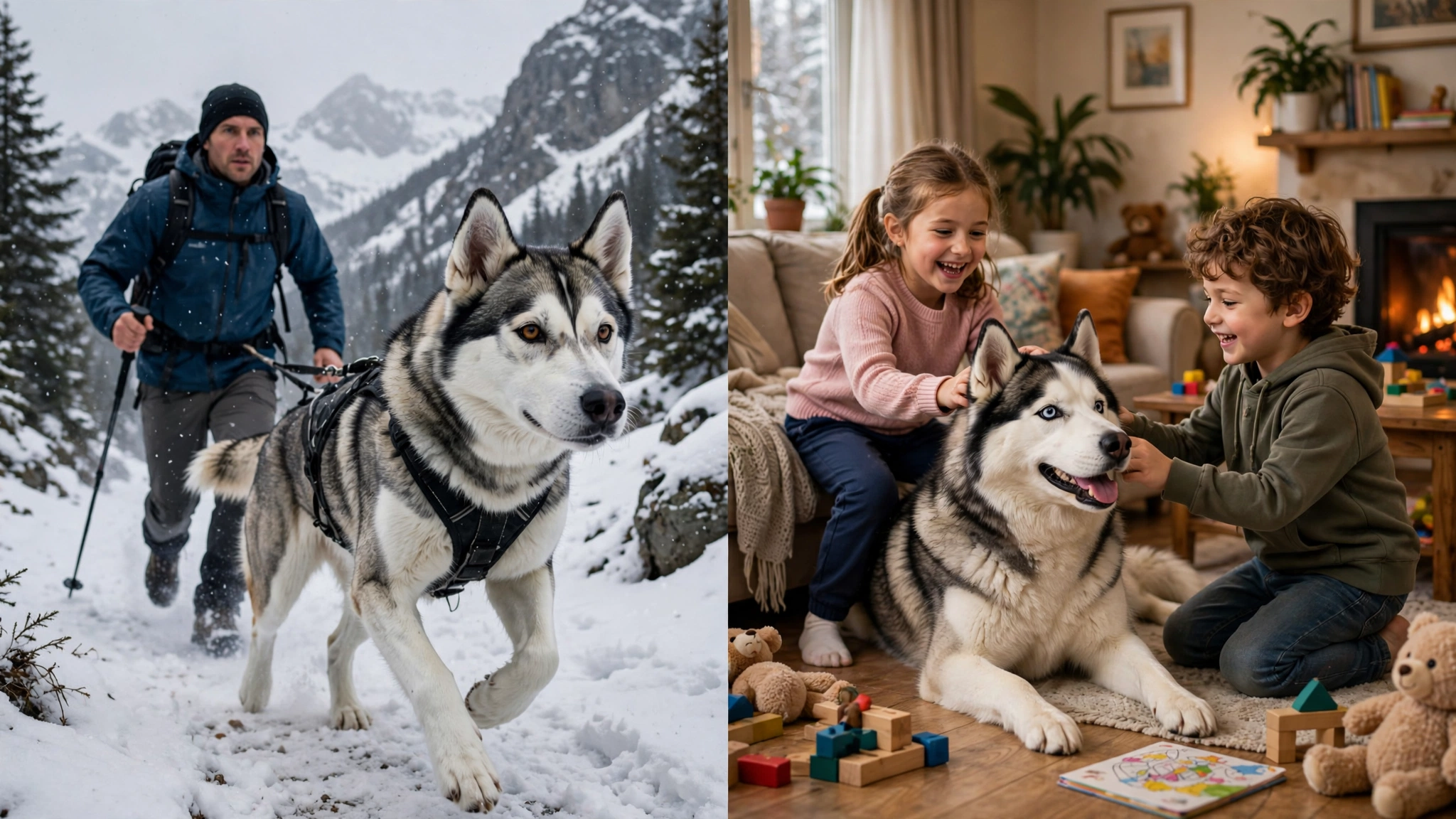
Both the Alaskan Husky and the Siberian Husky are high-energy breeds that require far more exercise than the average dog. Originally bred to pull sleds across long distances in harsh climates, they have incredible stamina and thrive when given regular physical activity and mental challenges. Without enough exercise, either breed can become bored, anxious, and develop destructive behaviors such as excessive digging, chewing, or escaping.
Regular physical activity and mental enrichment are essential for preventing obesity, boredom, and behavioral problems in active breeds. The American Kennel Club offers practical guidance on exercising high-energy dogs.
Alaskan Husky Exercise Needs
The Alaskan Husky was bred specifically for endurance and performance, making it one of the most energetic working dogs in the world. It requires at least 2 to 3 hours of vigorous exercise every day, including activities like running, hiking, sled pulling, bikejoring, or agility training.
Simply walking around the neighborhood is rarely enough to satisfy an Alaskan Husky. These dogs excel when they have a purpose or task to complete, making them ideal companions for active individuals who enjoy outdoor adventures.
Siberian Husky Exercise Needs
The Siberian Husky is also an energetic breed but generally requires slightly less exercise than the Alaskan Husky. Most adults need 1½ to 2 hours of daily physical activity, along with games and mental stimulation to prevent boredom.
Long walks, jogging, hiking, fetch, and interactive toys can help keep a Siberian Husky healthy and happy. Because of their strong prey drive and natural curiosity, they should always be exercised in a securely fenced area or on a leash.
Training Differences
Both breeds are intelligent learners, but they can also be independent and stubborn.
Alaskan Huskies are often more responsive during training because generations of selective breeding have emphasized teamwork and cooperation with their handlers. They typically learn quickly when training sessions are consistent, positive, and rewarding.
Siberian Huskies are equally intelligent but are known for testing boundaries. They respond best to patient, reward-based training with plenty of variety to keep them engaged. Harsh corrections are generally ineffective and can damage trust between the dog and owner.
Can They Live in Apartments?
Neither breed is ideally suited to apartment living unless their exercise needs are fully met every day.
A Siberian Husky may adapt to apartment life if it receives plenty of outdoor activity and mental enrichment, while an Alaskan Husky generally performs best in homes with larger outdoor spaces and owners who can provide intensive daily exercise.
Which Breed Is Easier to Train?
Although both breeds require consistency and patience, the Alaskan Husky is often more focused on work, making it slightly easier to train for performance-related activities.
The Siberian Husky, however, is more independent and can become distracted if training sessions are repetitive. With early socialization, positive reinforcement, and regular practice, both breeds can become well-mannered and obedient companions.
Alaskan Husky vs Siberian Husky: Grooming and Shedding
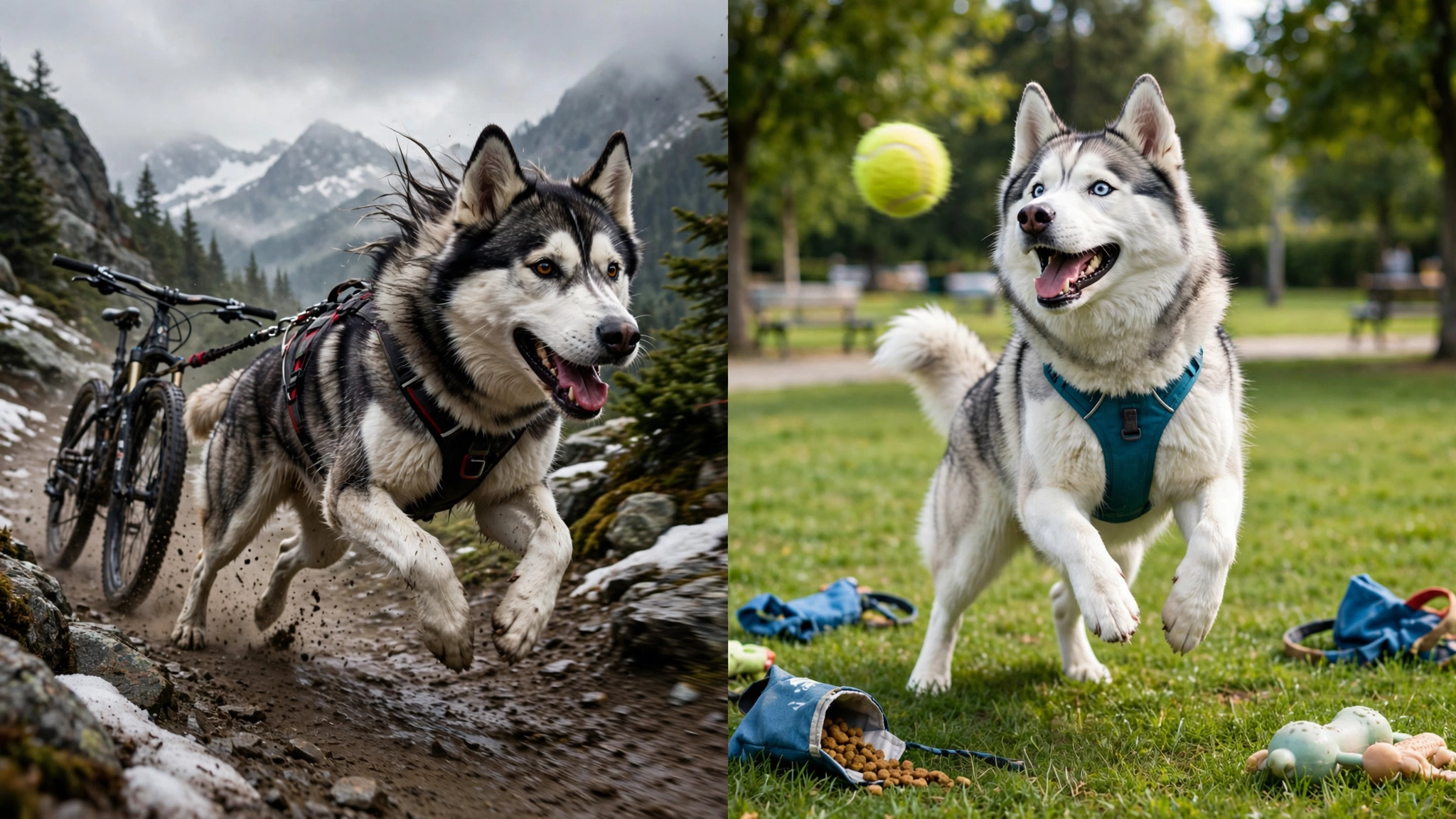
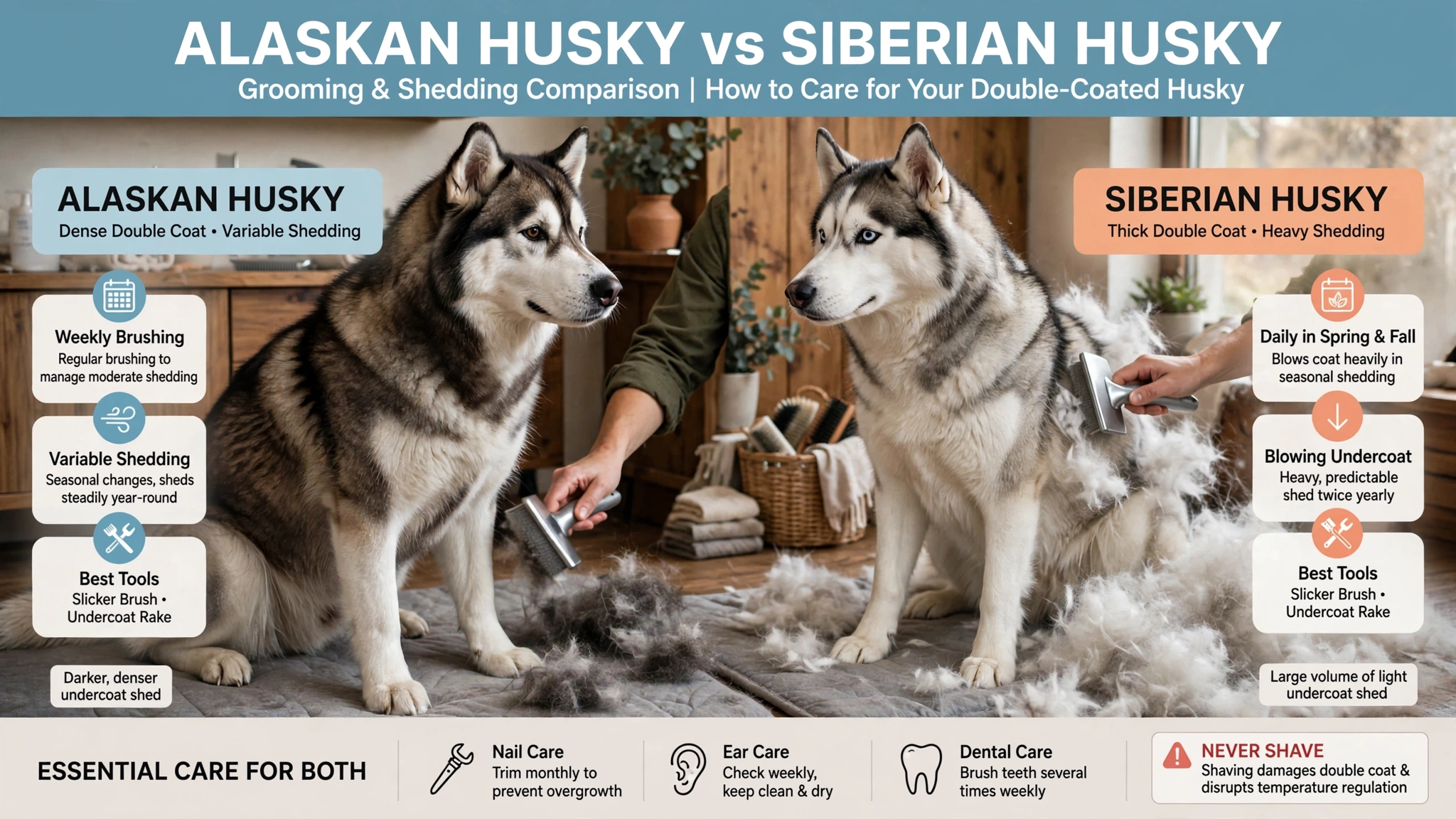
Both the Alaskan Husky and the Siberian Husky have thick double coats designed to protect them from harsh winter conditions. While these coats provide excellent insulation, they also require regular grooming to keep the dogs healthy and comfortable. Fortunately, neither breed needs frequent professional grooming, but both shed heavily at certain times of the year.
Alaskan Husky Grooming
The Alaskan Husky has a dense double coat that benefits from weekly brushing to remove loose hair, dirt, and debris. During seasonal coat changes in spring and fall, daily brushing is recommended to manage excessive shedding and prevent mats from forming.
Routine grooming should also include trimming the nails, cleaning the ears, brushing the teeth, and checking the paws for injuries, especially if the dog spends a lot of time outdoors.
Siberian Husky Grooming
The Siberian Husky follows a similar grooming routine. Its thick double coat naturally repels dirt and has very little odor, so frequent bathing is unnecessary. Brushing once or twice a week is usually enough throughout the year, while daily brushing during shedding seasons helps control loose fur around the home.
Like the Alaskan Husky, regular nail trimming, ear cleaning, and dental care are essential to maintain overall health.
Shedding Differences
Both breeds are considered heavy shedders, especially during seasonal coat changes when they “blow” their undercoat. During these periods, large amounts of fur can be released over several weeks.
The Siberian Husky generally has a more uniform coat, making its shedding patterns relatively predictable. The Alaskan Husky’s shedding can vary depending on its lineage and coat type, but owners should still expect a significant amount of loose hair throughout the year.
Grooming Tips for Both Breeds
To keep either breed looking its best:
- Brush the coat at least once or twice a week.
- Increase brushing during spring and autumn shedding seasons.
- Use a slicker brush or undercoat rake to remove loose fur effectively.
- Bathe only when necessary to avoid stripping the coat’s natural oils.
- Keep nails trimmed and ears clean to prevent common health problems.
- Never shave a double-coated husky unless specifically advised by a veterinarian for medical reasons.
Which Breed Is Easier to Groom?
Neither breed requires complicated grooming, but both demand consistency. If you’re prepared for regular brushing and seasonal shedding, either dog is relatively easy to maintain. However, if you prefer a low-shedding or low-maintenance breed, neither the Alaskan Husky nor the Siberian Husky is likely to be the right choice.
Alaskan Husky vs Siberian Husky: Health and Lifespan
Both the Alaskan Husky and the Siberian Husky are generally healthy, active dogs with relatively long lifespans. Their overall health depends on genetics, diet, regular exercise, and routine veterinary care. While both breeds are hardy and well-adapted to cold climates, they can still be prone to certain inherited and age-related health conditions.
Alaskan Husky Health
Because the Alaskan Husky was bred primarily for performance rather than appearance, it often benefits from greater genetic diversity. This can reduce the risk of some inherited disorders commonly associated with purebred dogs. However, they may still experience health issues such as:
- Hip dysplasia
- Progressive retinal atrophy (PRA)
- Hypothyroidism
- Exercise-related injuries
- Joint and muscle strain in highly active dogs
With proper nutrition, regular veterinary checkups, and adequate exercise, many Alaskan Huskies enjoy long, healthy lives.
Siberian Husky Health
The Siberian Husky is also considered a healthy breed, but like many purebred dogs, it has a few inherited conditions that owners should be aware of. Common health concerns include:
- Hip dysplasia
- Cataracts
- Progressive retinal atrophy (PRA)
- Corneal dystrophy
- Juvenile cataracts
- Certain autoimmune skin conditions
Responsible breeders perform health screenings to reduce the likelihood of passing these conditions to future generations.
Lifespan Comparison
The Alaskan Husky typically lives between 10 and 15 years, depending on its genetics, lifestyle, and overall health care.
The Siberian Husky generally has a lifespan of 12 to 15 years, with many living well into their teenage years when provided with a balanced diet, regular exercise, and routine veterinary care.
Keeping Both Breeds Healthy
Whether you choose an Alaskan Husky or a Siberian Husky, you can help maximize your dog’s lifespan by:
- Feeding a high-quality, balanced diet.
- Providing daily exercise and mental stimulation.
- Maintaining a healthy body weight.
- Scheduling regular veterinary examinations and vaccinations.
- Brushing their teeth and keeping their ears and nails clean.
- Watching for early signs of joint or eye problems as they age.
Which Breed Is Healthier?
Both breeds are considered robust and resilient when obtained from responsible breeders or reputable rescue organizations. The Alaskan Husky’s broader genetic background may reduce the risk of certain inherited conditions, while the Siberian Husky benefits from established breeding standards and routine health testing by ethical breeders.
Ultimately, proper care, nutrition, and preventive healthcare have a greater impact on your dog’s long-term health than the breed itself.

Alaskan Husky vs Siberian Husky: Price and Ownership Costs
The initial purchase price is only one part of the overall cost of owning a husky. Whether you choose an Alaskan Husky or a Siberian Husky, you’ll also need to budget for food, veterinary care, grooming supplies, training, toys, and other ongoing expenses. Understanding these costs can help you decide which breed best fits your budget and lifestyle.
Alaskan Husky Price
An Alaskan Husky puppy typically costs between $800 and $1,500, although prices can vary depending on the breeder, bloodline, location, and whether the dog comes from working or racing lines. Puppies from champion sled-racing bloodlines may cost significantly more.
Since Alaskan Huskies are less commonly available than Siberian Huskies, prospective owners may need to join waiting lists or travel to reputable breeders.
Siberian Husky Price
A Siberian Husky puppy generally costs between $600 and $2,000, depending on pedigree, breeder reputation, coat color, eye color, and location. Puppies from championship bloodlines or breeders who perform comprehensive health testing often command higher prices.
Adopting a Siberian Husky from a rescue organization is another option and is usually much less expensive than purchasing a puppy.
Ongoing Ownership Costs
Regardless of the breed, owning a husky involves ongoing expenses throughout its lifetime. These typically include:
- High-quality dog food
- Routine veterinary checkups and vaccinations
- Flea, tick, and heartworm prevention
- Grooming tools and hygiene products
- Obedience training and socialization classes
- Toys, bedding, collars, harnesses, and other accessories
- Pet insurance or emergency veterinary care
On average, owners should expect to spend $1,000 to $2,500 per year, depending on their location, the dog’s health, and the level of care provided.
Which Breed Is More Expensive?
The purchase price of both breeds is relatively similar, although individual puppies can vary considerably based on pedigree and breeder reputation. In terms of long-term ownership, neither breed is significantly cheaper than the other, as both require high-quality nutrition, regular veterinary care, and plenty of exercise and enrichment.
Rather than choosing based solely on price, prospective owners should consider whether they can meet the breed’s physical, emotional, and financial needs for the next 10 to 15 years.

Alaskan Husky vs Siberian Husky: Which Breed Is Right for You?
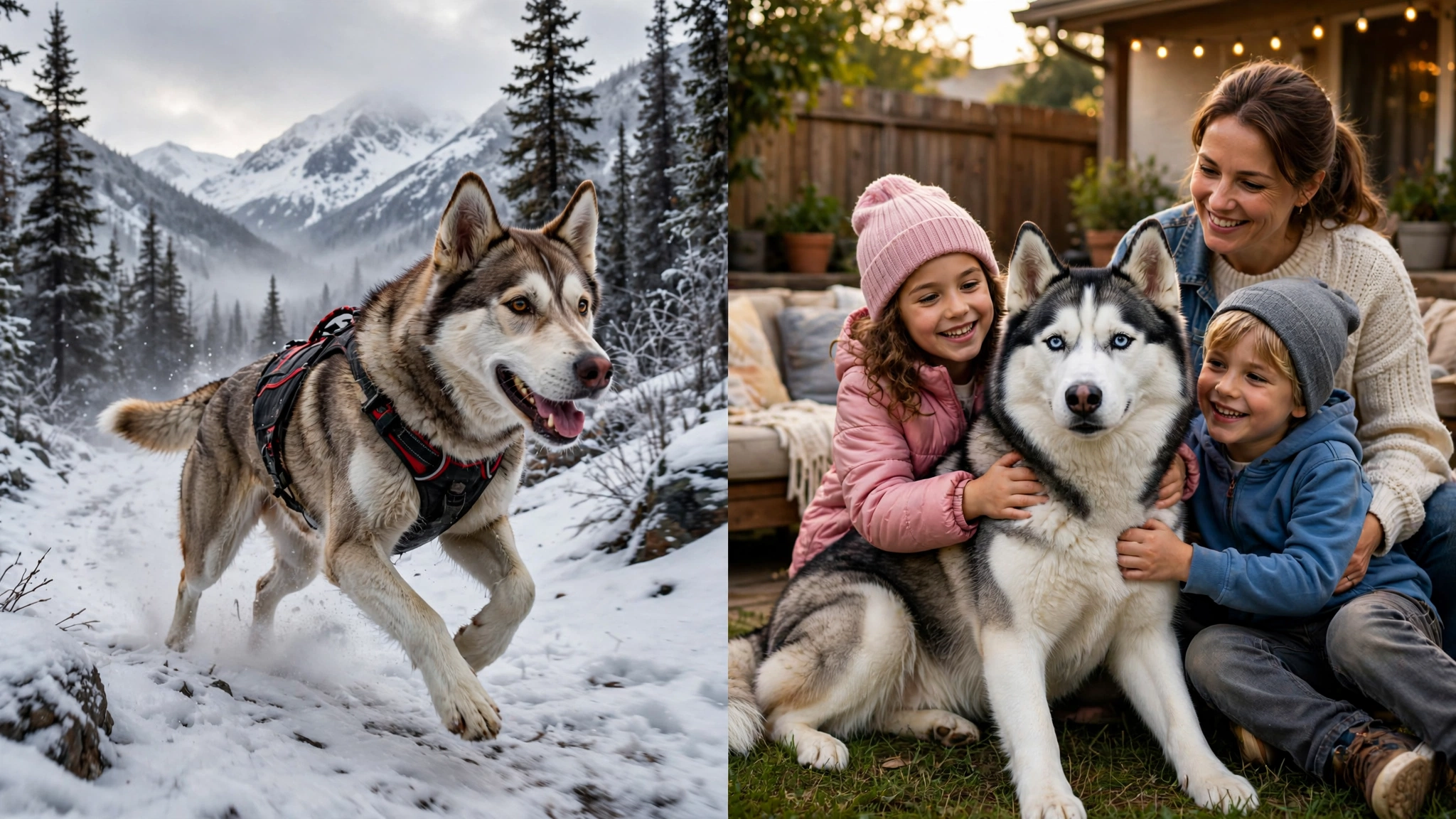
Choosing between an Alaskan Husky and a Siberian Husky ultimately depends on your lifestyle, experience, and activity level. While both breeds are intelligent, energetic, and affectionate, they were developed for different purposes and have unique characteristics that suit different types of owners.
Before purchasing a puppy, consider adopting through a reputable rescue organization or choosing a breeder who performs appropriate health testing and follows responsible breeding practices.
Choose an Alaskan Husky If…
An Alaskan Husky may be the better choice if you:
- Live an active outdoor lifestyle and enjoy running, hiking, or endurance sports.
- Want a hardworking dog with exceptional stamina and athletic ability.
- Have experience owning high-energy working breeds.
- Can provide at least two hours of daily exercise and mental stimulation.
- Are more interested in performance and working ability than breed standards or appearance.
Because Alaskan Huskies are bred for endurance and speed, they thrive in homes where they have a purpose and plenty of opportunities to stay physically active.
Choose a Siberian Husky If…
A Siberian Husky could be the better fit if you:
- Want a friendly, outgoing, and social family companion.
- Appreciate the predictable appearance of a recognized purebred.
- Enjoy an active lifestyle but don’t necessarily participate in demanding working activities.
- Have children or other dogs and are looking for a breed that generally socializes well.
- Are prepared to provide regular exercise, training, and grooming.
Siberian Huskies combine their striking appearance with an affectionate personality, making them one of the world’s most popular northern dog breeds.
Things to Consider Before Bringing a Husky Home
Regardless of which breed you choose, every husky owner should be prepared for:
- High daily exercise requirements.
- Heavy seasonal shedding.
- Consistent training and early socialization.
- A strong prey drive that may require secure fencing and supervised outdoor activities.
- Regular mental stimulation to prevent boredom and destructive behavior.
- A long-term commitment of 10 to 15 years or more.
Final Verdict
Both the Alaskan Husky and the Siberian Husky are remarkable dogs, but neither is the “better” breed for everyone.
If your priority is athletic performance, endurance, and outdoor adventure, the Alaskan Husky is an excellent choice.
If you’re looking for a beautiful, friendly, and affectionate companion with a predictable appearance and temperament, the Siberian Husky may be the better fit.
The best husky is the one whose energy level, personality, and care requirements align with your lifestyle and the time you can dedicate to meeting its needs.
Frequently Asked Questions
The main difference is that the Alaskan Husky is a mixed-breed working dog developed for sled racing and endurance, while the Siberian Husky is a purebred recognized by major kennel clubs. Alaskan Huskies are bred for performance, whereas Siberian Huskies have a standardized appearance and are commonly kept as family companions.
In most cases, the Alaskan Husky is slightly taller and heavier than the Siberian Husky. However, because Alaskan Huskies are not a standardized breed, their size can vary depending on their bloodline.
No. The Alaskan Husky is not recognized by the American Kennel Club (AKC) because it is considered a working type rather than an officially recognized breed. The Siberian Husky is fully recognized by the AKC.
Both breeds are intelligent but can be independent. Alaskan Huskies are often more responsive to work-related training, while Siberian Huskies require consistent, positive reinforcement and early socialization.
Both breeds are heavy seasonal shedders with thick double coats. Regular brushing throughout the year and daily brushing during shedding seasons help manage loose fur.
Yes, although it is less common. Most Alaskan Huskies have brown eyes, while Siberian Huskies are well known for blue eyes, brown eyes, amber eyes, or even one eye of each color.
Siberian Huskies are generally considered better family companions because of their friendly, social, and affectionate nature. Alaskan Huskies are better suited to highly active owners who can meet their demanding exercise needs.
The purchase price of both breeds is similar and depends on factors such as breeder reputation, pedigree, and location. Long-term ownership costs are also comparable, including food, veterinary care, grooming, and training.
Conclusion
Choosing between an Alaskan Husky and a Siberian Husky comes down to your lifestyle, activity level, and expectations as a dog owner. While both breeds share a rich history as hardworking sled dogs and have many physical similarities, they were developed for different purposes and offer unique strengths.
The Alaskan Husky is an exceptional working dog bred for speed, endurance, and performance. It thrives in highly active households where it can participate in outdoor adventures, running, hiking, or other physically demanding activities. Because it is bred for ability rather than appearance, each Alaskan Husky can look slightly different while maintaining outstanding athleticism.
The Siberian Husky, on the other hand, is a recognized purebred celebrated for its striking appearance, friendly personality, and balanced temperament. Its predictable size, beautiful coat, and affectionate nature make it a popular choice for families and active individuals looking for both a loyal companion and an energetic pet.
Before bringing either breed home, consider the time, commitment, and daily exercise they require. Both dogs need regular training, mental stimulation, proper nutrition, and plenty of companionship to remain happy and healthy throughout their lives.
If you’re looking for a high-performance working dog, the Alaskan Husky may be the ideal choice. If you prefer a beautiful, sociable, and family-friendly companion with a well-established breed standard, the Siberian Husky is likely the better fit.
If you enjoy learning about intelligent working dogs, you might also like our article on German Shepherd facts, which explores the traits, history, and working abilities of one of the world’s most respected dog breeds.
No matter which breed you choose, responsible ownership, early training, and consistent care will help your husky become a loyal companion for many years. If you enjoyed this comparison, be sure to explore our other dog breed guides and pet care articles to help you make informed decisions and give your furry friend the best possible life.



love
love
I love this