
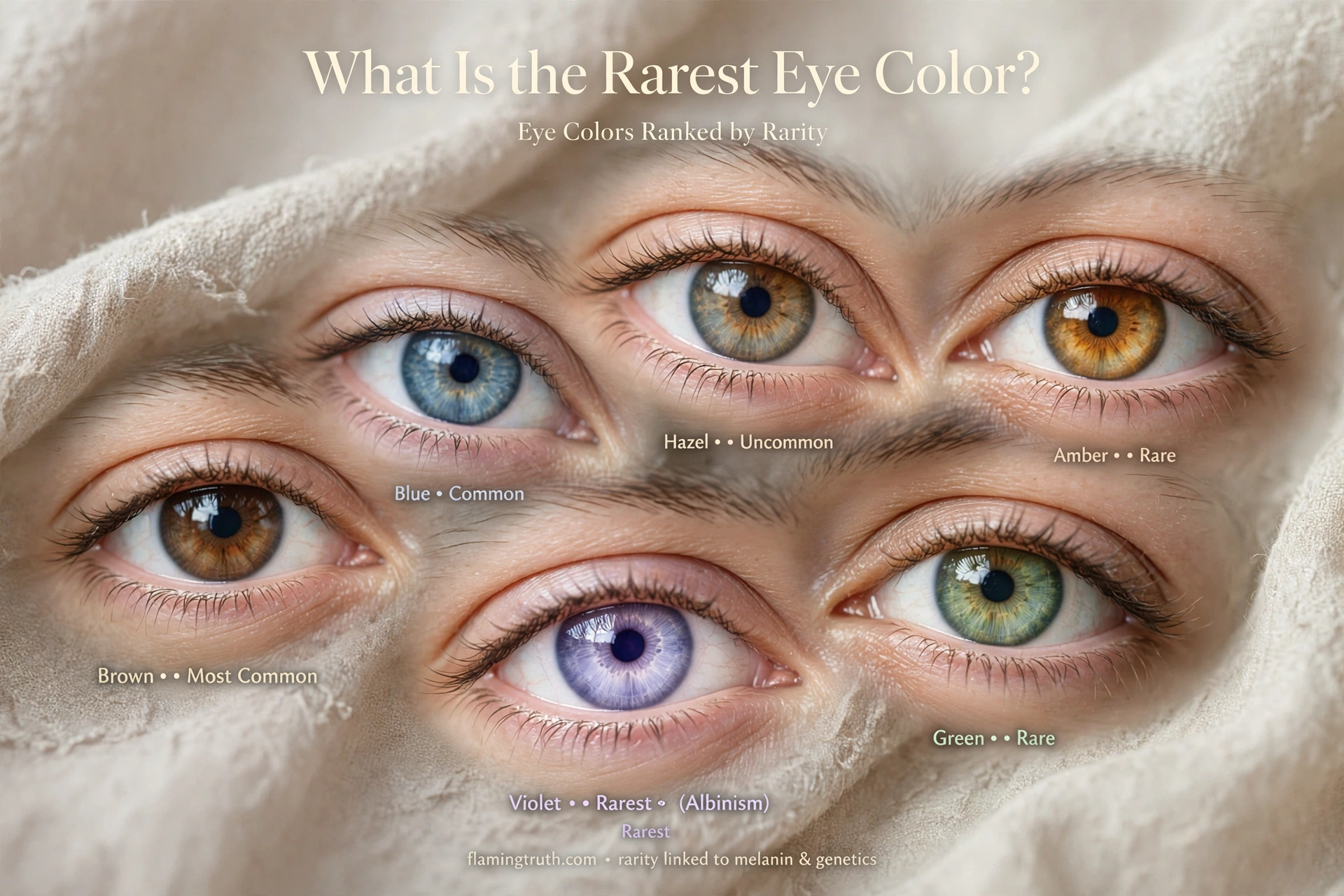

What is the rarest eye color? While green eyes are widely considered the rarest naturally occurring eye color, the answer isn’t always straightforward. Eye color depends on genetics, melanin levels, and how eye colors are classified, which is why experts sometimes debate which color is truly the rarest. In this guide, we’ll rank eye colors by rarity, explain the science behind eye color, and explore what makes some eye colors far less common than others.
At first glance, the answer may seem simple. After all, eye colors such as brown, blue, green, and hazel are easy to recognize. However, determining the rarest eye color isn’t always straightforward. Some eye colors are uncommon worldwide but may be more common in certain regions or ethnic groups. Genetics, melanin levels, and inherited traits all influence eye color, which is why siblings can have different eye colors even though they share the same parents.
Although eye color is inherited, it isn’t determined by a single gene. Instead, multiple genes work together to influence the amount and distribution of melanin in the iris, creating the wide variety of eye colors seen around the world. Understanding how these genetic factors work makes it easier to explain why some eye colors are common while others are exceptionally rare.
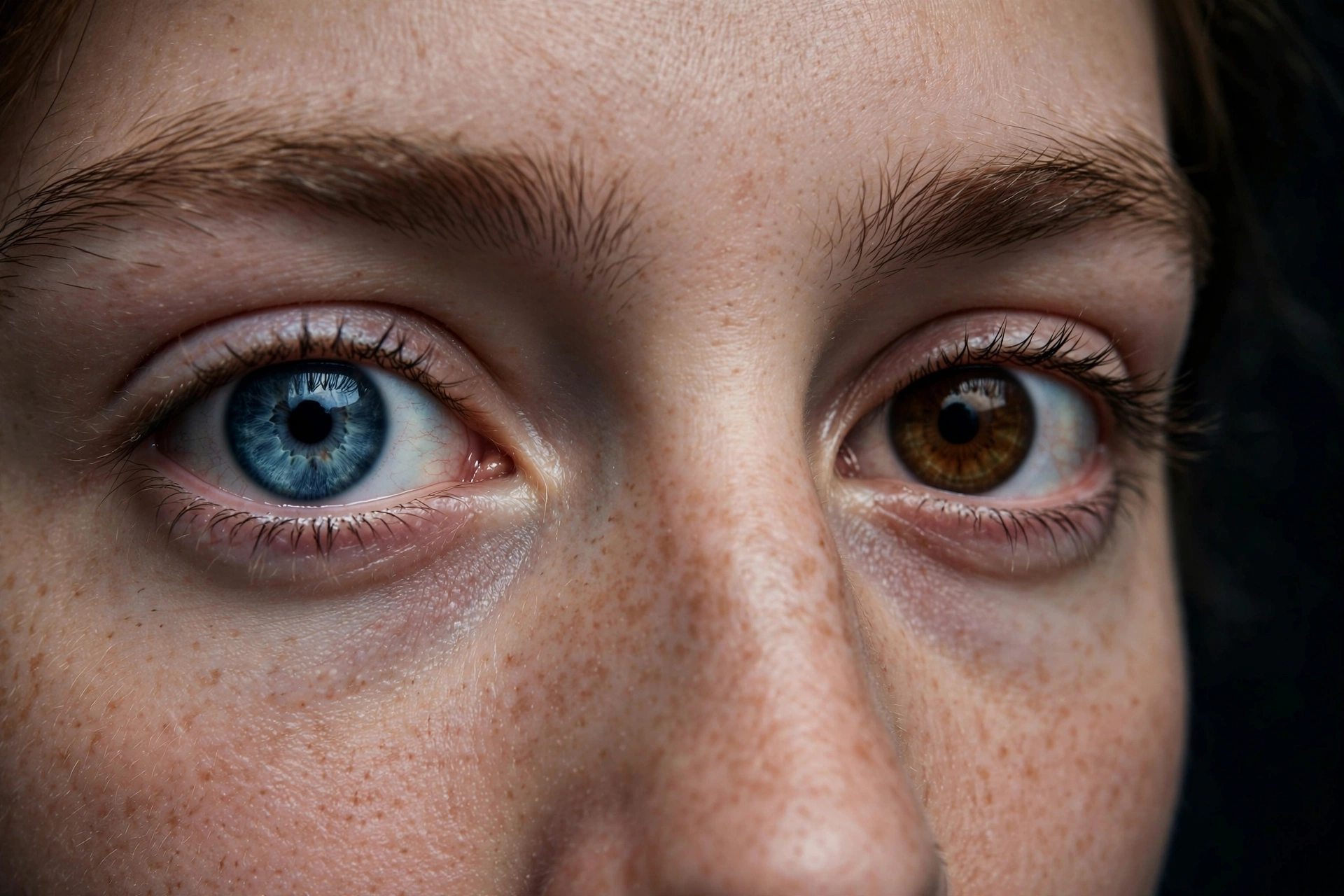
Eyes are often called the windows to the soul because they play a powerful role in expressing emotion, personality, and individuality. Beyond their beauty, eye color is also a fascinating genetic trait that varies widely across the world, with some colors being far rarer than others.
Green is generally considered the rarest natural eye color worldwide, while conditions such as heterochromia are even rarer but are classified as eye conditions rather than natural eye colors.
What Determines Eye Color?
Eye color is primarily determined by genetics and the amount of melanin in the iris, the colored part of the eye. Melanin is the same natural pigment responsible for the color of your skin and hair. In general, the more melanin your iris contains, the darker your eye color will be. However, genetics is far more complex than a single gene, which is why parents with brown eyes can have a child with blue or green eyes, and siblings often have different eye colors.
Learn more about how the iris and eye anatomy influence eye color from the American Academy of Ophthalmology.
The Role of Melanin in Eye Color
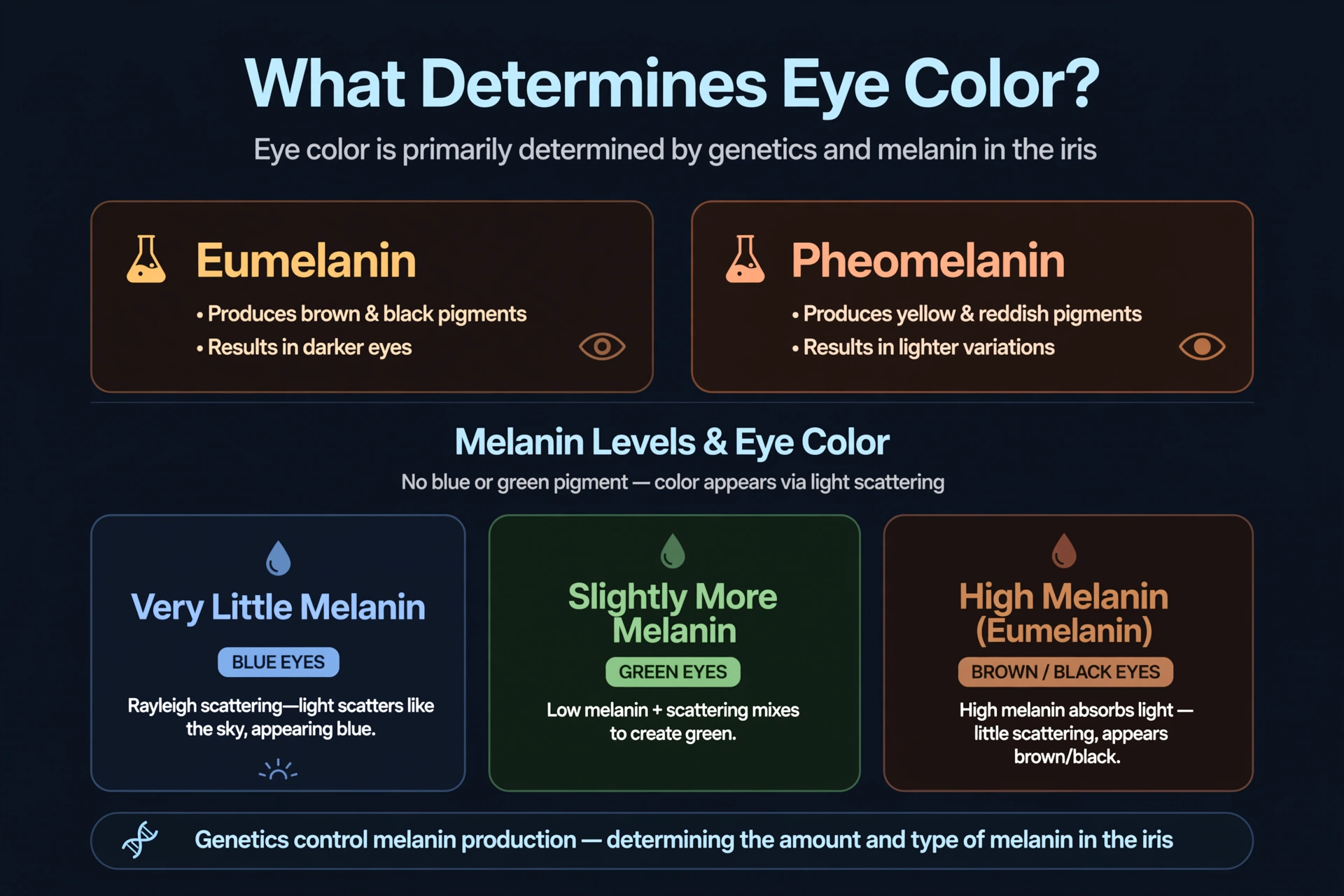
Melanin is the natural pigment responsible for the color of your eyes, skin, and hair. The amount and type of melanin present in the iris determine how light or dark your eyes appear. In general, people with more melanin have darker eye colors, such as brown, while those with less melanin are more likely to have lighter eye colors, including blue, green, or gray. Eye color is inherited through multiple genes, which is why siblings can have different eye colors even when they share the same parents.
Two Main Types of Melanin
Eumelanin produces brown and black pigments and is responsible for darker eye colors.
Pheomelanin produces yellow and reddish pigments, which contribute to lighter eye color variations when combined with other genetic factors.
The National Eye Institute provides additional information about inherited eye traits and the role genetics play in determining eye color and overall eye health: https://www.nei.nih.gov/
Why Are Blue and Green Eyes Blue and Green?
Unlike brown eyes, blue and green eyes do not contain blue or green pigments. Instead, these eye colors are created by the way light interacts with the iris. When light enters the eye, it is scattered by the layers of the iris, producing the appearance of blue or green depending on the amount of melanin and the structure of the iris.
This phenomenon, known as Rayleigh scattering, is the same reason the sky appears blue. People with blue eyes have very little melanin in the front layer of the iris, while green eyes contain slightly more melanin combined with a unique distribution of pigment, giving them their distinctive color. Lighting conditions can also make blue and green eyes appear brighter or darker throughout the day.
| Eye Color | Estimated Global Population | Rarity |
|---|---|---|
| Brown | 70–80% | Very Common |
| Blue | 8–10% | Common |
| Hazel | 5% | Uncommon |
| Amber | <5% | Rare |
| Gray | ~3% | Very Rare |
| Green | ~2% | Extremely Rare |
| Red / Violet* | <1% | Extremely Rare |
| Heterochromia | <1% | Eye Condition |
*Note: Red and violet eyes are extremely rare and are typically associated with albinism rather than naturally occurring eye colors.
Eye Colors Ranked by Rarity
Now that you know how eye color is determined, let’s look at how different eye colors compare in terms of rarity. The percentages below are approximate and may vary slightly by population and geographic region, but they provide a good overview of how common each eye color is around the world.
Green Eyes – The Rarest Natural Eye Color
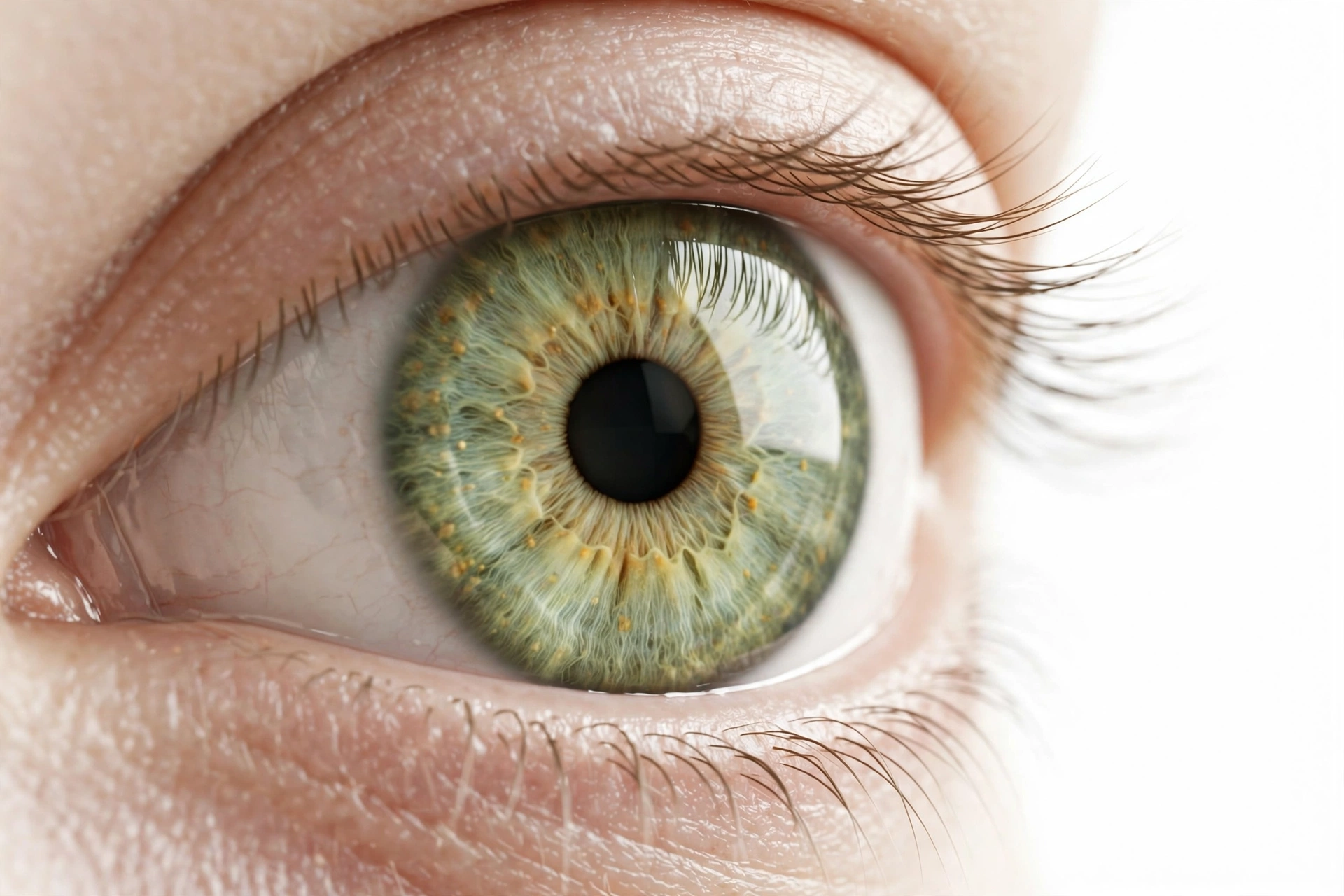
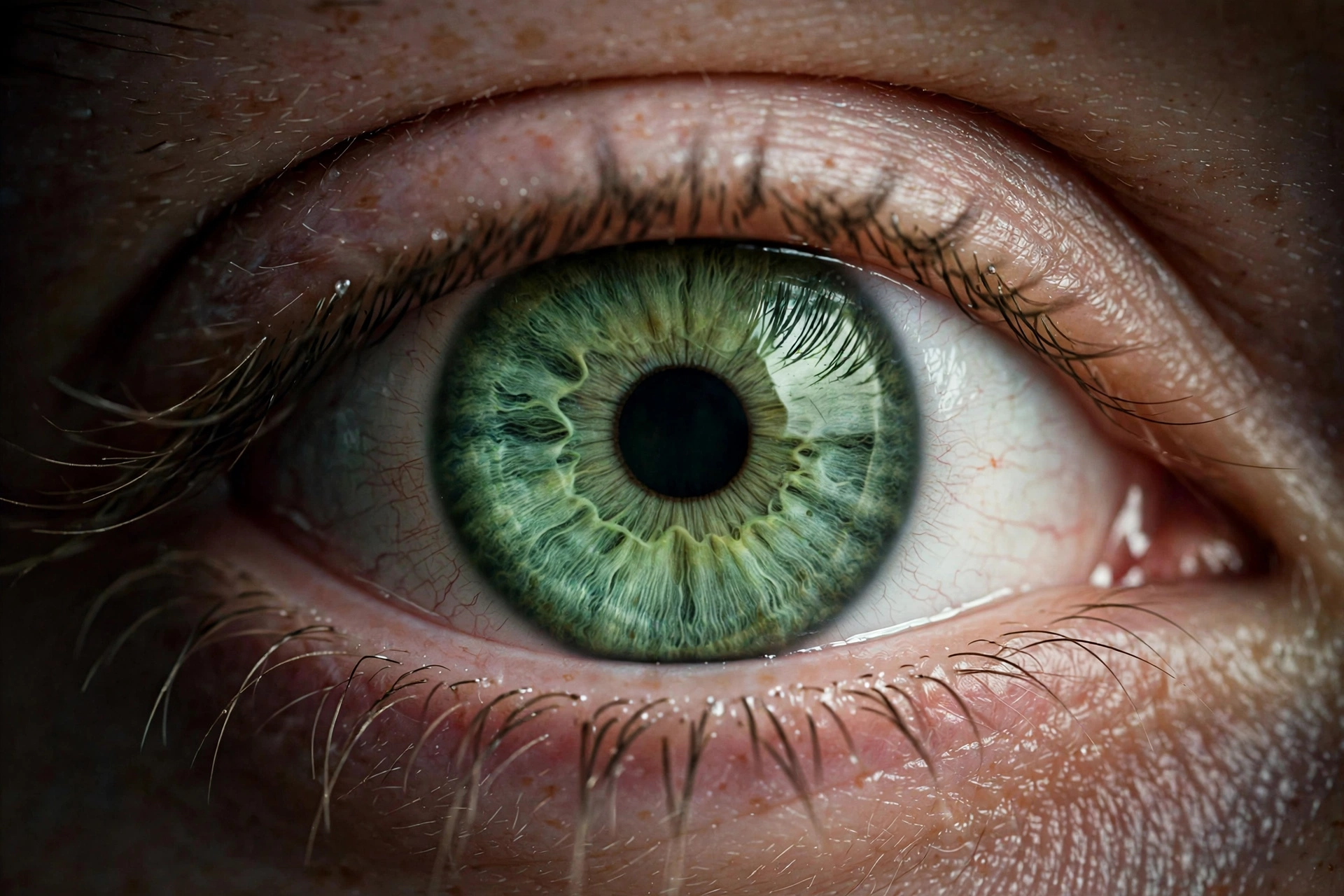
Green eyes are widely considered the rarest naturally occurring eye color, found in only about 2% of the world’s population. Their distinctive appearance is created by a combination of low melanin levels, the way light scatters within the iris, and genetic factors rather than the presence of green pigment. Green eyes are most commonly found in people of Northern and Central European ancestry, although they can occur in individuals from many different regions.
Green eyes are often confused with hazel eyes, but the two are different. Green eyes typically have a consistent green appearance, while hazel eyes contain a blend of green, brown, and gold shades that may appear to change depending on lighting conditions.
Gray Eyes
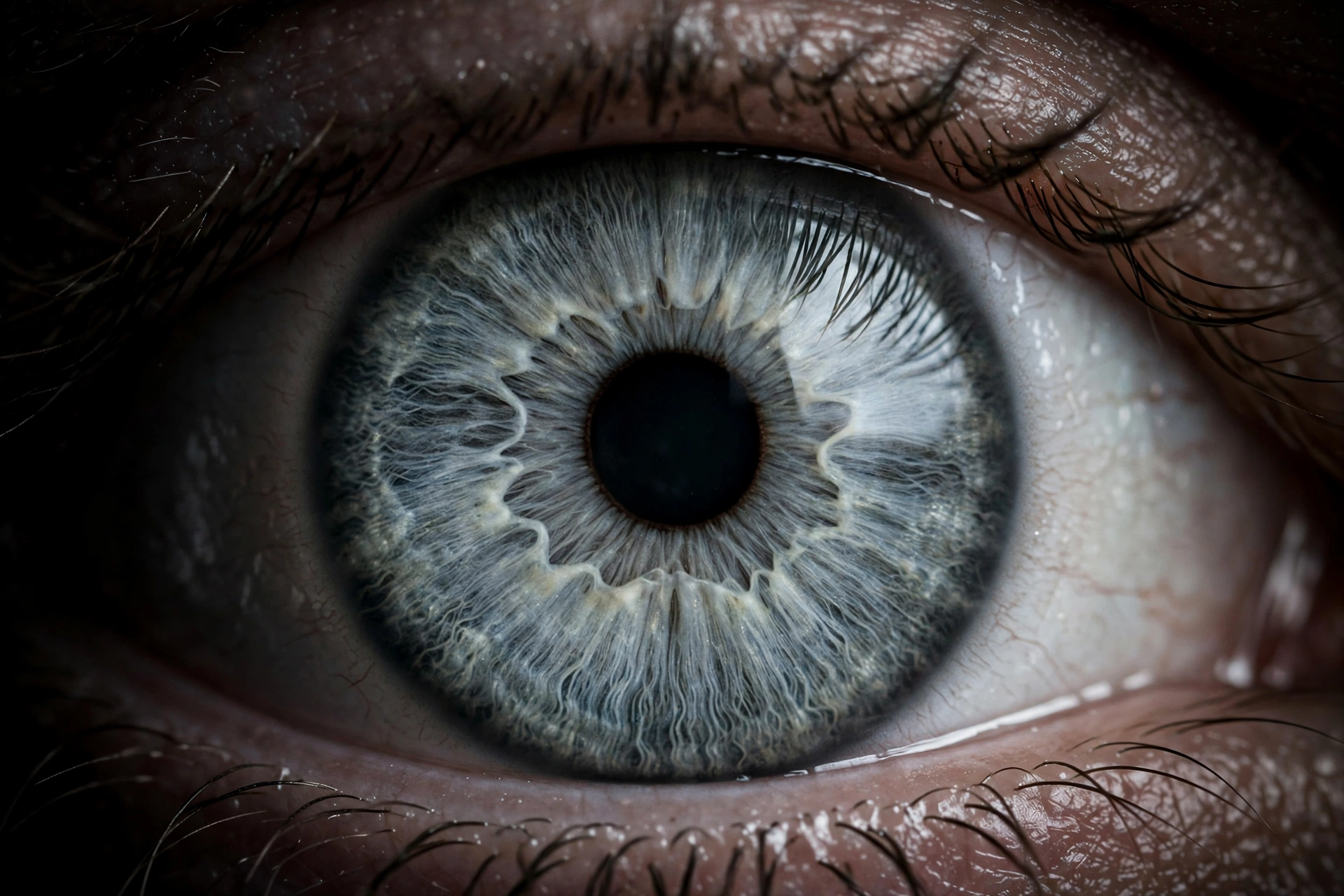
Gray eyes are among the rarest natural eye colors and are estimated to occur in about 3% of the global population. They are often considered a variation of blue eyes but appear gray because of differences in the amount of collagen in the iris and the way light is scattered. Depending on lighting and clothing, gray eyes may appear silver, blue-gray, or even greenish-gray.
Although gray eyes are uncommon worldwide, they are seen more frequently in parts of Northern and Eastern Europe. Their unique appearance makes them one of the most striking and recognizable eye colors.
Amber Eyes
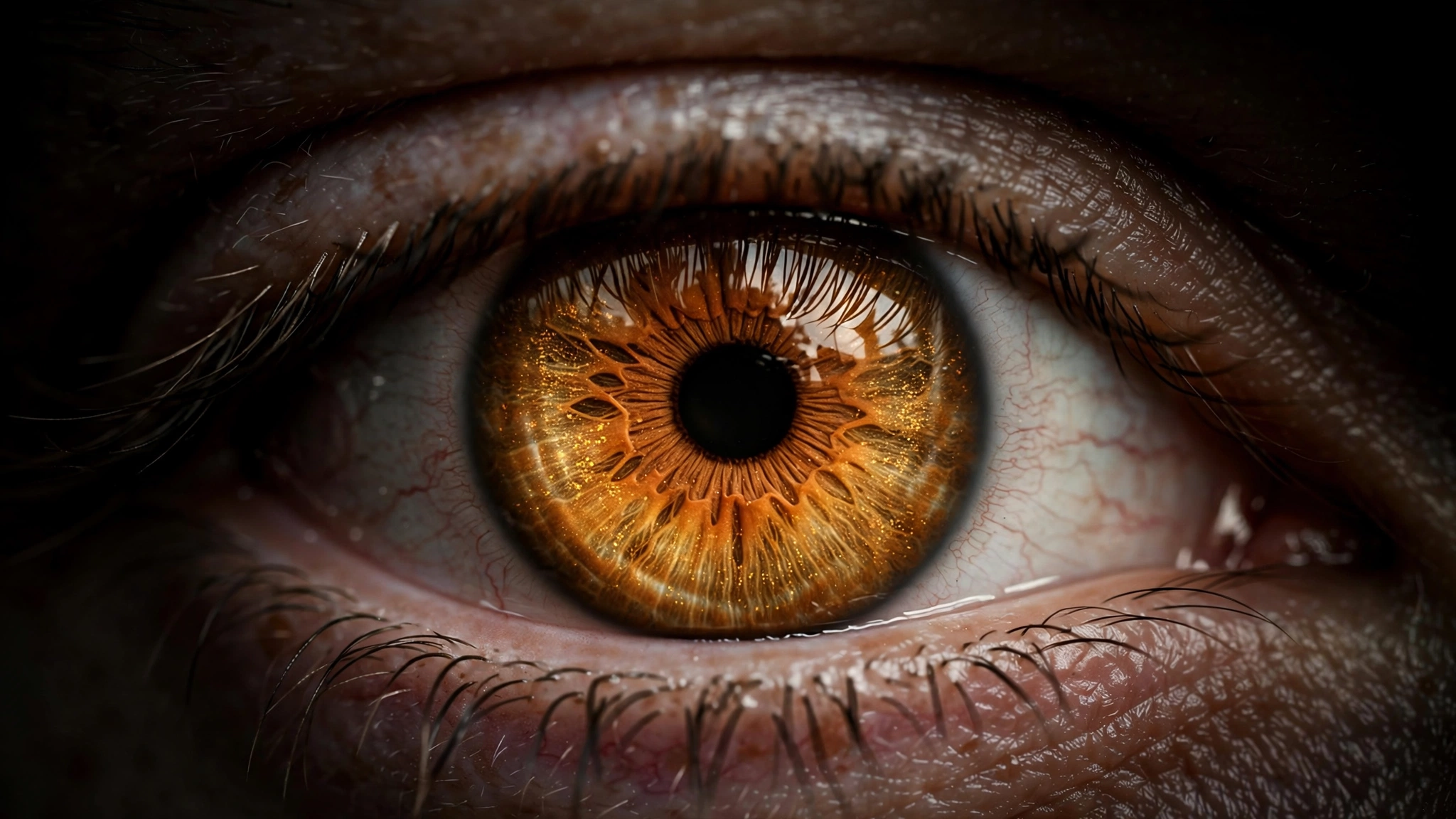
Amber eyes are one of the rarest natural eye colors, affecting fewer than 5% of people worldwide. Unlike hazel eyes, amber eyes have a solid golden, copper, or honey-colored appearance without noticeable green or brown tones. This distinctive color is believed to result from a higher concentration of the pigment lipochrome in the iris.
Amber eyes are more commonly found in certain populations in Asia, South America, and parts of Eastern Europe, although they remain rare globally.
Hazel Eyes
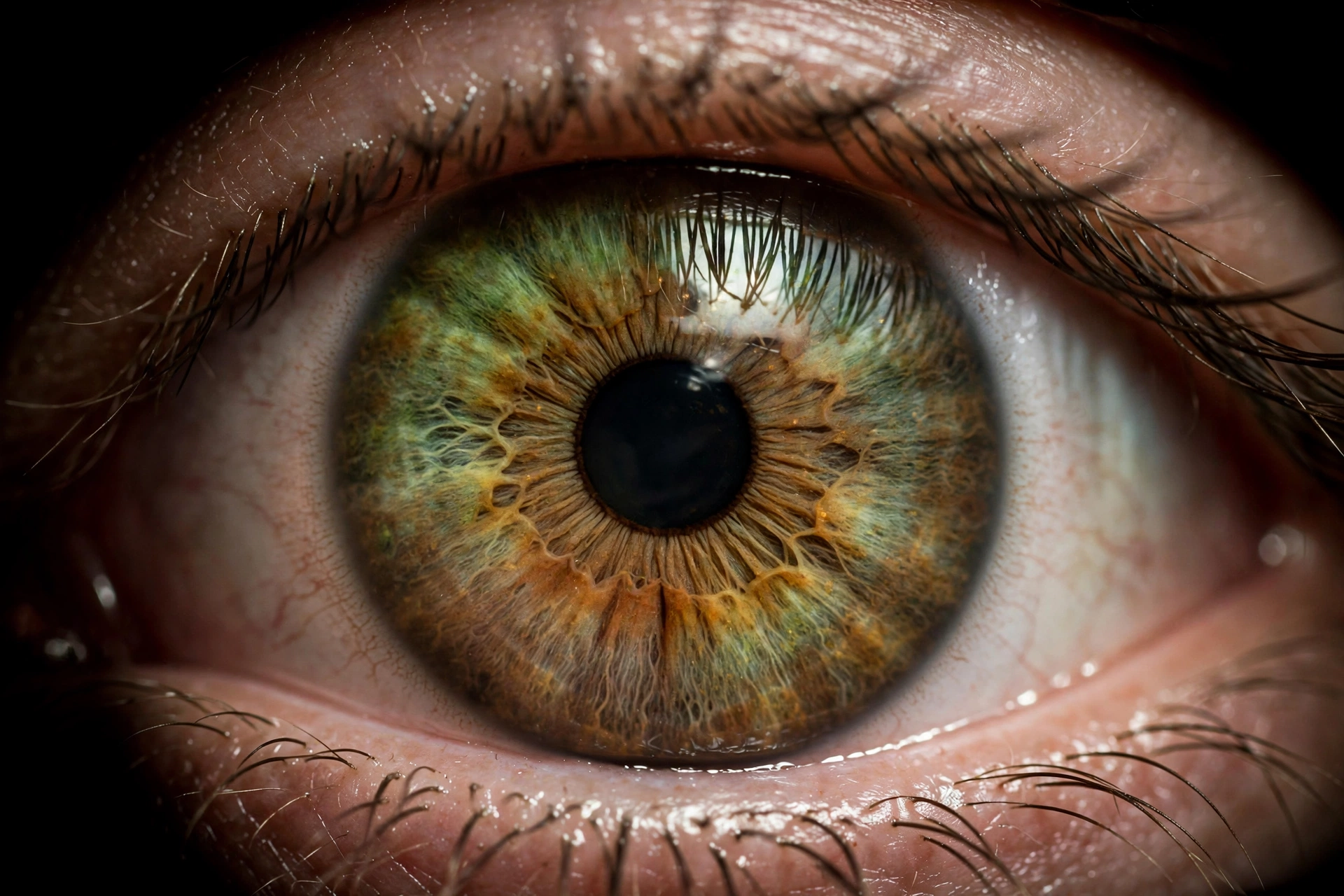
Hazel eyes are often mistaken for green eyes because they contain a blend of green, brown, and gold pigments. Unlike green eyes, which usually have a consistent color, hazel eyes can appear to change depending on lighting, clothing, and the surrounding environment. They are estimated to occur in around 5% of the world’s population.
The unique appearance of hazel eyes is caused by a moderate amount of melanin combined with the way light reflects within the iris. Hazel eyes are most commonly found in people of European, Middle Eastern, North African, and Latin American ancestry.
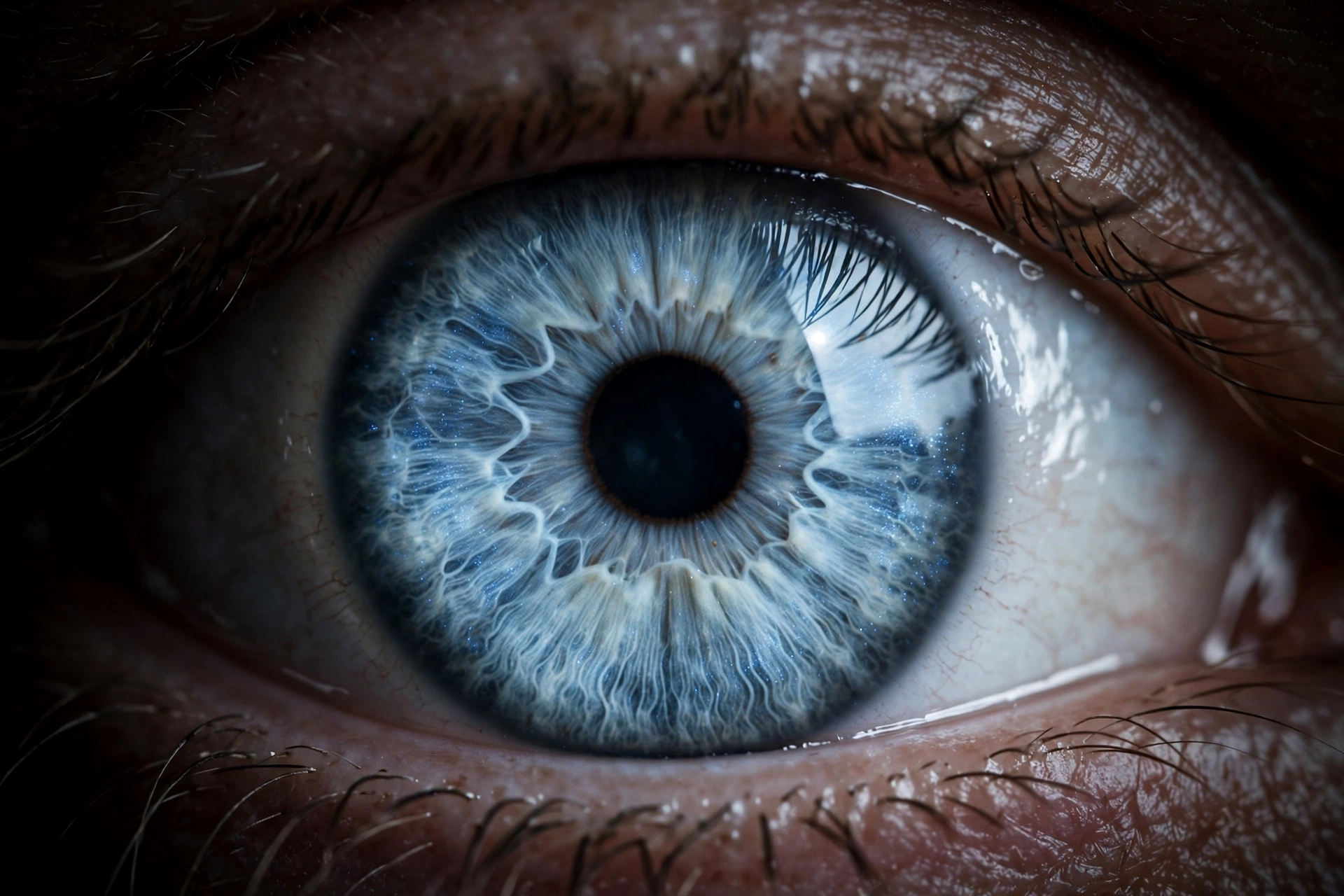
Blue Eyes
Blue eyes are among the most recognizable eye colors and are found in approximately 8–10% of the global population. Despite their appearance, blue eyes do not contain blue pigment. Instead, they result from low levels of melanin in the iris and the scattering of light, a phenomenon known as Rayleigh scattering.
Blue eyes are most common in Northern and Eastern Europe, particularly in countries around the Baltic Sea. Scientific research also suggests that most people with naturally blue eyes share a common genetic ancestor from thousands of years ago.
Brown Eyes
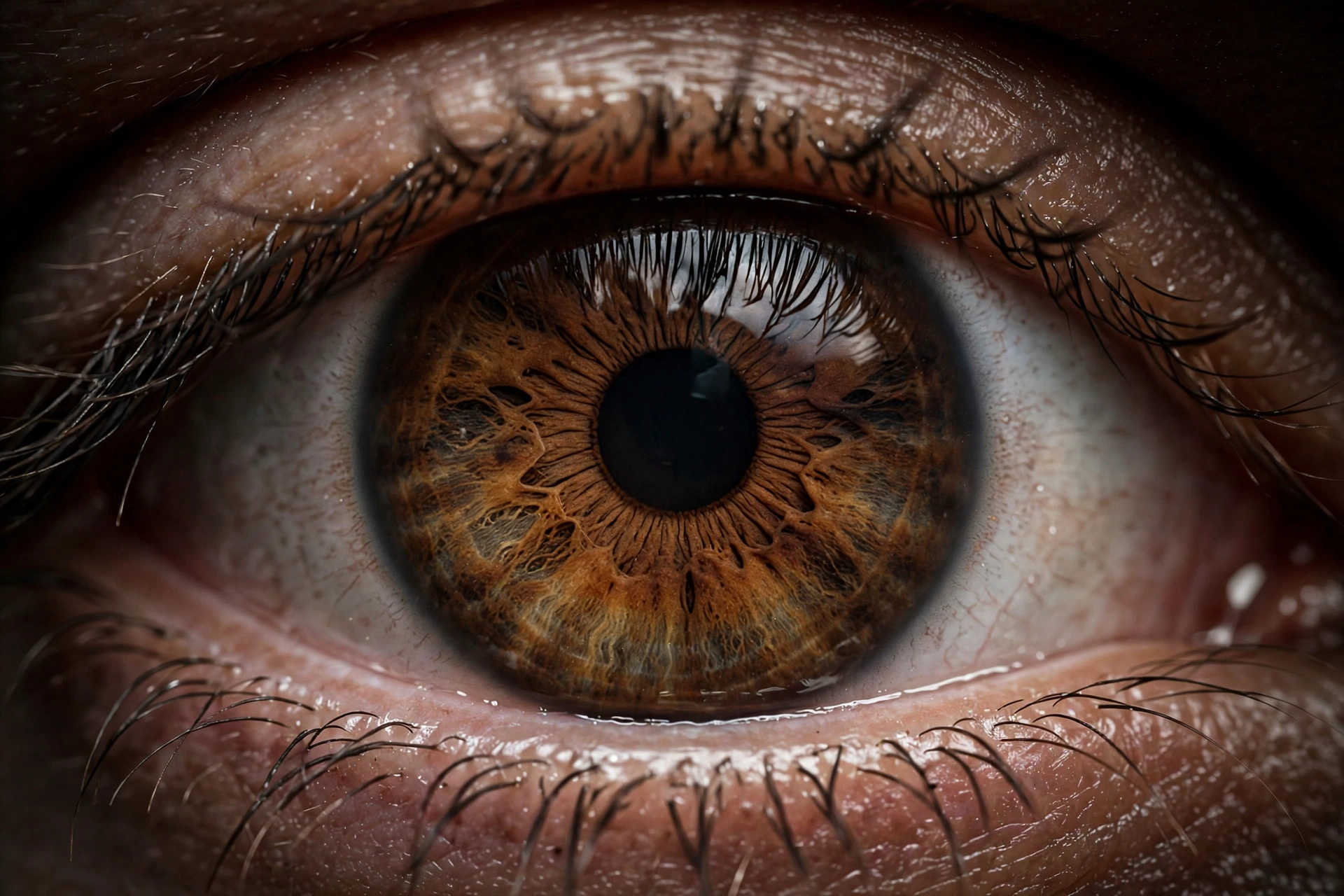
Brown is the most common eye color in the world, accounting for an estimated 70–80% of the global population. The rich brown color is produced by high levels of eumelanin in the iris, making brown eyes dominant from a genetic perspective.
Brown eyes are found across every continent and provide greater natural protection against sunlight because of their higher melanin content. Although brown eyes are the most common worldwide, their shades can vary from light honey brown to very dark brown, giving each person a unique appearance.
Red and Violet Eyes
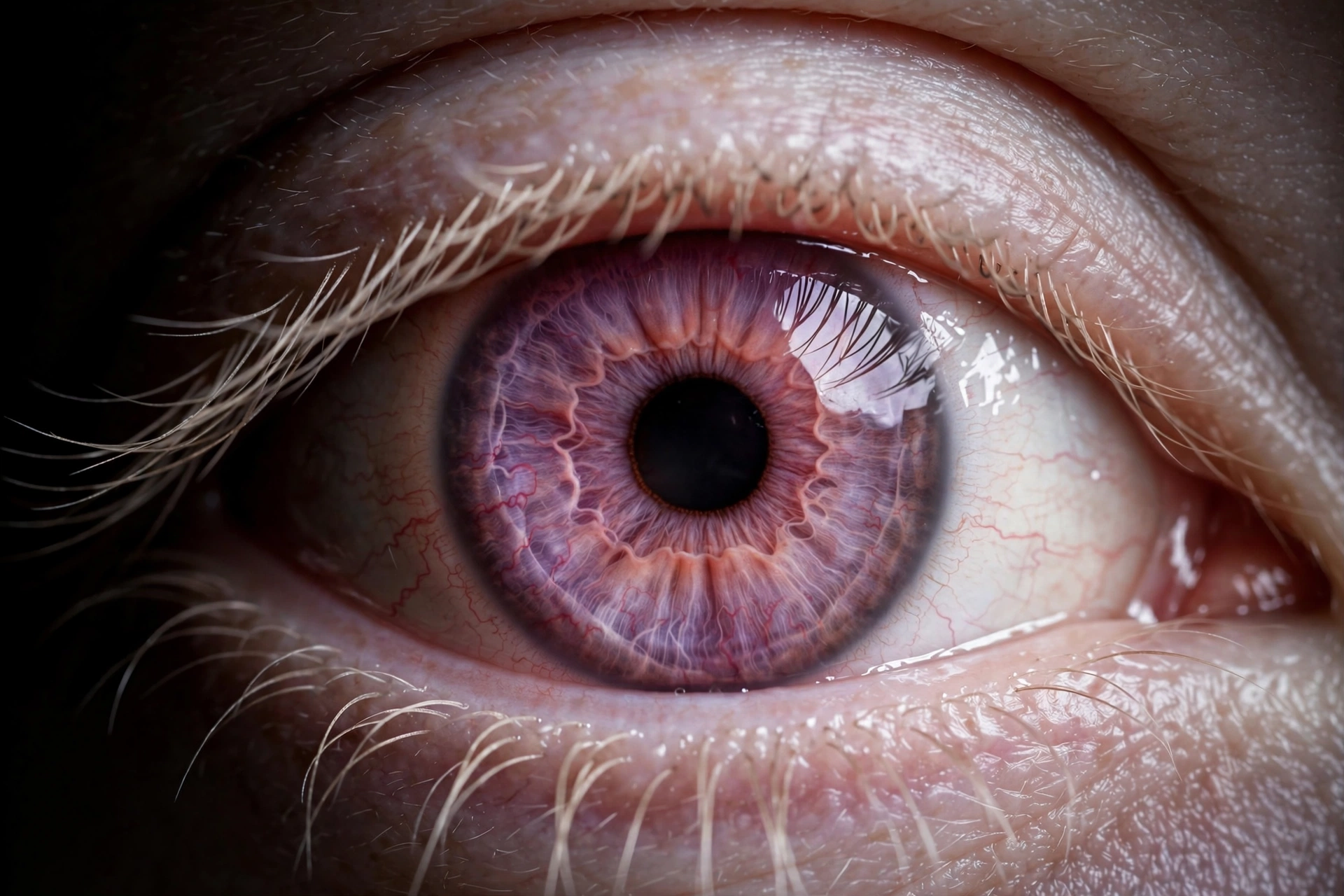
Red and violet eyes are exceptionally rare and are usually associated with albinism, a genetic condition that reduces or eliminates melanin production. In these cases, the lack of pigment allows blood vessels within the eye to become more visible, creating a reddish or pink appearance. Under certain lighting conditions, some eyes may even appear violet.
Naturally occurring red or violet eyes without an underlying medical condition are extremely uncommon. These eye colors should generally be considered the result of specific genetic conditions rather than naturally inherited eye colors.
Heterochromia (Different-Colored Eyes)
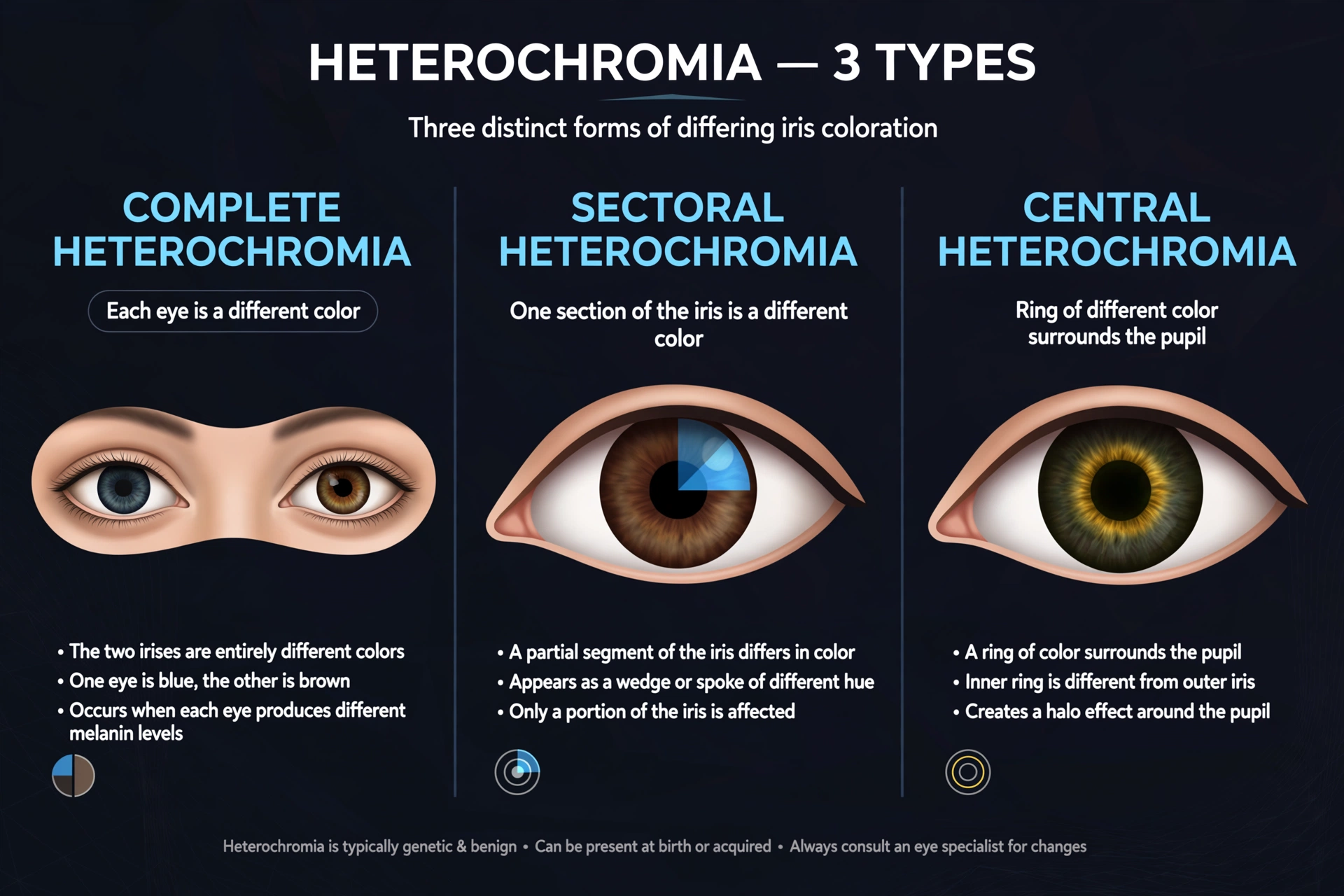
Three Main Types of Heterochromia
Complete heterochromia: Each eye is a different color.
Sectoral heterochromia: One section of the iris is a different color from the rest.
Central heterochromia: A ring of a different color surrounds the pupil.
Heterochromia is usually inherited, although it can also develop later in life because of injury, disease, or certain medications. Most people with inherited heterochromia have normal vision and healthy eyes.
If you’d like to learn more about inherited genetic conditions such as albinism and other traits that can affect eye color, visit MedlinePlus Genetics: https://medlineplus.gov/genetics/
Are Red Eyes the Rarest Eye Color?
Is red eye color real?
Many people wonder whether naturally red eyes actually exist. The answer is yes, but they are extraordinarily rare. Natural red eyes are almost exclusively seen in people with certain forms of albinism. Because the iris contains little or no melanin pigment, blood vessels inside the eye become more visible, giving the eyes a pink or reddish appearance under certain lighting conditions.
How rare are red eyes?
Red eyes are considered among the rarest natural eye appearances in humans.
Unlike brown, blue, green, or hazel eyes, red eyes are not caused by normal genetic eye-color variation. Instead, they usually occur because the iris lacks pigment due to albinism. Since albinism itself is uncommon, naturally red eyes are exceptionally rare worldwide.
Why do some people have red eyes?
A person may appear to have red eyes because:
- Albinism reduces melanin in the iris.
- Light passes through the nearly transparent iris.
- Blood vessels become visible.
- Certain lighting conditions make the eyes appear pink or red.
This is completely different from temporary red eyes caused by allergies, irritation, lack of sleep, or infections.
Are red eyes dangerous?
Having naturally red-looking eyes does not automatically mean someone has an eye disease.
However, people with albinism often experience:
- light sensitivity
- reduced vision
- involuntary eye movements (nystagmus)
- increased sensitivity to sunlight
These conditions affect vision rather than the eye color itself.
| Natural Red Eye Color | Bloodshot Eyes |
|---|---|
| Occurs naturally in extremely rare cases, usually due to albinism. | Occurs temporarily because of irritation, allergies, infection, dryness, fatigue, or lack of sleep. |
| Caused by a lack of melanin in the iris, allowing blood vessels to show through. | Caused by enlarged or broken blood vessels on the white part of the eye (sclera). |
| Extremely rare worldwide. | Very common and affects people of all ages. |
| Affects the appearance of the iris (colored part of the eye). | Affects only the white part of the eye. |
| Usually lifelong. | Usually temporary and resolves once the underlying cause is treated. |
| Often associated with vision conditions related to albinism. | Usually does not change eye color and rarely affects vision permanently. |
Conclusion
Although green eyes are widely recognized as the rarest naturally occurring eye color, eye color is influenced by a fascinating combination of genetics, melanin, and the way light interacts with the iris. Rare conditions such as heterochromia, albinism, and other genetic variations can create even more unusual eye appearances, but they are generally considered medical conditions rather than natural eye colors.
Whether your eyes are brown, blue, hazel, green, or another unique shade, each eye color has its own beauty and genetic story. Understanding how eye color develops helps explain why no two irises are exactly alike.



0 Comments