
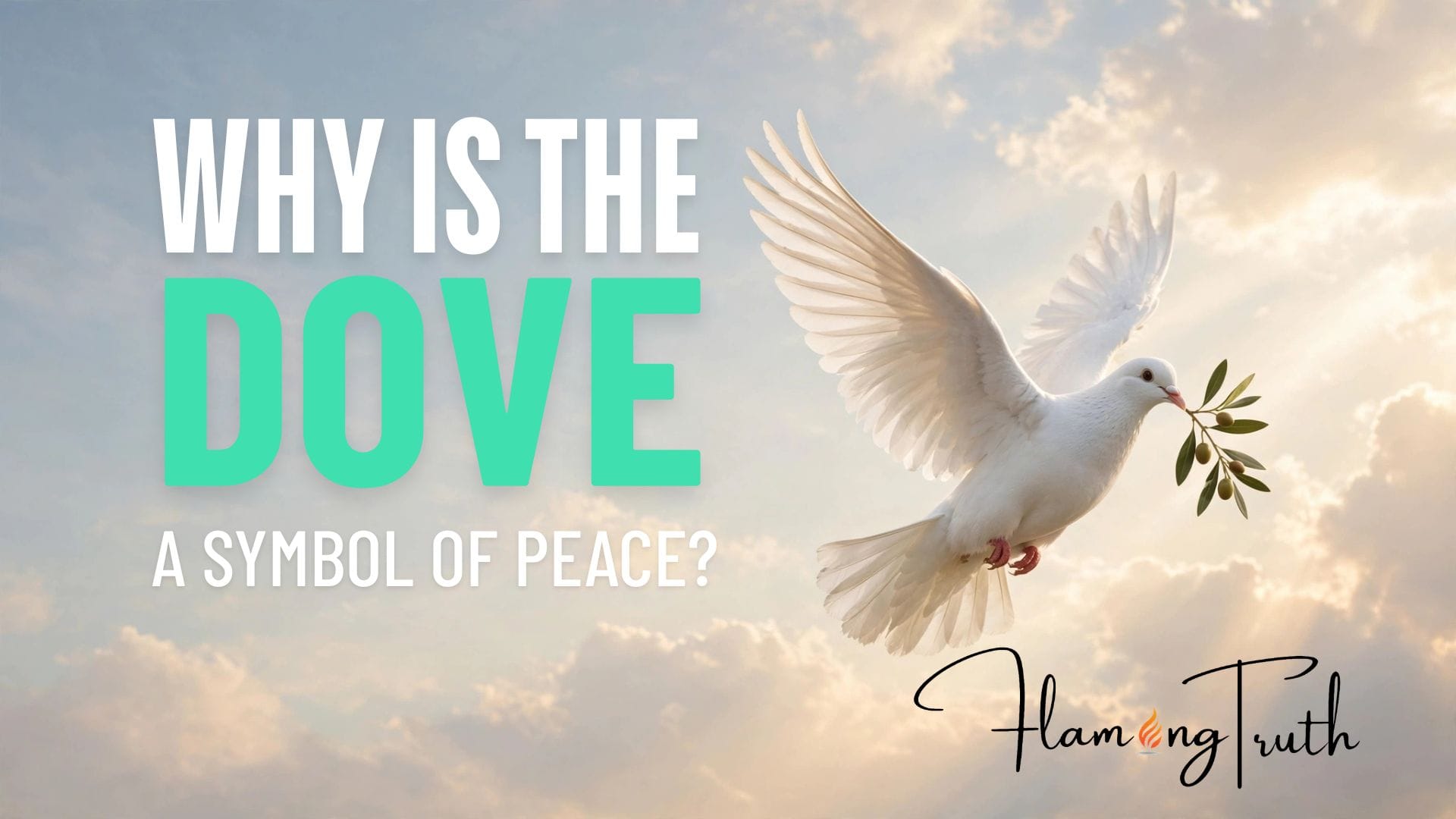

The dove is recognized around the world as a symbol of peace, hope, and love. Its association with peace dates back thousands of years, most famously to the biblical story of Noah’s Ark, where a dove returned carrying an olive branch to signal the end of the flood. Over time, the dove became a universal emblem of reconciliation, harmony, and new beginnings across many cultures and religions.
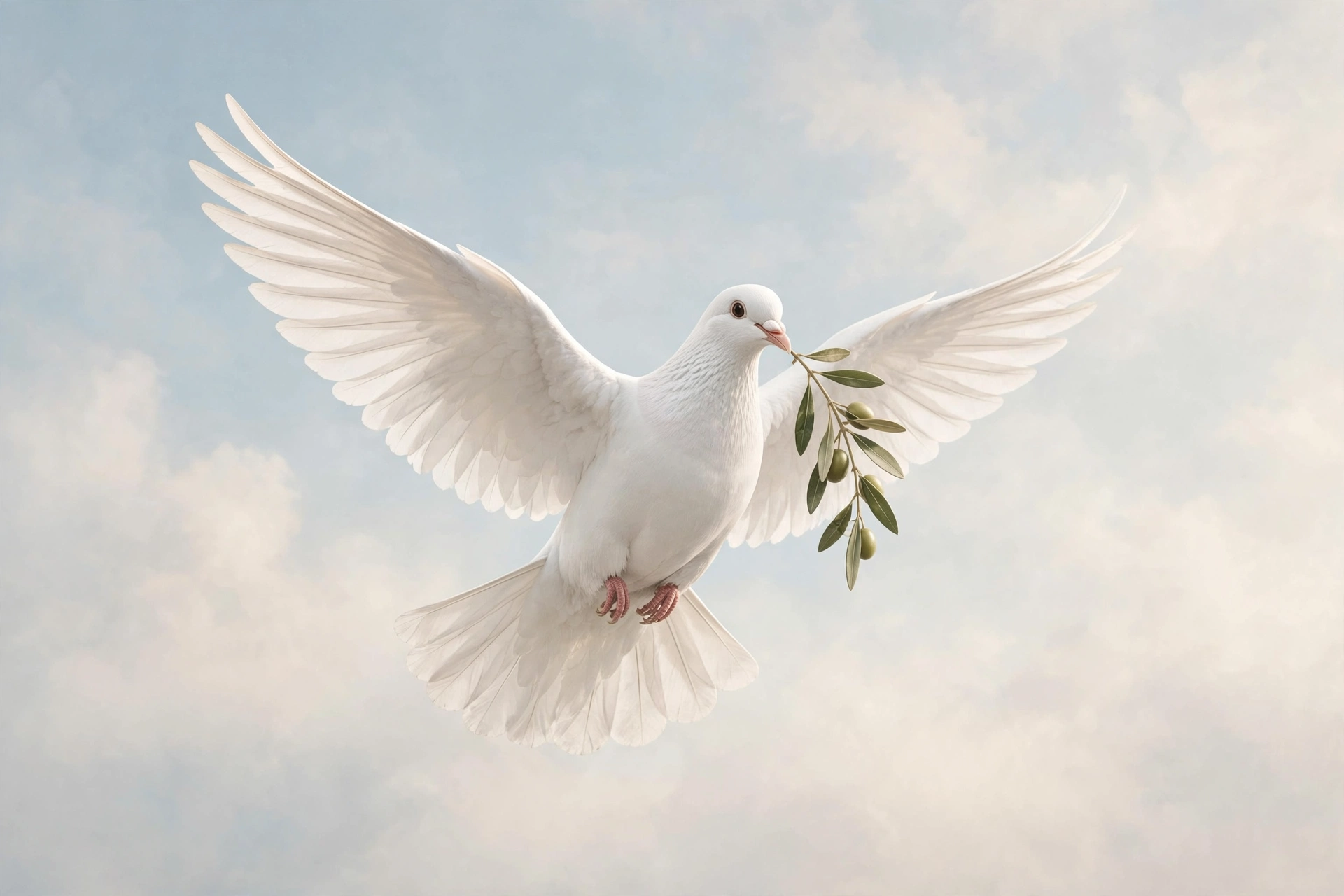
Why Is the Dove a Symbol of Peace?
Many people wonder why the dove is a symbol of peace and how this graceful bird became recognized around the world as a universal emblem of harmony. The answer lies in a combination of religious history, ancient traditions, and the dove’s naturally gentle behavior.
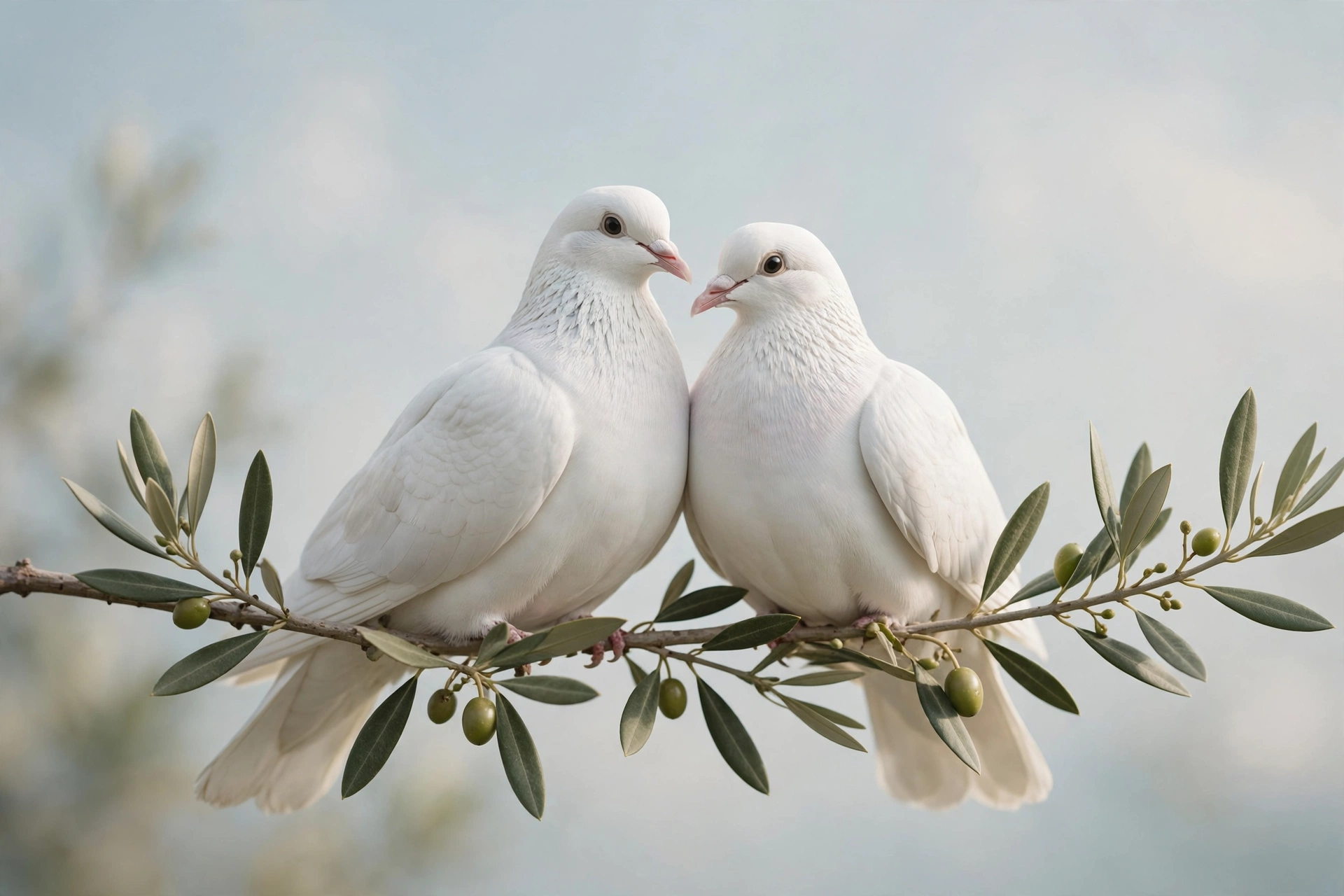
Unlike birds of prey, doves are known for their calm temperament, soft cooing calls, and non-aggressive nature. They rarely display violence and are often seen living peacefully in pairs or small groups. Because of these characteristics, people have long associated doves with love, innocence, hope, and reconciliation.
The dove’s reputation as a symbol of peace became even stronger through the biblical story of Noah’s Ark. After the great flood, Noah released a dove to search for dry land. When it returned carrying a freshly picked olive leaf, it signaled that the floodwaters had receded and that peace had been restored between God and humanity. This powerful image of a dove carrying an olive branch has remained one of the most enduring symbols of peace throughout history.
Over the centuries, the peace dove has appeared in religious texts, ancient myths, works of art, international peace movements, and cultural traditions around the world. Today, whether released during ceremonies or depicted in artwork, the dove continues to represent peace, hope, forgiveness, and new beginnings.
The Biblical Origin of the Peace Dove
The most widely accepted explanation for why the dove symbolizes peace comes from the Bible, specifically the story of Noah’s Ark in the Book of Genesis. This story has shaped the meaning of the dove for thousands of years and remains the foundation of its symbolism in many cultures today.
According to the biblical account, God sent a great flood to cleanse the earth. Noah, his family, and pairs of every kind of animal survived aboard the ark while the floodwaters covered the land. After many days, Noah needed to know whether the waters had begun to recede, so he released a dove to search for dry ground.
The dove returned because it could not find a place to rest. Seven days later, Noah released the dove again. This time, it came back carrying a freshly plucked olive leaf in its beak. The olive leaf was a sign that trees were growing again, the floodwaters had receded, and life on earth was beginning anew.
When Noah released the dove a third time, it did not return. This showed that the earth was once again habitable and that the period of destruction had come to an end. The dove’s journey became a lasting symbol of hope, renewal, and reconciliation.
Because of this story, the dove with an olive branch became one of the world’s most recognizable symbols of peace. The olive branch represented the end of conflict and the restoration of harmony, while the dove represented the messenger that brought this hopeful news. Together, they came to symbolize forgiveness, new beginnings, and peaceful coexistence.
Today, this biblical image continues to appear in churches, artwork, literature, international peace campaigns, and humanitarian organizations. Even people who are unfamiliar with the story of Noah often recognize a white dove carrying an olive branch as a universal symbol of peace and hope.
According to the biblical account, God sent a great flood to cleanse the earth. Noah, his family, and pairs of every kind of animal survived aboard the ark while the floodwaters covered the land. After many days, Noah needed to know whether the waters had begun to recede, so he released a dove to search for dry ground.
The dove returned because it could not find a place to rest. Seven days later, Noah released the dove again. This time, it came back carrying a freshly plucked olive leaf in its beak. The olive leaf was a sign that trees were growing again, the floodwaters had receded, and life on earth was beginning anew.
When Noah released the dove a third time, it did not return. This showed that the earth was once again habitable and that the period of destruction had come to an end. The dove’s journey became a lasting symbol of hope, renewal, and reconciliation.

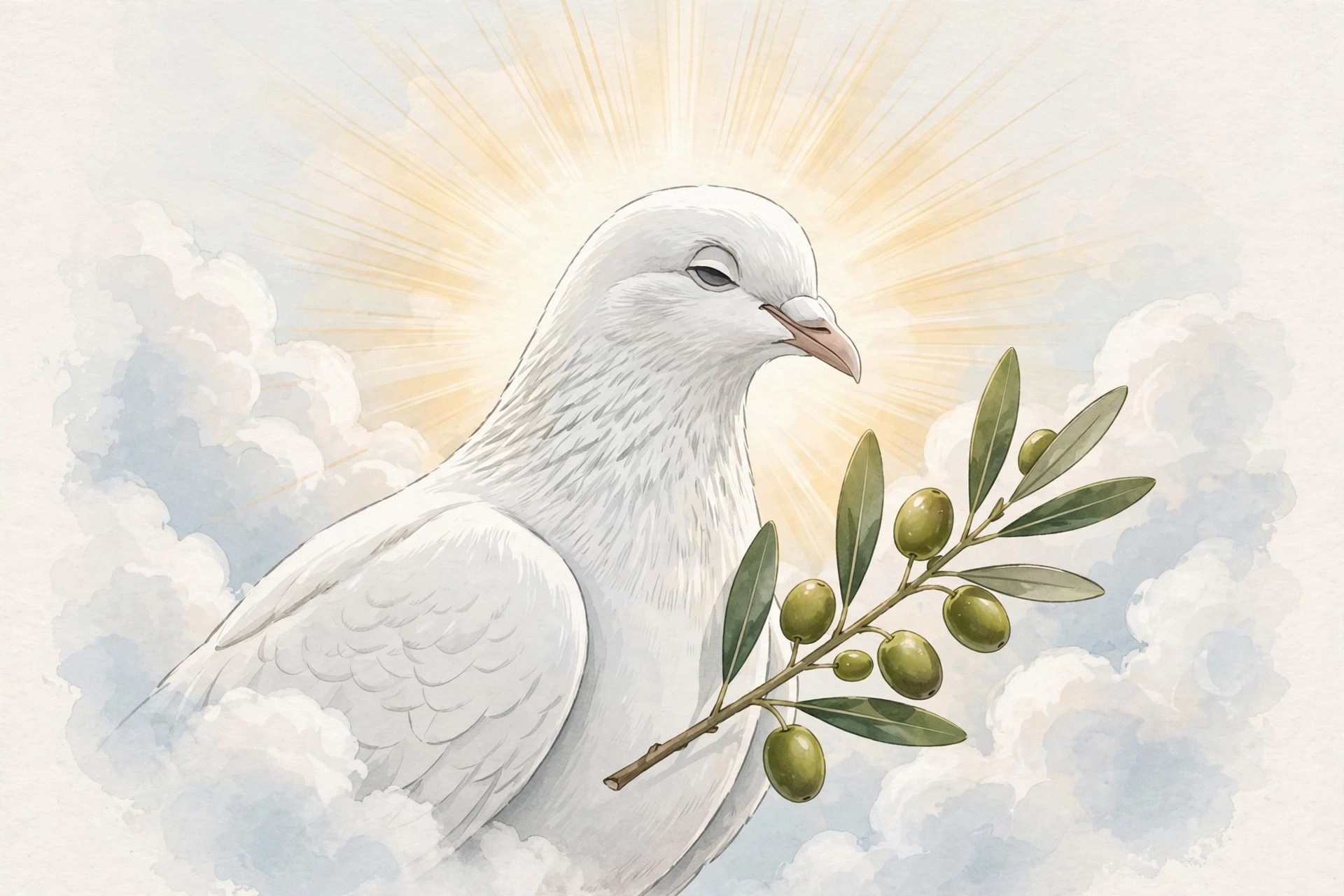
Because of this story, the dove with an olive branch became one of the world’s most recognizable symbols of peace. The olive branch represented the end of conflict and the restoration of harmony, while the dove represented the messenger that brought this hopeful news. Together, they came to symbolize forgiveness, new beginnings, and peaceful coexistence.
Today, this biblical image continues to appear in churches, artwork, literature, international peace campaigns, and humanitarian organizations. Even people who are unfamiliar with the story of Noah often recognize a white dove carrying an olive branch as a universal symbol of peace and hope.
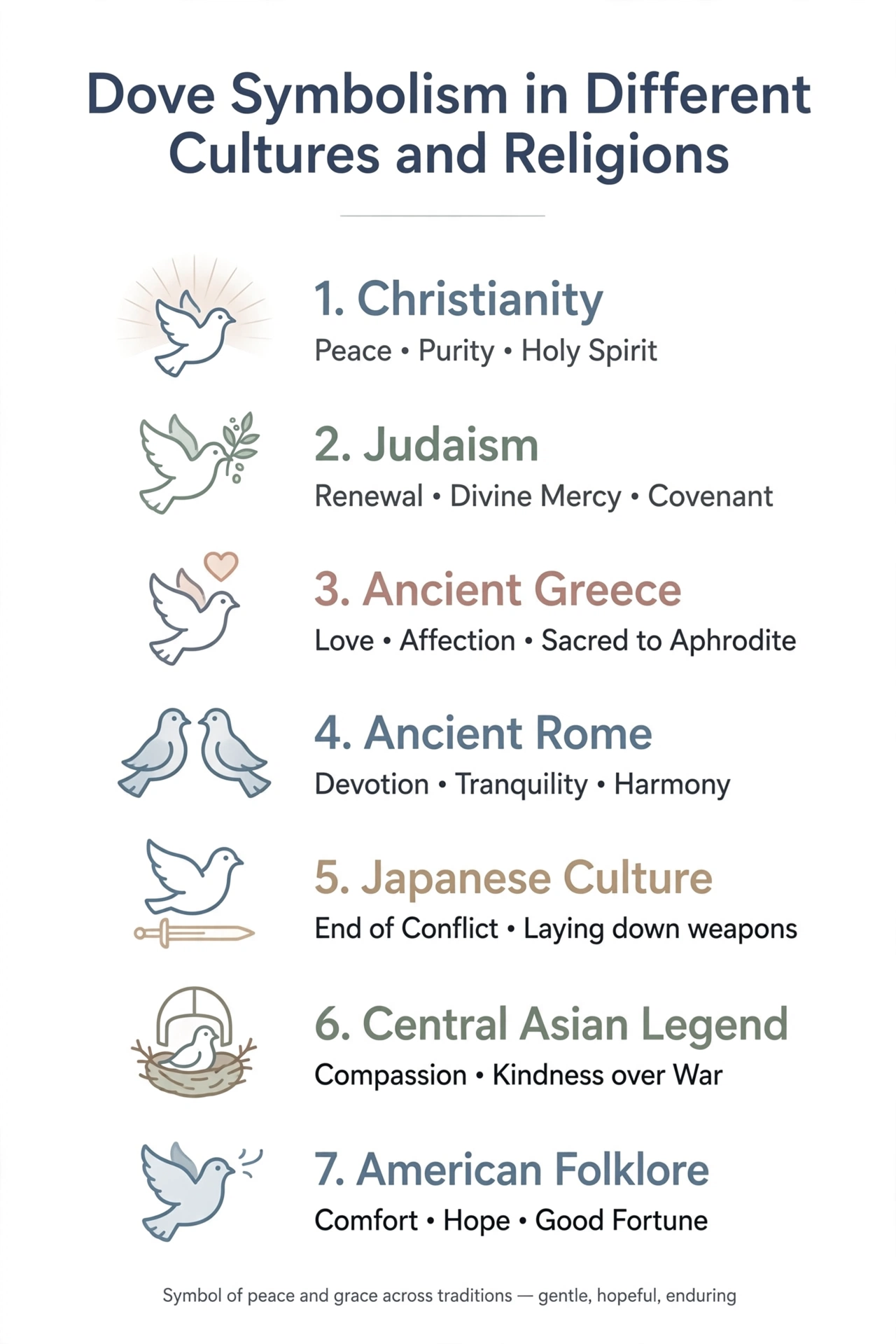
The dove’s association with peace originates from the story of Noah’s Ark, where it returned carrying an olive leaf to signal that the floodwaters had receded.
Did You Know?
The olive branch itself was already a symbol of peace in the ancient Mediterranean world. When combined with the dove in the biblical story, the two symbols became even more powerful and have remained closely linked for centuries.
What Does the Olive Branch Represent?
The olive branch has been a symbol of peace, prosperity, and reconciliation for thousands of years, even before it became linked with the dove. In ancient Mediterranean civilizations, olive trees were highly valued because they provided food, oil, and wood, making them a symbol of life and stability.
When the dove returned to Noah’s Ark carrying an olive leaf, the two symbols became forever connected. The olive branch represented the end of the devastating flood, while the dove delivered the message of hope and renewal. Together, they came to symbolize the restoration of peace after a time of conflict and hardship.
Over the centuries, the image of a dove carrying an olive branch spread beyond religious traditions and became a universal emblem of peace. It has appeared on coins, paintings, flags, monuments, and the logos of organizations dedicated to promoting harmony and human rights.
Today, the peace dove is recognized around the world as a reminder that even after difficult times, reconciliation and new beginnings are possible. Whether used in religious ceremonies, international events, or works of art, the combination of the dove and olive branch continues to represent hope, unity, and a shared desire for a peaceful future.
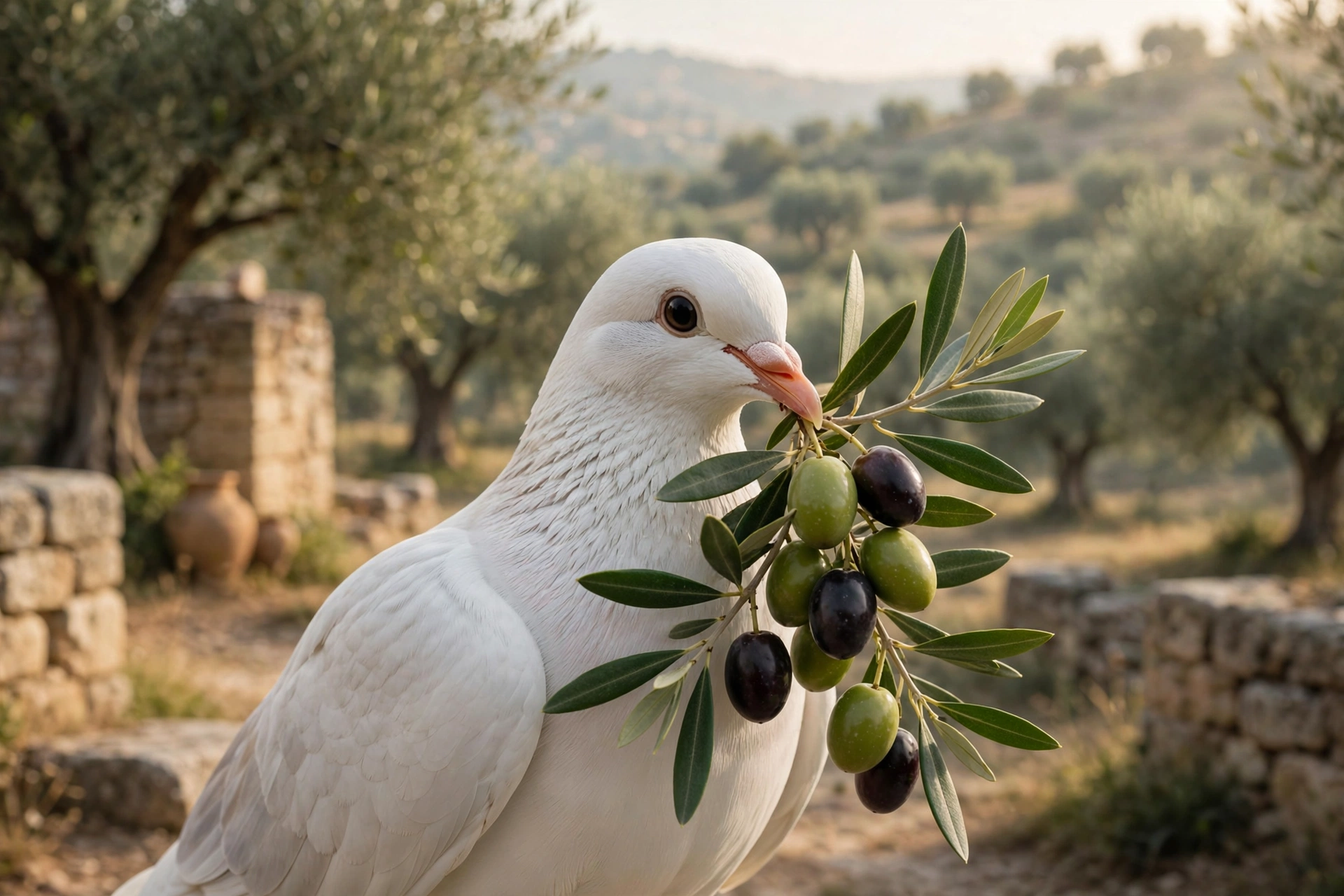
Dove Symbolism in Different Cultures and Religions
The dove has been admired for centuries as a symbol of peace, hope, love, and spiritual purity. While its connection to peace is strongly rooted in the biblical story of Noah’s Ark, many civilizations and religions have given the dove their own unique meanings. From ancient Greece to modern Japan, the dove has represented everything from divine love and compassion to the end of war and the promise of a better future. Although these traditions differ, they all recognize the dove as a gentle bird that inspires harmony and goodwill.
Historians have documented the dove’s symbolism across numerous civilizations, where it represented peace, love, and renewal in different ways.
Christianity
In Christianity, the dove is one of the most meaningful spiritual symbols. It represents peace, purity, and the presence of the Holy Spirit. The Bible describes the Holy Spirit descending like a dove during the baptism of Jesus, making the bird a symbol of God’s guidance and blessing. Together with the story of Noah’s Ark, the dove became an enduring reminder of forgiveness, hope, and reconciliation.
Judaism
In Judaism, the dove is closely associated with Noah’s Ark and God’s covenant with humanity after the flood. When the dove returned carrying an olive leaf, it signaled that the flood had ended and life could begin again. This event established the dove as a symbol of renewal, divine mercy, and restored peace.
Ancient Greece
In ancient Greece, the dove was sacred to Aphrodite, the goddess of love and beauty. Because of its gentle nature and lifelong pair bonds, the bird became a symbol of affection, harmony, and faithful relationships. Ancient Greek art often portrayed doves alongside Aphrodite, emphasizing love rather than conflict.
Ancient Rome
The Romans adopted many Greek traditions and also viewed the dove as a symbol of love, devotion, and tranquility. Doves frequently appeared in Roman art and literature as peaceful birds that reflected domestic harmony and emotional connection.
Japanese Culture
In Japan, the dove symbolizes the end of conflict and the beginning of peace. It is sometimes depicted carrying a sword, representing the laying down of weapons after war. This powerful image reflects the hope for reconciliation and a peaceful future.
Central Asian Legend
A popular Central Asian legend tells of two kings preparing for battle. Before one king could wear his helmet, he discovered that a dove had built a nest inside it. Rather than destroy the nest, he chose compassion and left without his helmet. Inspired by this act of kindness, the opposing king proposed peace instead of war. Although this story is a legend rather than a historical event, it reflects the long-standing association between doves and peaceful intentions.
American Folklore
In some American traditions and folklore, doves are believed to bring messages of comfort, hope, and good fortune. Their gentle cooing and calm presence have led many people to see them as symbols of peace during difficult times, while others associate them with remembrance and spiritual guidance.
Over the centuries, many civilizations created stories and legends explaining the dove’s role as a symbol of peace and hope. If you’re interested in similar legendary tales, you can also explore Some of The World’s Ancient Myths, which examines fascinating myths from different cultures around the world.
Why Are White Doves Associated with Peace?
Although doves come in a variety of colors, the white dove has become the universal symbol of peace, hope, and purity. Its bright white feathers have long been associated with innocence, honesty, and new beginnings, making it a powerful image of harmony across cultures and religions.
The symbolism of the white dove is deeply connected to both nature and tradition. In many religious beliefs, the color white represents spiritual purity, goodness, and divine presence. When combined with the dove’s gentle nature and the biblical story of Noah’s Ark, the white dove became a lasting emblem of peace and reconciliation.
Beyond religious symbolism, white doves are admired for their calm temperament and graceful flight. Unlike birds that are known for aggression or hunting, doves are peaceful by nature. They form strong pair bonds, care for their young together, and rarely display hostile behavior. These qualities have strengthened their reputation as birds that represent love, unity, and compassion.
Today, white doves are often released during weddings, peace ceremonies, memorial services, and public events to symbolize hope and new beginnings. At weddings, they represent the love and lifelong commitment shared between two people. During memorials, they serve as a symbol of remembrance, comfort, and the hope of peace. At international peace events, the image of a white dove carrying an olive branch continues to remind people of reconciliation and a future free from conflict.
It is worth noting that the white doves released at ceremonies are usually domestic white pigeons that have been specially bred and trained to return safely to their lofts. While they are commonly called “white doves,” they belong to the same bird family as pigeons. Nevertheless, the symbolism remains unchanged, and the white dove continues to be recognized worldwide as one of the most powerful emblems of peace and hope.
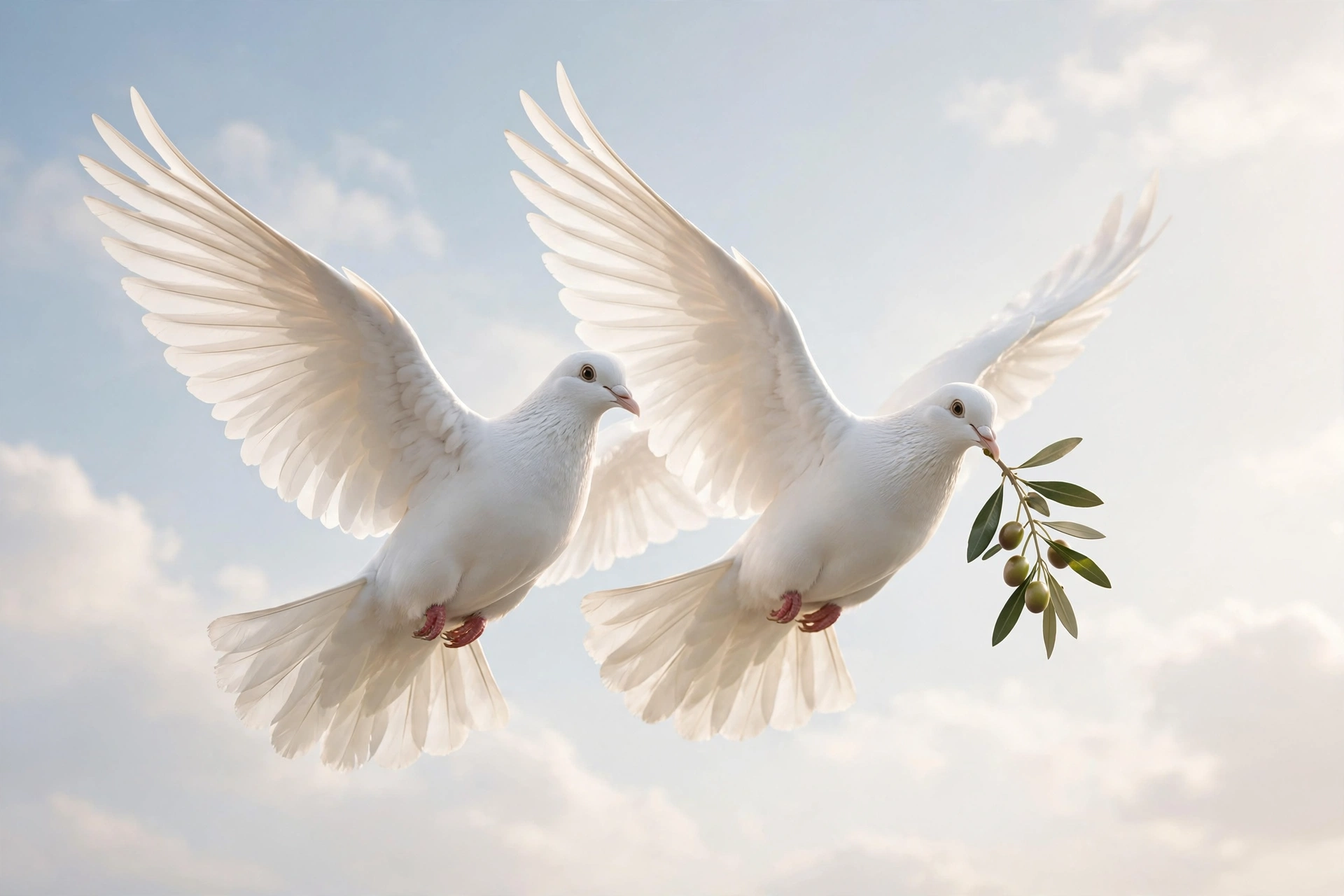
Interesting Facts About Doves
Doves are more than just symbols of peace they are fascinating birds with unique behaviors and remarkable family bonds. Found on every continent except Antarctica, these gentle birds have adapted to a wide range of environments and continue to captivate bird lovers around the world. Here are some interesting facts that make doves truly special.
According to the Cornell Lab of Ornithology, doves and pigeons belong to the Columbidae family and are known for their strong parental care and remarkable navigation abilities.
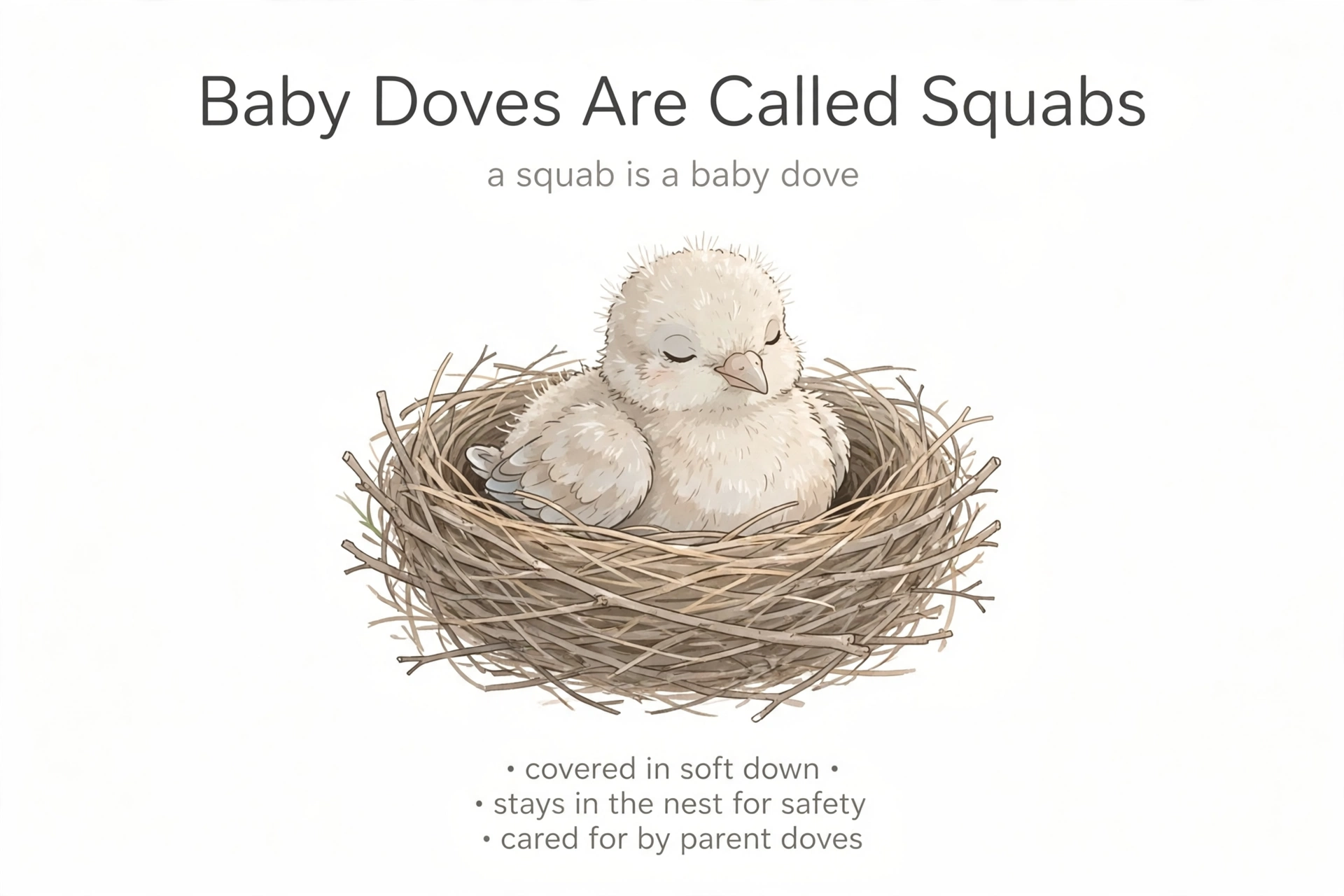
Baby Doves Are Called Squabs
A baby dove is known as a squab. Unlike many other baby birds, squabs spend most of their early life hidden safely inside the nest, which is why they are rarely seen in the wild. They grow quickly under the constant care of their parents and usually leave the nest within two to three weeks after hatching.
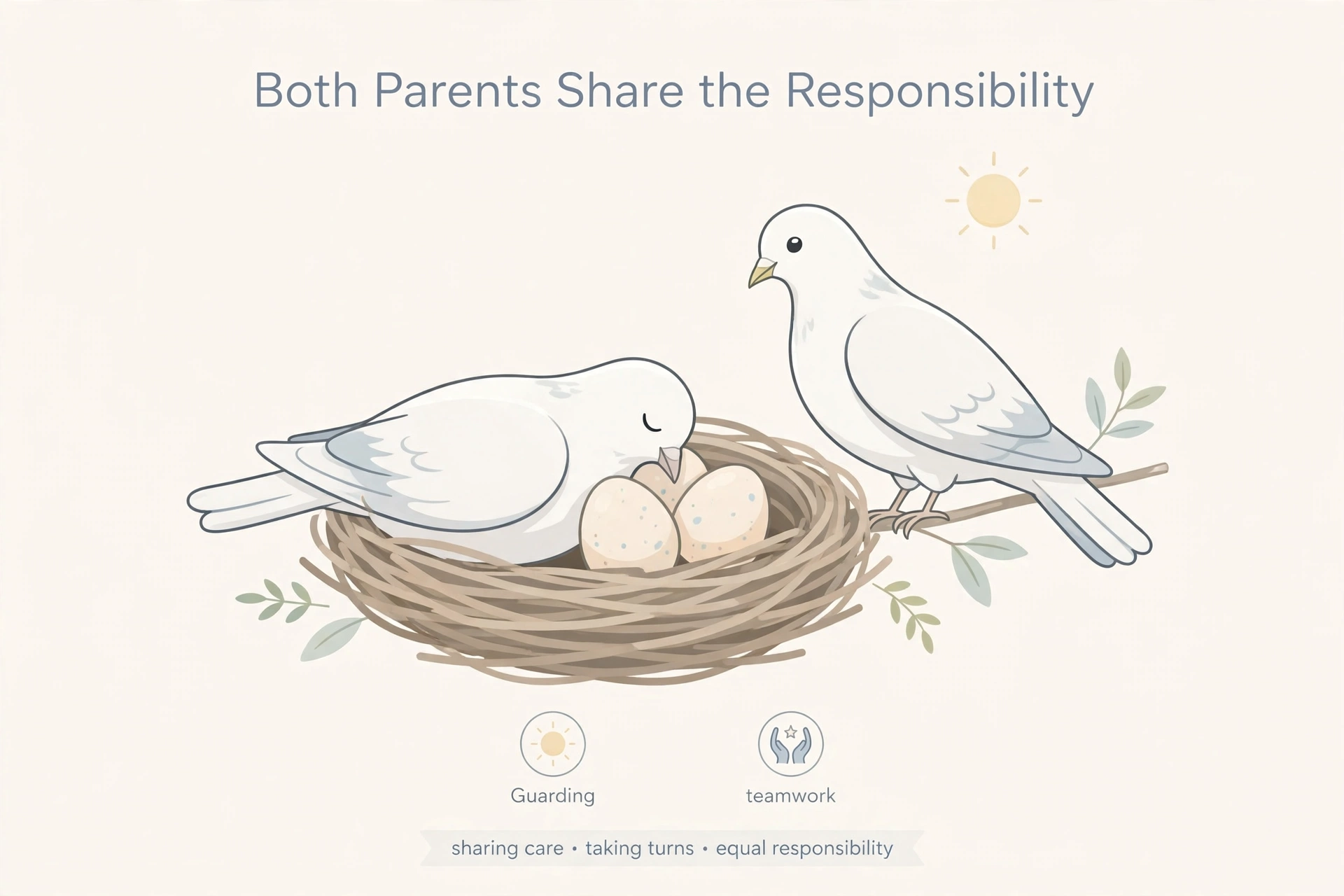
Both Parents Share the Responsibility
One of the most remarkable traits of doves is that both the male and female care for their young. They take turns incubating the eggs, with one parent typically guarding the nest during the day while the other takes over at night. This teamwork helps protect the eggs and ensures they remain at the proper temperature until they hatch.
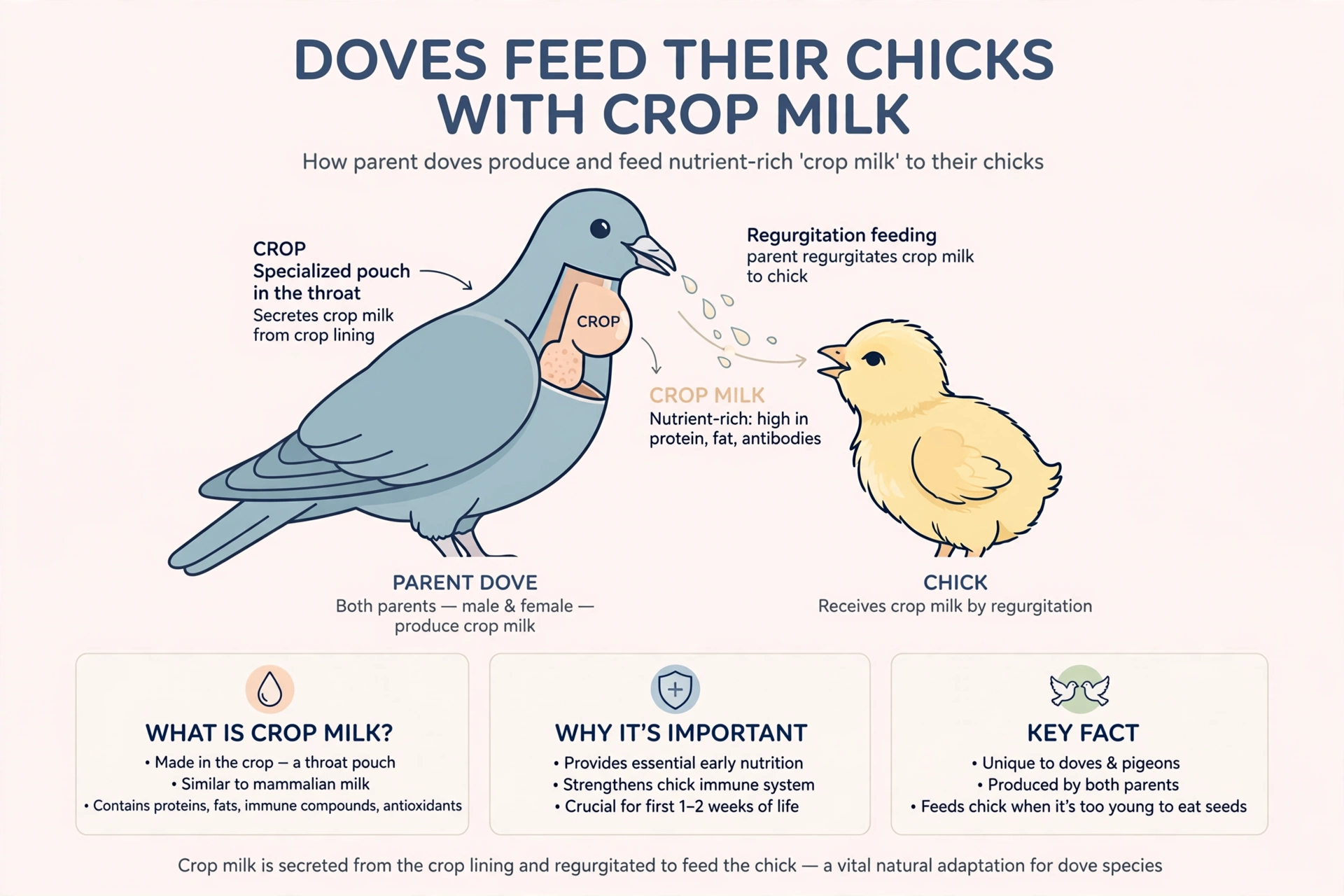
Doves Feed Their Chicks with Crop Milk
Unlike most birds, both parent doves produce a nutritious substance known as crop milk. This protein-rich secretion is fed directly to the chicks during their first days of life, providing the nutrients they need for healthy growth. Only a few bird species, including pigeons, flamingos, and emperor penguins, are capable of producing a similar food.
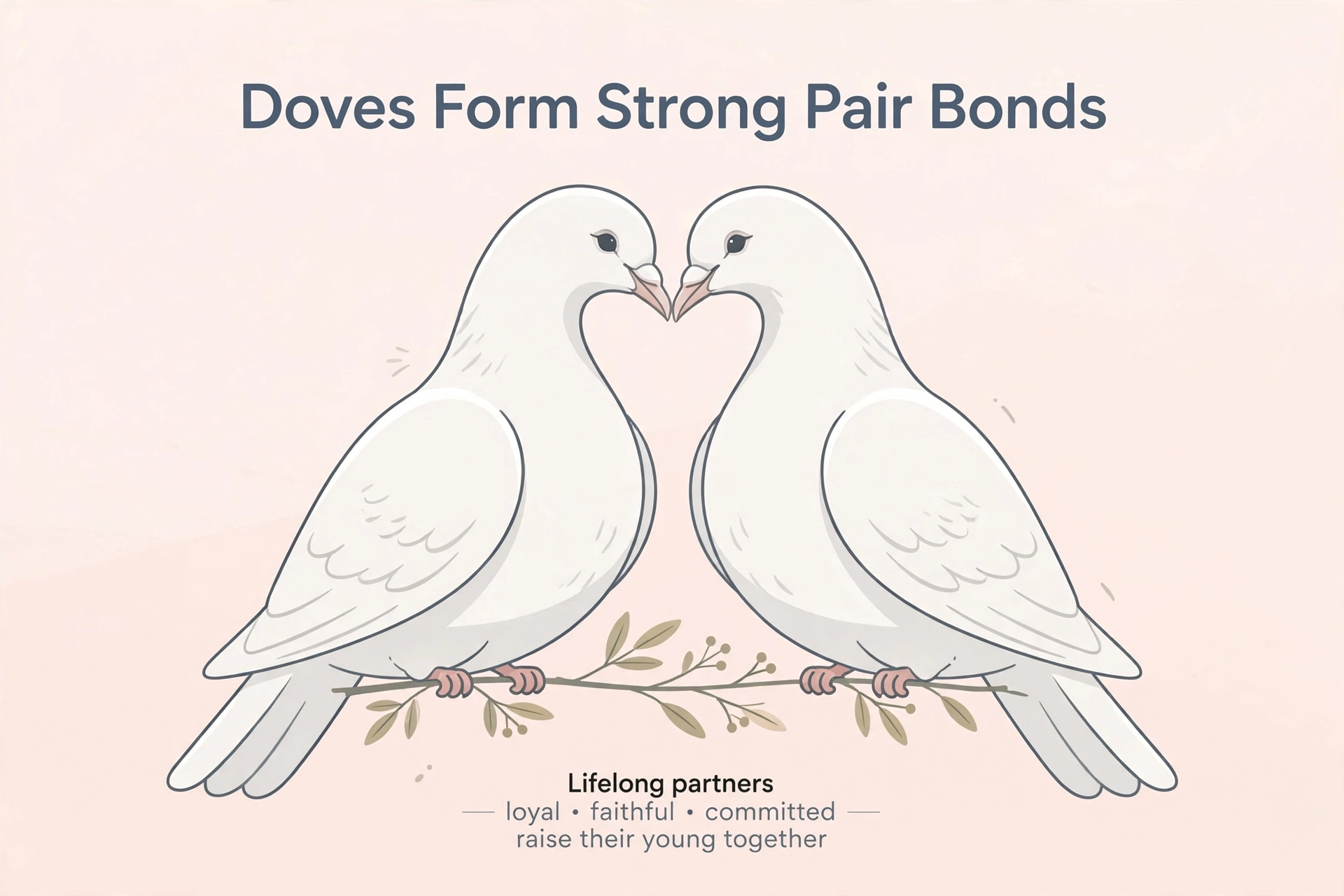
Doves Form Strong Pair Bonds
Many dove species are known for forming long-term, and sometimes lifelong, pair bonds. Mated pairs work together to build nests, incubate eggs, and raise their chicks. Their devotion to one another has contributed to the dove’s symbolism of love, loyalty, and commitment.
Gentle Birds with a Strong Homing Ability
Although doves are peaceful by nature, they are also surprisingly intelligent. Some species can navigate over long distances using the sun, Earth’s magnetic field, and familiar landmarks. This remarkable homing ability has made members of the dove and pigeon family valuable messengers throughout history.


Doves Can Thrive Around the World
More than 300 species of doves and pigeons exist worldwide, living in forests, deserts, grasslands, and urban areas. While their appearance and size vary, they all belong to the bird family Columbidae, sharing many of the same gentle behaviors that have made them admired across cultures.
Key Takeaways
Here's a quick overview of why the dove has become one of the world's most enduring symbols of peace.
The dove became a symbol of peace through the biblical story of Noah's Ark.
The olive branch represents hope, reconciliation, and the end of conflict.
Christianity, Judaism, and many cultures associate the dove with peace and spiritual purity.
White doves symbolize innocence, harmony, compassion, and new beginnings.
Doves are gentle birds known for lifelong pair bonds and devoted parenting.
Today, the peace dove remains a universal symbol of hope across the world.
Frequently Asked Questions
Find answers to the most common questions about why the dove is considered the universal symbol of peace.
The dove became a symbol of peace primarily through the biblical story of Noah's Ark. When the dove returned carrying an olive leaf, it signaled that the flood had ended and peace had been restored. Over time, its gentle nature and spiritual significance made it a universal symbol of hope, reconciliation, and harmony.
The olive branch represents peace, renewal, and reconciliation. In the story of Noah's Ark, the dove returned with an olive leaf to show that the floodwaters had receded and life on Earth was beginning again.
Yes. The white dove carrying an olive branch is widely recognized around the world as the universal symbol of peace. It appears in religious art, international peace campaigns, literature, and cultural traditions across many countries.
White doves symbolize purity, innocence, hope, and new beginnings. Combined with their calm behavior and biblical significance, they became the preferred image used to represent peace and harmony.
Although the dove is the most widely recognized bird of peace, other birds such as cranes and swans symbolize harmony or hope in certain cultures. However, the dove remains the universal emblem of peace worldwide.
Doves and pigeons belong to the same bird family, Columbidae. The names are often used interchangeably, although smaller species are generally called doves while larger ones are commonly known as pigeons.
Conclusion
The dove has represented peace, hope, and reconciliation for thousands of years. From the biblical story of Noah’s Ark to ancient civilizations and modern peace movements, its symbolism has remained remarkably consistent across cultures and generations. The image of a dove carrying an olive branch continues to remind people that even after conflict and hardship, harmony and new beginnings are possible.
While the dove is most commonly recognized as the symbol of peace, it also represents love, purity, compassion, and lifelong commitment. Its gentle nature, strong family bonds, and spiritual significance have made it one of the world’s most beloved birds.
Whether you encounter a dove in religious art, at a wedding, during a peace ceremony, or in nature, its message remains the same—a hope for unity, understanding, and a more peaceful world.



Very informative article, keep it up!
Komal Fatima,
I’m Impressed by your work.
Keep it up.
Great information, impressive work👌🏻
Komal Fatima,
I’m impressed with your work.