
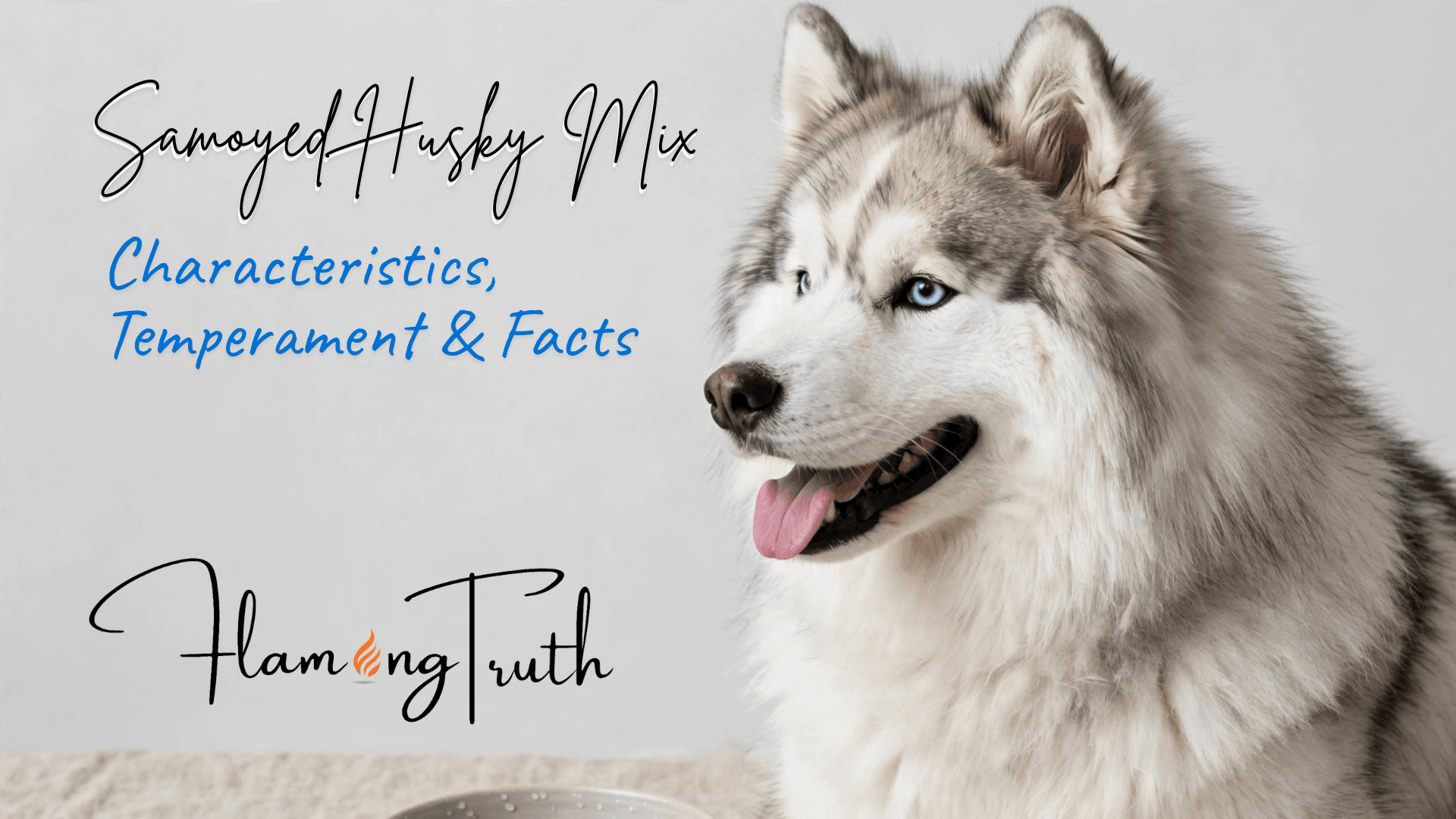

The Samoyed Husky Mix, also known as the Samusky, is a cross between a Samoyed and a Siberian Husky. This beautiful mixed-breed dog can inherit the intelligence, energy, playful personality, and thick double coat of both parent breeds. Because every Samusky is different, its size, appearance, temperament, and grooming needs can vary depending on which traits it inherits from its Samoyed and Siberian Husky parents.
Learn more about the parent breeds from the American Kennel Club (AKC).
If you’re exploring Husky hybrids, you may also be interested in our guide to the German Shepherd Husky Mix, another intelligent and energetic crossbreed with unique personality traits.
In This Guide
Samoyed Husky Mix at a Glance
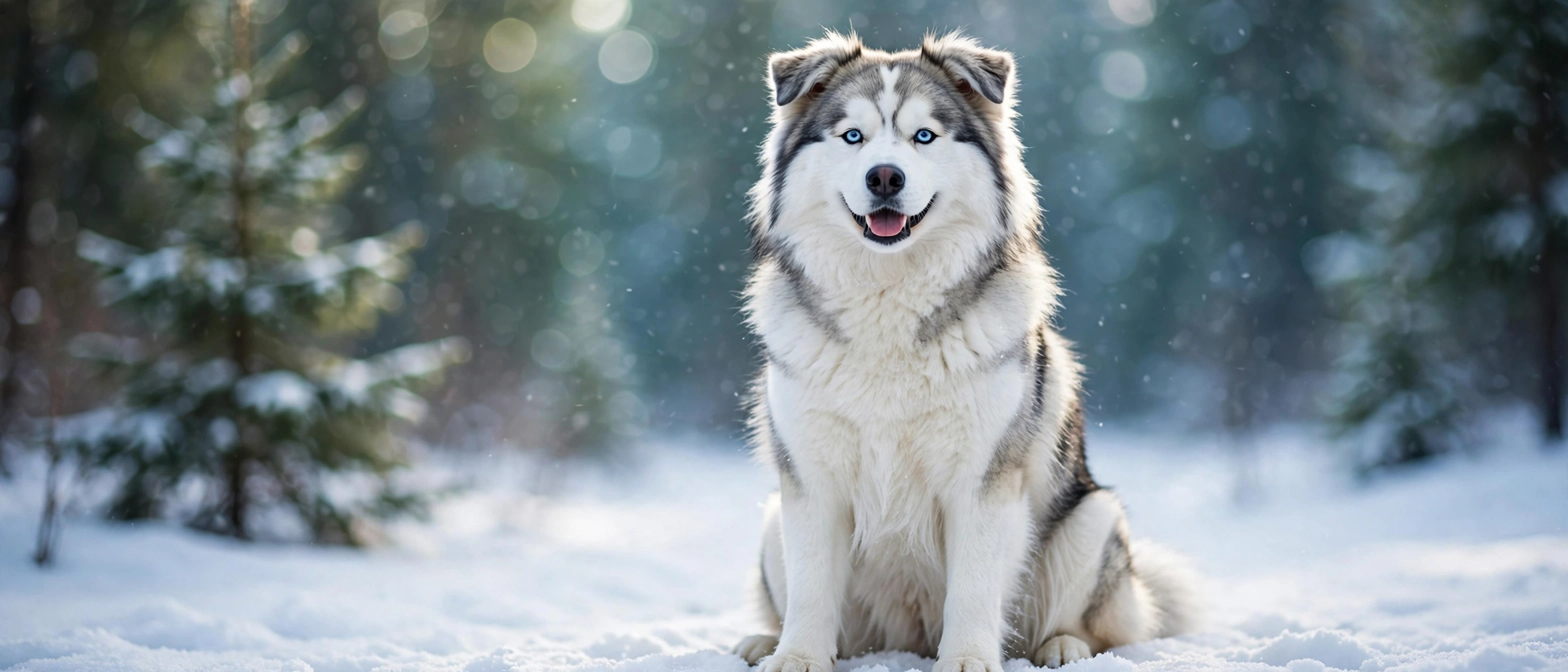
The Samoyed Husky Mix is a medium-to-large, energetic dog that can inherit characteristics from both the Samoyed and Siberian Husky. Since the Samusky is a mixed breed and does not have a single standardized breed profile, individual dogs can differ in size, appearance, temperament, and energy level.
Samoyed Husky Mix at a Glance
Key facts about this beautiful Samoyed and Siberian Husky mix.
The combination of two active northern breeds means a Samusky is generally better suited to an owner who can provide regular exercise, training, companionship, and grooming. Its personality and physical characteristics can lean more toward the Samoyed or the Siberian Husky, depending on the individual dog.
What Is a Samoyed Husky Mix?
The Samoyed Husky Mix, commonly called a Samusky, is a cross between a Samoyed and a Siberian Husky. Both parent breeds are intelligent, energetic dogs originally developed to work in cold climates, so a Samusky can inherit a combination of their athletic ability, thick double coat, intelligence, and friendly nature.
Because the Samusky is a mixed breed rather than a standardized dog breed, there is no single appearance, size, or personality that applies to every dog. Some may look more like a Samoyed, while others may inherit more of the Siberian Husky’s facial features, coloring, or body shape. Even puppies from the same litter can develop different characteristics as they grow.
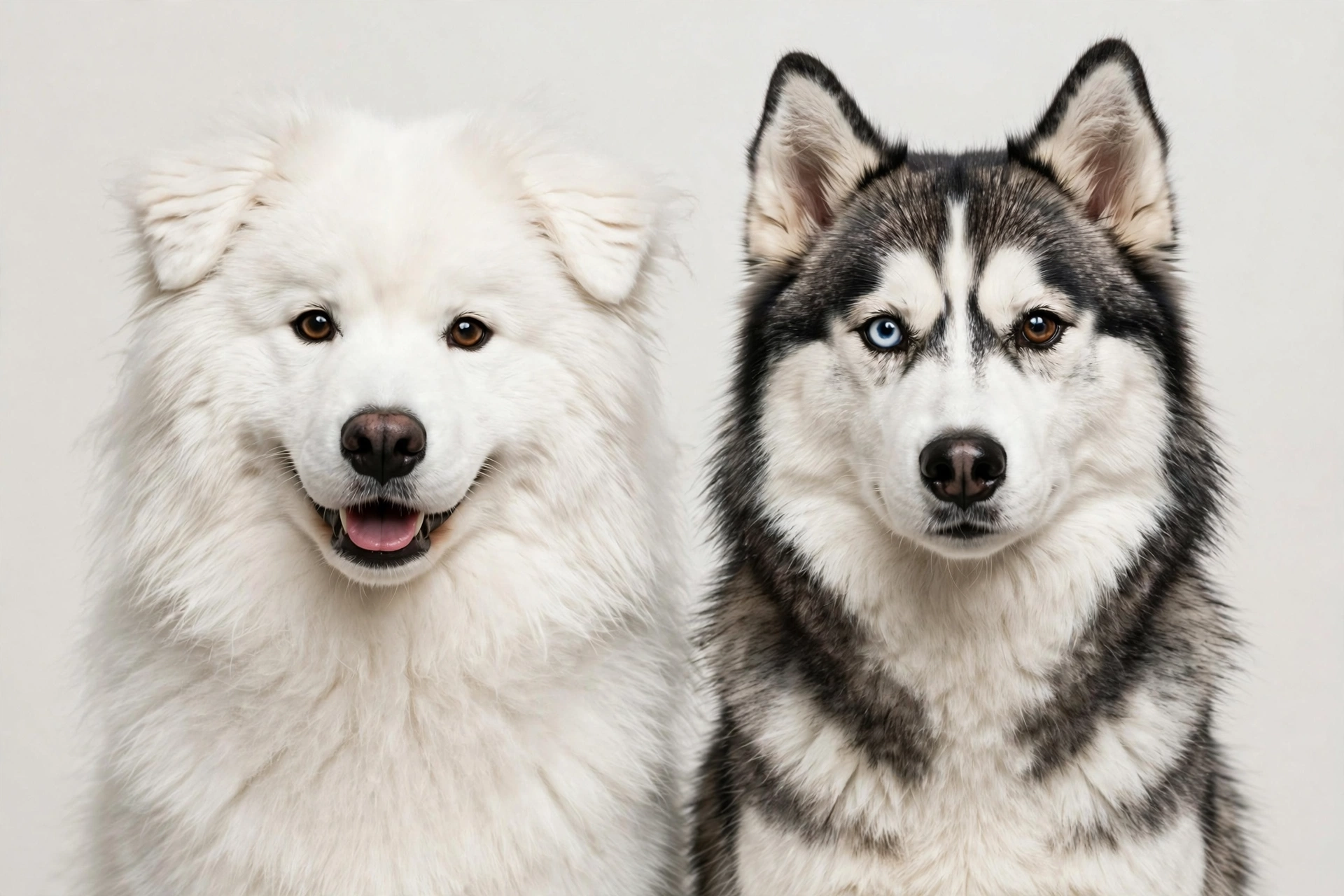
The Samoyed is known for its friendly and social personality, while the Siberian Husky is an energetic and athletic breed with a strong independent streak. A Siberian Husky Samoyed Mix can inherit traits from either parent, which means prospective owners should be prepared for an active dog that needs regular exercise, training, grooming, and companionship.
Samoyed and Siberian Husky Parent Breeds
Understanding the parent breeds can help explain what you might expect from a Samusky.
Samoyed: Samoyeds are intelligent, social, energetic dogs known for their thick white coats and friendly personalities. They tend to form strong bonds with their families and generally do best when they receive plenty of interaction, exercise, and mental stimulation.
Siberian Husky: Siberian Huskies are athletic, energetic, and social dogs originally bred for endurance and pulling sleds. They are intelligent but can also be independent, which can make consistent training particularly important. Their strong desire to run also means secure fencing and reliable leash habits are important.
A Husky and Samoyed Mix can therefore be an affectionate and playful companion, but it is unlikely to be a low-maintenance dog. Its exercise requirements, shedding, grooming needs, and temperament should all be considered before bringing one home.
To better understand one half of the Samusky’s heritage, compare the Alaskan Husky vs. Siberian Husky and learn how these two working dogs differ in appearance, temperament, and purpose.
Samoyed Husky Mix Appearance
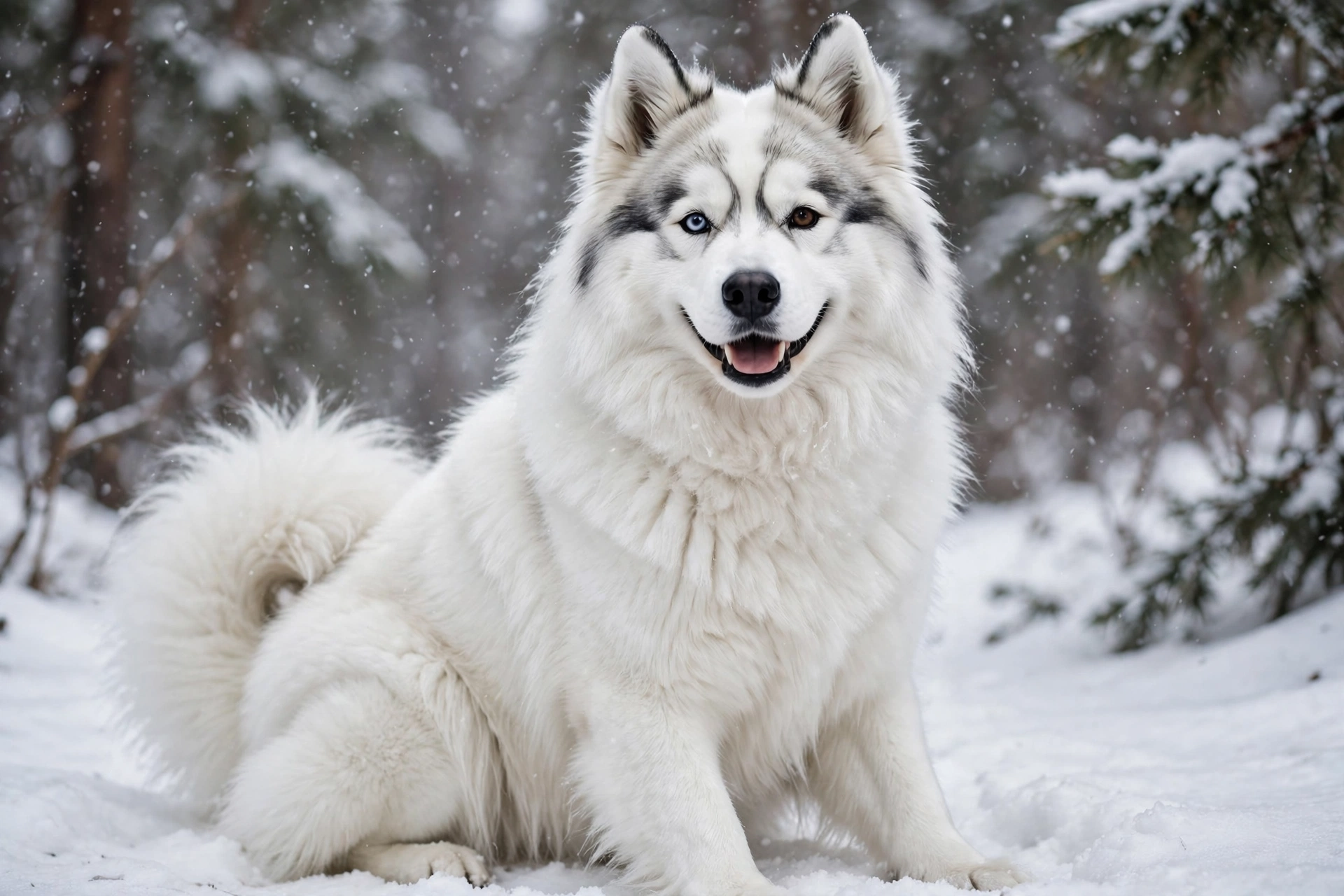
A Samoyed Husky Mix can have a striking appearance that combines features from both parent breeds. Some Samuskies may have the fluffy white coat and broad, friendly face associated with the Samoyed, while others may show more of the Siberian Husky’s facial markings, pointed ears, or distinctive eyes.
Because the Samusky is a mixed breed, its appearance can vary considerably from one dog to another. Even puppies from the same litter may develop different coat colors, markings, body shapes, and facial features.
How Big Does a Samoyed Husky Mix Get?
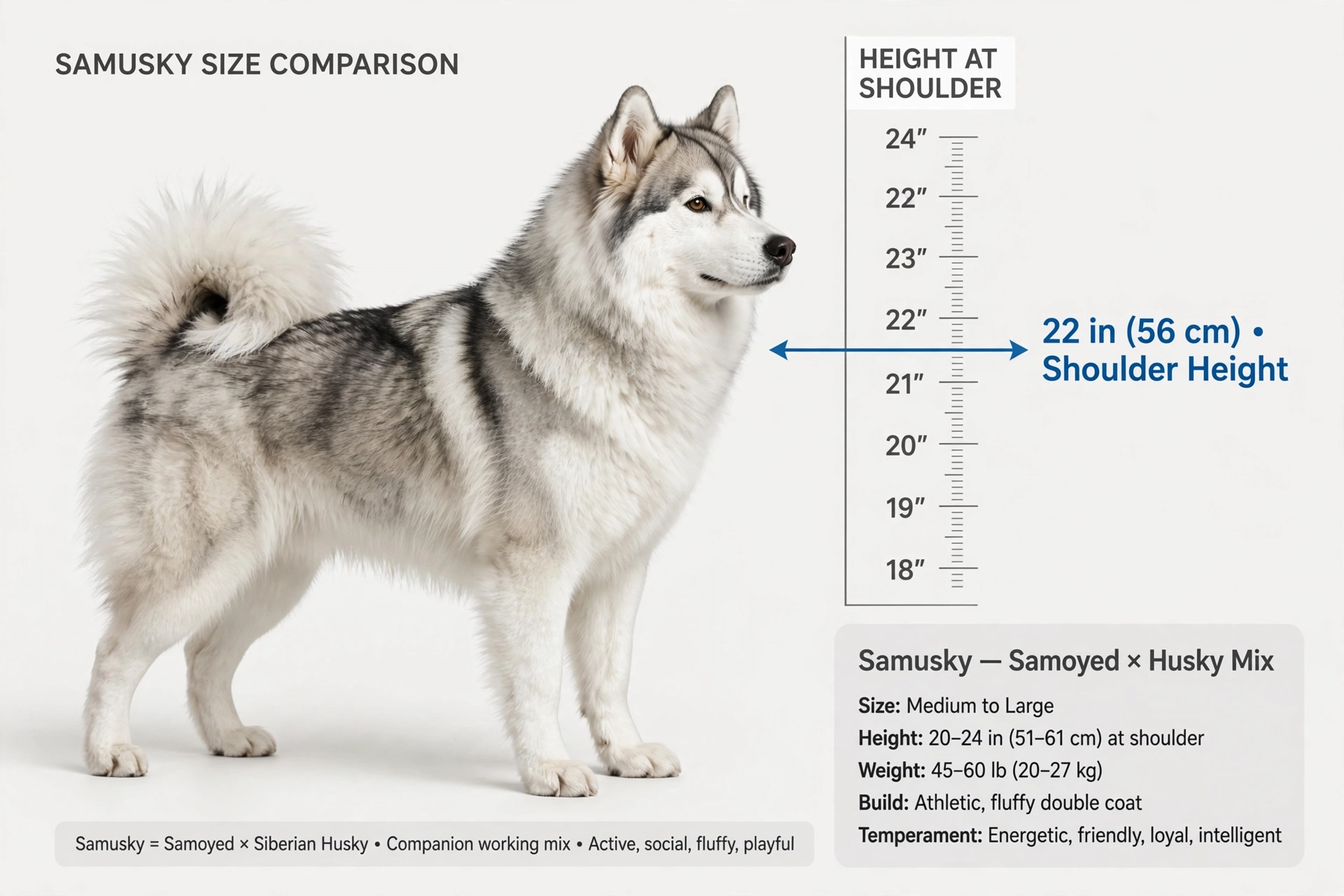
A Samusky is generally a medium-to-large dog. Its adult size depends on the size and genetics of both parents, so there is no official size standard for the mix.
Many Samuskies can fall somewhere around 20 to 24 inches tall at the shoulder and may weigh approximately 45 to 60 pounds, although individual dogs can be smaller or larger.
Male Samuskies may be larger and heavier than females, but genetics have a greater influence on the final size of an individual dog than sex alone.
Samoyed Husky Mix Coat
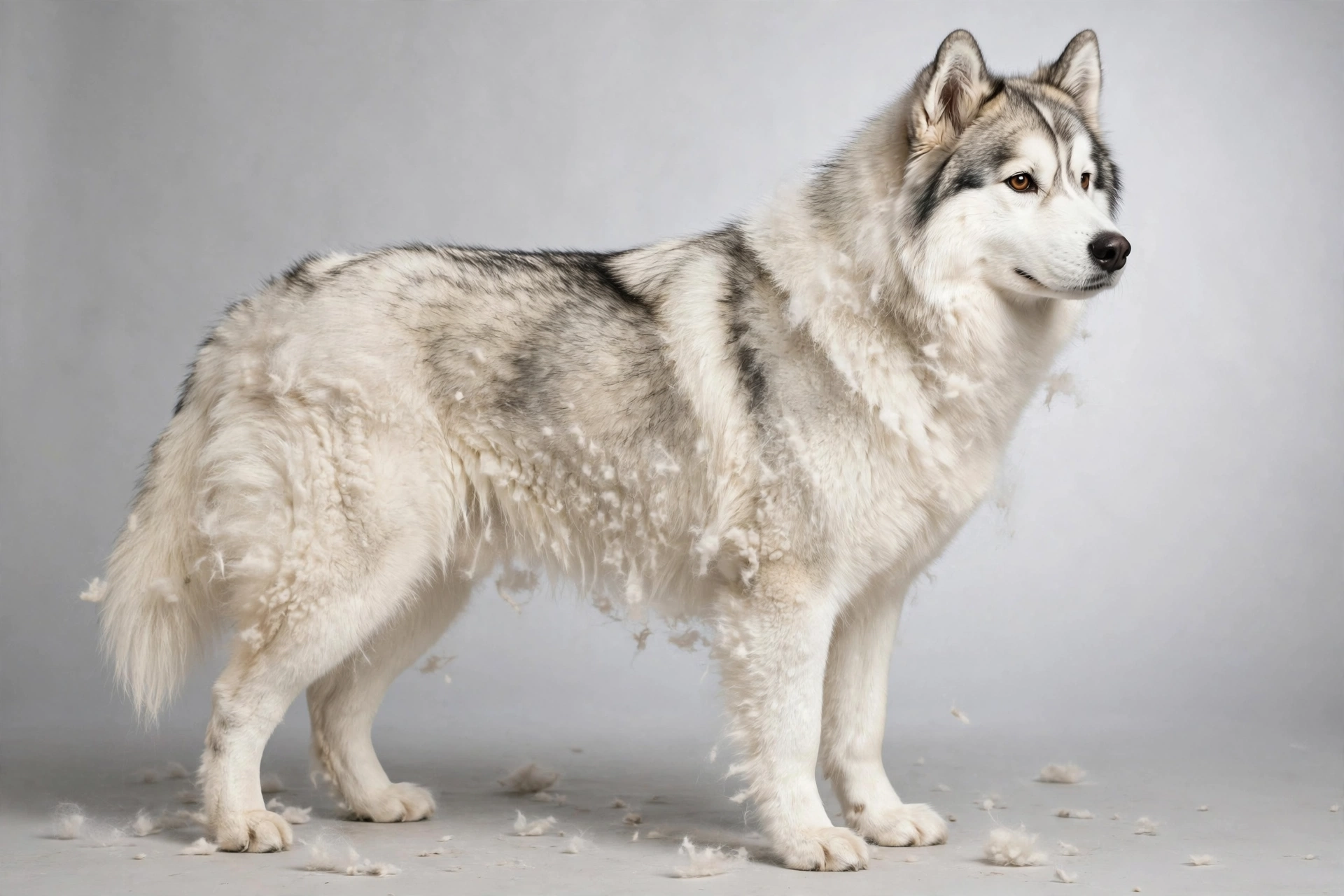
The Samoyed Husky Mix typically has a thick double coat inherited from its northern-breed parents. The outer coat helps protect the dog from the elements, while the dense undercoat provides additional insulation.
The coat may be straight or slightly fluffy and can vary in length and texture. Regardless of the exact coat type, prospective owners should expect regular shedding and a significant increase in loose hair during seasonal shedding periods.
Samoyed Husky Mix Colors
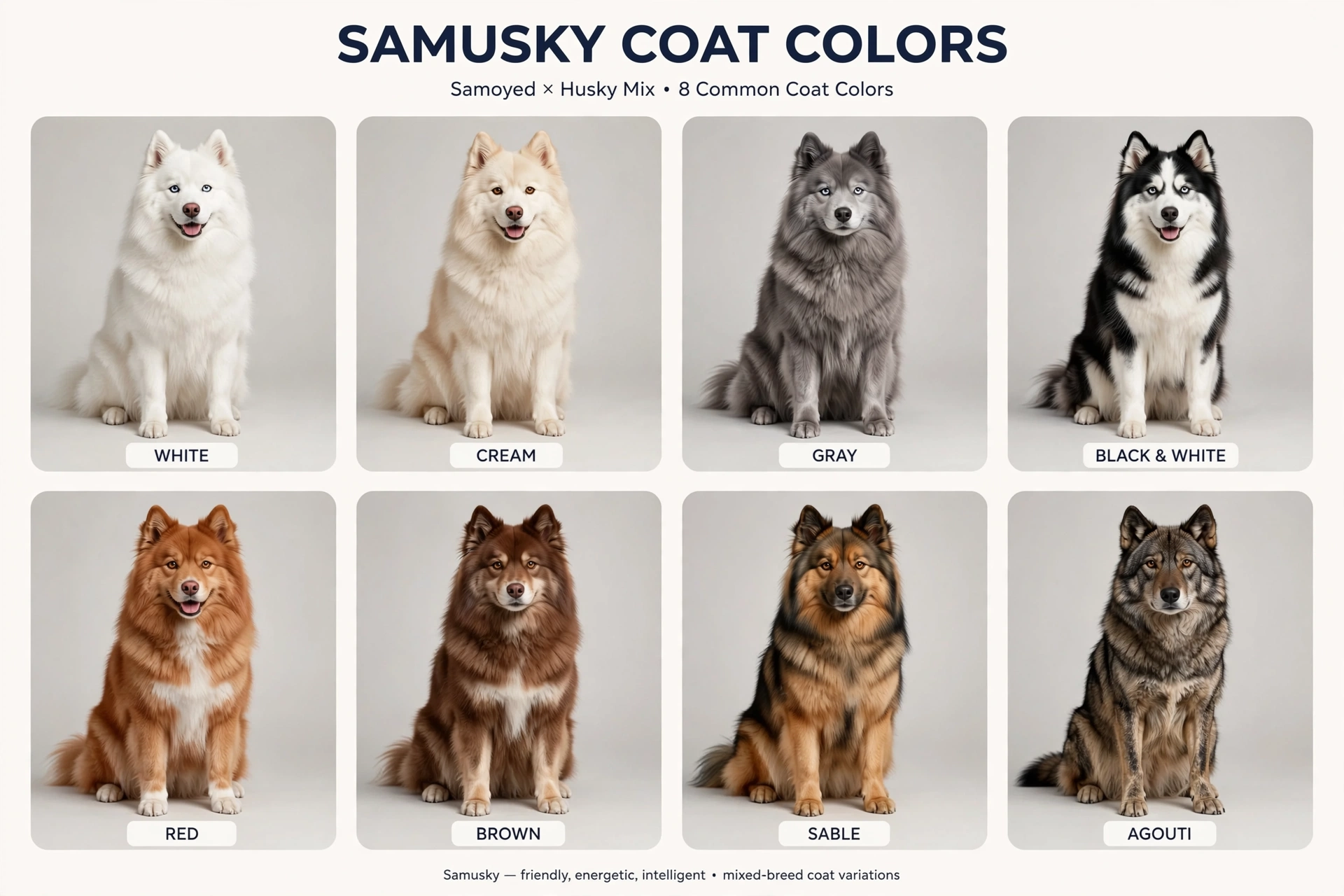
The coat color of a Samusky can vary depending on which genes it inherits from its parents. Common possibilities include:
- White
- Cream
- Gray
- Black and white
- Red
- Brown
- Sable
- Agouti
- Various combinations of these colors
Some Samuskies have predominantly white coats, while others may have darker facial markings or patterns more commonly associated with the Siberian Husky.
Samoyed Husky Mix Eyes
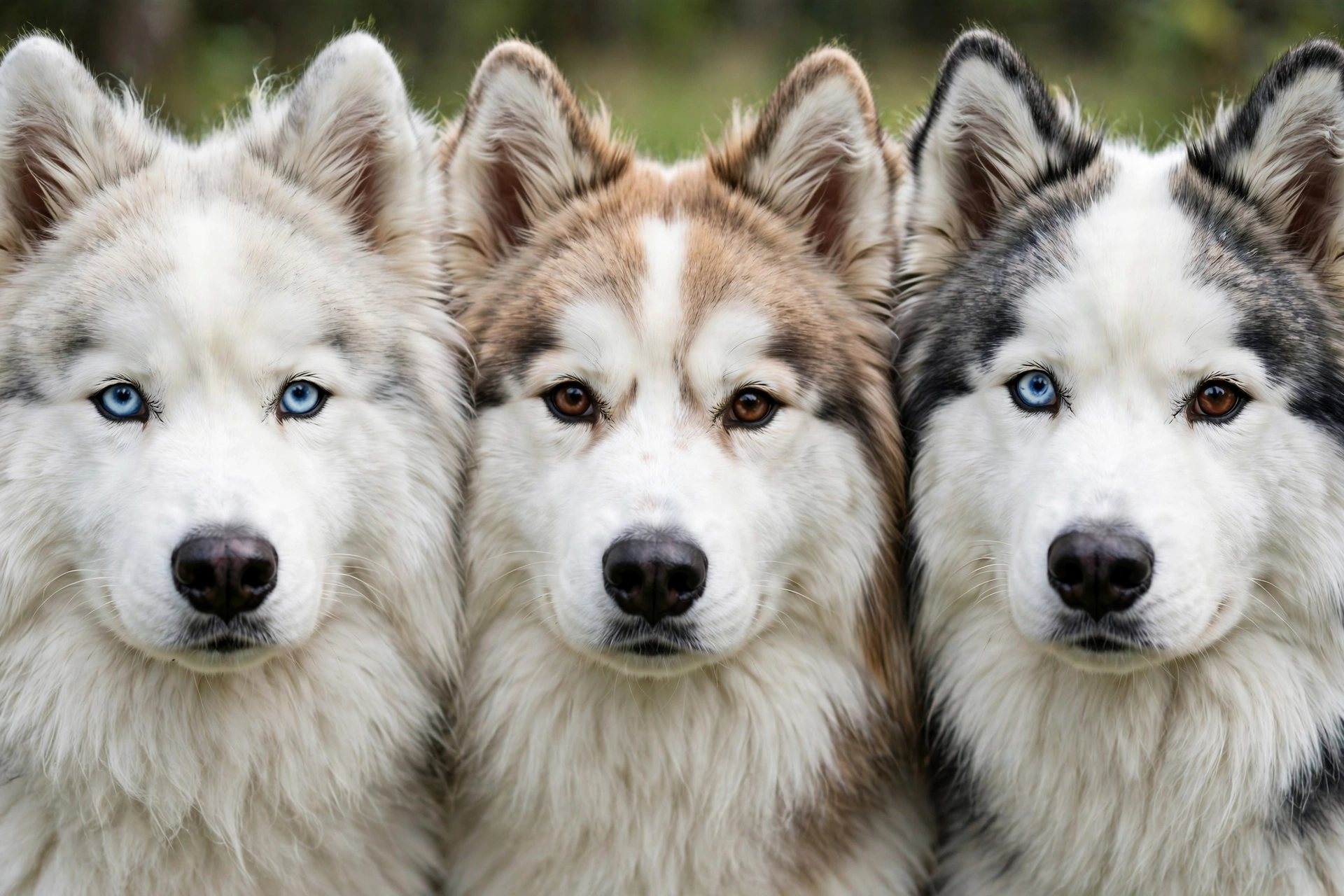
The eyes of a Samoyed Husky Mix can also vary. They may have brown, blue, or differently colored eyes depending on their genetics. Some Samuskies may inherit the striking blue eyes commonly seen in Siberian Huskies, while others may have brown eyes or a combination of eye colors.
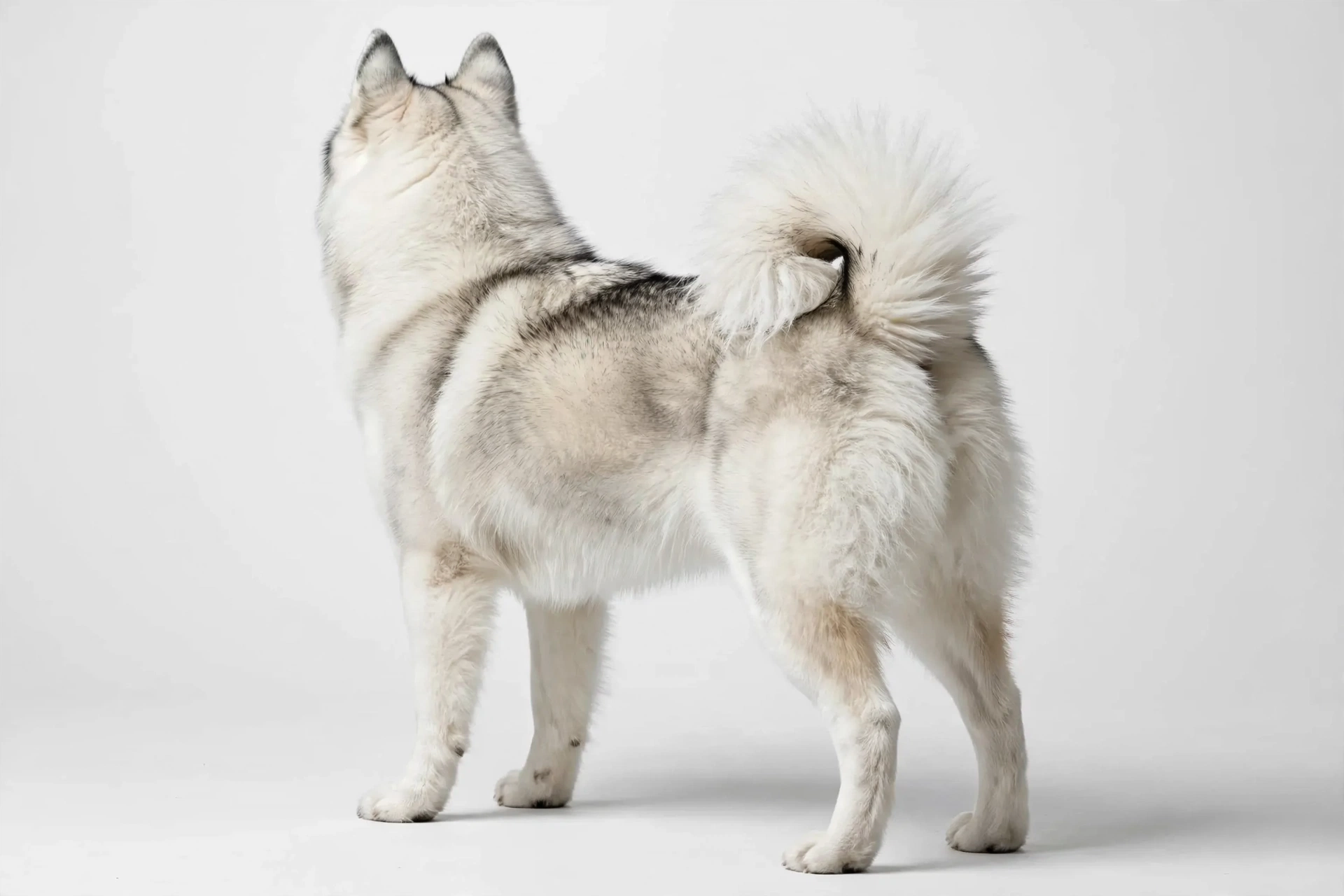
Samoyed Husky Mix Ears and Tail
A Samusky will usually have upright, triangular ears, although their exact shape and size can vary. The tail may be fluffy and carried over the back, particularly in dogs that inherit more of the Samoyed’s appearance.
Samoyed Husky Mix Temperament
The Samoyed Husky Mix is generally known for being friendly, intelligent, and full of energy. Since this hybrid inherits traits from both the Samoyed and the Siberian Husky, no two Samuskies are exactly alike. Some may be more outgoing and affectionate, while others may display the Husky’s independent nature.
Early socialization, consistent training, and daily exercise play an important role in shaping a well-behaved Samusky.
Friendly and Affectionate
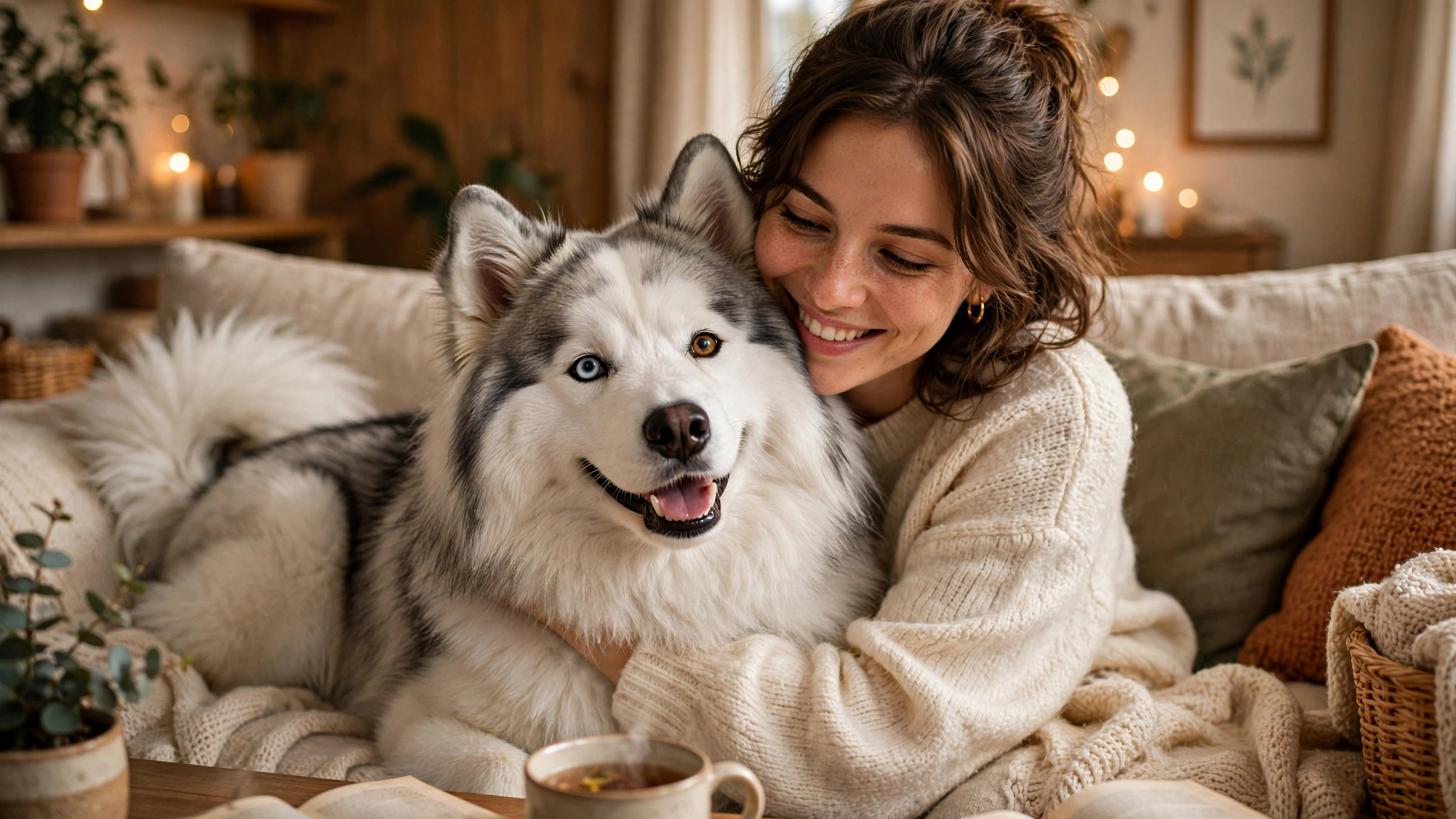
Most Samuskies enjoy spending time with their families and often develop strong bonds with their owners. They typically like being involved in daily activities and may not enjoy being left alone for long periods. When properly socialized, they are usually friendly toward visitors and can make excellent family companions.
Intelligent but Independent
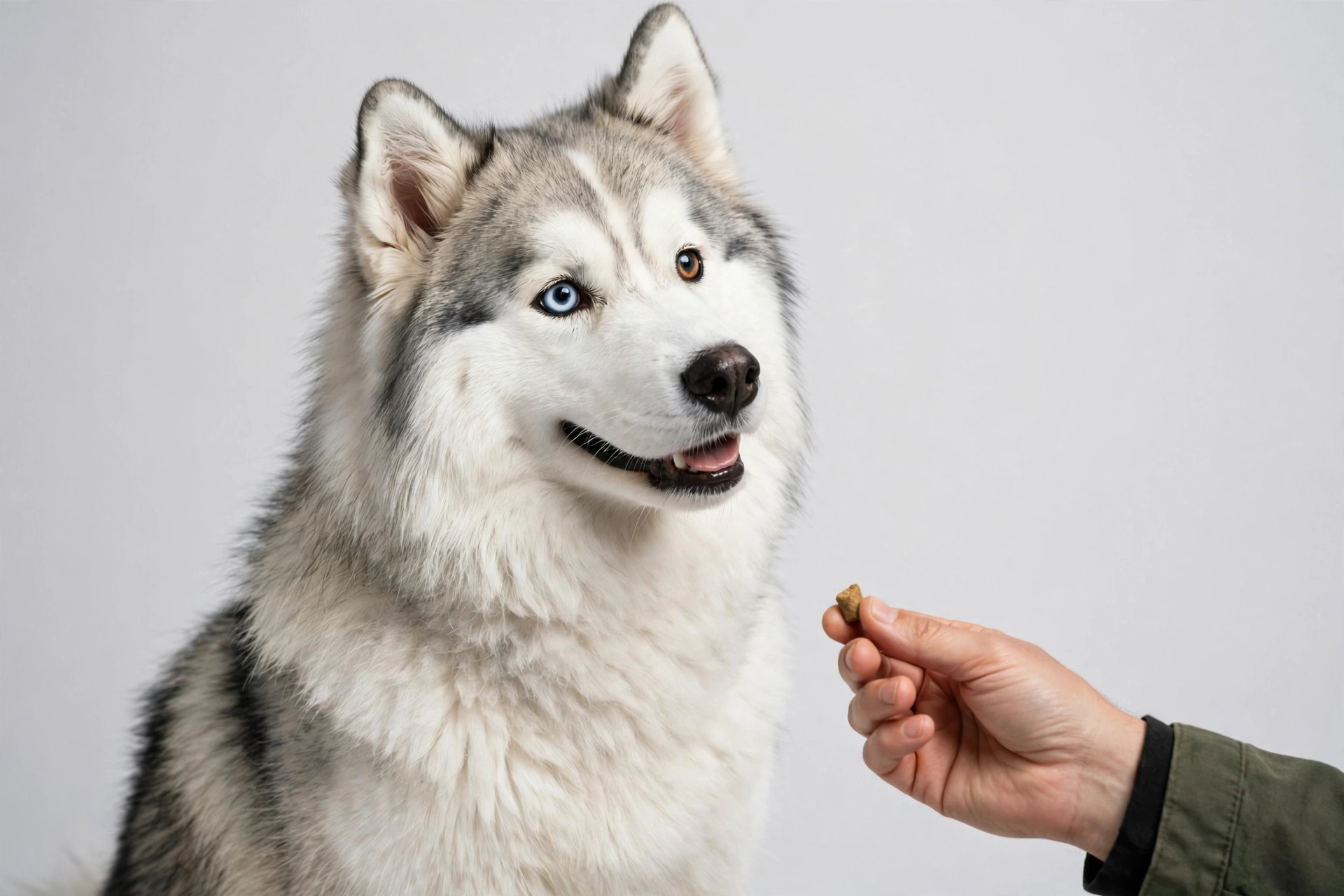
Both the Samoyed and the Siberian Husky are highly intelligent breeds, and the Samoyed Husky Mix often inherits this intelligence. However, intelligence does not always mean easy training. Many Samuskies have an independent personality and may occasionally ignore commands if they lose interest or become distracted.
Training sessions should be short, engaging, and reward-based to keep them motivated.
High Energy Levels
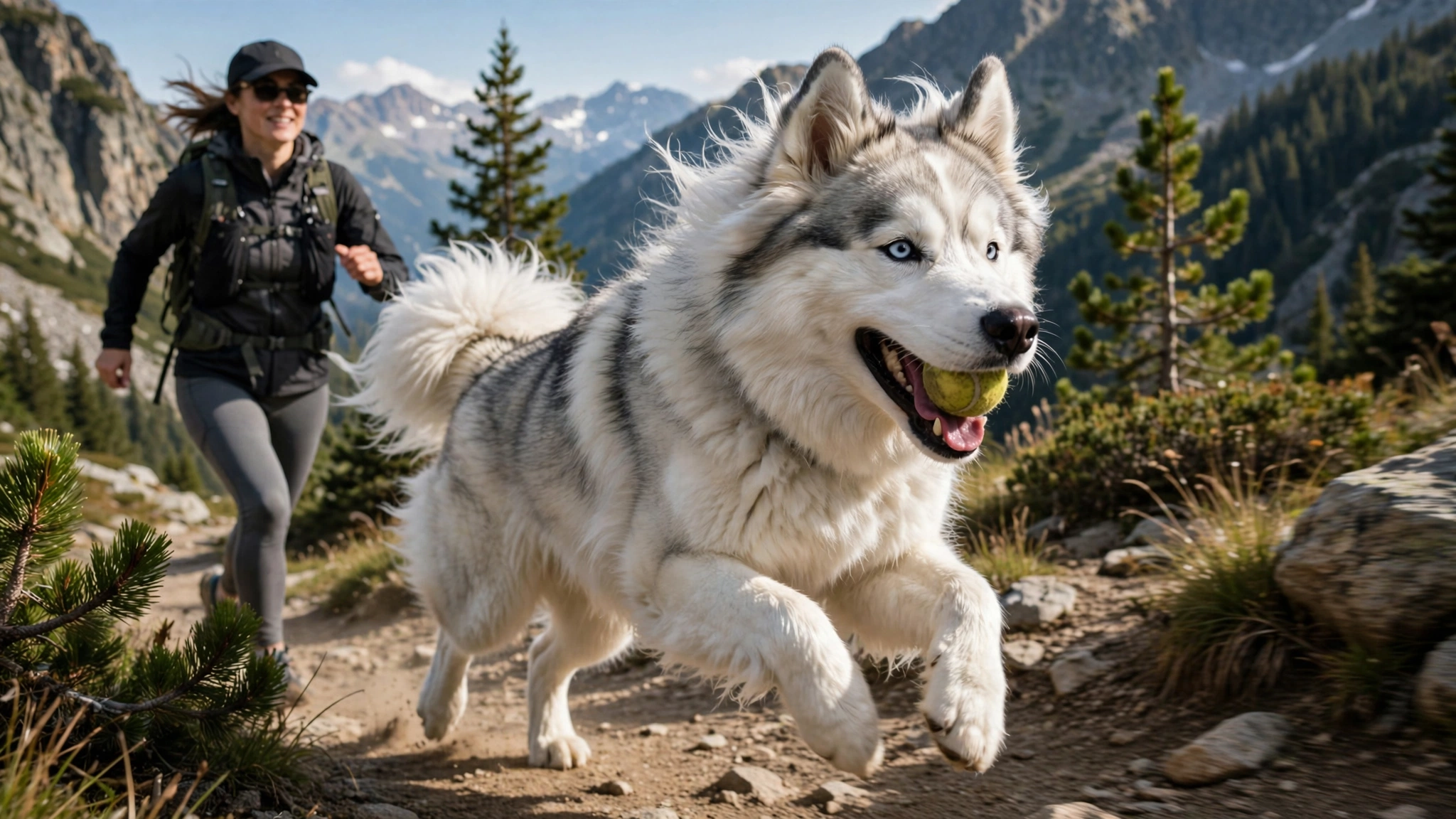
A Samusky is an active dog that thrives on physical activity and mental stimulation. Daily walks alone are rarely enough for this energetic mix. Activities such as hiking, running, fetch, obedience training, puzzle toys, and interactive games can help satisfy both its physical and mental needs.
Without enough exercise, boredom may lead to unwanted behaviors such as excessive barking, chewing, or digging.
Good with Children
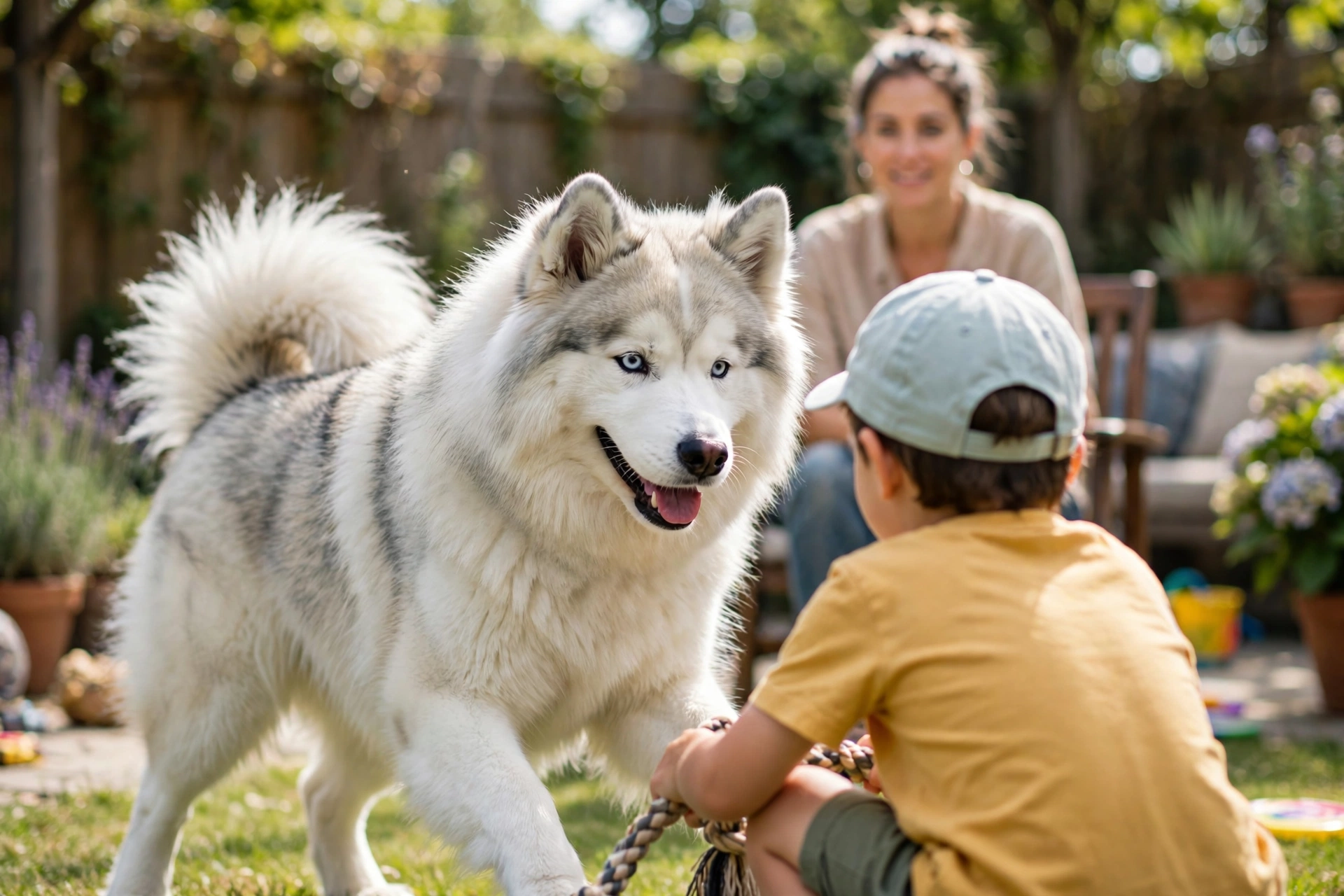
When raised with children and properly socialized, a Samoyed Husky Mix can be a gentle and playful companion. Their energetic nature often makes them a great match for active families. As with any dog, young children should always be supervised during interactions to ensure everyone’s safety and comfort.
Good with Other Pets
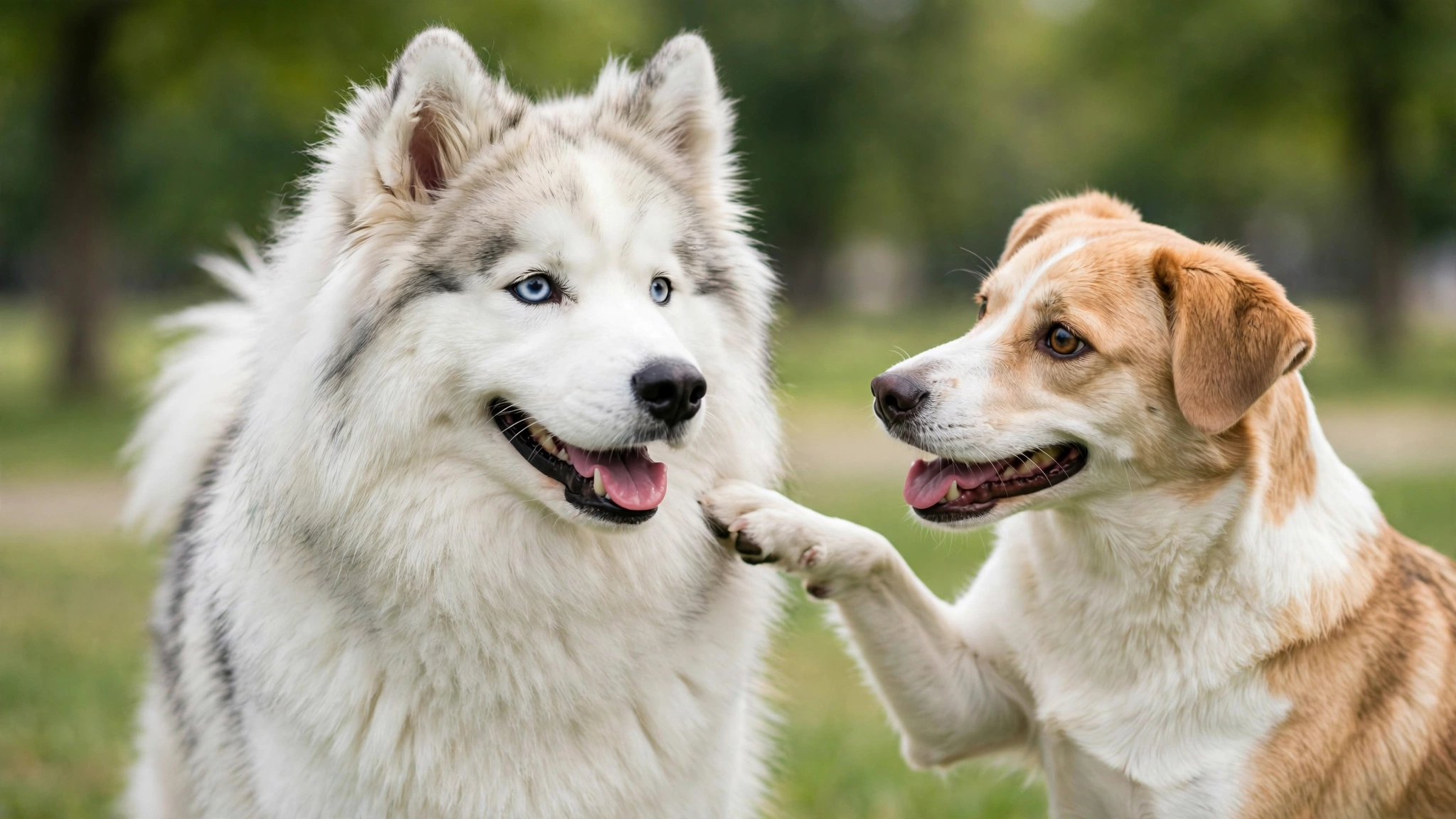
Many Samuskies get along well with other dogs, especially if they are introduced at an early age. However, some may inherit a stronger prey drive from the Siberian Husky, which can make them more likely to chase smaller animals such as rabbits, squirrels, or cats. Early socialization and proper introductions can help reduce potential issues.
Can a Samoyed Husky Mix Be Left Alone?
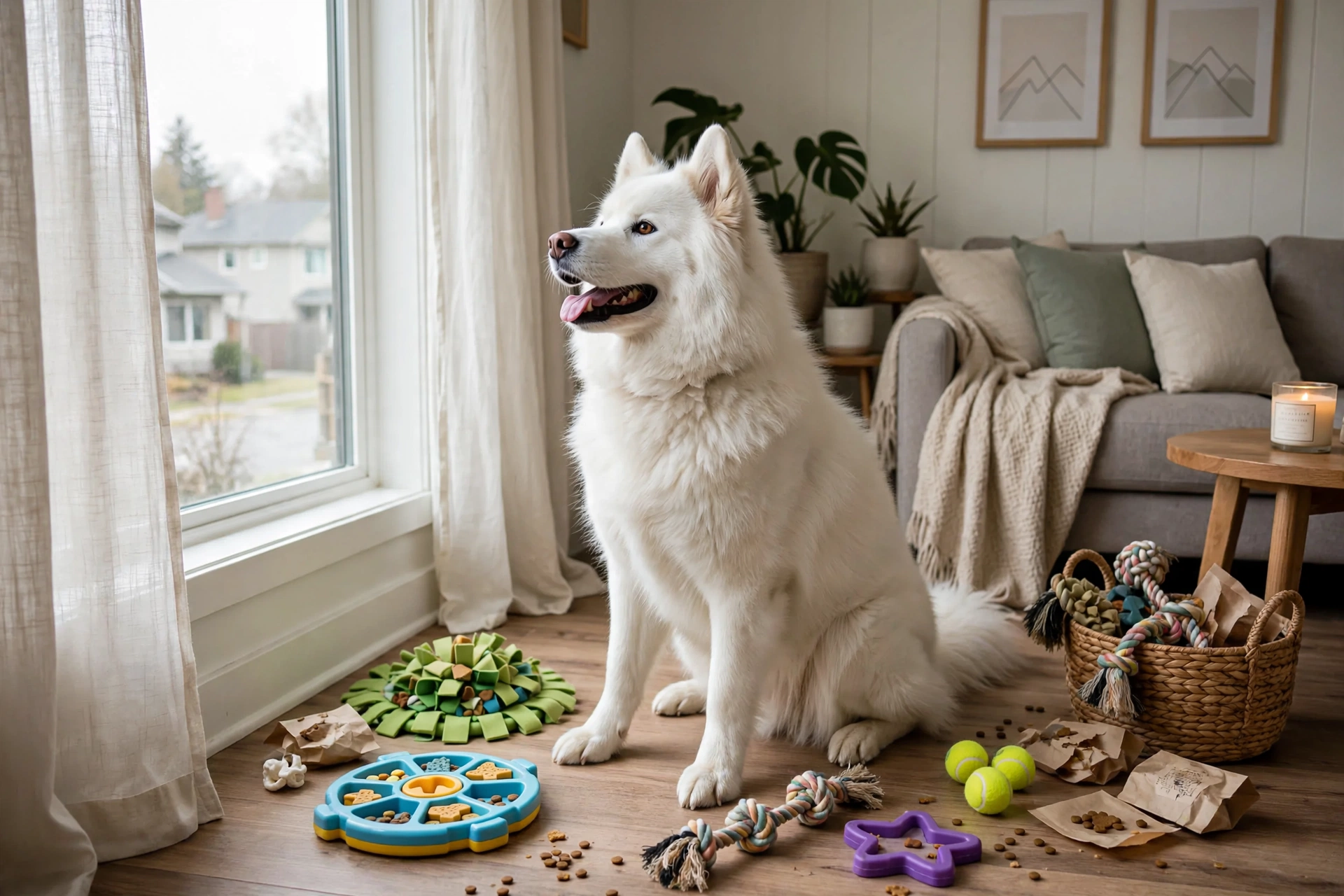
The Samoyed Husky Mix enjoys companionship and generally prefers being around people. Spending long hours alone may lead to boredom, anxiety, or destructive behaviors. If you work away from home for extended periods, providing interactive toys, regular exercise, or arranging for someone to check on your dog can help keep it mentally stimulated.
Is the Samoyed Husky Mix Aggressive?
A well-socialized Samoyed Husky Mix is not typically considered an aggressive dog. Most are friendly and confident when properly trained and exposed to different people, places, and situations from an early age.
Aggressive behavior is more often linked to poor socialization, fear, lack of training, or underlying health problems than to the breed mix itself. Responsible ownership, positive reinforcement, and regular veterinary care can help encourage a calm and well-adjusted companion.
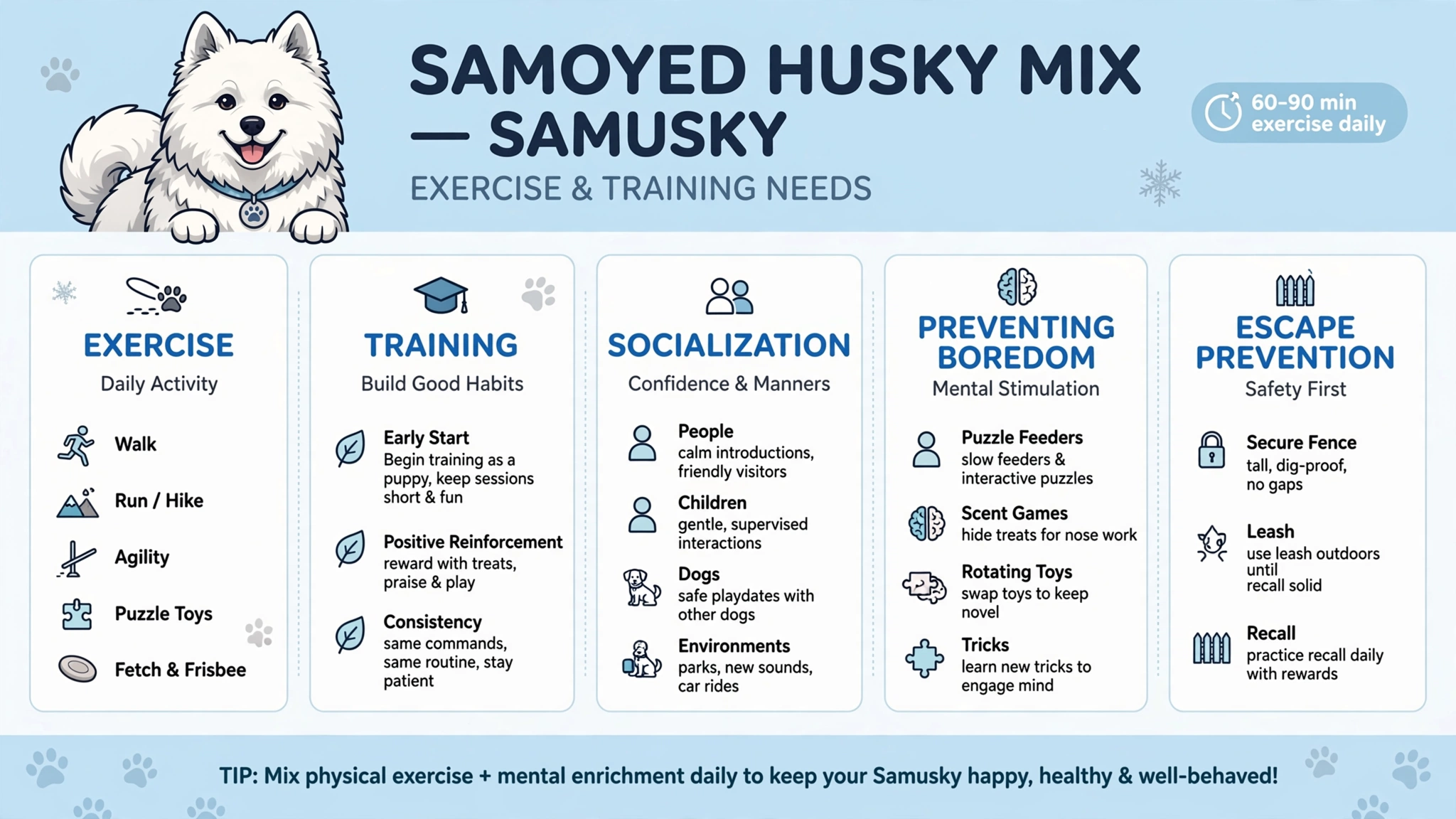
Exercise and Training Needs
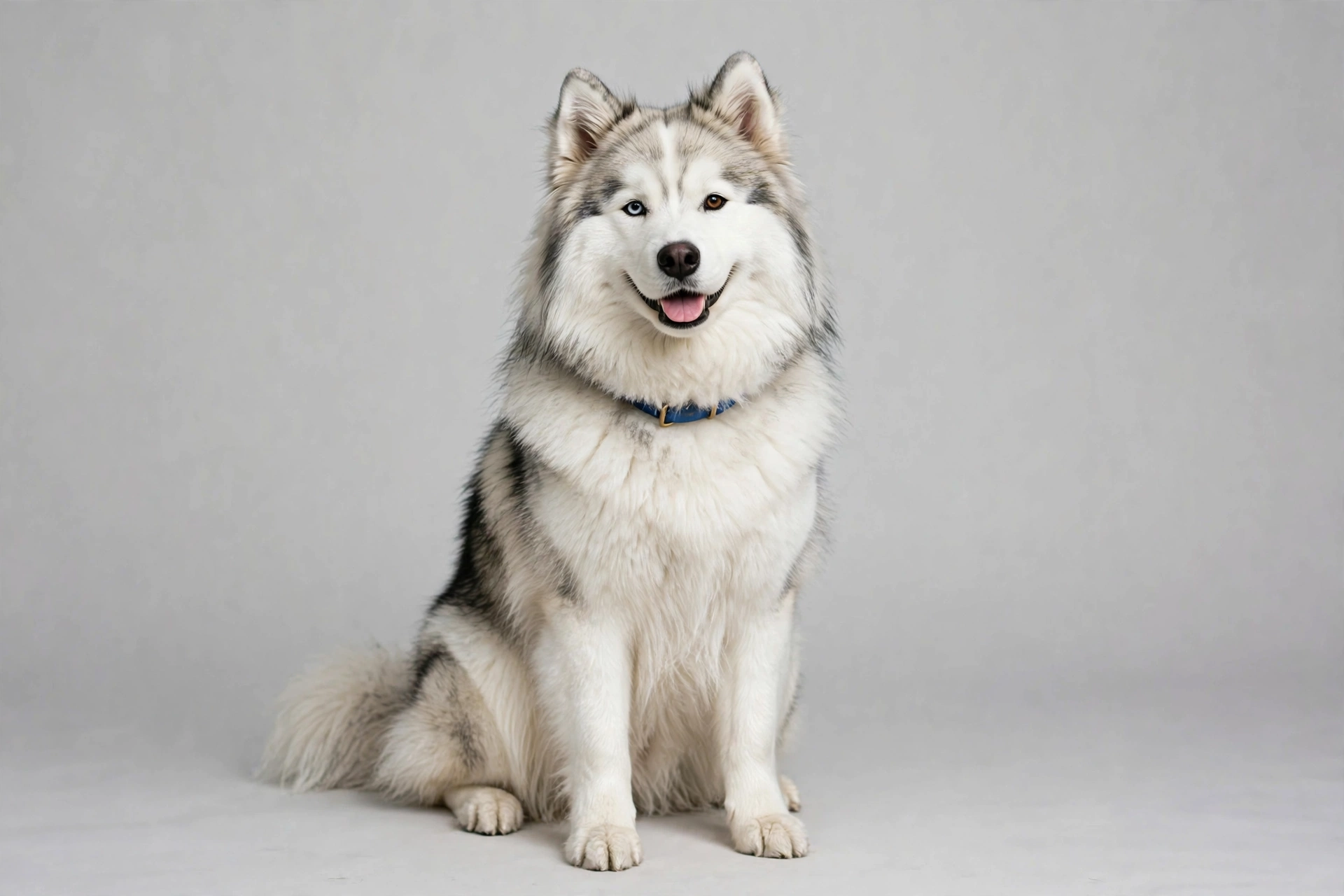
The Samoyed Husky Mix is a high-energy dog that requires plenty of daily exercise and mental stimulation. Since both the Samoyed and the Siberian Husky were originally bred as working dogs, a Samusky is happiest when it has a job to do or regular opportunities to stay active.
Owners should be prepared to spend time exercising and training their dog every day. Without enough physical activity or mental enrichment, a Samoyed Husky Mix may become bored and develop unwanted behaviors such as chewing, digging, excessive barking, or attempting to escape.
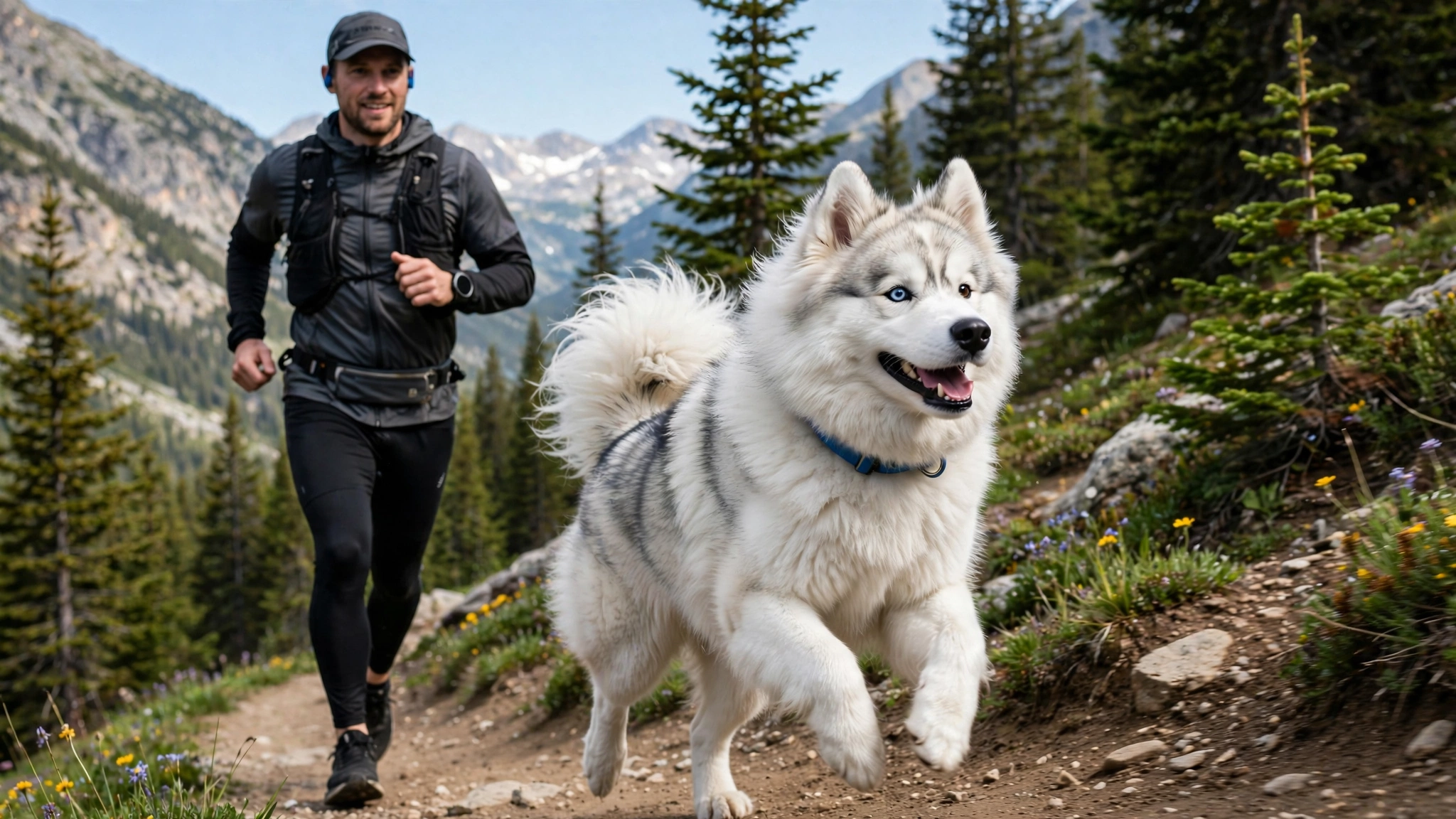
How Much Exercise Does a Samoyed Husky Mix Need?
Most adult Samuskies benefit from 60 to 90 minutes of exercise each day, although individual needs vary depending on age, health, and energy level.
A healthy routine may include:
- One or two daily walks
- Running or hiking with their owner
- Games of fetch or frisbee
- Interactive puzzle toys
- Obedience training sessions
- Agility or dog sports
- Secure off-leash play in a fenced area
Puppies should receive shorter, age-appropriate exercise sessions to protect their developing joints.
Training a Samoyed Husky Mix
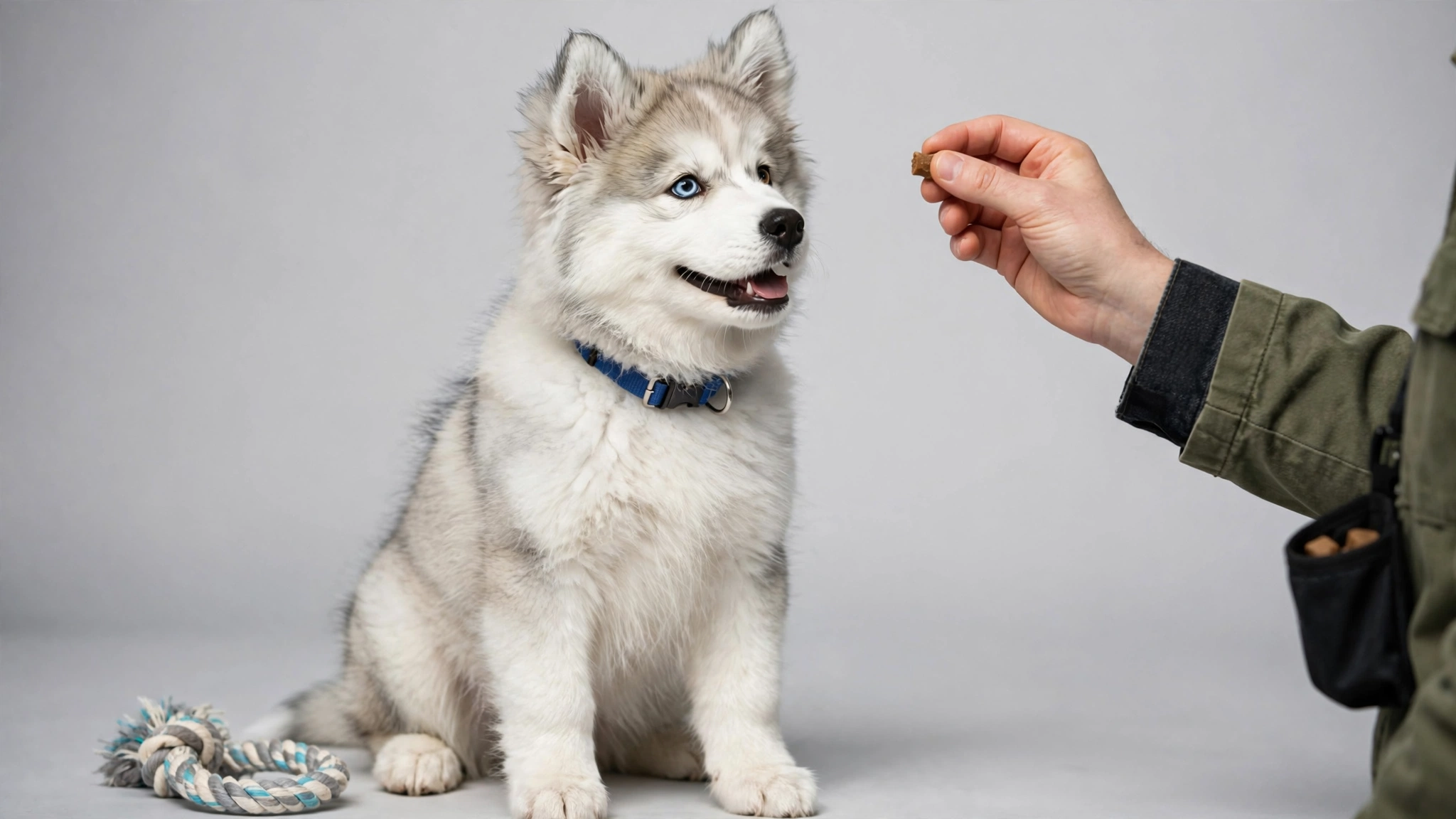
Training should begin as early as possible. The Samoyed Husky Mix is intelligent and eager to learn, but it can also inherit the Siberian Husky’s independent personality. Because of this, consistency and patience are essential.
Positive reinforcement techniques, such as praise, treats, and toys, usually produce the best results. Harsh punishment or negative training methods can damage trust and make training more difficult.
Focus on teaching basic commands, leash manners, recall, and good behavior around people and other animals from an early age.
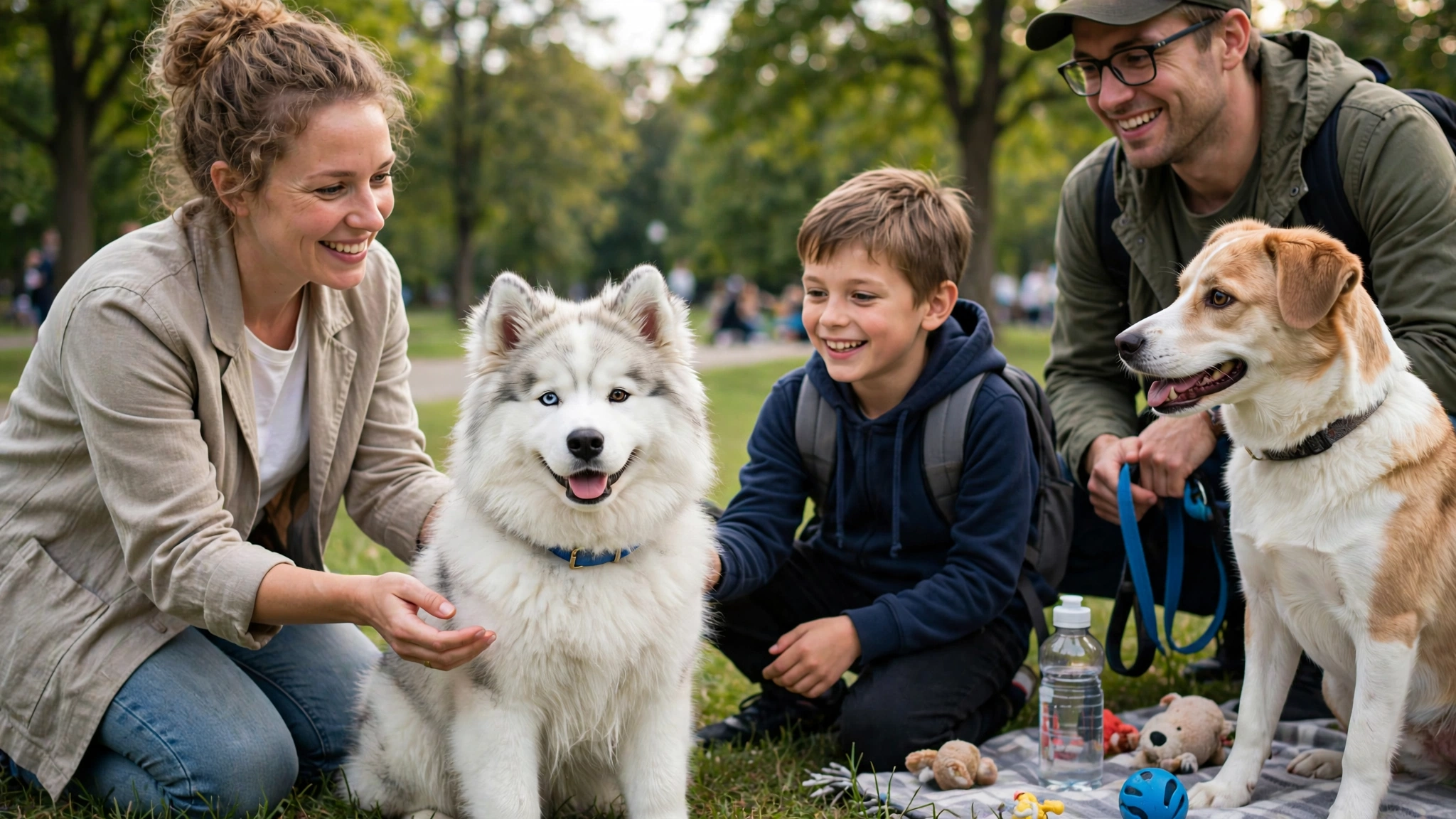
Socialization Is Essential
Early socialization helps a Samusky grow into a confident and well-mannered adult. Introduce your puppy to different people, children, friendly dogs, environments, and everyday experiences while keeping each interaction positive.
Proper socialization can help reduce fearfulness and improve your dog’s confidence in unfamiliar situations.
Preventing Boredom
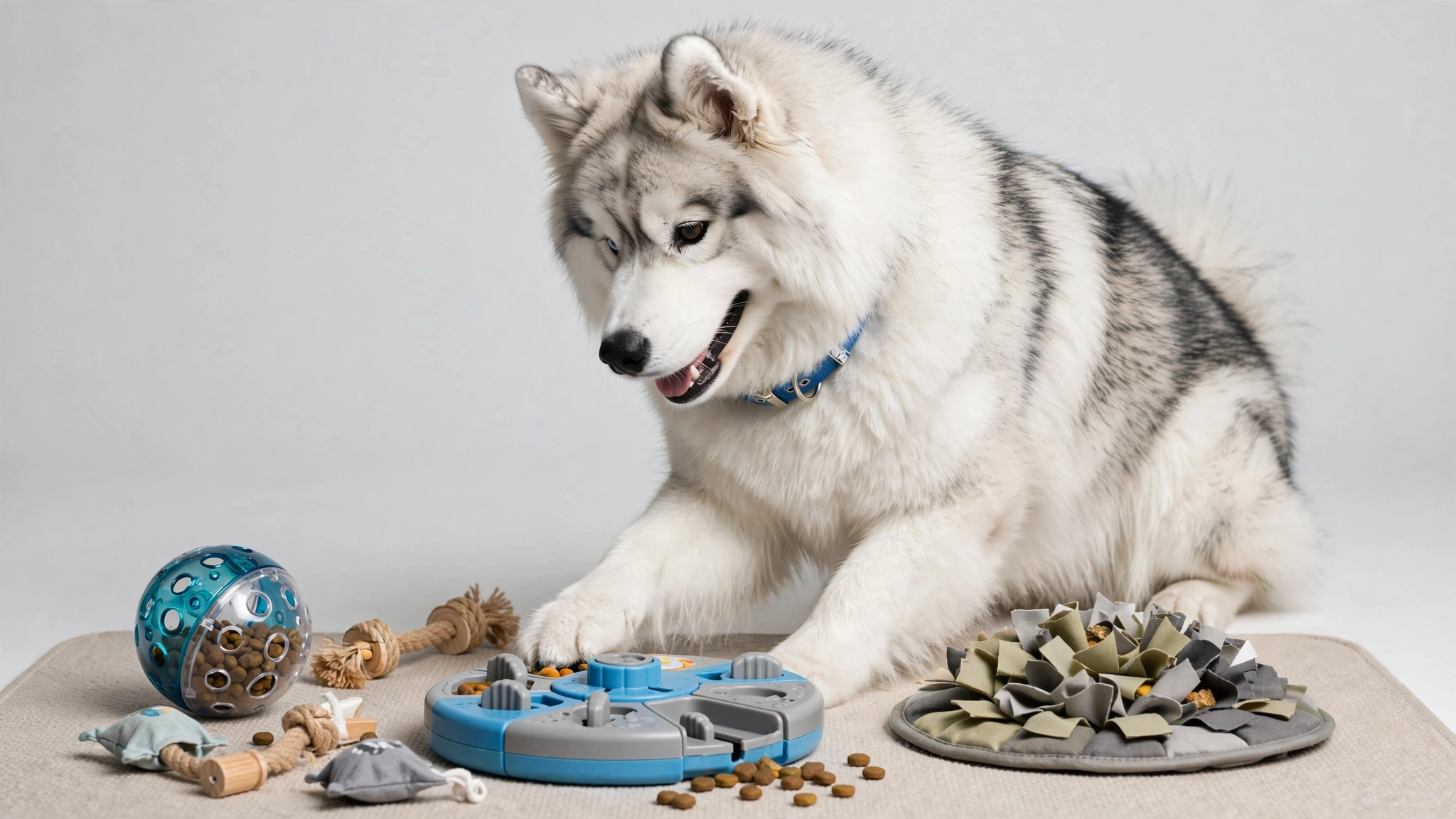
Because the Samoyed Husky Mix is both physically active and highly intelligent, mental stimulation is just as important as exercise.
To keep your Samusky engaged, consider:
- Rotating interactive toys
- Teaching new tricks regularly
- Playing scent and search games
- Using food-dispensing puzzle feeders
- Scheduling regular playtime with family members
Keeping your dog mentally challenged can help prevent destructive behaviors and strengthen the bond between you and your pet.
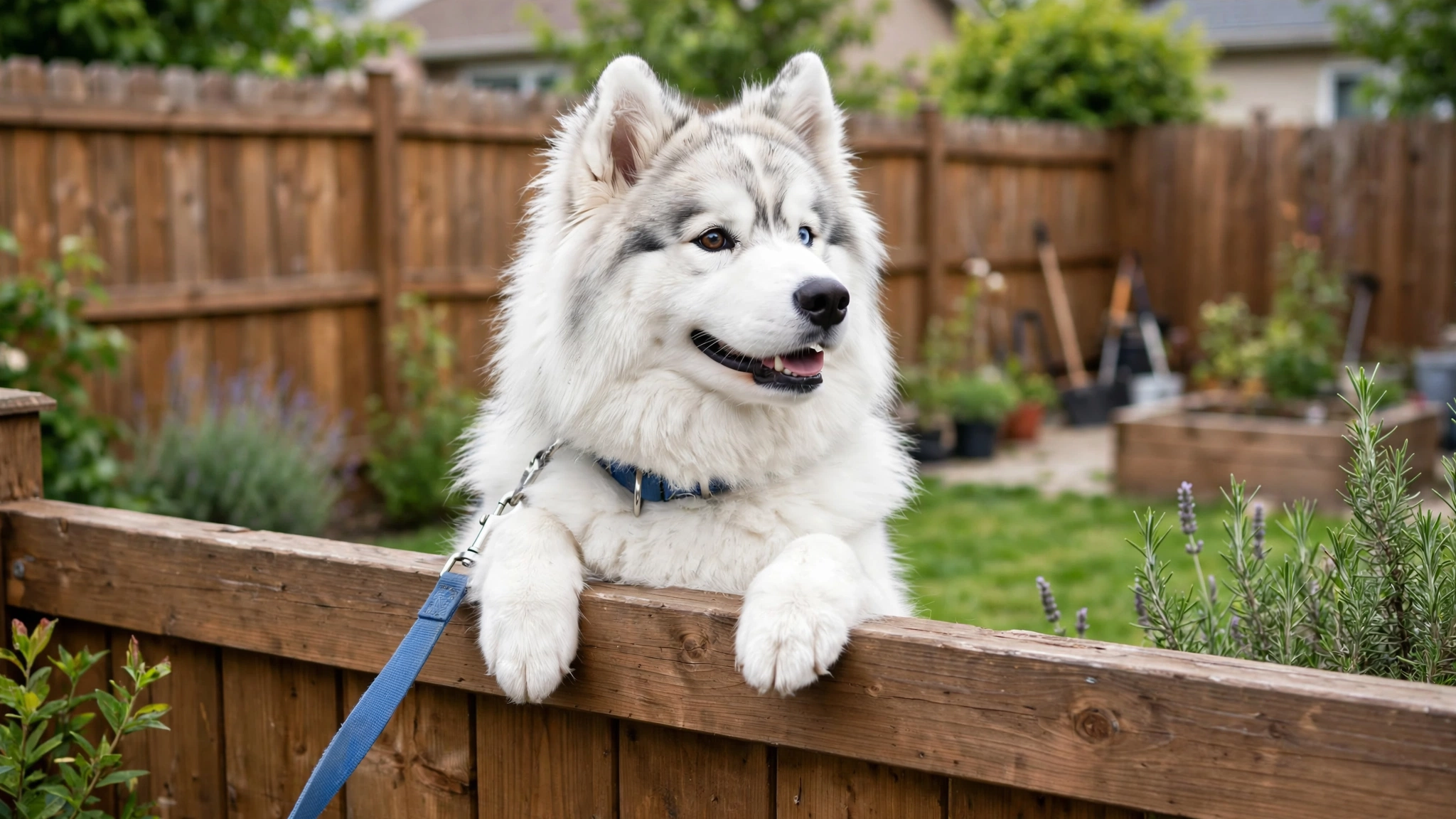
Do Samuskies Try to Escape?
Some Samuskies inherit the Siberian Husky’s natural curiosity and desire to explore. They may dig under fences, climb, or look for opportunities to wander if they become bored or under-exercised.
A secure, well-fenced yard, reliable recall training, and plenty of daily activity can greatly reduce the chances of escape. It’s also a good idea to keep your Samoyed Husky Mix on a leash during walks unless you’re in a safe, enclosed area.
Grooming and Shedding
The Samoyed Husky Mix has a thick double coat inherited from both the Samoyed and the Siberian Husky. While this beautiful coat helps protect the dog in cold weather, it also requires regular grooming throughout the year.
If you’re considering bringing a Samusky into your home, be prepared for routine brushing and seasonal shedding. Proper coat care not only keeps your dog looking its best but also helps maintain healthy skin and reduces loose hair around the house.
Do Samoyed Husky Mixes Shed a Lot?
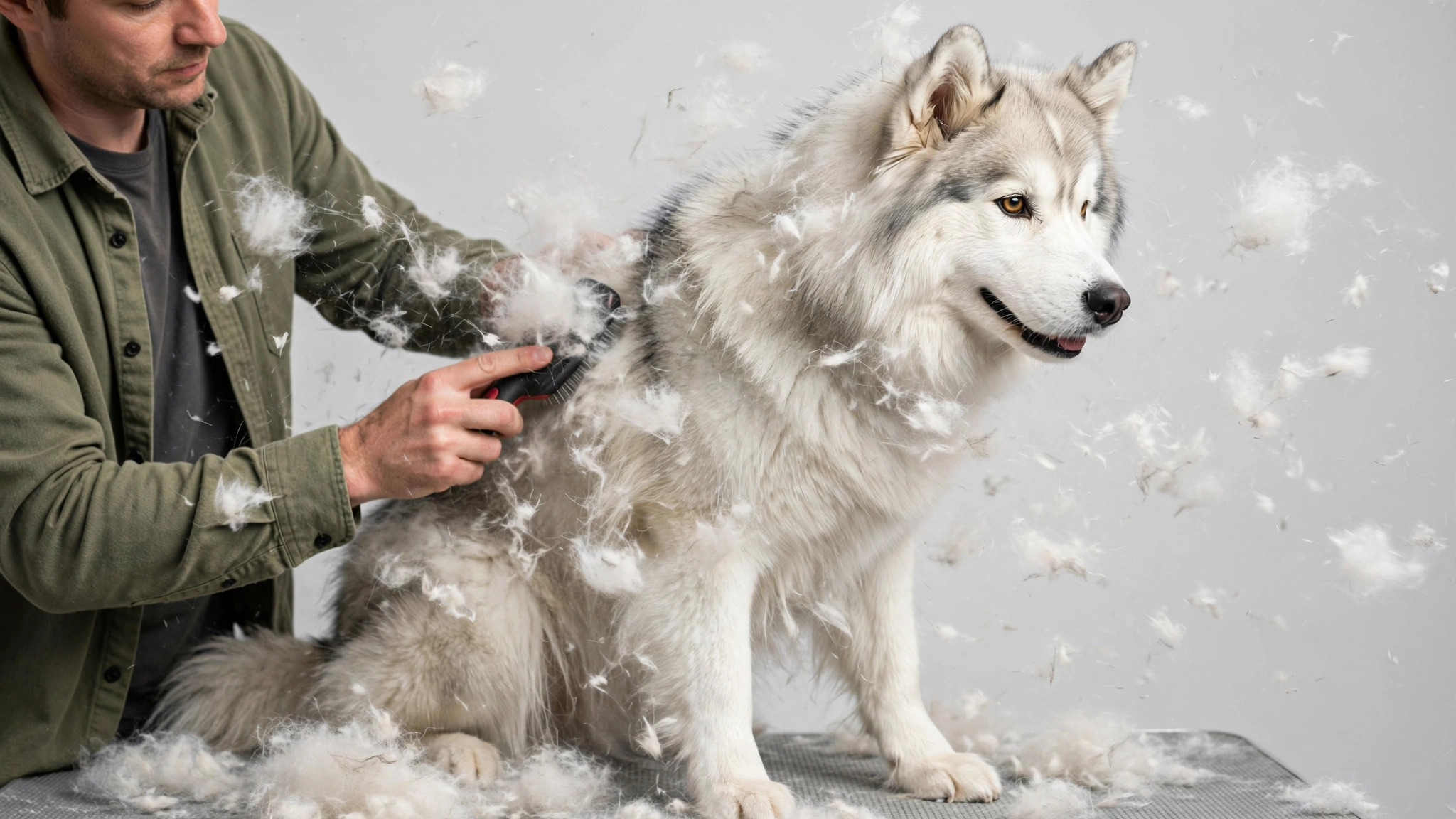
Yes. The Samoyed Husky Mix is considered a heavy shedder. Because both parent breeds have dense double coats, most Samuskies shed throughout the year and experience heavier shedding during the spring and fall when they “blow” their undercoat.
During these seasonal shedding periods, daily brushing can help remove loose fur and prevent excessive matting.
Brushing Requirements
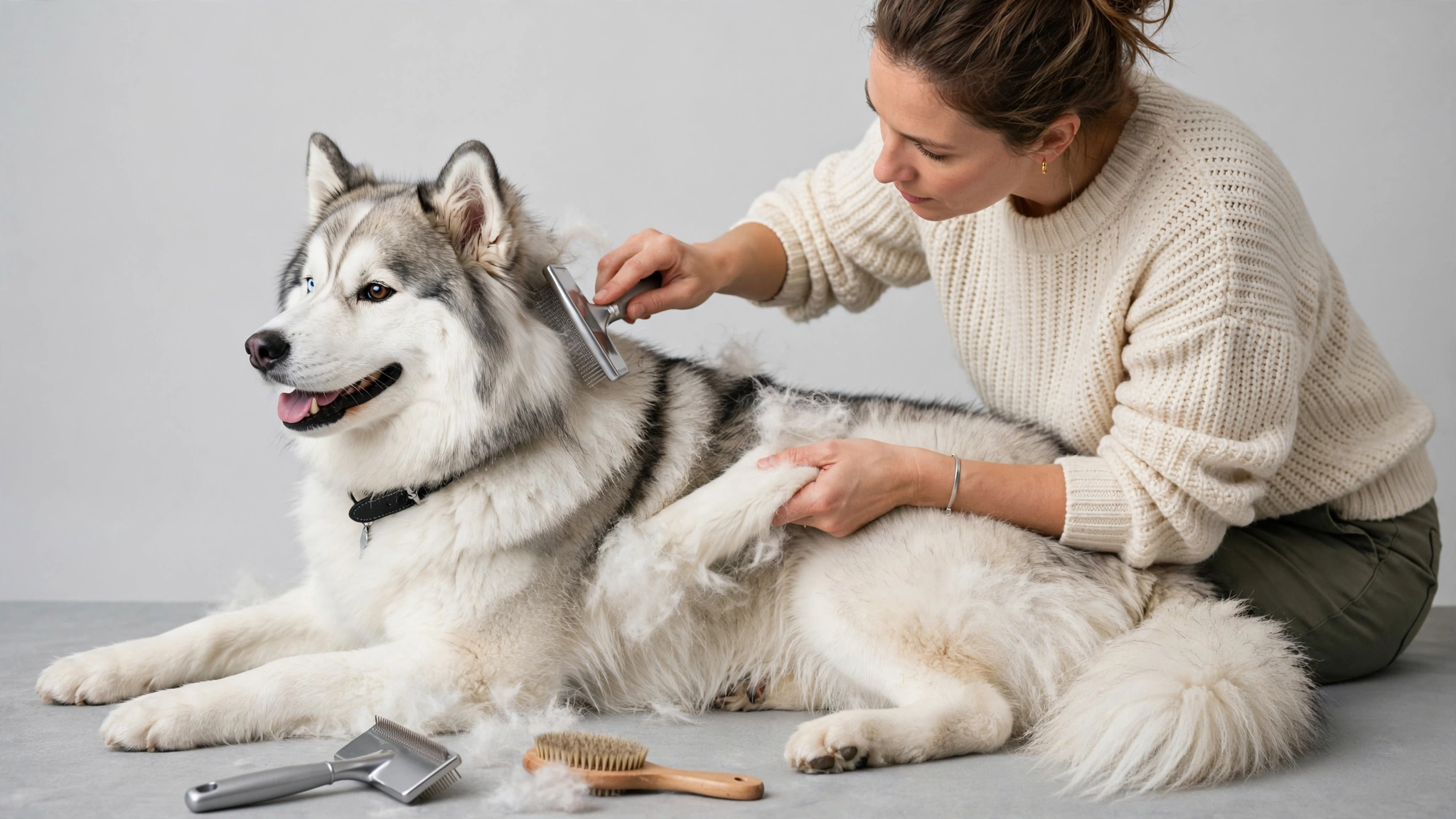
Regular brushing is one of the most important parts of caring for a Samusky’s coat.
A general grooming routine includes:
- Brushing 2 to 4 times per week during normal shedding.
- Daily brushing during heavy seasonal shedding.
- Using a slicker brush or undercoat rake to remove loose fur.
- Checking for tangles, especially behind the ears, around the neck, under the legs, and near the tail.
Consistent grooming helps distribute natural skin oils, keeps the coat healthy, and minimizes loose hair in your home.
Bathing
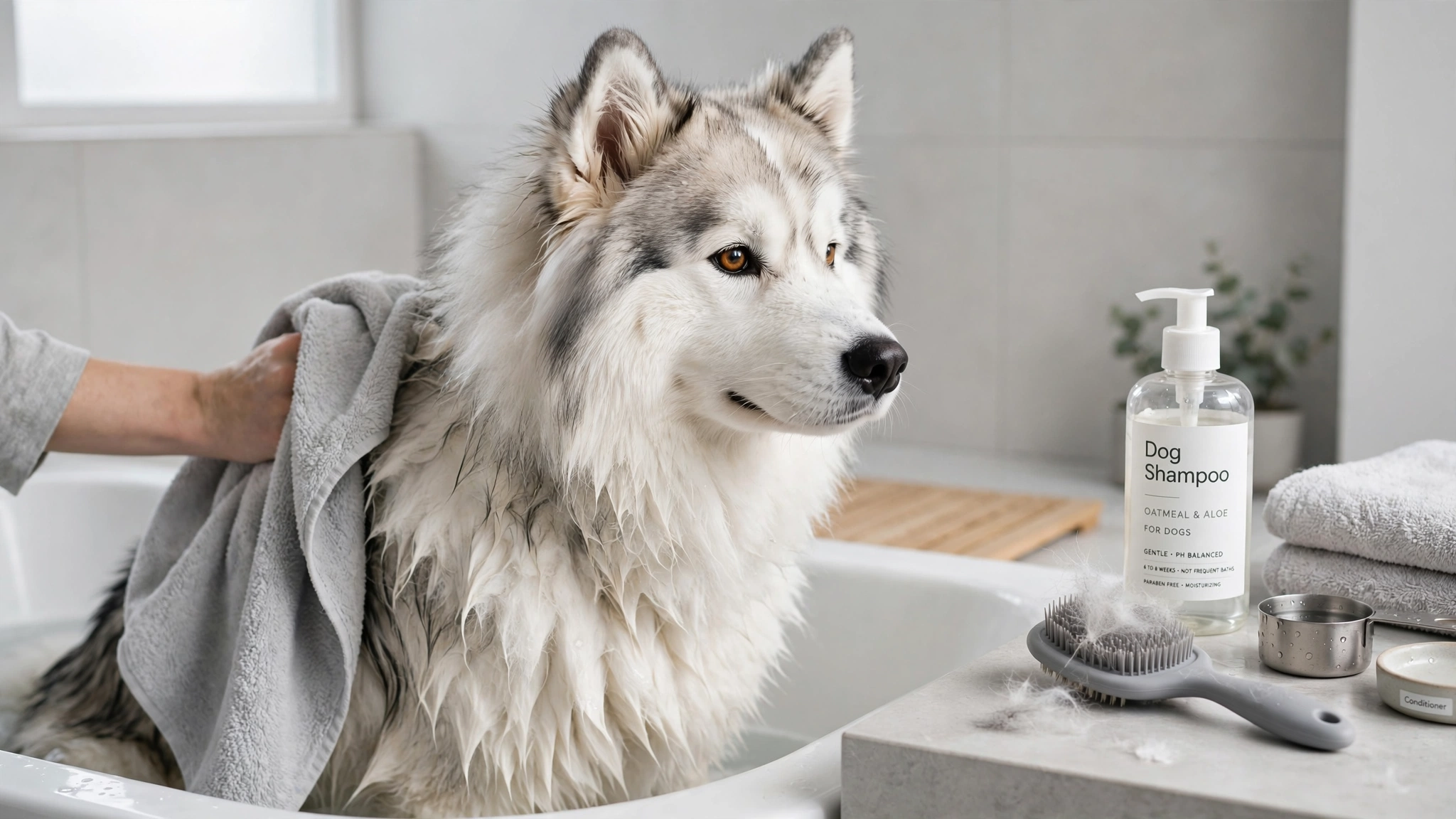
The Samoyed Husky Mix does not usually require frequent baths. Bathing every 6 to 8 weeks, or whenever the dog becomes particularly dirty, is generally sufficient for most healthy adults.
Always use a shampoo formulated specifically for dogs, and make sure the thick undercoat is completely dry after bathing to help prevent skin irritation.
Nail, Ear, and Dental Care
A complete grooming routine includes more than coat maintenance.
To keep your Samusky healthy:
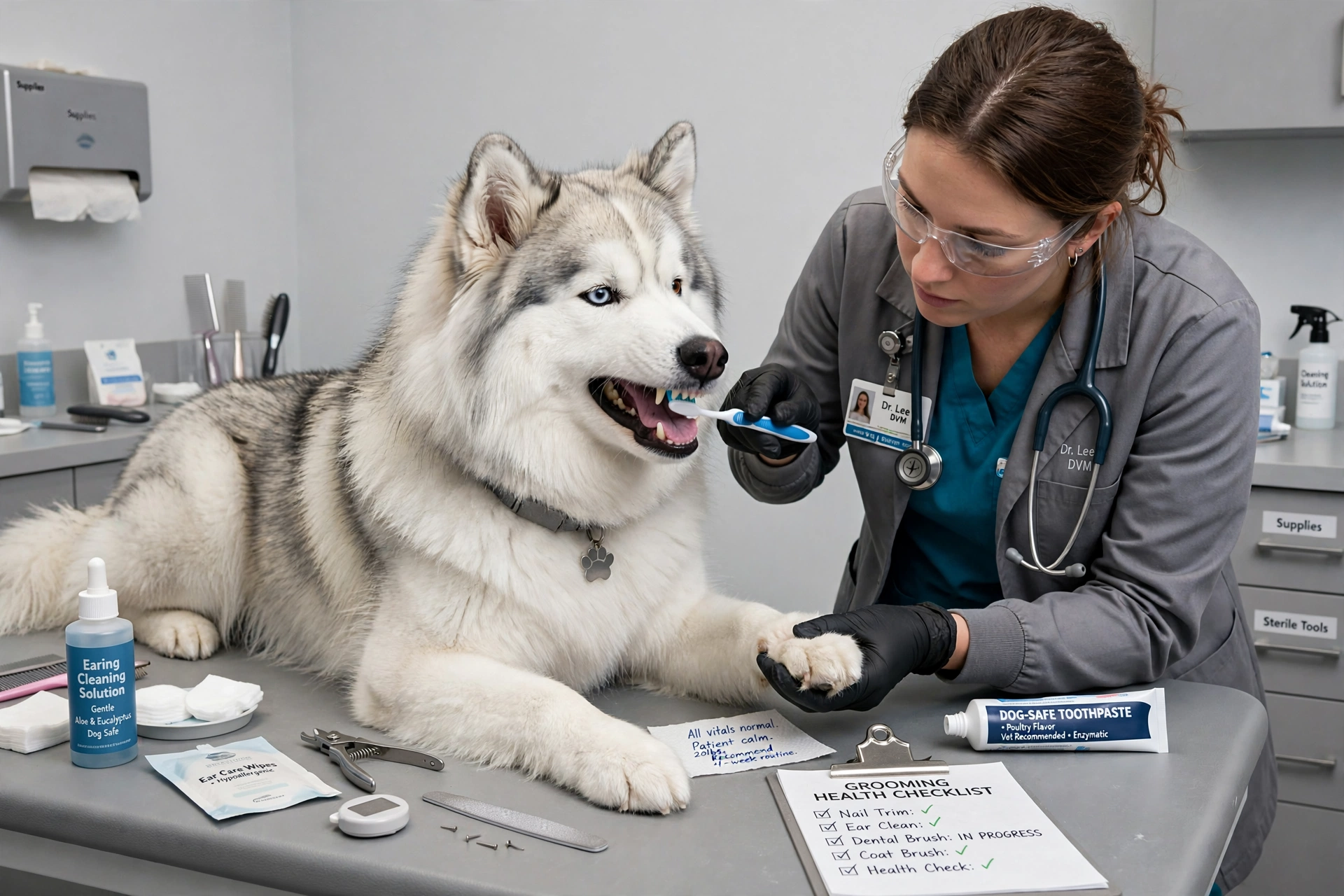
- Trim the nails regularly to prevent discomfort and overgrowth.
- Check and clean the ears as needed to reduce the risk of infections.
- Brush your dog’s teeth several times each week using a dog-safe toothpaste.
- Schedule regular veterinary checkups to monitor your dog’s overall health.
Can You Shave a Samoyed Husky Mix?
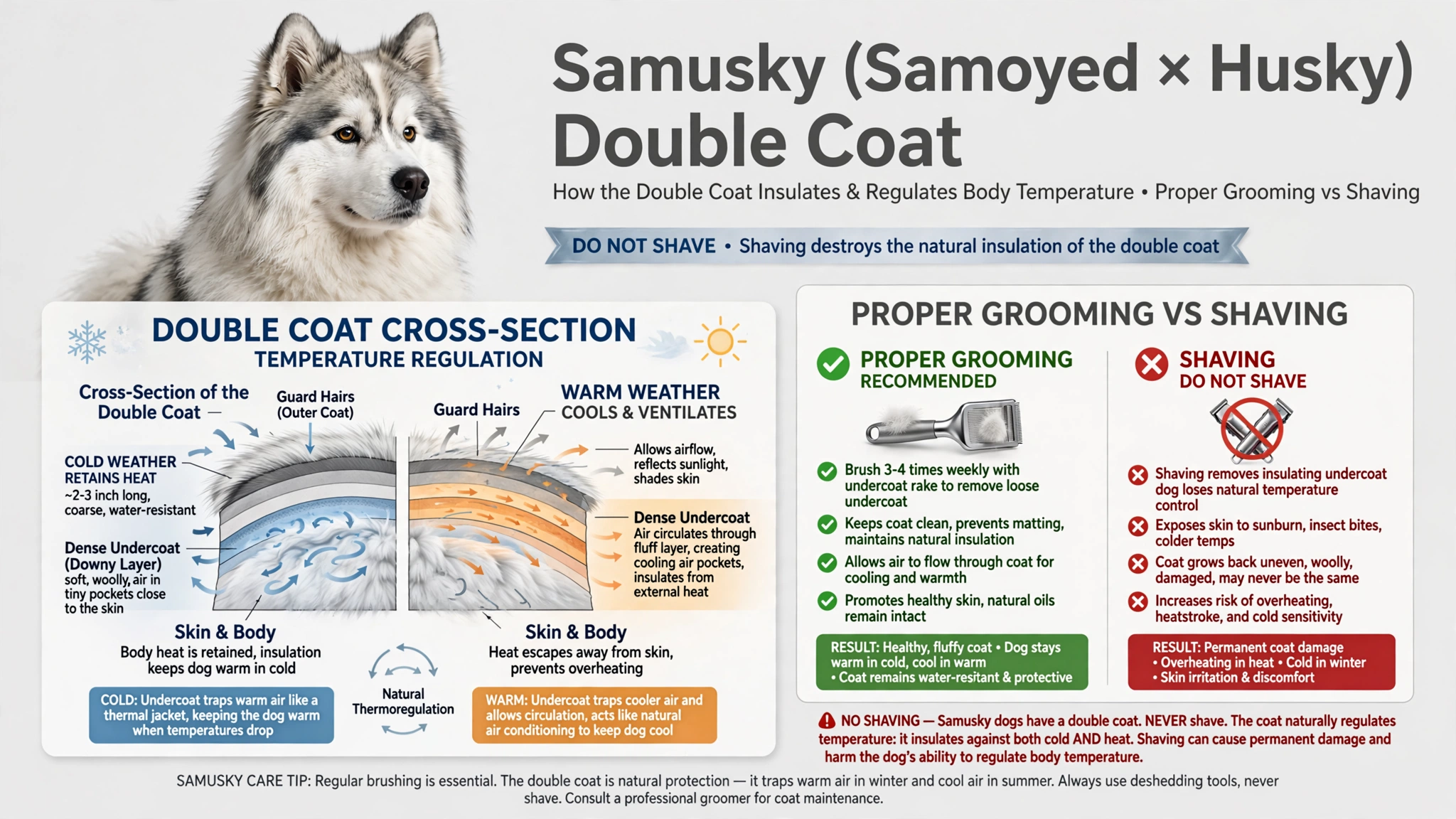
In most cases, shaving a Samoyed Husky Mix is not recommended unless it is medically necessary and advised by a veterinarian.
A double coat helps regulate body temperature by providing insulation in both cold and warm weather. Removing the coat can interfere with this natural protection and may affect how the fur grows back. Regular brushing and proper grooming are usually the best ways to manage shedding instead of shaving the coat.
Diet and Nutrition
A healthy diet plays an important role in keeping a Samoyed Husky Mix active, maintaining a healthy weight, and supporting its thick double coat. Since every Samusky is unique, its nutritional requirements will depend on factors such as age, size, activity level, metabolism, and overall health.
Choosing a high-quality, nutritionally balanced dog food and feeding the correct portion sizes can help your dog stay healthy throughout every stage of life.
What Should a Samoyed Husky Mix Eat?
Most Samuskies thrive on a complete and balanced commercial dog food that meets nutritional standards for their life stage. Highly active dogs may require a formula designed for active or working breeds, while less active dogs may need fewer calories to maintain a healthy weight.
Look for dog food that provides:
- High-quality animal protein
- Healthy fats for skin and coat health
- Essential vitamins and minerals
- Omega-3 and Omega-6 fatty acids
- Appropriate calcium and phosphorus levels for bone health
Always introduce new foods gradually over several days to help avoid digestive upset.
Treats and Fresh Water
Treats can be useful during training but should be given in moderation. Too many treats can contribute to unnecessary weight gain and reduce the nutritional balance of your dog’s daily diet.
Fresh, clean drinking water should always be available, especially after exercise or during warm weather.

How Much Should a Samoyed Husky Mix Eat?
There is no single feeding amount that suits every Samusky. The ideal portion depends on several factors, including:
- Age
- Body weight
- Activity level
- Overall health
- Type of food being fed
Instead of relying on a fixed number of cups per day, follow the feeding guidelines provided by the dog food manufacturer and adjust portions based on your dog’s body condition. Your veterinarian can also recommend an appropriate feeding plan.
Foods to Avoid
Some human foods can be harmful or toxic to dogs. Avoid feeding your Samoyed Husky Mix foods such as:
- Chocolate
- Grapes and raisins
- Onions
- Garlic
- Xylitol (found in some sugar-free products)
- Alcohol
- Cooked bones
- Macadamia nuts
If you believe your dog has eaten something toxic, contact your veterinarian immediately.

Maintaining a Healthy Weight
Because activity levels vary between individual Samuskies, regular weight checks are important. You should be able to feel your dog’s ribs without pressing hard, while still seeing a defined waist when viewed from above.
Combining a balanced diet with daily exercise and regular veterinary checkups is the best way to help your Samoyed Husky Mix maintain a healthy weight and enjoy a long, active life.
Essential dietary recommendations for a healthy Samoyed Husky Mix.
Samoyed Husky Mix Health Problems
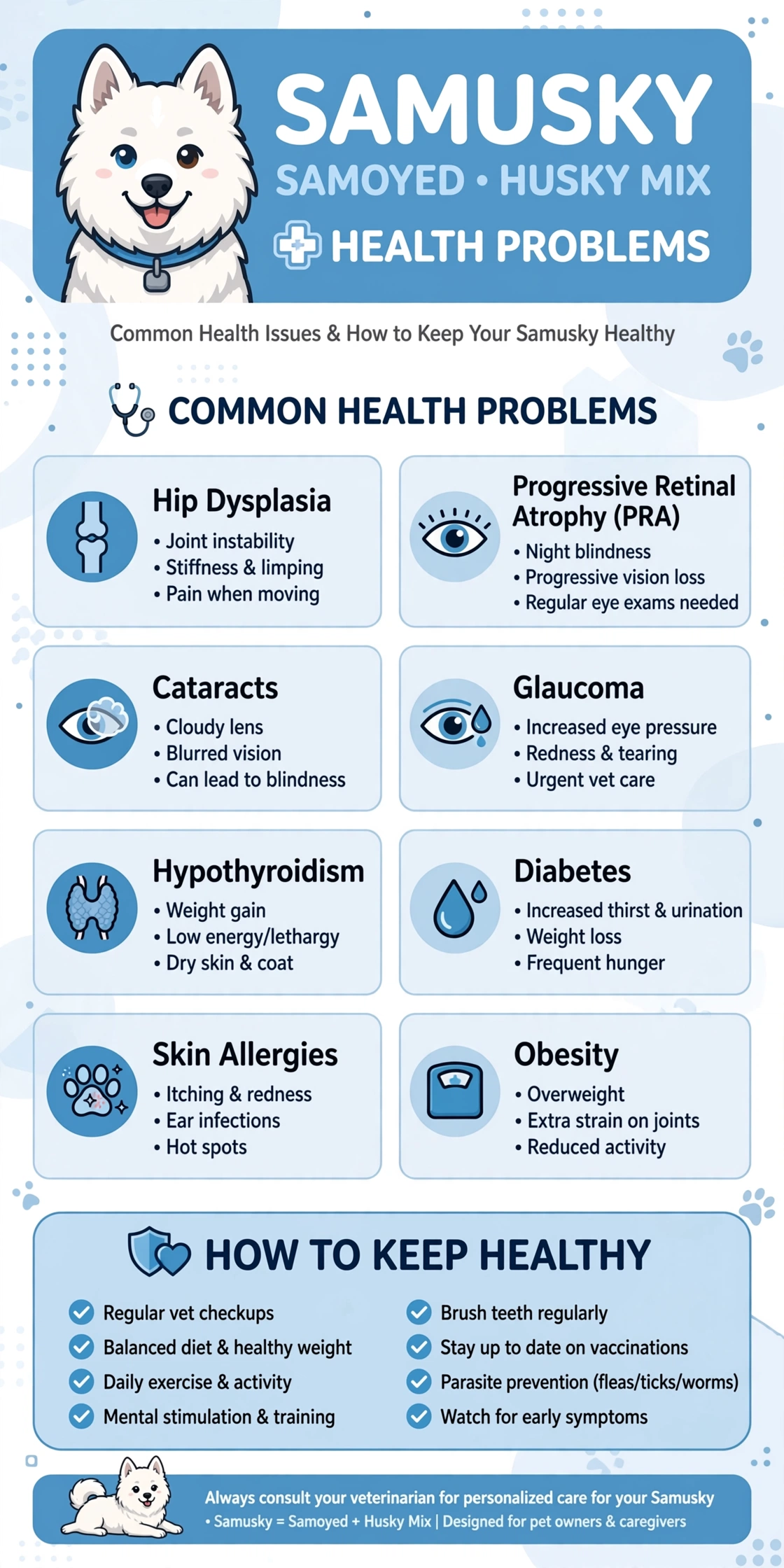
The Samoyed Husky Mix is generally considered a healthy and active dog. However, like all mixed breeds, a Samusky may inherit certain health conditions associated with its Samoyed or Siberian Husky parent. While many Samuskies enjoy long, healthy lives, regular veterinary checkups, a balanced diet, routine exercise, and responsible breeding practices can help reduce the risk of inherited health issues.
Below are some of the more common health concerns that may affect a Samoyed Husky Mix.
Hip Dysplasia
Hip dysplasia is a condition in which the hip joint does not develop properly, leading to joint instability and, over time, arthritis. Affected dogs may show signs such as stiffness, difficulty standing, limping, or reduced willingness to exercise. Maintaining a healthy weight and following your veterinarian’s recommendations can help manage the condition.The Orthopedic Foundation for Animals (OFA) provides information about hip evaluations and responsible breeding practices.
Progressive Retinal Atrophy (PRA)
Progressive Retinal Atrophy (PRA) is an inherited eye disease that gradually damages the retina and can eventually lead to vision loss. Early signs often include difficulty seeing in low light or at night. Although there is currently no cure, regular eye examinations can help detect the condition early.
Cataracts
Some Samuskies may inherit a higher risk of developing cataracts. This condition causes the lens of the eye to become cloudy, which can affect vision. Mild cataracts may not significantly impact a dog’s quality of life, while more advanced cases may require veterinary treatment or surgery.
Glaucoma
Glaucoma occurs when pressure builds up inside the eye, potentially causing pain and permanent vision loss if left untreated. Symptoms may include redness, excessive tearing, squinting, or a swollen eye. Prompt veterinary care is important if glaucoma is suspected.
Hypothyroidism
Hypothyroidism develops when the thyroid gland does not produce enough hormones. Dogs with this condition may experience weight gain, low energy levels, dry skin, hair loss, or recurring skin infections. Fortunately, hypothyroidism is usually manageable with lifelong medication prescribed by a veterinarian.
Diabetes Mellitus
Although not common, some Samoyed Husky Mix dogs may develop diabetes. Signs include increased thirst, frequent urination, weight loss despite a normal appetite, and reduced energy levels. Early diagnosis and proper treatment can help affected dogs live comfortable lives.
Skin Allergies
Some Samuskies may be prone to skin allergies or sensitivities that can cause itching, redness, excessive scratching, or recurring ear infections. Allergies may be triggered by environmental factors, parasites, or certain foods. A veterinarian can help identify the underlying cause and recommend an appropriate treatment plan.
Obesity
A Samoyed Husky Mix that does not receive enough exercise or is consistently overfed may become overweight. Excess body weight places additional stress on the joints and increases the risk of several health conditions. Providing a balanced diet and regular daily exercise is one of the best ways to maintain a healthy body condition.
How to Keep Your Samoyed Husky Mix Healthy
While genetics cannot be changed, good daily care can significantly improve your dog’s overall health and quality of life. To help your Samusky stay healthy:
- Schedule regular veterinary checkups.
- Feed a complete and balanced diet.
- Maintain a healthy body weight.
- Provide daily exercise and mental stimulation.
- Brush the coat regularly and keep the skin clean.
- Brush your dog’s teeth several times each week.
- Keep vaccinations and parasite prevention up to date.
- Contact your veterinarian if you notice changes in appetite, behavior, vision, mobility, or energy levels.
With responsible care and early preventive healthcare, many Samoyed Husky Mix dogs live active, happy, and healthy lives for many years.
For general canine nutrition recommendations, see the American Animal Hospital Association (AAHA) nutrition resources.
Samoyed Husky Mix Health Guide
Common health conditions that may affect a Samusky throughout its lifetime.
Overall Health
Generally healthy with proper care and responsible breeding.
Hip Dysplasia
May affect the hip joints and reduce mobility over time.
Eye Disorders
PRA, cataracts, and glaucoma are possible inherited conditions.
Hypothyroidism
Can slow metabolism and affect skin, coat, and energy levels.
Diabetes
Less common but possible in some Samoyed Husky Mix dogs.
Skin Allergies
Some dogs may experience itchy skin or environmental allergies.
Healthy Weight
Daily exercise and portion control help reduce obesity risks.
Vet Checkups
Annual examinations help identify health problems early.
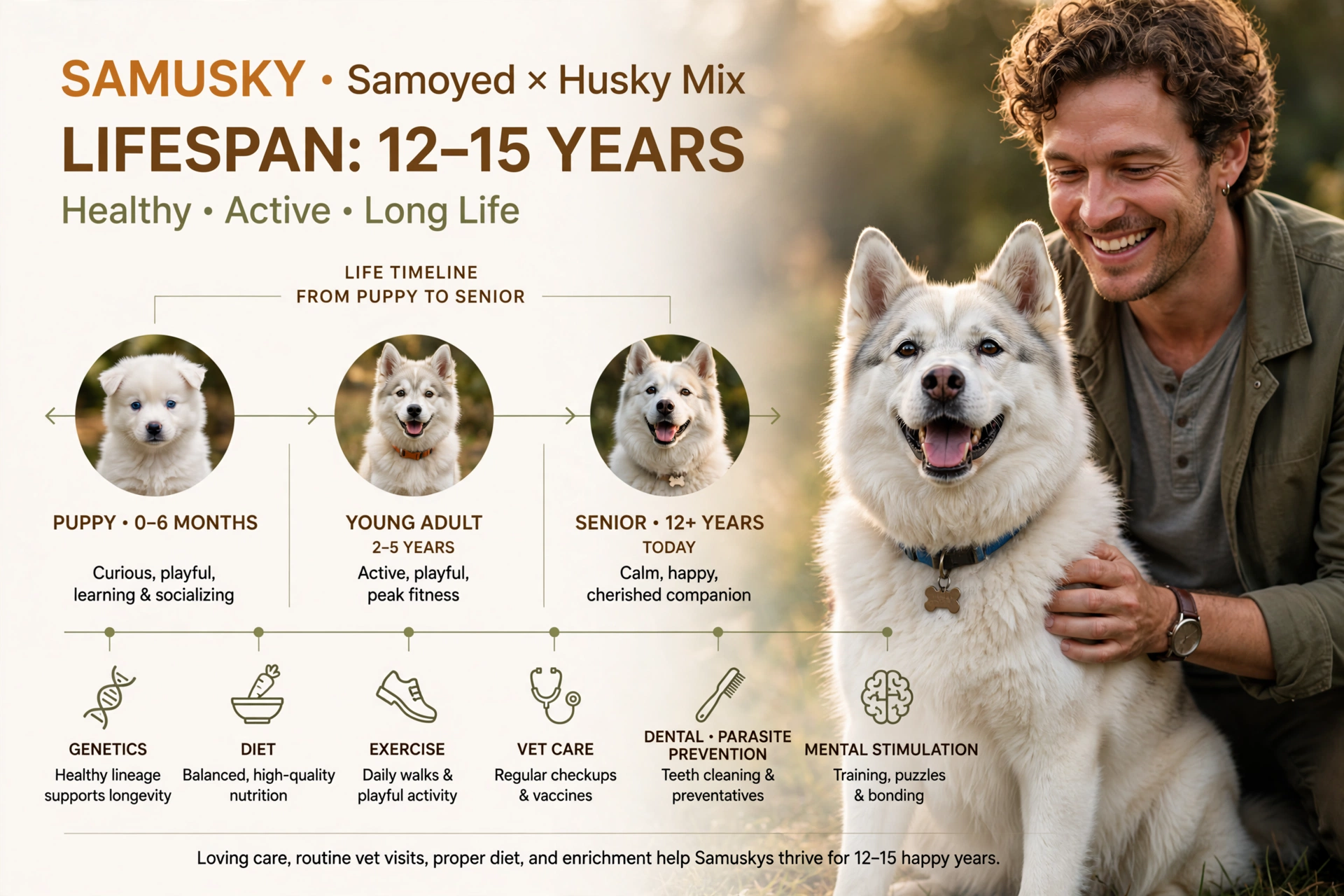
Samoyed Husky Mix Lifespan
The Samoyed Husky Mix typically lives between 12 and 15 years, although individual dogs may live longer or shorter lives depending on their genetics, overall health, lifestyle, and the quality of care they receive. Since the Samusky is a cross between two generally healthy working breeds, many enjoy long, active lives when provided with proper nutrition, regular exercise, and routine veterinary care.
Average Lifespan
Most Samuskies have an average lifespan of 12 to 15 years. Factors such as responsible breeding, preventive healthcare, maintaining a healthy weight, and early detection of medical conditions can all contribute to a longer and healthier life.
While genetics play an important role, daily care has a significant impact on your dog’s overall well-being and longevity.
Factors That Affect Lifespan
Several factors can influence how long a Samoyed Husky Mix lives, including:
Genetics inherited from the Samoyed and Siberian Husky parents.
A balanced, high-quality diet that meets nutritional needs.
Regular daily exercise to maintain a healthy body weight.
Preventive veterinary care, including vaccinations and health screenings.
Good dental hygiene to reduce the risk of dental disease.
Parasite prevention and routine grooming.
Mental stimulation through training, play, and interactive activities.
Providing consistent care throughout your dog’s life can help reduce the risk of many preventable health problems.
How to Help Your Samoyed Husky Mix Live Longer
While no one can guarantee how long a dog will live, there are several steps owners can take to support a healthy, active life:
Feed a complete and balanced diet.
Keep your dog at a healthy weight.
Provide at least 60–90 minutes of daily exercise.
Schedule regular veterinary checkups.
Brush your dog’s teeth several times each week.
Keep vaccinations and parasite prevention up to date.
Groom the coat regularly to maintain healthy skin and fur.
Provide plenty of mental stimulation through games, training, and social interaction.
Watch for changes in appetite, energy level, vision, mobility, or behavior, and seek veterinary advice if concerns arise.
With responsible ownership and preventive healthcare, many Samoyed Husky Mix dogs remain playful, affectionate, and active well into their senior years.
Pros and Cons of Owning a Samoyed Husky Mix
The Samoyed Husky Mix is an intelligent, affectionate, and energetic companion, but like any dog, it isn’t the perfect fit for every household. Before bringing home a Samusky, it’s important to understand both the advantages and the challenges of owning this active hybrid.
Pros
Friendly and Affectionate
Most Samuskies are social dogs that enjoy spending time with their families. They often develop strong bonds with their owners and generally get along well with children and other dogs when properly socialized.
Intelligent and Quick Learners
Thanks to the intelligence of both parent breeds, the Samoyed Husky Mix can learn commands and new skills quickly. Positive reinforcement and consistent training usually produce the best results.
Excellent Companion for Active Owners
If you enjoy hiking, jogging, camping, or spending time outdoors, a Samusky can make an excellent adventure partner. Their energy and endurance allow them to keep up with an active lifestyle.
Beautiful Appearance
With their thick double coat, expressive eyes, fluffy tail, and wolf-like features, Samuskies are often admired for their striking appearance. Each dog has its own unique combination of Samoyed and Siberian Husky traits.
Loyal Family Dog
When properly trained and socialized, the Samoyed Husky Mix is often a loyal and loving family companion that enjoys participating in everyday activities.
Cons
Heavy Shedding
Both parent breeds are heavy shedders, so expect year-round shedding and even heavier shedding during seasonal coat changes. Regular brushing is essential to help manage loose fur.
High Exercise Requirements
A Samusky needs plenty of daily physical activity and mental stimulation. Without enough exercise, boredom can lead to destructive behaviors such as chewing, digging, or excessive barking.
Independent Personality
Although intelligent, some Samuskies inherit the Siberian Husky’s independent nature. This can make training more challenging for first-time dog owners and requires patience and consistency.
Not Ideal for Being Left Alone
The Samoyed Husky Mix enjoys companionship and may become bored or anxious if left alone for long periods. Households where someone is home for much of the day are often a better fit.
Grooming Takes Time
Maintaining a healthy double coat requires regular brushing and seasonal grooming. Owners should be prepared to invest time in coat care throughout the year.
Is the Samoyed Husky Mix Right for You?
A Samoyed Husky Mix can be an excellent choice for active individuals and families who have enough time for daily exercise, grooming, training, and companionship. However, if you’re looking for a low-maintenance or low-energy dog, another breed may be a better fit.
Before choosing any dog, consider your lifestyle, available time, living space, and long-term commitment to ensure you can meet your pet’s physical and emotional needs.
Pros & Cons of Owning a Samoyed Husky Mix
A quick overview of the advantages and challenges of living with a Samusky.
Pros
- Friendly & Affectionate Forms strong bonds with family members and enjoys companionship.
- Highly Intelligent Learns quickly with consistent, positive reinforcement training.
- Great for Active Owners Excellent companion for hiking, jogging, and outdoor adventures.
- Beautiful Appearance Thick fluffy coat and striking wolf-like features attract attention.
- Family Friendly Usually gets along well with children when properly socialized.
- Loyal Companion Enjoys spending time with its owners and being part of family life.
Cons
- Heavy Shedding Requires frequent brushing, especially during seasonal shedding.
- Needs Daily Exercise Requires at least 60–90 minutes of physical activity each day.
- Independent Nature Can sometimes be stubborn and requires patient training.
- High Grooming Needs Double coat requires regular maintenance throughout the year.
- Dislikes Being Alone May become bored or anxious if left alone for long periods.
- Not Ideal in Extreme Heat The thick double coat makes hot climates more challenging.
Is a Samoyed Husky Mix Right for You?
The Samoyed Husky Mix can be a wonderful companion for the right owner, but it isn’t the ideal breed for everyone. Before bringing a Samusky home, consider whether you can meet its exercise, grooming, training, and social needs.
A Samoyed Husky Mix May Be Right for You If:
A Samusky is often an excellent choice for people who enjoy an active lifestyle and want a loyal, affectionate companion.
You may be a good match if you:
Enjoy daily walks, hiking, jogging, or other outdoor activities.
Have enough time to provide 60–90 minutes of exercise each day.
Don’t mind regular brushing and seasonal shedding.
Are willing to invest time in consistent training and early socialization.
Want an intelligent, playful, and family-oriented dog.
Have a securely fenced yard or easy access to safe outdoor exercise areas.
A Samoyed Husky Mix May Not Be the Best Choice If:
Although this hybrid has many wonderful qualities, it may not suit every household.
You may want to consider another breed if you:
Prefer a low-maintenance dog.
Have very little time for daily exercise or training.
Are away from home for long periods every day.
Want a dog that sheds very little.
Live a mostly sedentary lifestyle.
Are not prepared for the grooming needs of a thick double coat.
Ideal Home Environment
The Samoyed Husky Mix usually thrives in homes where it receives plenty of attention, regular exercise, and opportunities for mental stimulation. While apartment living is possible for some Samuskies, they generally do best when they have enough space to stay active and a family committed to meeting their physical and emotional needs.
If you’re considering different Husky mixes, our Great Dane Husky Mix guide explores another hybrid known for its size, loyalty, and energetic personality.

Final Thoughts
If you’re looking for an energetic, intelligent, and affectionate companion and are prepared for the responsibility of regular grooming and exercise, the Samoyed Husky Mix can be an incredibly rewarding addition to your family. With proper care, training, and socialization, many Samuskies grow into loyal companions that bring years of happiness to their owners.
Looking for more breed guides? Explore our articles on the French Bulldog, German Shepherd Husky Mix, and other popular dog breeds to find the perfect companion for your lifestyle.
Frequently Asked Questions
Find answers to the most common questions about the Samoyed Husky Mix.
What is a Samoyed Husky Mix?
A Samoyed Husky Mix, often called a Samusky, is a hybrid dog created by crossing a Samoyed with a Siberian Husky. This mix combines the intelligence, loyalty, and energy of both parent breeds.
How big does a Samoyed Husky Mix get?
Most Samoyed Husky Mix dogs grow to between 20 and 24 inches tall and typically weigh 45 to 65 pounds, although individual dogs may be larger or smaller depending on their genetics.
Do Samoyed Husky Mixes shed a lot?
Yes. Samuskies have a thick double coat inherited from both parent breeds and are considered heavy shedders. Regular brushing, especially during seasonal shedding, helps manage loose fur.
Are Samoyed Husky Mixes good family dogs?
Yes. With proper training and early socialization, most Samuskies are affectionate, playful, and friendly, making them excellent companions for active families with children.
Are Samoyed Husky Mixes easy to train?
They are intelligent and learn quickly, but they can also inherit the independent nature of the Siberian Husky. Consistent, reward-based training produces the best results.
Can a Samoyed Husky Mix live in an apartment?
Yes, but only if it receives plenty of daily exercise and mental stimulation. Because this is a high-energy breed, access to regular outdoor activities is essential.
Can Samoyed Husky Mixes live in hot weather?
They can live in warmer climates if proper precautions are taken. Always provide shade, fresh water, and avoid strenuous exercise during the hottest parts of the day.
How much exercise does a Samoyed Husky Mix need?
Most healthy adult Samuskies need between 60 and 90 minutes of daily exercise, along with mental enrichment through games, training, or puzzle toys.
How long does a Samoyed Husky Mix live?
With proper care, a Samoyed Husky Mix typically lives between 12 and 15 years. A healthy diet, regular exercise, and routine veterinary care all contribute to longevity.
Are Samoyed Husky Mixes good with other pets?
Many Samuskies get along well with other dogs and pets when introduced properly from an early age. Early socialization and consistent training are important for developing positive behavior.



I admire the valuable facts you provide inside your content. Ill bookmark your weblog and also have my youngsters test up right here often. I am very certain theyll discover a lot of new stuff here than anyone else!