

“Eyes are the windows to the soul” is one of the most enduring expressions in history, suggesting that our eyes can reveal emotions, thoughts, and even our true character without a single word being spoken. For centuries, this phrase has appeared in literature, philosophy, psychology, and spiritual teachings, inspiring people to believe that the eyes offer a glimpse into a person’s inner self. But what does it really mean, where did it originate, and is there any scientific truth behind it? In this article, we’ll explore the meaning, origin, psychology, and symbolism of why eyes are often called the windows to the soul.
What Does “Eyes Are the Windows to the Soul” Mean?
The phrase “eyes are the windows to the soul” is a metaphor that suggests our eyes can reveal emotions, intentions, and aspects of our personality that words may hide. A genuine smile often reaches the eyes, while feelings such as sadness, fear, excitement, or love can be reflected through eye contact, facial expressions, and subtle changes in the eyes. Although the saying isn’t meant to be taken literally, it highlights the belief that our eyes are one of the most expressive parts of the human body and can provide insight into our inner thoughts and feelings.
Modern psychology also supports the idea that people rely heavily on eye contact and facial cues when interpreting emotions. While it’s impossible to determine someone’s character or thoughts simply by looking into their eyes, they often communicate feelings more honestly than spoken words. This combination of emotional expression and human perception is one reason why the phrase has remained meaningful across cultures for centuries.
Where Did the Phrase “Eyes Are the Windows to the Soul” Originate?
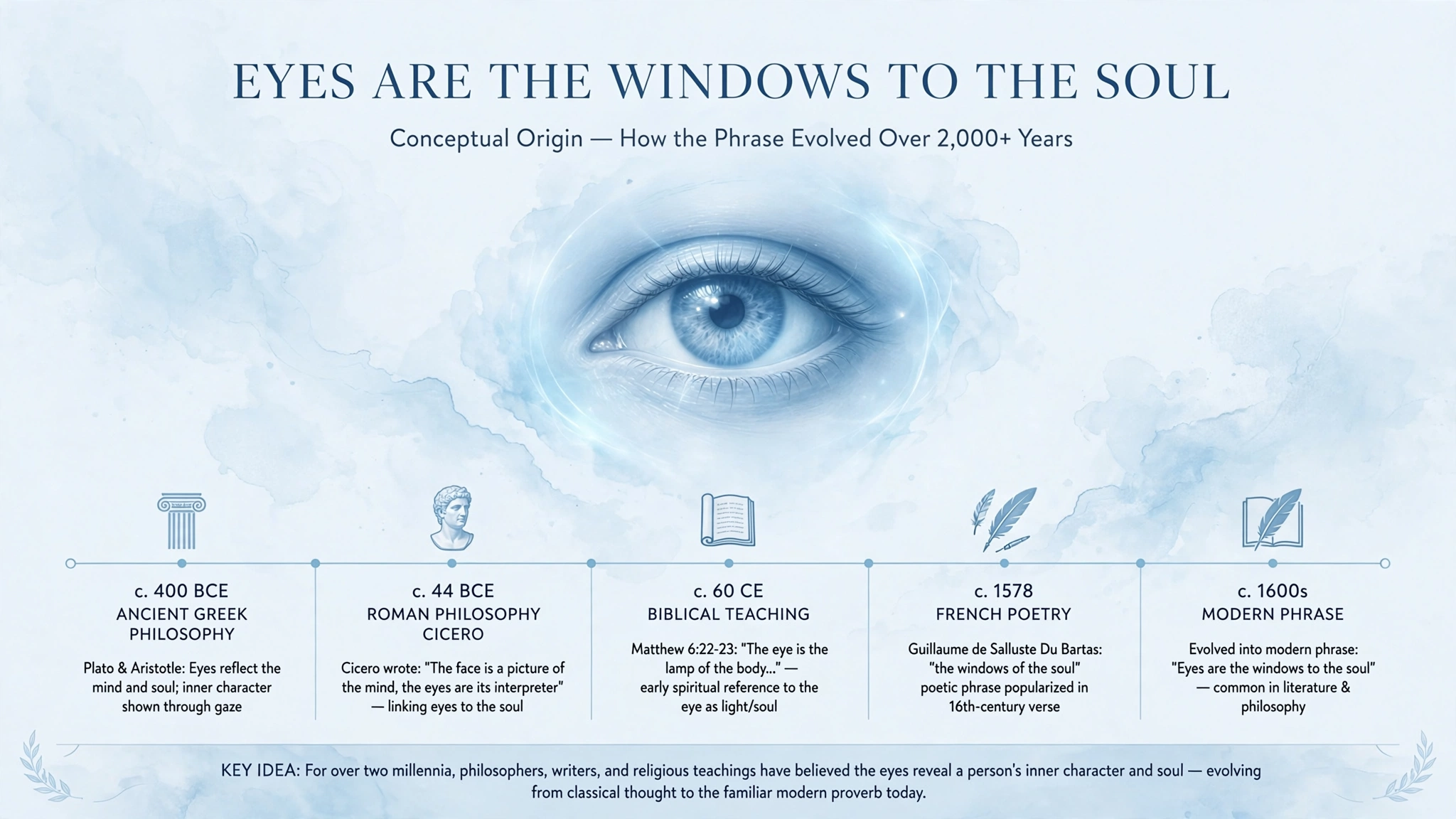
While the exact origin of the phrase is uncertain, the idea dates back thousands of years. Variations of “eyes are the windows to the soul” have appeared in philosophy, literature, and religious teachings across different civilizations. The concept is commonly linked to ancient thinkers such as Cicero and later popularized by writers and philosophers who believed that a person’s eyes reflected their inner character.
Can Your Eyes Really Reveal Your Emotions?
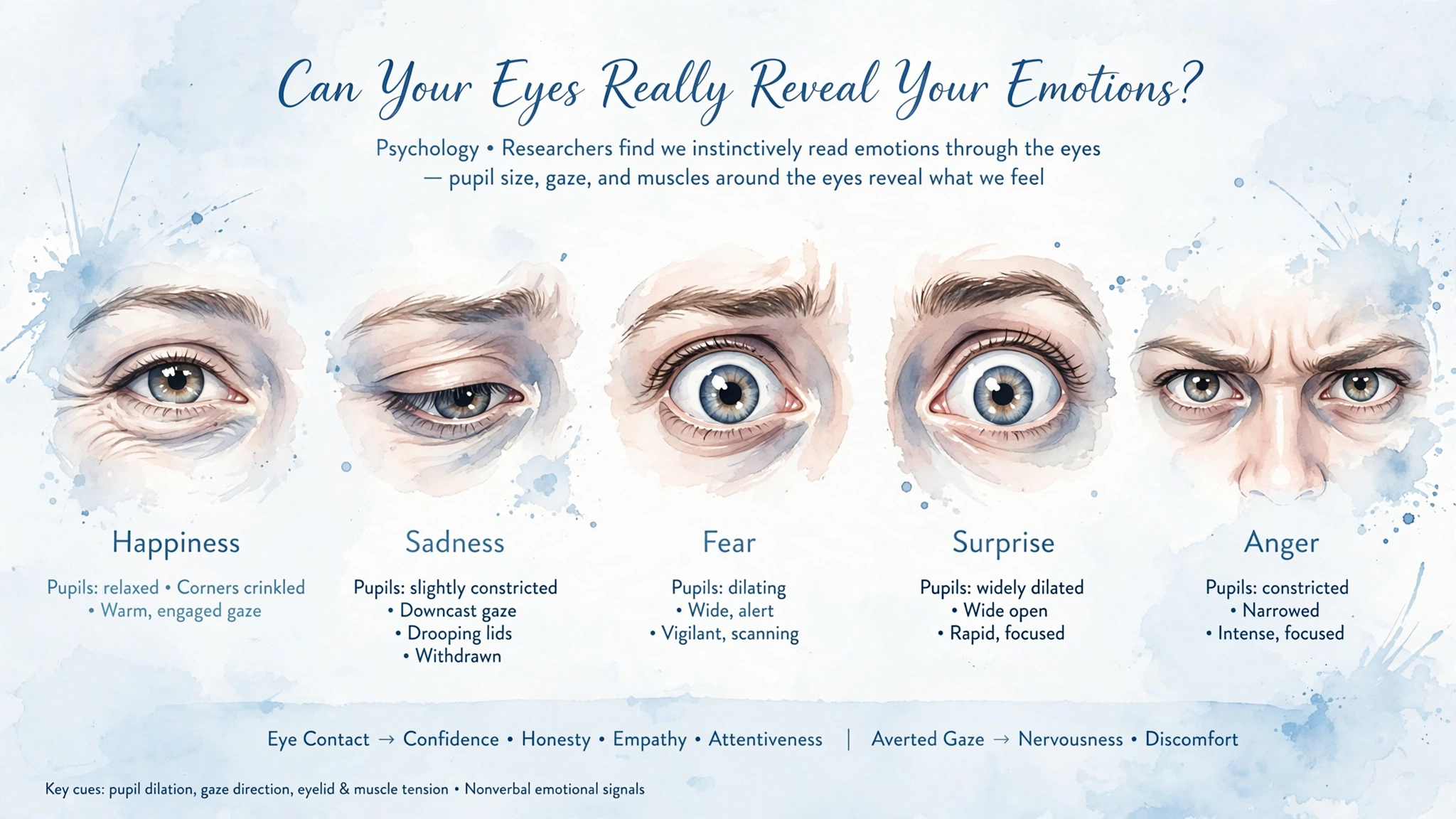
The idea that the eyes reveal our inner feelings isn’t just poetic—it also has support from modern psychology. Researchers have found that people instinctively look to the eyes when interpreting emotions such as happiness, sadness, fear, surprise, and anger. Even subtle changes in eye movement, pupil size, and the muscles around the eyes can provide clues about how someone is feeling. Research on facial expressions and emotion recognition has shown that people rely heavily on the eyes when identifying emotional states.
Eye contact also plays an important role in human communication. Maintaining appropriate eye contact can convey confidence, honesty, empathy, and attentiveness, while avoiding it may sometimes suggest nervousness, discomfort, or distraction. However, these behaviors should always be interpreted in context, as cultural differences, personality, and individual circumstances can influence how people use eye contact.
Although our eyes can express genuine emotions, they cannot reliably reveal a person’s entire personality or intentions. The phrase “eyes are the windows to the soul” remains a powerful metaphor because our eyes often communicate feelings that words alone cannot fully express.
Eyes in Literature, Religion, and Symbolism
Throughout history, the eyes have been regarded as more than just the organs of sight. Across different cultures, religions, and literary works, they have symbolized truth, wisdom, sincerity, and the deepest aspects of human nature. This widespread symbolism is one of the main reasons why the phrase “eyes are the windows to the soul” has remained meaningful for generations.
In literature, writers often describe the eyes as a reflection of a character’s emotions and intentions. Rather than explaining how someone feels, authors frequently use eye contact, facial expressions, and subtle descriptions of the eyes to reveal love, fear, hope, sadness, or determination. This literary technique allows readers to connect with characters on a deeper emotional level, reinforcing the belief that our eyes can communicate feelings words sometimes cannot.
Many religious and spiritual traditions also attach symbolic meaning to the eyes. While the exact phrase “eyes are the windows to the soul” does not appear in the Bible, several passages describe the eye as a symbol of light, perception, and spiritual awareness. Similar ideas can also be found in other cultures, where the eyes represent wisdom, intuition, and a person’s inner character rather than simply their physical ability to see.
In everyday life, this symbolism continues to influence how we interact with others. We often look into someone’s eyes to judge sincerity, build trust, or understand their emotions during conversations. Whether viewed through literature, religion, or human psychology, the eyes remain one of the most powerful symbols of emotional expression and personal connection.
How Different Perspectives Interpret "Eyes Are the Windows to the Soul"
| Perspective | What It Means | Key Takeaway |
|---|---|---|
| Everyday Meaning | A person's eyes often reveal emotions and feelings that words may hide. | Eyes are one of the most expressive forms of nonverbal communication. |
| Psychology | Eye contact, facial expressions, and subtle eye movements help people recognize emotions. | Eyes provide emotional cues but cannot fully reveal personality. |
| Literature | Authors use the eyes to express a character's emotions, intentions, and inner thoughts. | Eyes symbolize honesty, love, fear, hope, and determination. |
| Religion & Spirituality | Many traditions view the eyes as symbols of inner awareness, truth, and spiritual perception. | The phrase is symbolic rather than a literal statement. |
| Modern Science | Research shows the eyes help communicate emotions but cannot determine someone's character or soul. | Human behavior is influenced by genetics, experiences, and environment. |
Can Eye Color Reveal Your Personality?
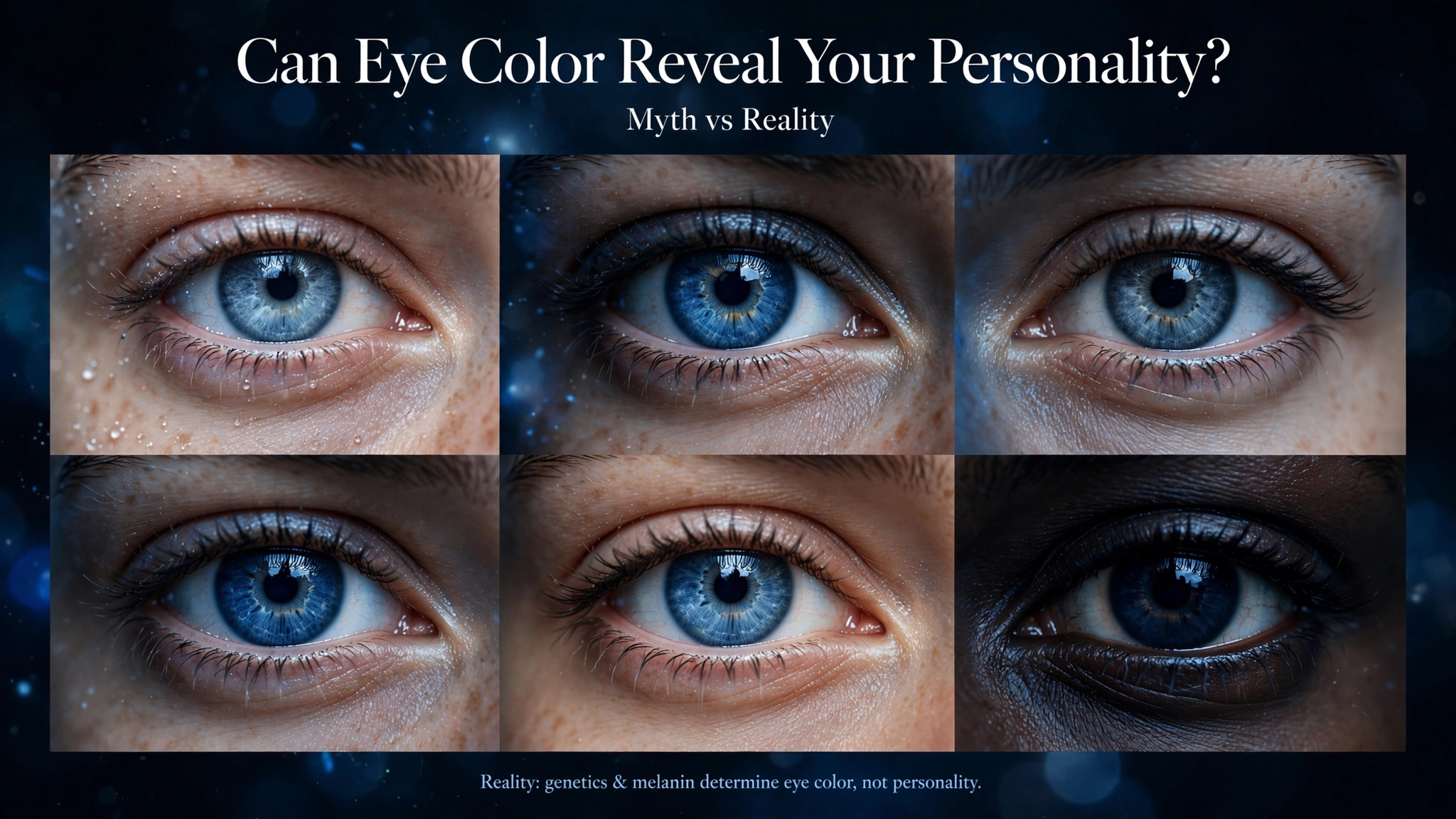
Eye color has fascinated people for centuries, leading to many beliefs about what different colors might say about a person’s personality. From ancient folklore to modern social media, it’s common to hear that people with blue eyes are calm, those with brown eyes are trustworthy, or individuals with green eyes are mysterious. While these ideas are entertaining, it’s important to understand the difference between popular beliefs and scientific evidence.
Some researchers have explored possible links between eye color and certain behavioral traits, but the findings have been limited and are far from conclusive. Eye color is primarily determined by genetics and the amount of melanin in the iris, not by personality. Factors such as life experiences, environment, and individual temperament have a much greater influence on how a person thinks and behaves.
That doesn’t mean eye color isn’t fascinating. Some eye colors are far rarer than others, and their unique appearance has inspired myths, cultural beliefs, and scientific research for centuries. If you’re curious about which eye color is the rarest and why, explore our guide on the rarest eye colors in the world. While people may associate certain traits with specific eye colors, these associations should be viewed as cultural beliefs rather than established scientific facts.
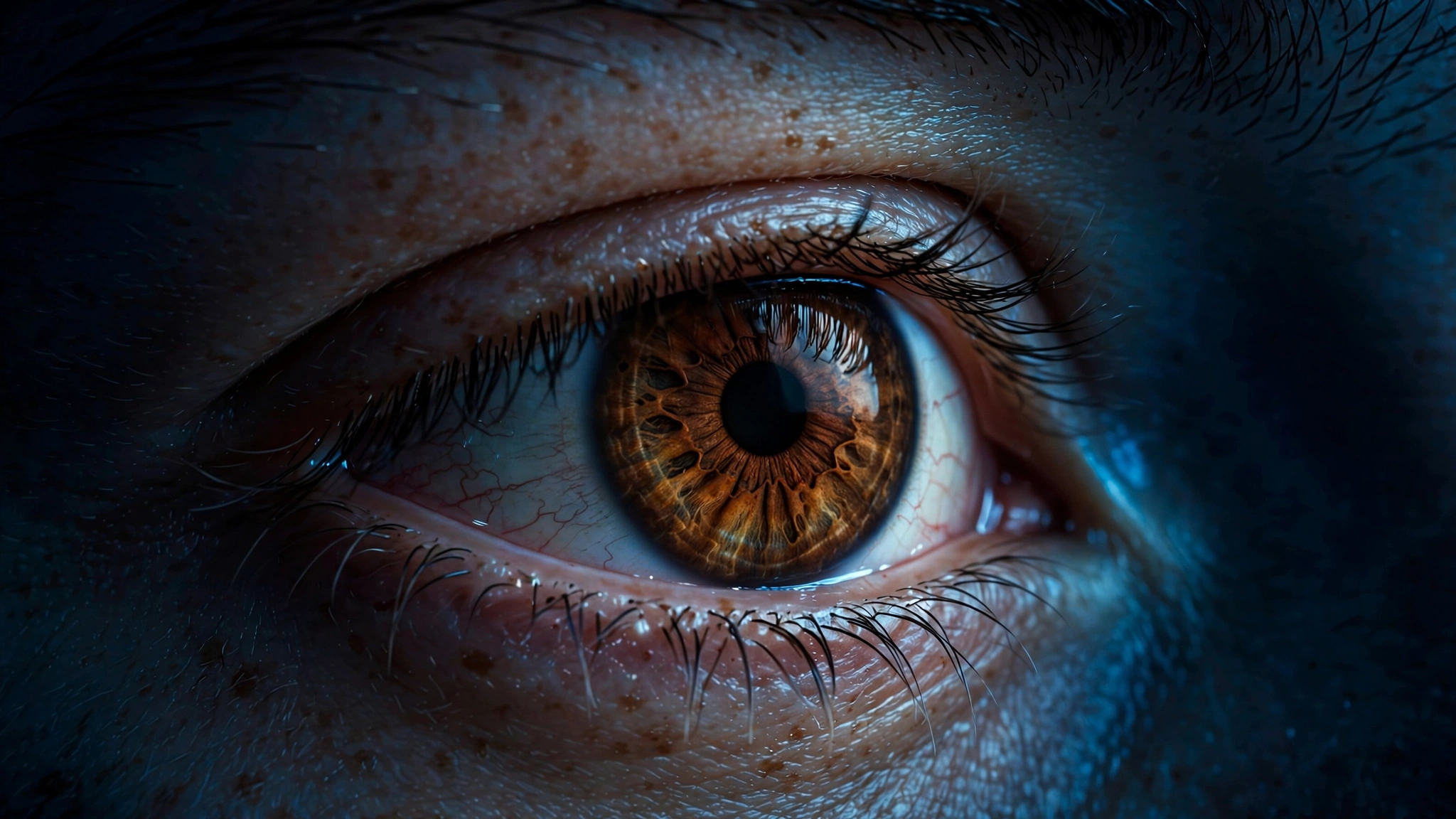
Brown Eyes
Brown eyes are the most common eye color worldwide. They are often associated with warmth, reliability, and confidence in popular culture. Although many people perceive individuals with brown eyes as trustworthy, there is no scientific evidence proving that personality can be predicted by eye color alone.
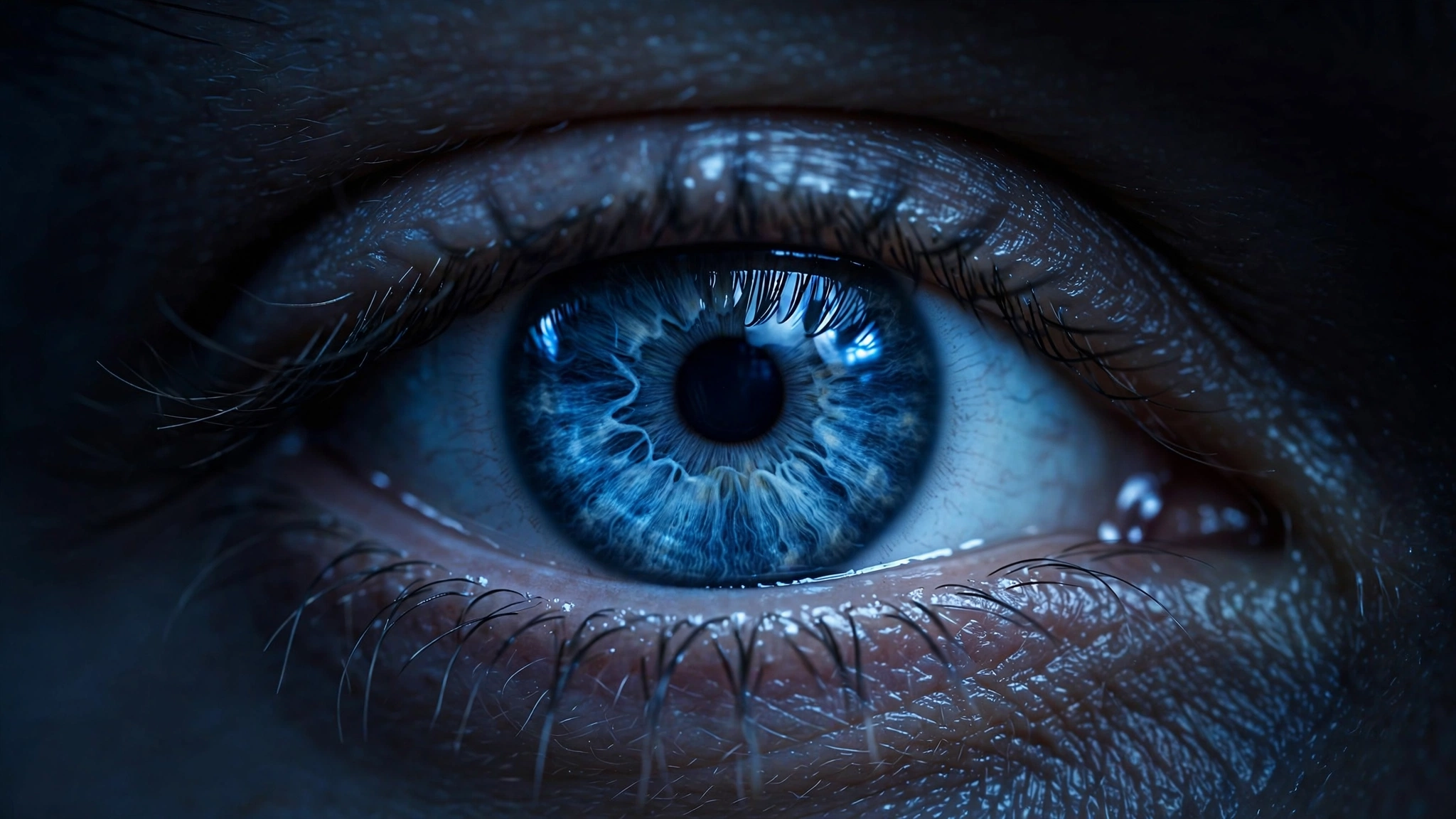
Blue Eyes
Blue eyes are less common globally and are often linked with calmness, intelligence, or sensitivity in folklore and popular media. These perceptions vary widely between cultures and should be considered stereotypes rather than facts.
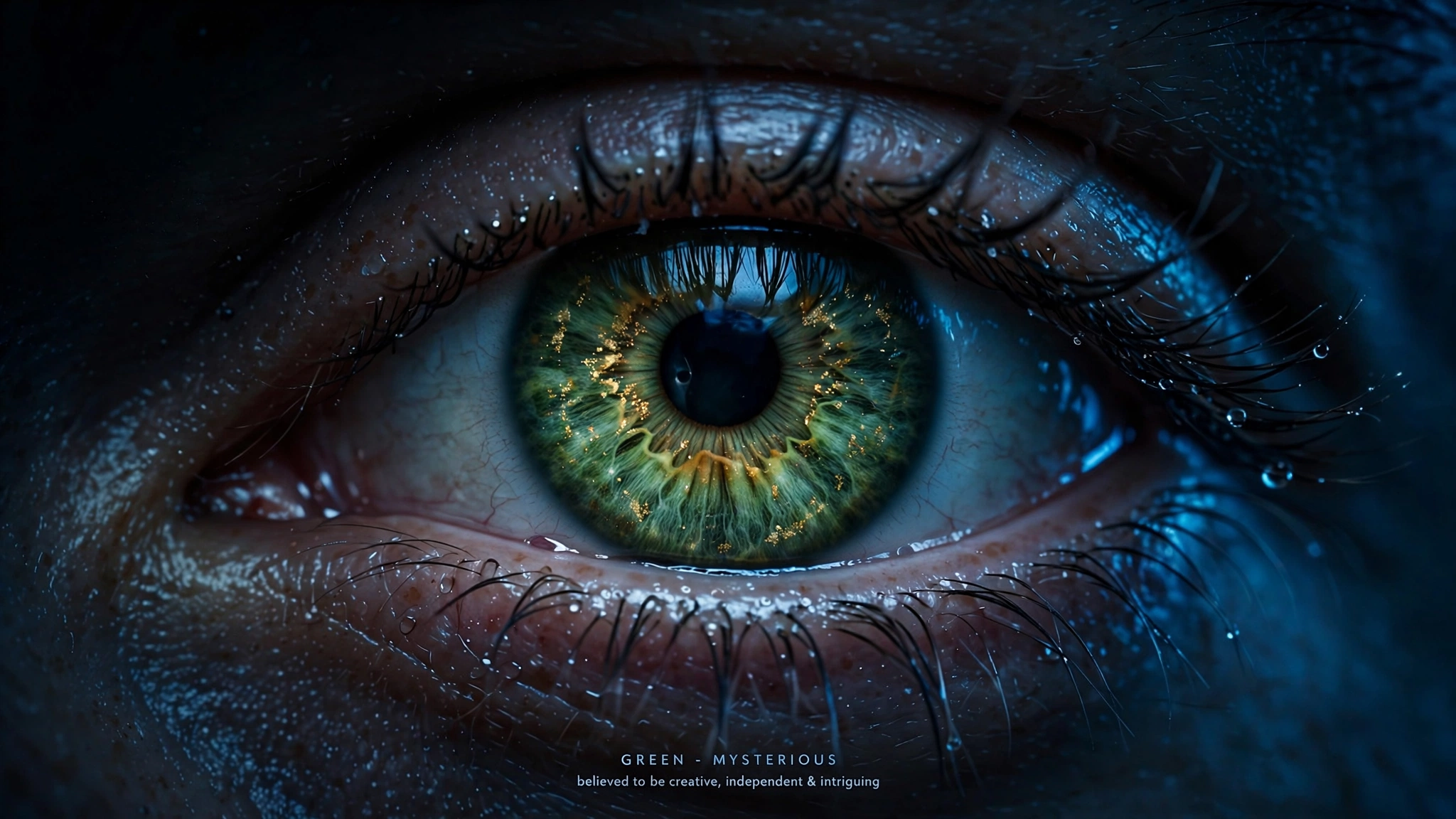
Green Eyes
Green eyes are among the rarest natural eye colors, making them especially intriguing. People often describe green-eyed individuals as creative, independent, or mysterious, but these descriptions come from cultural beliefs rather than scientific research.
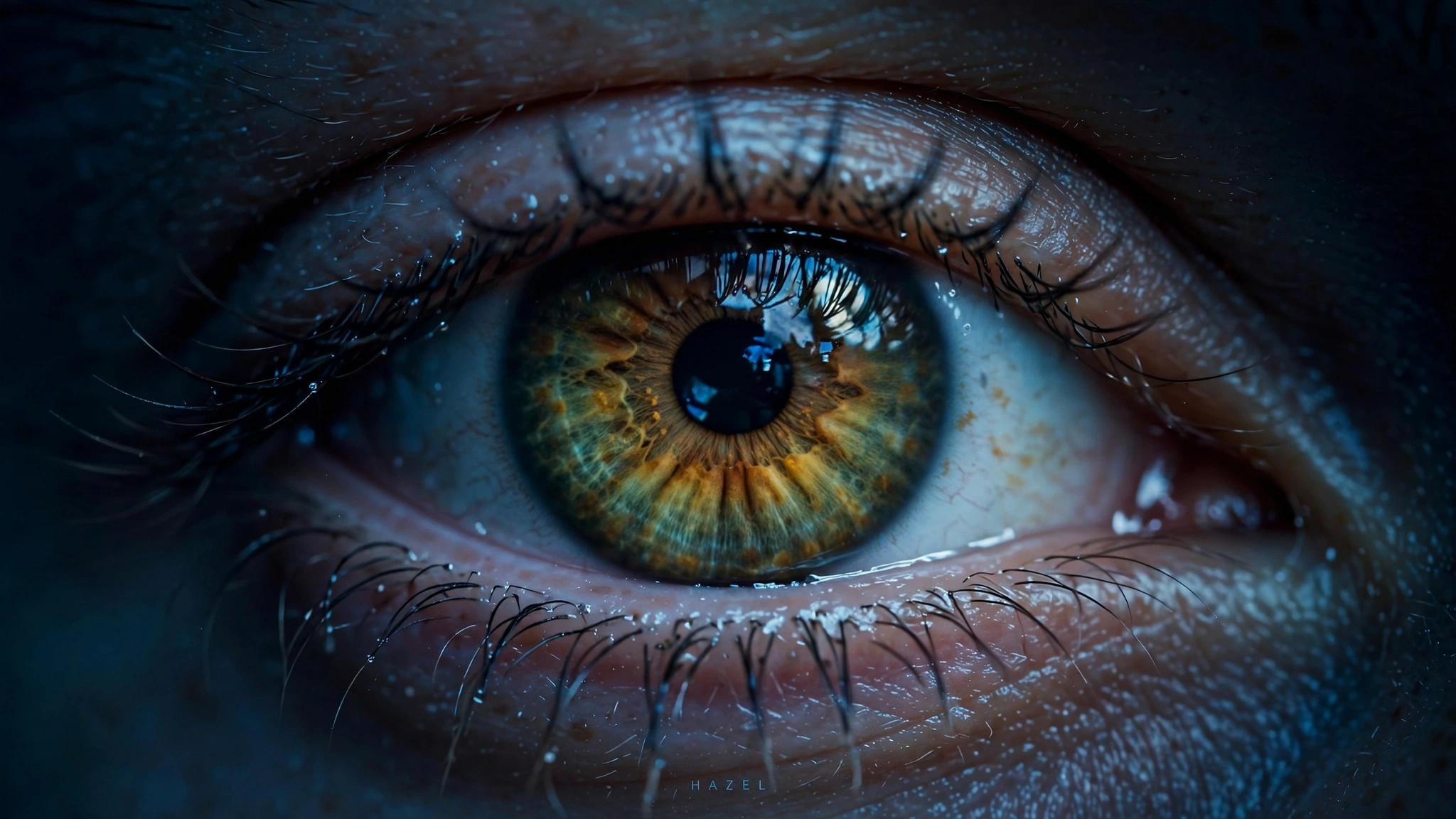
Hazel Eyes
Hazel eyes combine shades of green, brown, and gold, giving them a unique appearance that can seem to change depending on the lighting. Popular beliefs often associate hazel eyes with adaptability and creativity, though these characteristics are not supported by scientific evidence.
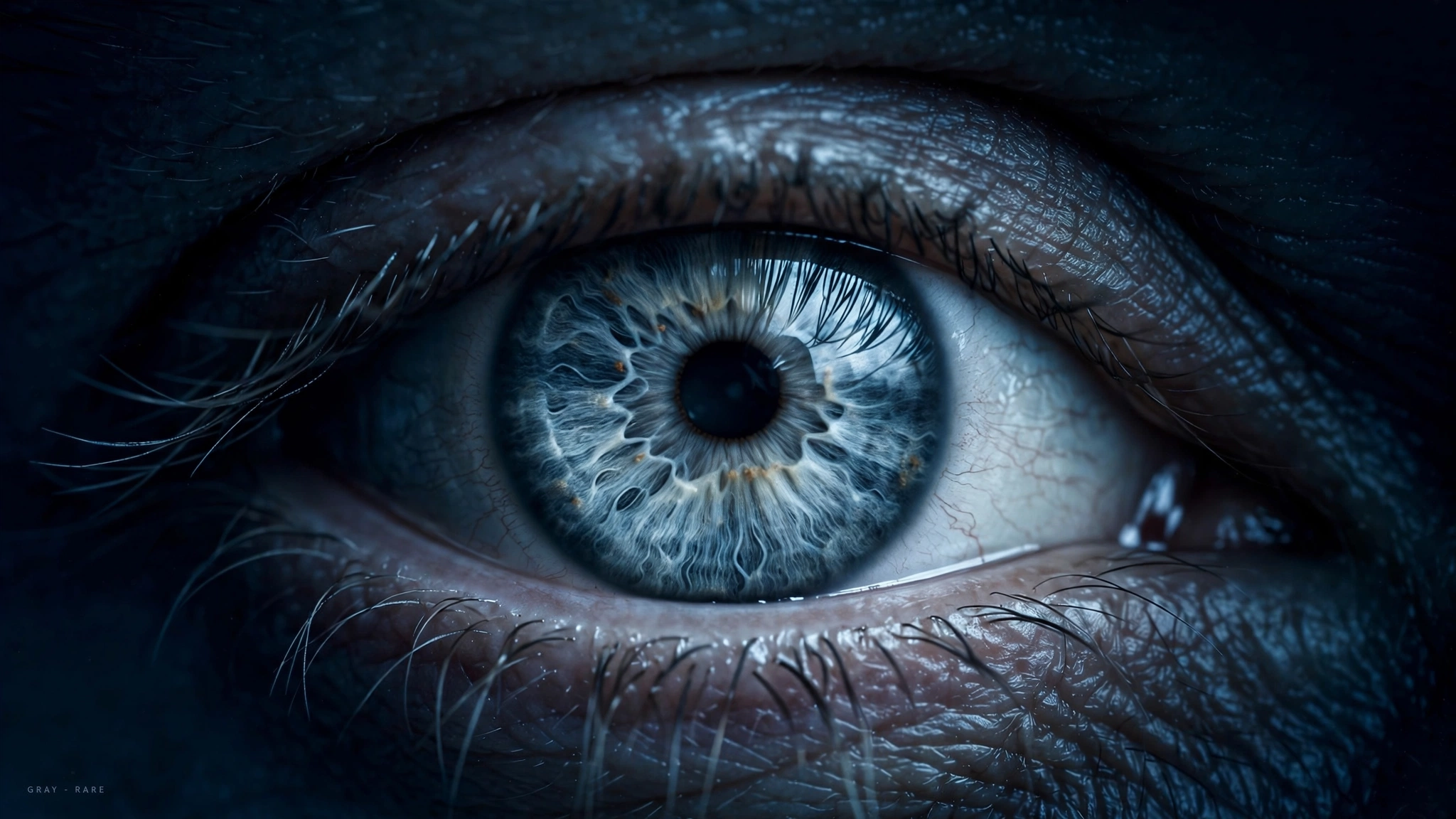
Gray Eyes
Gray eyes are extremely uncommon and are frequently associated with wisdom, elegance, and mystery. Like other eye color stereotypes, these impressions reflect human perception and tradition rather than measurable personality traits.
Frequently Asked Questions (FAQs)
What does "eyes are the windows to the soul" mean?
The phrase “eyes are the windows to the soul” suggests that a person’s eyes can reveal their emotions, thoughts, and inner feelings. Although it is a metaphor rather than a literal statement, many people believe that eye contact and facial expressions provide valuable insight into how someone feels.
Where did the phrase "eyes are the windows to the soul" originate?
The exact origin of the phrase is uncertain, but the idea has existed for centuries in philosophy, literature, and spiritual teachings. Ancient thinkers and writers often described the eyes as symbols of truth, wisdom, and human emotion, eventually giving rise to the modern expression.
Is "eyes are the windows to the soul" mentioned in the Bible?
The exact phrase does not appear in the Bible. However, several biblical passages describe the eye as a symbol of light, perception, and spiritual understanding, which has contributed to the phrase’s symbolic meaning over time.
Can your eyes really reveal your emotions?
Yes, to some extent. Psychological research suggests that people naturally use eye contact, facial expressions, and subtle eye movements to recognize emotions such as happiness, sadness, fear, and surprise. However, the eyes alone cannot reveal everything about a person’s thoughts or intentions.
Can eye color determine personality?
No. While many cultures associate certain personality traits with different eye colors, there is no reliable scientific evidence that eye color determines personality. Eye color is primarily influenced by genetics and the amount of melanin in the iris.
Why are the eyes considered so expressive?
The eyes are closely connected with facial muscles that respond to emotions, making them one of the most expressive parts of the human face. Combined with eye contact and body language, they help people communicate feelings even without speaking.
Is the phrase "eyes are the windows to the soul" still relevant today?
Yes. Despite being centuries old, the phrase continues to resonate because it reflects the importance of nonverbal communication, empathy, and emotional connection. Whether viewed through psychology, literature, or spirituality, the eyes remain a powerful symbol of human expression.
Why the Phrase “Eyes Are the Windows to the Soul” Still Matters Today
Despite being centuries old, the phrase “eyes are the windows to the soul” continues to resonate because it captures something people experience every day. Long before we speak, our eyes often communicate emotions through eye contact, facial expressions, and subtle movements. Whether it’s a joyful smile, a look of concern, or a moment of silent understanding, our eyes can express feelings that words sometimes fail to convey.
In today’s digital world, where much of our communication happens through text messages and social media, genuine face-to-face interaction has become even more meaningful. Looking someone in the eyes can help build trust, strengthen relationships, and create a sense of empathy that written communication often cannot match. This is one reason why eye contact remains an important part of personal conversations, public speaking, and professional communication.
At the same time, modern psychology reminds us that we should avoid making assumptions about a person’s character based solely on their eyes or eye color. While the eyes can provide valuable emotional cues, they cannot reveal everything about someone’s personality, intentions, or life experiences. Every individual is unique, and understanding another person requires empathy, communication, and context.
Ultimately, the enduring popularity of the phrase lies in its symbolism rather than its literal meaning. It reminds us that our eyes are among the most expressive features of the human face, capable of reflecting emotion, sincerity, and human connection. Whether viewed through the lens of literature, psychology, or spirituality, the idea that the eyes offer a glimpse into our inner world continues to inspire curiosity and meaningful conversations across cultures.



0 Comments