
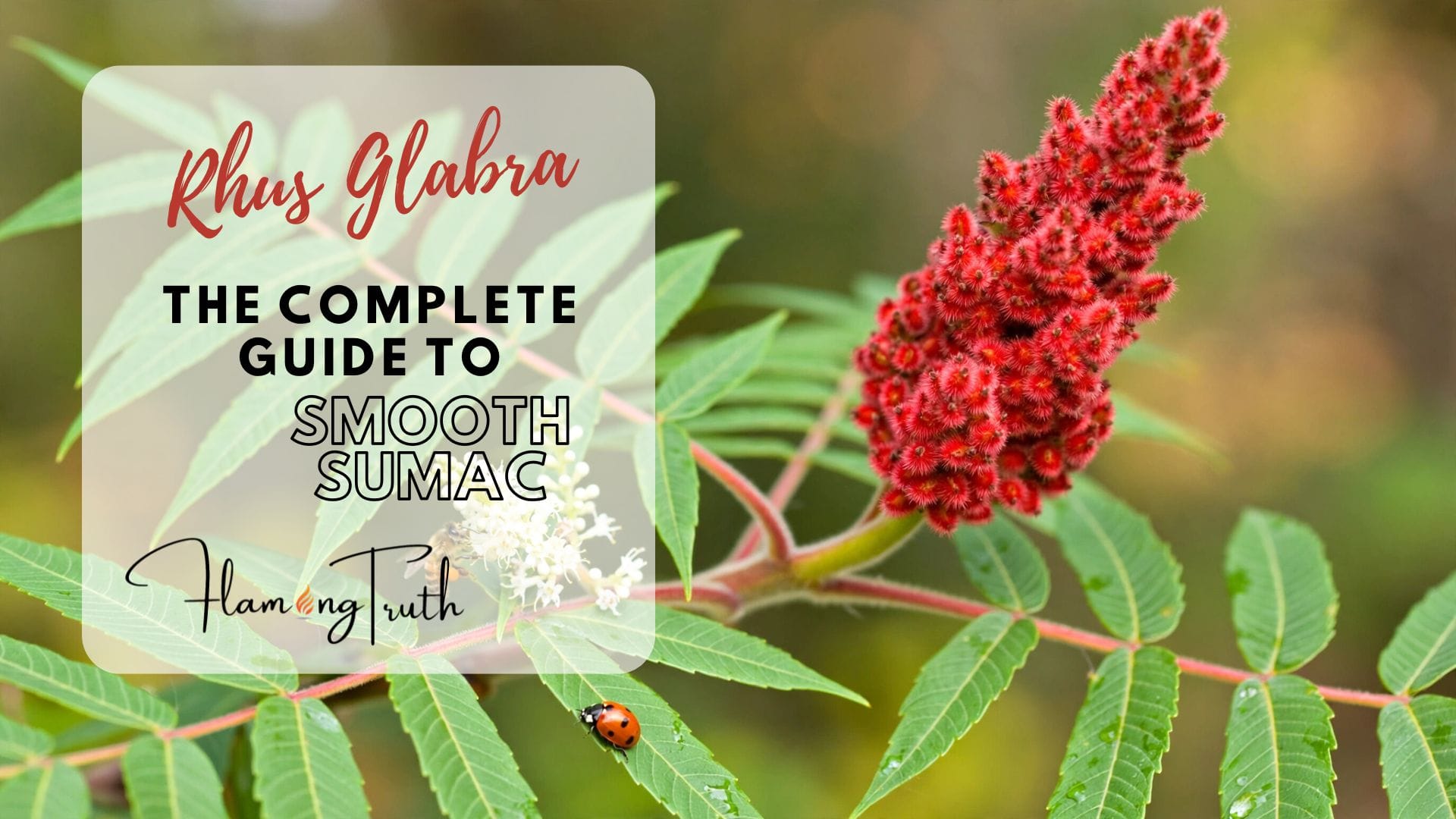

Rhus glabra, commonly known as Smooth Sumac, is a distinctive shrub that brings seasonal interest to natural landscapes, gardens, and open areas. Known for its upright growth, green foliage, clusters of small flowers, and bright red fruit, this hardy plant can attract insects and provide food for wildlife.
Unlike many ornamental shrubs that require constant attention, Rhus glabra can adapt to a variety of conditions once established. It is particularly well suited to sunny locations and can tolerate relatively dry conditions, making it an interesting choice for naturalized landscapes.
But there is more to Rhus glabra than its attractive appearance. Its flowers, foliage, berries, growth habit, and relationship with wildlife all make this plant worth learning about. In this guide, we will explore what Rhus glabra is, where it grows, how to care for it, its common uses, and why it plays an important role in its natural environment.
What Is Rhus Glabra?
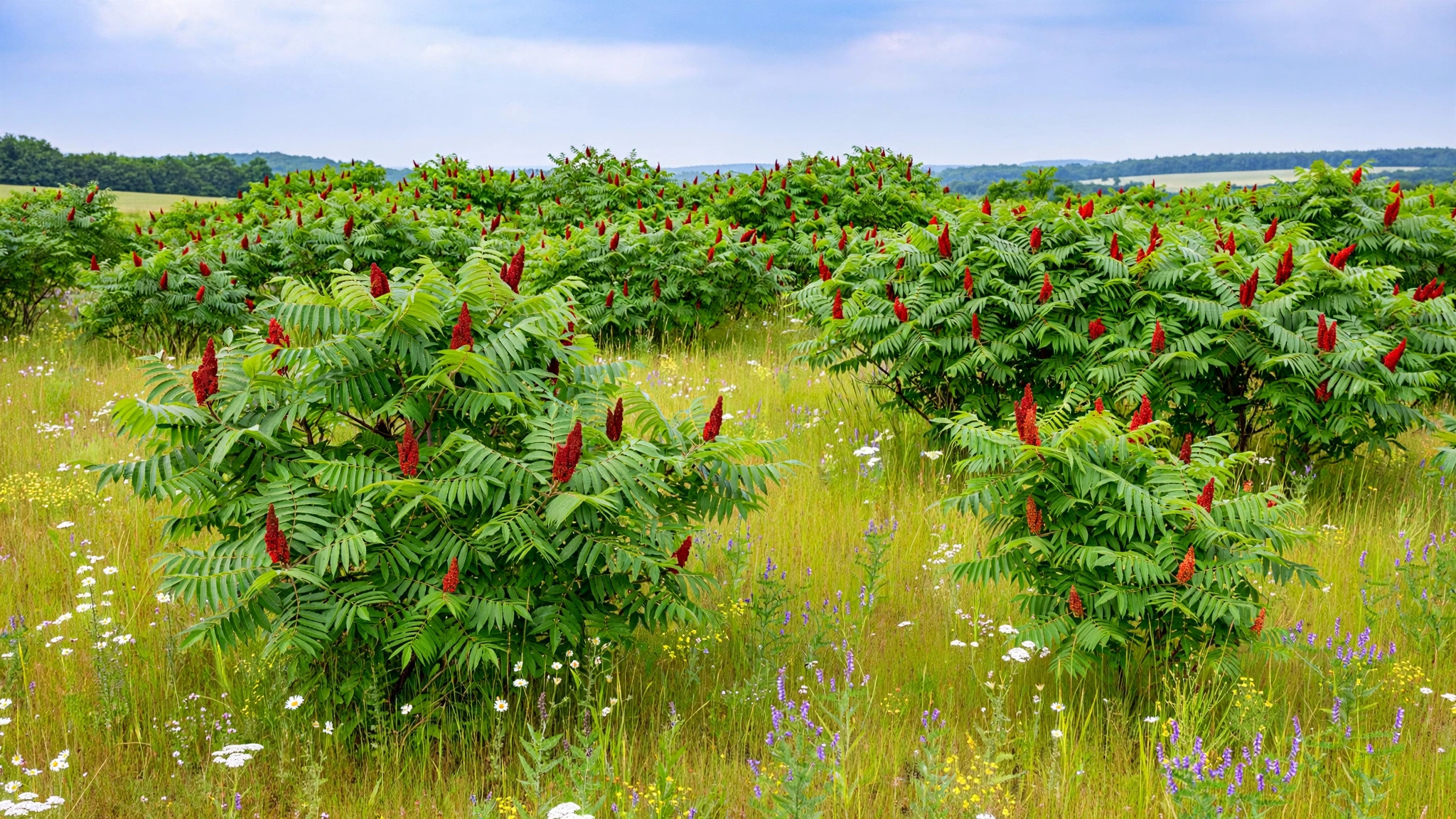
Rhus glabra, commonly called Smooth Sumac, is a deciduous shrub or small tree native to North America. It belongs to the Anacardiaceae family, the same plant family that includes several well-known sumac species.
The plant is recognized by its smooth, upright stems, compound green leaves, and clusters of small flowers that appear during the warmer months. After flowering, female plants can produce dense clusters of red to reddish-brown fruits that remain attractive well into the colder seasons.
Rhus glabra is a hardy and adaptable plant that can grow in a variety of environments, including open woodland edges, grasslands, roadsides, rocky areas, and disturbed ground. It generally performs best in sunny locations and can tolerate relatively dry conditions once established.
Although Smooth Sumac can be an attractive addition to a naturalized landscape, it can also spread through underground stems and form colonies. For that reason, its growth habit is an important consideration when deciding where to plant it.
Rhus glabra is a hardy and adaptable plant that can grow in a variety of environments, including open woodland edges, grasslands, roadsides, rocky areas, and disturbed ground. It generally performs best in sunny locations and can tolerate relatively dry conditions once established. For more detailed botanical information, consult the USDA NRCS Plant Guide for Smooth Sumac
Why Is Rhus Glabra Interesting?
Rhus glabra offers more than ornamental value. Its flowers can provide resources for pollinating insects, while its fruits can serve as a food source for birds and other wildlife. Its ability to tolerate challenging growing conditions also makes it valuable in natural landscapes where other plants may struggle.
From its distinctive seasonal appearance to its role in supporting wildlife, Rhus glabra is a fascinating native shrub with several ecological and practical qualities worth exploring.
Rhus Glabra Description
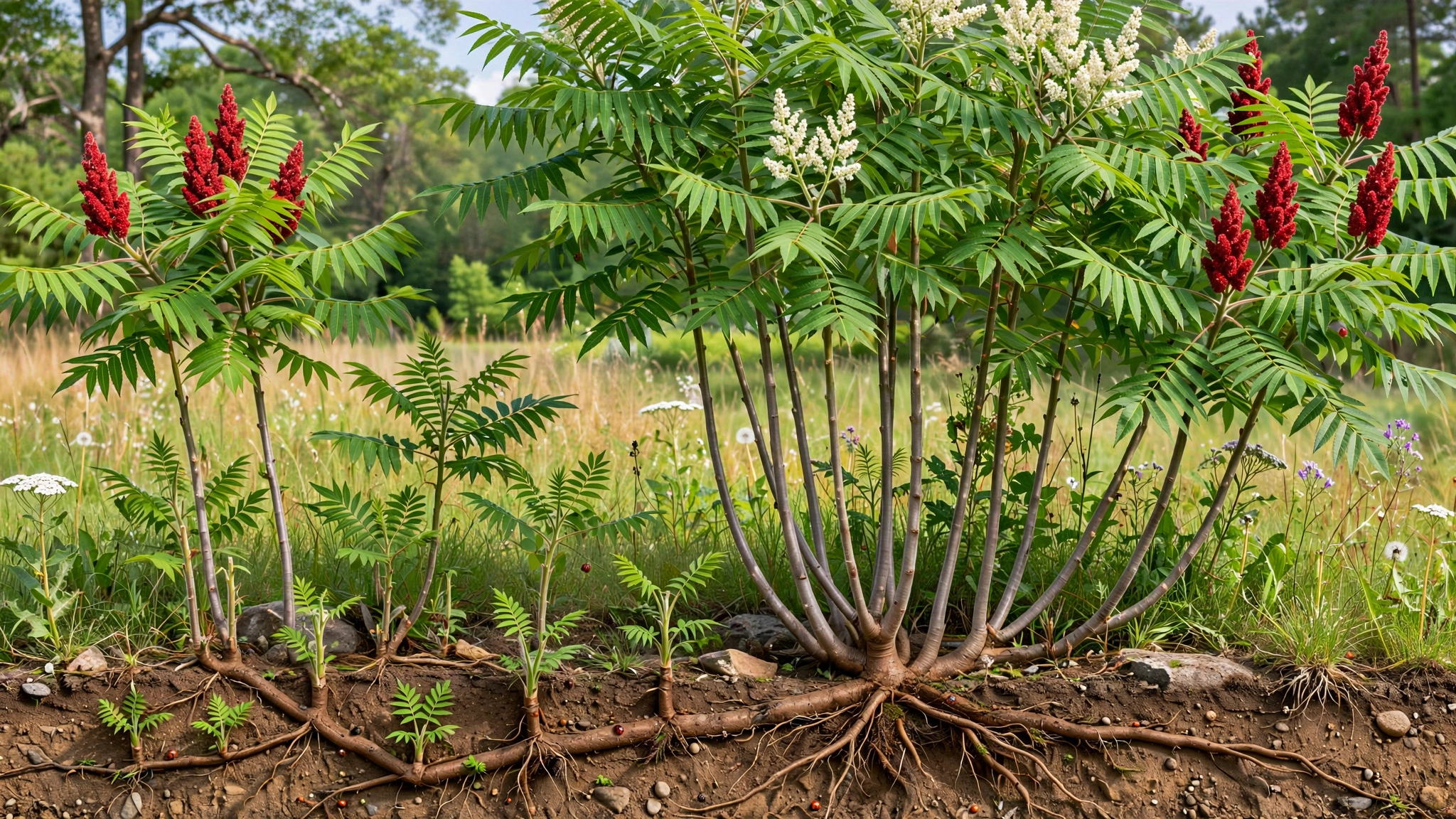
Rhus glabra has a distinctive appearance that makes it relatively easy to recognize in the landscape. It can grow as a spreading shrub or small tree, developing several upright stems from the base. Under suitable conditions, it can form dense colonies as it spreads through underground shoots.
Leaves
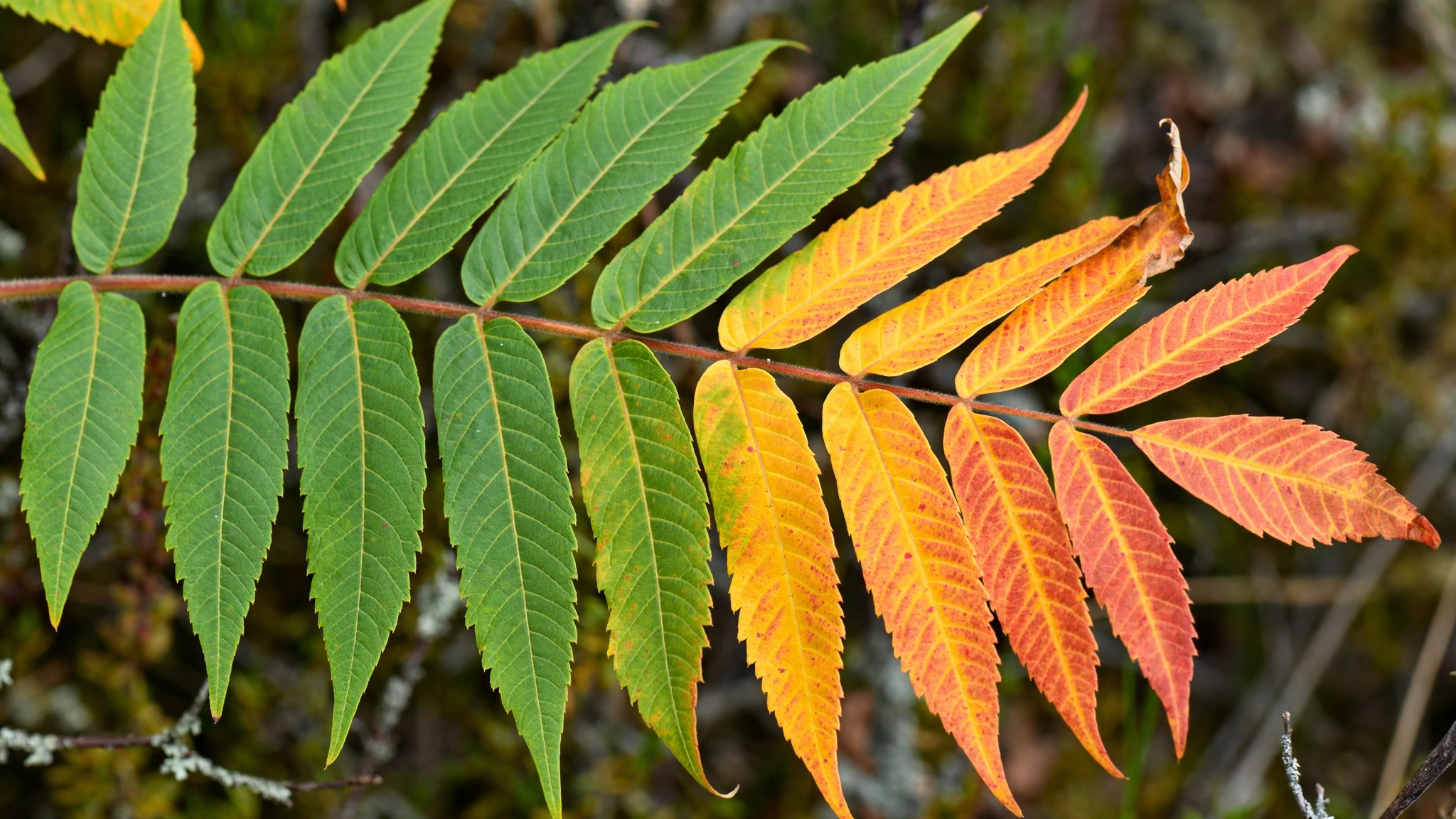
The leaves of Rhus glabra are compound, meaning each leaf is made up of several smaller leaflets arranged along a central stalk. They are generally green during the growing season and can develop attractive shades of yellow, orange, or red in autumn before falling.
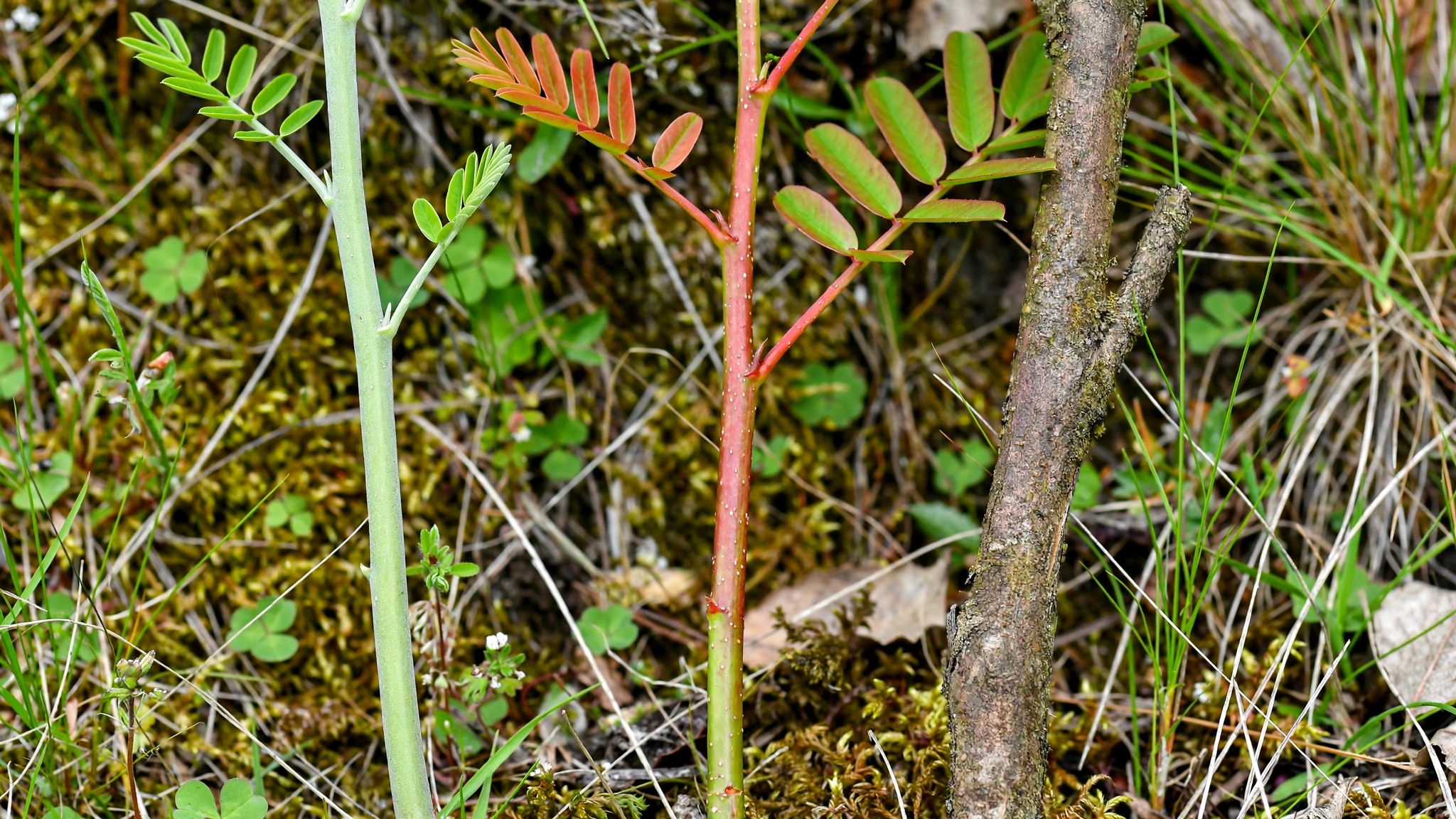
Stems and Bark
One of the plant’s defining features is its relatively smooth, hairless stems, which help distinguish Smooth Sumac from some other sumac species. Younger branches are typically greenish to reddish, while older stems develop a more woody appearance.
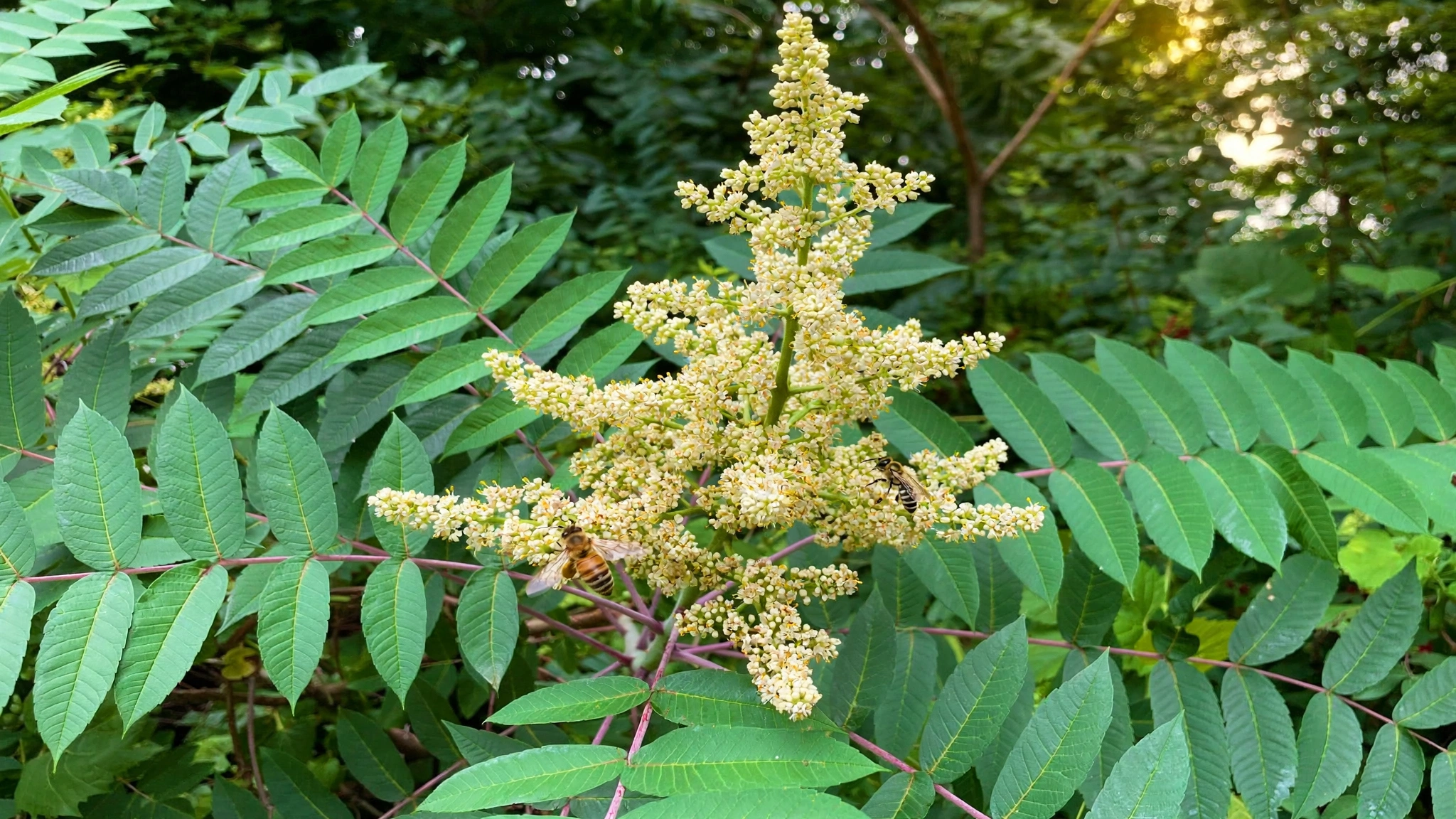
Flowers
Small flowers appear in upright clusters during the warmer part of the year. Although individual flowers are not especially large, their clusters can attract a variety of insects, including bees and other pollinators.
Fruits and Berries
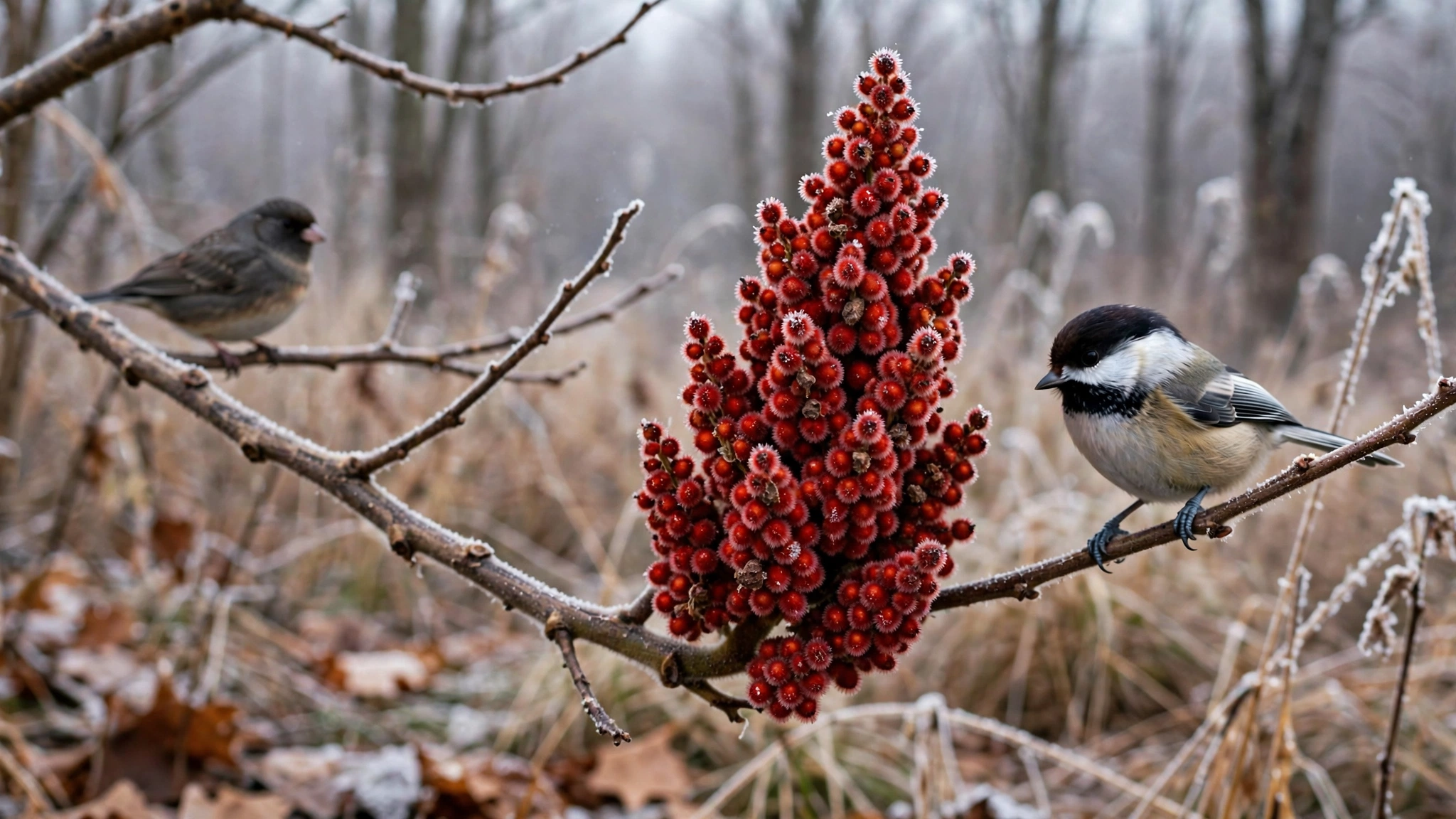
After flowering, Rhus glabra can produce dense clusters of small red fruits. These fruit clusters are one of the plant’s most noticeable features and can remain on the branches after the leaves have fallen.
The fruits also provide an important seasonal food source for various birds and wildlife, helping Smooth Sumac play a useful role in its natural habitat.
Seasonal Appearance
One reason Rhus glabra is interesting as a landscape plant is that it changes noticeably throughout the year. Its green foliage provides summer interest, its flowers add seasonal color and support pollinators, and its fruit clusters can remain visible into fall and winter.
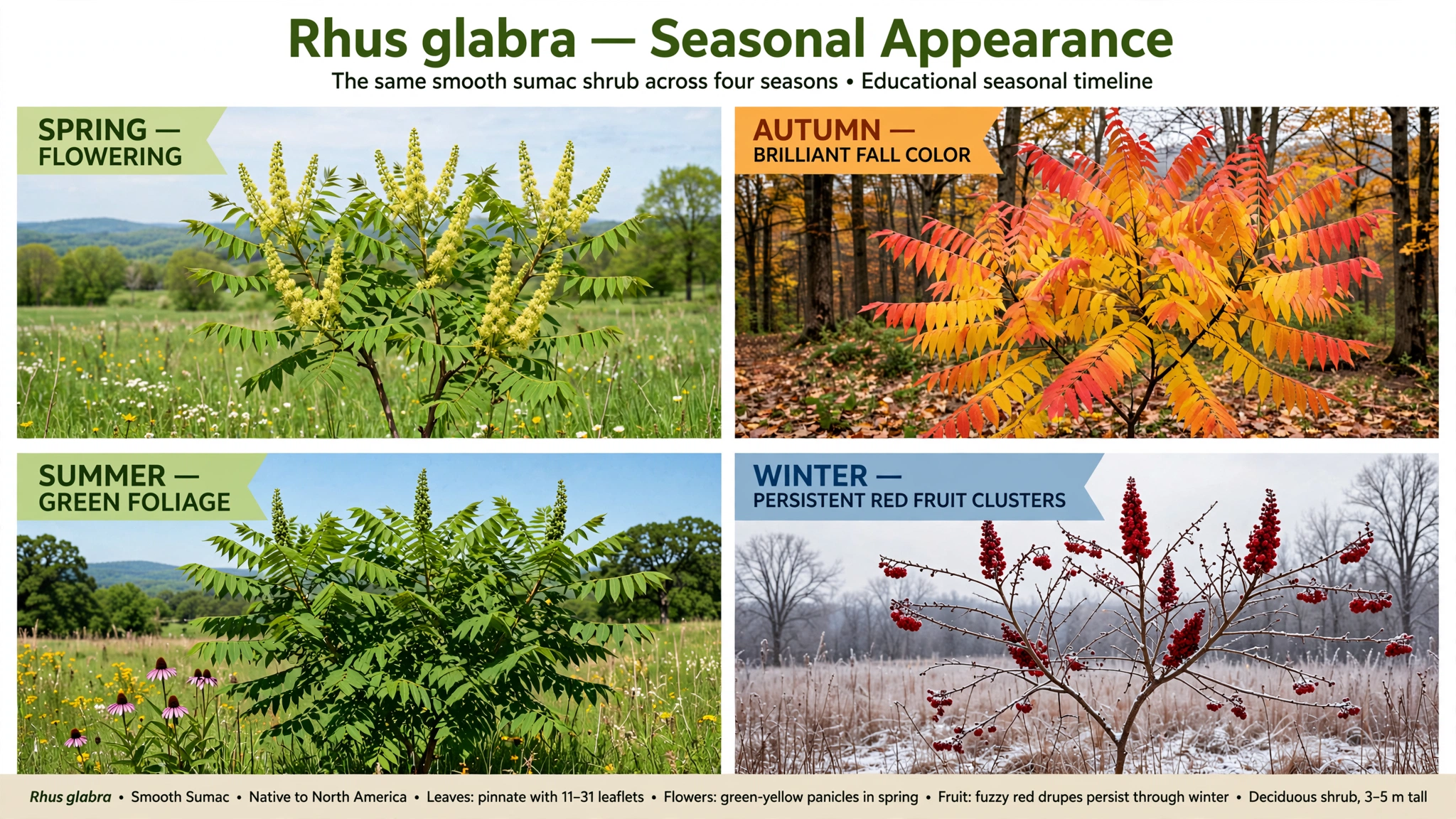
The combination of foliage, flowers, autumn color, and persistent fruit gives Rhus glabra visual interest across several seasons.
Where Does Rhus Glabra Grow?
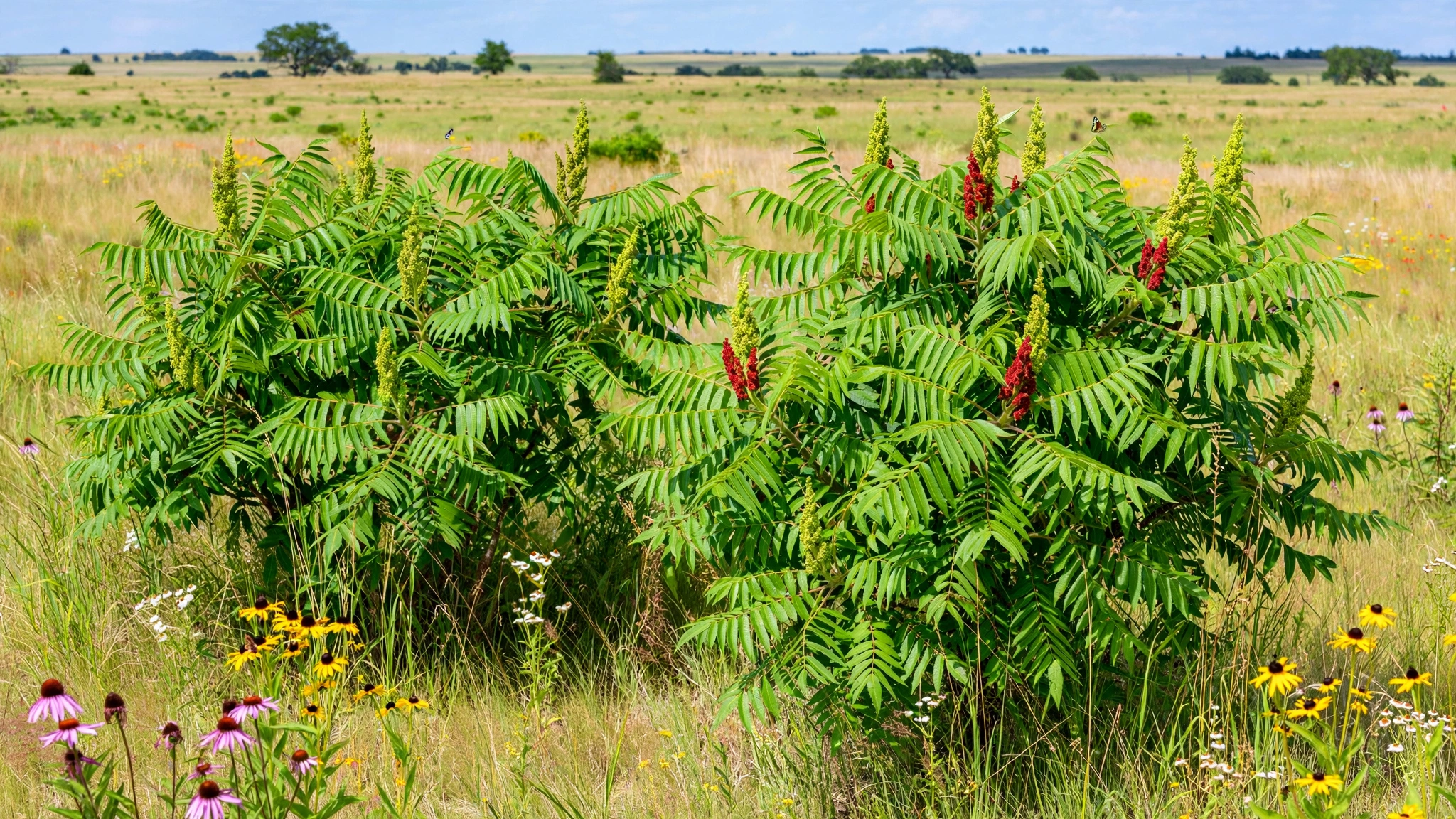
Rhus glabra is native to a large part of North America and is well adapted to a wide range of environments. It can be found growing naturally in open areas, woodland edges, grasslands, roadsides, and other disturbed habitats.
One of the reasons Smooth Sumac is so adaptable is its ability to tolerate dry conditions and different soil types. It generally performs best where it receives plenty of sunlight and has reasonably well-drained soil.
Sunlight Requirements
Rhus glabra prefers full sun, although it can tolerate some partial shade. Plants growing in sunny locations generally develop stronger growth and produce better flowering and fruiting.
If you are planting Smooth Sumac in a garden or naturalized area, choose a location where it can receive several hours of direct sunlight each day.
Soil Conditions
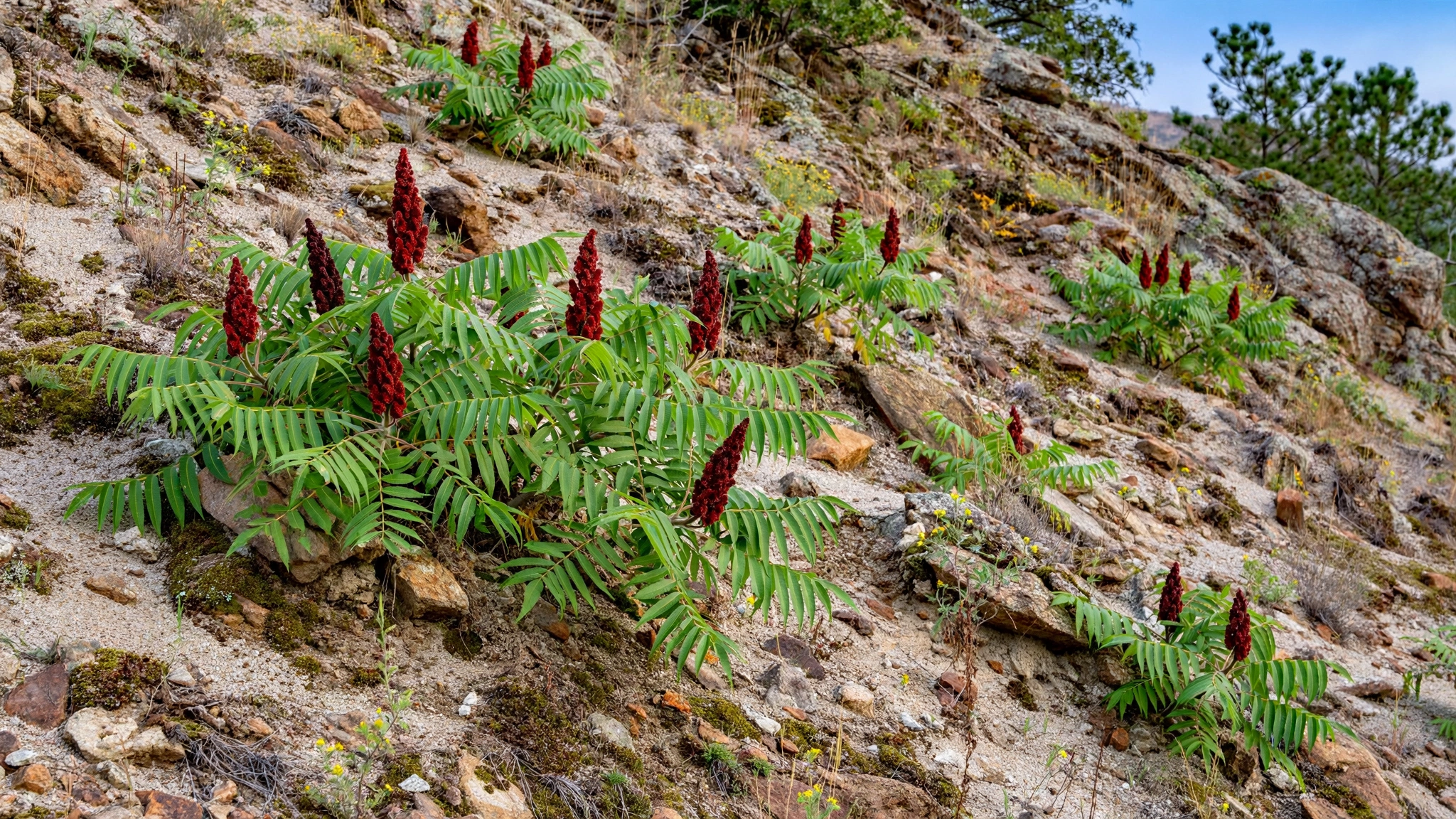
Smooth Sumac is not particularly demanding about soil. It can grow in poor, rocky, sandy, or relatively dry soils, provided the site does not remain consistently waterlogged.
Good drainage is especially important because constantly saturated soil can create unfavorable conditions for the plant’s roots.
Natural Habitats
In its native range, Rhus glabra can grow in places where many less adaptable plants may struggle. It is commonly associated with open woodlands, prairies, grasslands, rocky slopes, roadsides, and disturbed areas.
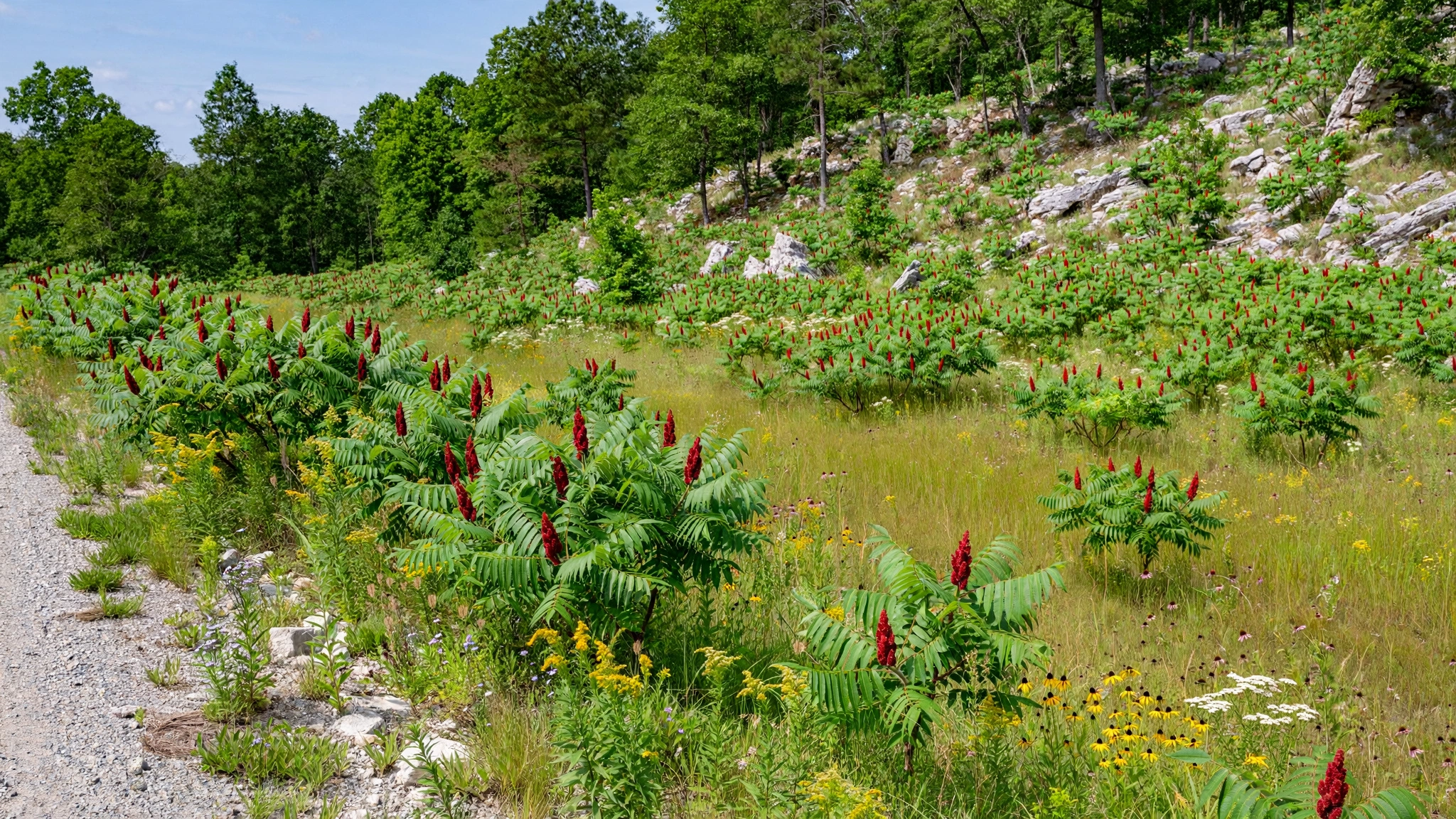
Its ability to spread through underground stems also allows it to establish colonies over time. This can be useful for naturalizing large areas, but it means gardeners should consider its spreading habit before planting it in a small garden.
Give Rhus glabra plenty of room when planting it in your landscape. Its ability to spread through underground stems can allow a single plant to develop into a much larger colony over time.
How to Care for Rhus Glabra
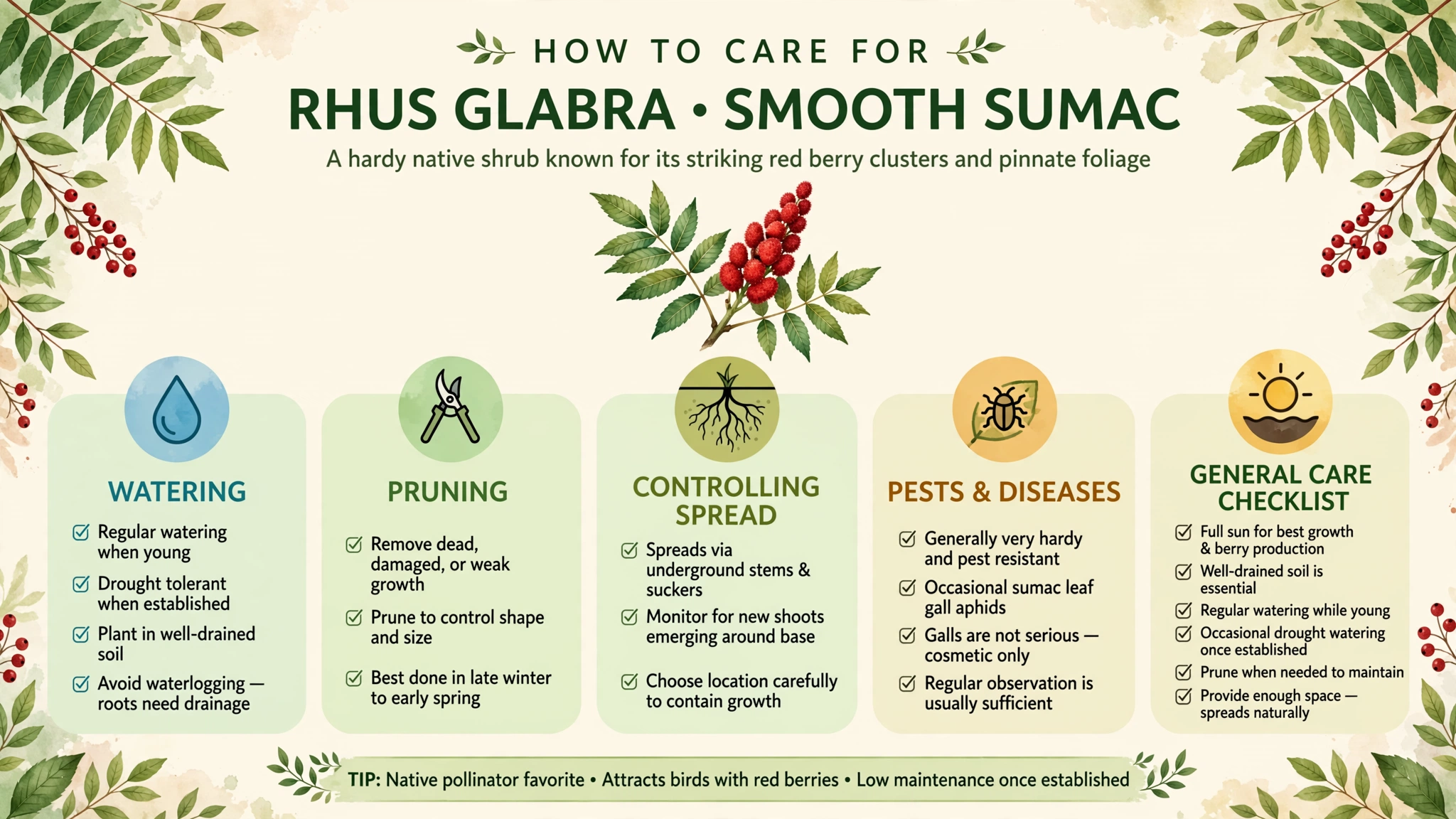
One of the advantages of Rhus glabra is that it generally requires little maintenance once it has become established. Providing the right growing conditions from the beginning can help the plant develop healthy growth while reducing the need for regular intervention.
Watering
Newly planted Rhus glabra should receive regular watering while its root system becomes established. Once established, Smooth Sumac can tolerate periods of relatively dry weather.
During prolonged hot or dry periods, occasional deep watering can help support the plant. However, avoid keeping the soil constantly saturated, as Rhus glabra generally performs better in well-drained soil.
Pruning
Pruning is not usually necessary for the health of an established plant, but it can help maintain the desired shape and control unwanted spread.
Remove dead, damaged, or weak growth when necessary. If the plant begins producing shoots beyond the area where you want it to grow, those shoots can also be removed to keep the colony under control.
Controlling Spread
Rhus glabra can spread through underground stems, allowing it to produce new shoots some distance from the original plant. This natural spreading habit can be useful when creating a large naturalized planting, but it may become difficult to manage in a small garden.
Choose the planting location carefully and monitor new shoots regularly if you want to keep the plant within a defined area.
Pests and Diseases
Smooth Sumac is generally considered a hardy plant, although it can occasionally be affected by insects such as sumac leaf gall aphids. These insects can cause noticeable galls to develop on the leaves.
Leaf galls may look unusual, but they are generally not a serious threat to an otherwise healthy Rhus glabra plant. Regular observation is usually more useful than unnecessary treatment.
General Care
For the best results, provide Rhus glabra with:
Provide Plenty of Sunlight
Rhus glabra grows best in sunny locations, so choose a planting site that receives plenty of direct sunlight throughout the day.
Use Well-Drained Soil
Smooth Sumac can tolerate different soil conditions, but good drainage is important because constantly wet soil can create unfavorable growing conditions.
Water Young Plants Regularly
Newly planted Rhus glabra needs regular watering while its root system becomes established. Mature plants can tolerate periods of dry weather.
Water During Extended Drought
Occasional deep watering can support established plants during prolonged hot or dry periods, while avoiding constantly waterlogged soil.
Manage Its Natural Spread
Rhus glabra can spread through underground stems, so monitor new shoots and remove unwanted growth when necessary to keep the plant within its intended area.
With these basic conditions in place, Rhus glabra can remain a relatively low-maintenance shrub while providing seasonal interest and value for wildlife.
Uses of Rhus Glabra
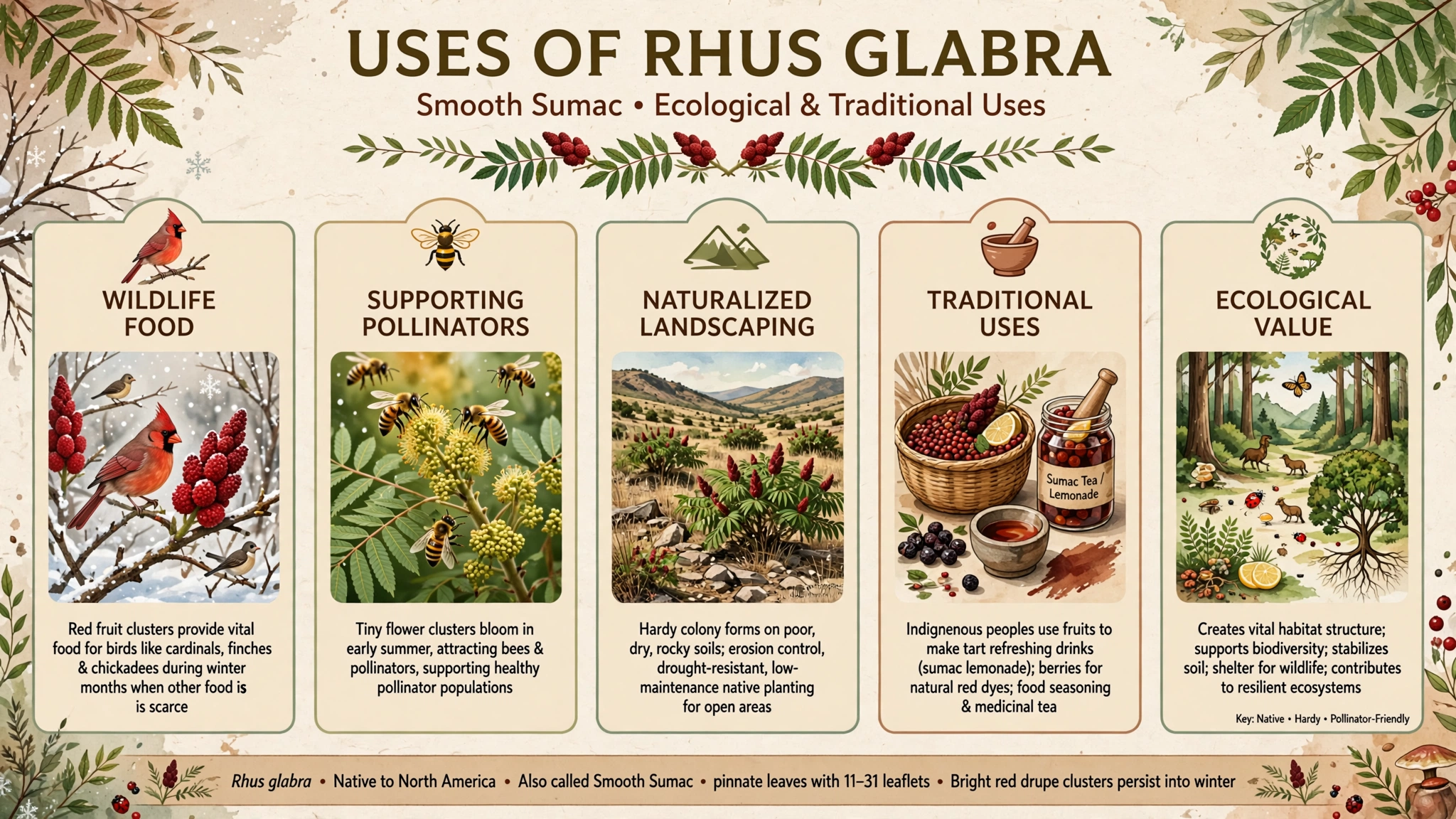
Rhus glabra has been valued for more than its appearance. Its fruits, growth habit, and ability to thrive in challenging environments give Smooth Sumac several ecological, landscape, and traditional uses.
Wildlife Food
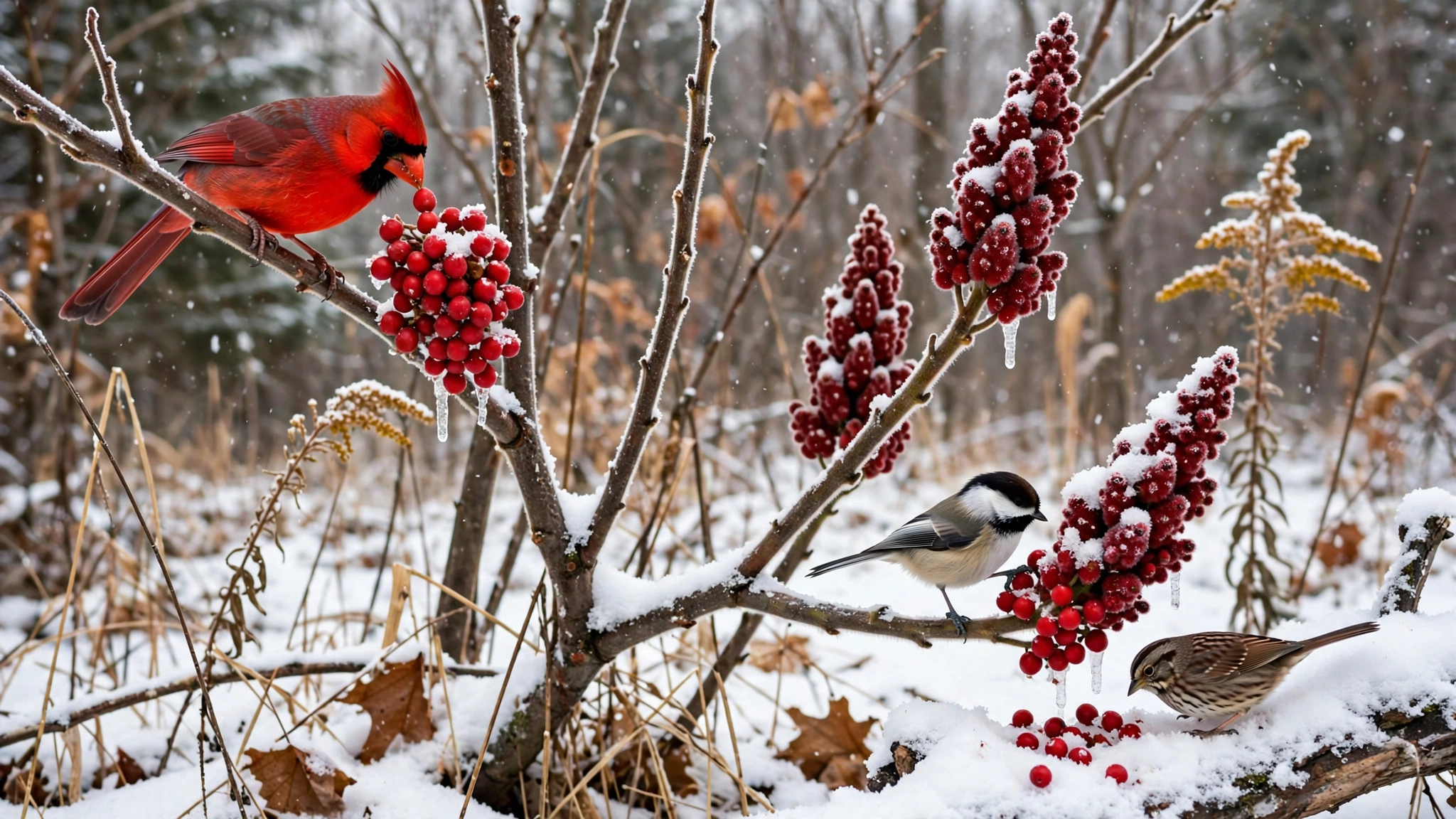
The red fruit clusters produced by Rhus glabra can provide a seasonal food source for birds and other wildlife. Because the fruits can remain on the plant after the leaves have fallen, they may continue to provide food during parts of the colder season.
This makes Smooth Sumac a useful plant for people interested in creating landscapes that support local wildlife.
Supporting Pollinators
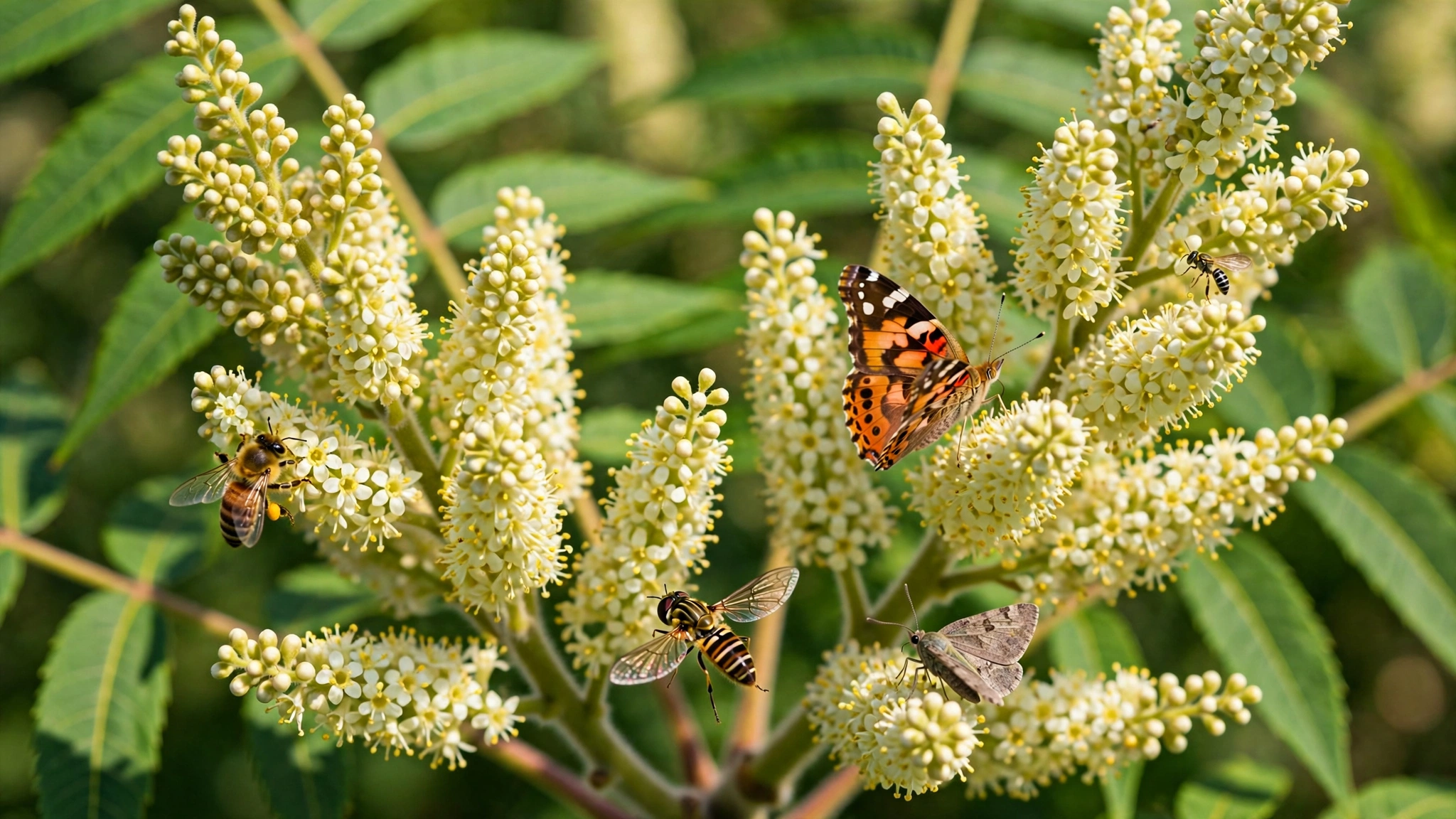
The small flowers of Rhus glabra can attract bees and other insects during the flowering season. Although the individual flowers are small, their clusters provide an accessible source of floral resources for visiting pollinators.
Adding native flowering plants such as Smooth Sumac to a suitable landscape can therefore contribute to a more diverse habitat for insects.
Naturalized Landscaping
Because Rhus glabra is hardy and can tolerate relatively dry and poor soils, it can be useful in naturalized landscapes, open areas, and larger properties where a low-maintenance native shrub is desired.
Its ability to spread also means it can help establish vegetation across larger areas. However, this same characteristic makes it less suitable for locations where space is limited or tightly controlled.
Traditional Uses
Various Indigenous peoples have historically used different parts of sumac plants for food, beverages, dyes, medicines, and other purposes. The fruits of some sumac species have also been used to prepare tart, refreshing drinks.
However, traditional uses can vary considerably between sumac species and cultures, so Rhus glabra should not automatically be assumed to have the same uses as every other species in the genus.
A Plant With Ecological Value
Perhaps one of the most important uses of Rhus glabra is its role in natural ecosystems. Its flowers can support insects, its fruits can provide food for wildlife, and its dense growth can contribute to habitat structure.
For this reason, Smooth Sumac can be more than an ornamental plant—it can also become part of a landscape designed to support native wildlife and biodiversity.
Rhus Glabra and Wildlife
Rhus glabra can play an important role in supporting wildlife throughout different seasons. Its flowers, foliage, and fruit provide resources for a variety of insects, birds, and other animals.
A Food Source for Birds
The clusters of red fruits produced by Smooth Sumac can remain on the plant after the leaves have fallen. These fruits may provide food for birds and other wildlife, particularly when other natural food sources become less available.
The persistent fruit also gives the shrub visual interest during the colder months.
The U.S. Forest Service species review of Rhus glabra provides additional information about its distribution, habitat, wildlife value, and natural spreading habit.
Supporting Insects
When Rhus glabra flowers, its small blossoms can attract bees, moths, butterflies, and other insects. These visitors can benefit from the floral resources while also contributing to pollination within the surrounding ecosystem.
Shelter and Habitat
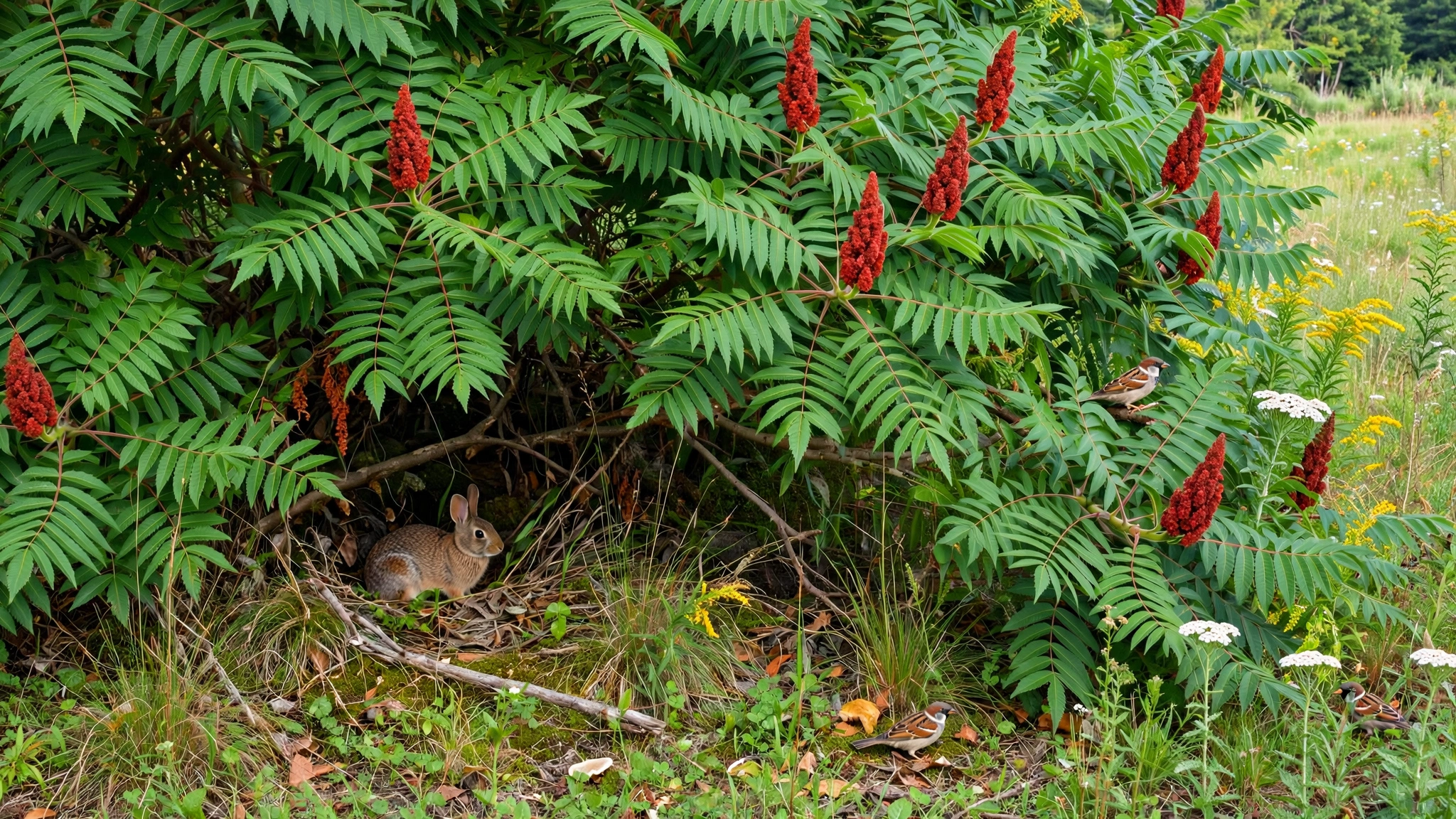
The dense growth that Smooth Sumac can form may also provide cover for small animals and birds. When the plant spreads into colonies, it can contribute to the structure of natural habitats and provide additional vegetation in open areas.
Why Native Plants Matter
Native plants such as Rhus glabra can be particularly valuable because they are adapted to the environments in which they naturally occur. Including appropriate native species in a landscape can help create a more diverse habitat while reducing the need for intensive maintenance.
For anyone interested in wildlife-friendly gardening, Smooth Sumac can therefore be an interesting plant to consider—especially when there is enough space to accommodate its natural spreading habit.
Is Rhus Glabra Easy to Grow?
Yes, Rhus glabra is generally considered an easy-to-grow and relatively low-maintenance plant when it is grown in suitable conditions. Its tolerance of dry periods, different soil types, and challenging sites makes it adaptable to a range of landscapes.
However, its spreading habit is something gardeners should consider before planting it.
Good Choice for Larger Spaces
Smooth Sumac can work particularly well in large gardens, naturalized landscapes, open properties, and wildlife-friendly areas. Its ability to spread can help fill a larger space without requiring extensive maintenance.
Less Suitable for Small Gardens
A small garden may not be the best location for Rhus glabra if you want to keep every plant within a clearly defined area. Underground stems can produce new shoots, allowing the plant to gradually expand beyond its original planting location.
Regular monitoring and removal of unwanted shoots can help manage this growth.
A Low-Maintenance Native Plant
Once established, Rhus glabra generally does not require complicated care. Providing adequate sunlight, well-drained soil, and sufficient water during establishment or prolonged drought is usually enough to support healthy growth.
Its combination of hardiness, seasonal interest, wildlife value, and relatively simple care makes Smooth Sumac an appealing choice for the right landscape.
Consider the mature size and natural spreading habit of Rhus glabra, especially if you have limited garden space. Its underground stems can allow new shoots to develop beyond the original planting area.
Frequently Asked Questions About Rhus Glabra
What is Rhus glabra?
Rhus glabra, commonly known as Smooth Sumac, is a deciduous shrub or small tree native to North America. It is recognized for its compound leaves, clusters of small flowers, red fruits, and ability to grow in a variety of conditions.
Is Rhus glabra easy to grow?
Yes. Rhus glabra is generally low-maintenance once established. It can tolerate relatively dry conditions and different soil types, although it grows best with adequate sunlight and well-drained soil.
Does Rhus glabra spread?
Yes. Smooth Sumac can spread through underground stems, producing new shoots around the original plant. This can allow it to form colonies over time, so its spreading habit should be considered before planting it in a small garden.
Does Rhus glabra attract wildlife?
Yes. The flowers can attract bees and other insects, while the fruit clusters can provide food for birds and other wildlife. Its dense growth can also contribute to habitat and cover.
Does Rhus glabra need full sun?
Rhus glabra generally performs best in full sun, although it can tolerate some partial shade. A sunny location can encourage stronger growth and better flowering and fruit production.
Can Rhus glabra tolerate dry conditions?
Yes. Once established, Smooth Sumac can tolerate periods of dry weather. Newly planted shrubs need more consistent watering while their root systems become established.
When does Rhus glabra flower?
Rhus glabra produces clusters of small flowers during the warmer part of the year. The flowers can attract a variety of insects and are followed by the plant's characteristic fruit clusters.
Are Rhus glabra fruits useful to wildlife?
Yes. The red fruit clusters can remain on the plant after the leaves have fallen and may provide a seasonal food source for birds and other wildlife.
Is Rhus glabra suitable for a small garden?
It can be challenging in a small garden because of its natural spreading habit. If space is limited, gardeners should be prepared to monitor and manage new shoots that develop away from the original planting area.
Conclusion
Rhus glabra, or Smooth Sumac, is a hardy and adaptable native shrub that offers much more than seasonal beauty. Its distinctive foliage, flowers, colorful fruit clusters, and ability to tolerate relatively dry conditions make it an interesting choice for suitable landscapes.
The plant can also provide value beyond the garden. Its flowers can attract insects, while its fruits and dense growth can contribute to wildlife habitat. However, its natural ability to spread through underground stems means that gardeners should consider available space before planting it.
With the right location, adequate sunlight, well-drained soil, and basic maintenance, Rhus glabra can be a low-maintenance plant with year-round seasonal interest and ecological value.



0 Comments