

Mental health and physical health are equally important parts of a healthy and fulfilling life. However, in Pakistan, physical health often receives more attention, while mental health concerns may be overlooked or kept private because of social and cultural pressures. A person may appear healthy and happy on the outside while struggling with stress, anxiety, low self-esteem, or other emotional challenges. Understanding the connection between mental and physical health can help us build a more balanced approach to overall well-being.
The Interconnection of Mental and Physical Health
Mental and physical health are closely connected, and problems in one area can affect the other. Good physical health can support emotional well-being, while ongoing stress, anxiety, or other mental health challenges can affect sleep, energy levels, and physical well-being.
In Pakistan, this connection can sometimes be overlooked because physical health problems are easier to recognize and discuss. Someone experiencing a fever, injury, or chronic illness may receive immediate attention, while someone dealing with anxiety, depression, or emotional stress may be told to simply stay positive or ignore their feelings.
This can make mental health challenges harder to recognize, especially among young people. Family expectations, academic pressure, career concerns, social comparisons, and a lack of emotional support can all affect how a person feels about themselves. A person may appear active and happy while privately struggling with issues that are not visible to others.
For this reason, it is difficult to say that physical health is more important than mental health. Both contribute to a person’s quality of life, and maintaining one while neglecting the other can affect overall well-being.
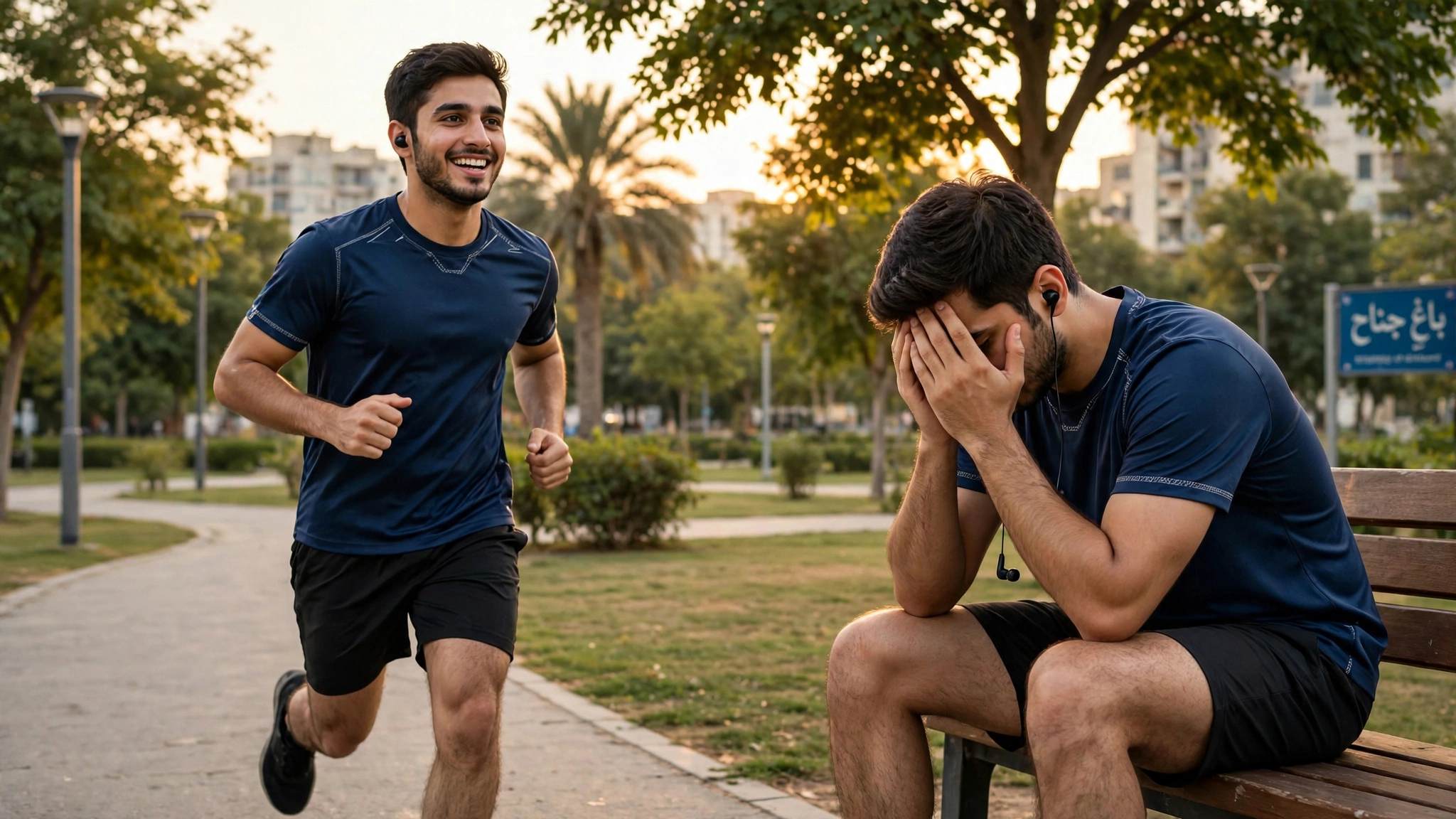
In Pakistan, this connection can sometimes be overlooked because physical health problems are easier to recognize and discuss. Someone experiencing a fever, injury, or chronic illness may receive immediate attention, while someone dealing with anxiety, depression, or emotional stress may be told to simply stay positive or ignore their feelings.
This can make mental health challenges harder to recognize, especially among young people. Family expectations, academic pressure, career concerns, social comparisons, and a lack of emotional support can all affect how a person feels about themselves. A person may appear active and happy while privately struggling with issues that are not visible to others.
For this reason, it is difficult to say that physical health is more important than mental health. Both contribute to a person’s quality of life, and maintaining one while neglecting the other can affect overall well-being.

Mental Health vs. Physical Health in Pakistan
Mental health and physical health can affect people in different ways, but both are important to overall well-being. Looking at their common challenges, treatment gaps, and social perceptions helps explain why physical health often receives more attention than mental health in Pakistan.
| Aspect | Mental Health | Physical Health |
|---|---|---|
| Common Concerns | Depression, anxiety, stress, and trauma-related conditions. | Diabetes, hypertension, heart disease, arthritis, and other chronic conditions. |
| Visibility | Problems may not be visible to others. | Symptoms are often easier to recognize. |
| Social Perception | Mental health problems may be misunderstood or stigmatized. | Physical health problems are generally discussed more openly. |
| Treatment | Counselling, psychotherapy, medication, or other professional support may be used. | Medical treatment, medication, lifestyle changes, or surgery may be recommended. |
| Support | Support from family, friends, and mental health professionals can be important. | Family support and medical care can assist with treatment and recovery. |
| Overall Impact | Can affect emotions, thinking, relationships, work, and quality of life. | Can affect mobility, energy, daily activities, and quality of life. |
Physical health and mental health are closely connected. A person may appear physically healthy while experiencing emotional or psychological difficulties that are not visible to others. Paying attention to both aspects of health can support better overall well-being and quality of life.
Cultural and Social Perspectives
The way people view mental and physical health is influenced by culture, family expectations, and social attitudes. In Pakistan, physical health problems are generally easier to discuss because they are often visible and have traditionally been treated as medical concerns. Mental health problems, on the other hand, may be misunderstood, hidden, or dismissed because of stigma and fear of social judgment.
1. The Stigma Surrounding Mental Health
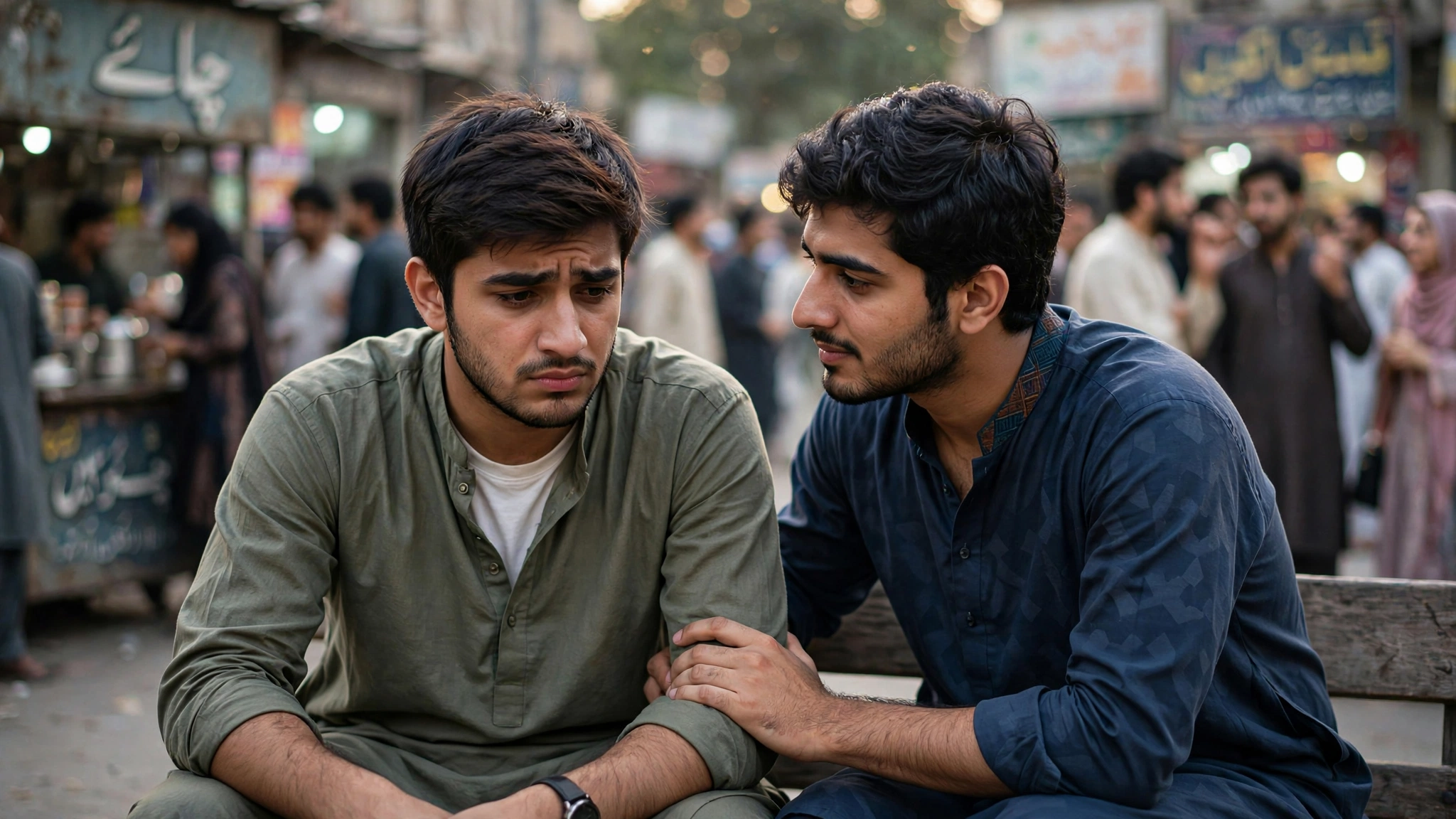
Mental health problems can still carry a social stigma in Pakistan. People experiencing anxiety, depression, or other emotional difficulties may hesitate to talk about what they are going through because they fear being judged or misunderstood.
This can prevent people from seeking professional support when they need it. Instead, some may try to hide their emotional struggles or deal with them alone. Changing this attitude requires greater awareness and more open conversations about mental health.
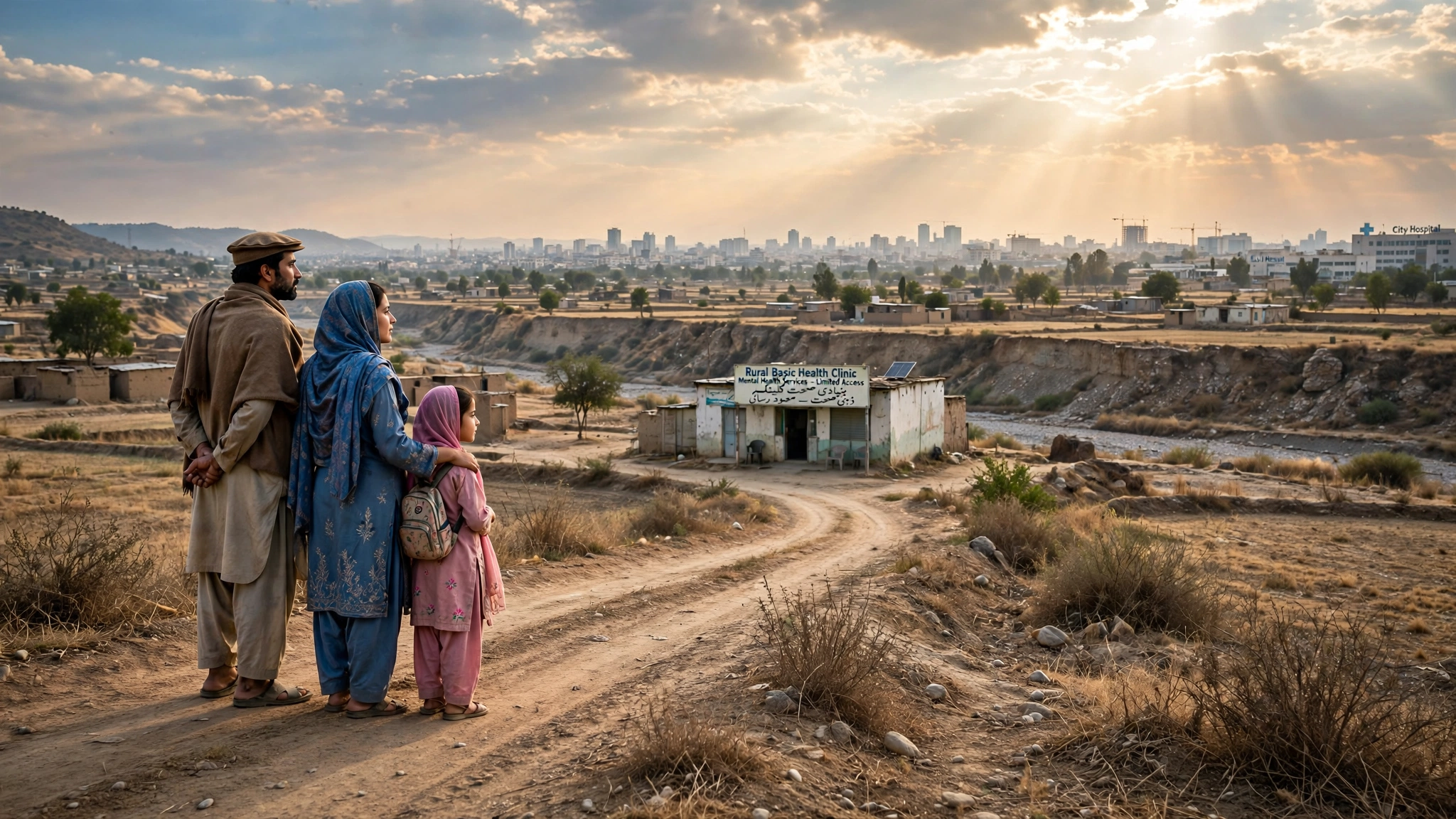
2. Limited Access to Mental Health Resources
Access to mental health support can also be a challenge. People living in areas with fewer healthcare facilities may have limited access to qualified mental health professionals, while the cost of treatment can create another barrier.
As a result, some people may receive attention for physical symptoms without addressing the mental or emotional factors that may also be affecting their well-being. Improving access to counselling and other mental health services can help create a more balanced approach to healthcare.
3. Gender Roles and Mental Health
Social expectations can affect how people express and manage mental health challenges. Men may feel pressure to appear strong and avoid talking about emotional difficulties, while women may face family, social, or financial barriers that make it difficult to seek professional support.
These expectations can discourage people from asking for help. Creating an environment where both men and women can openly discuss their mental health can make it easier to recognize problems and seek appropriate support.

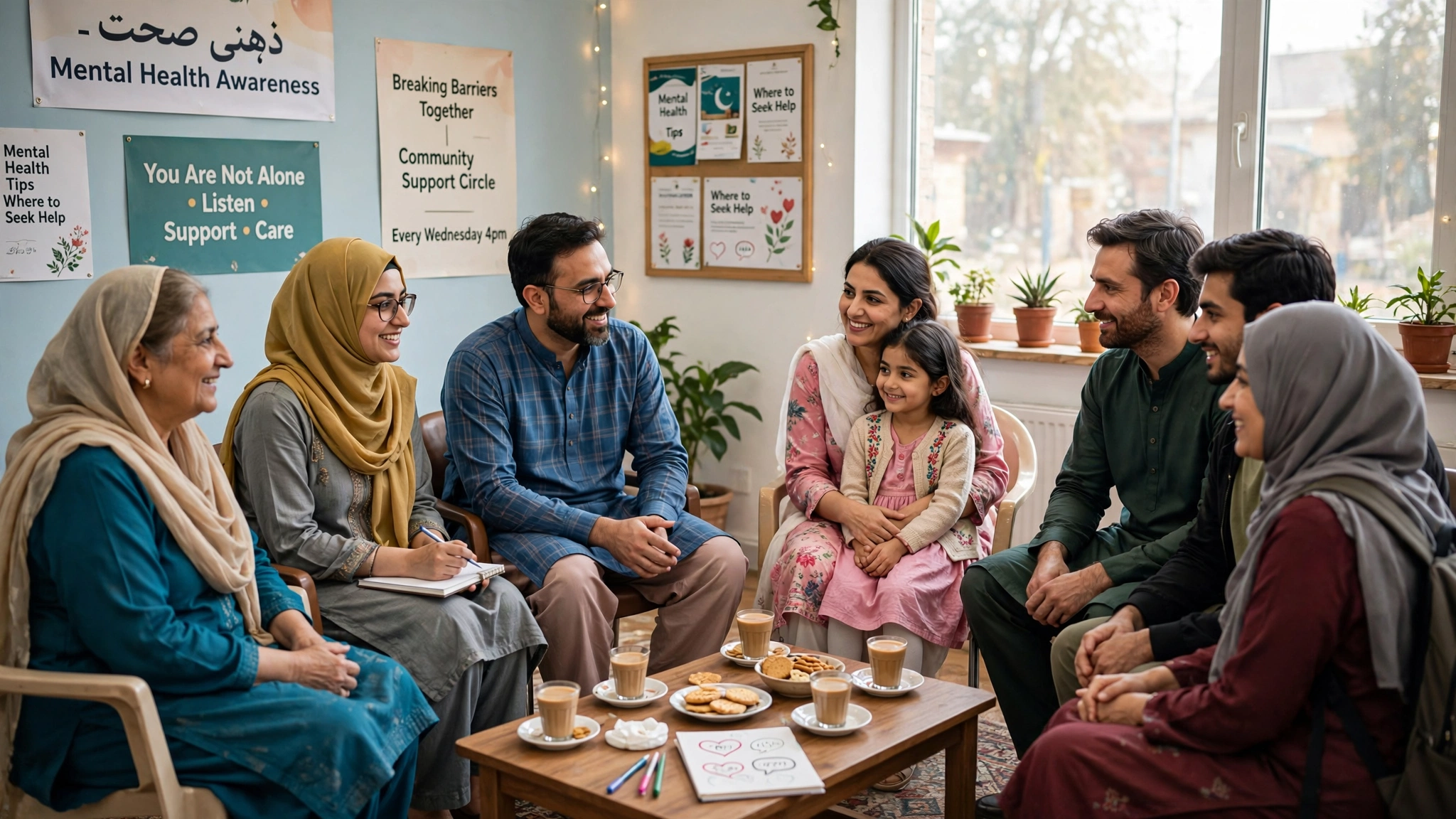
4. The Need for Greater Awareness and Support
A healthier approach requires mental health to be treated as an important part of overall well-being rather than something that should be hidden. Families, schools, workplaces, and communities can all play a role by encouraging open conversations, reducing stigma, and supporting people who need professional help.
Physical health deserves attention, but so does mental health. Giving both the same level of consideration can help people in Pakistan build healthier and more balanced lives.
The Impact of Social Pressures on Mental and Physical Health in Pakistan
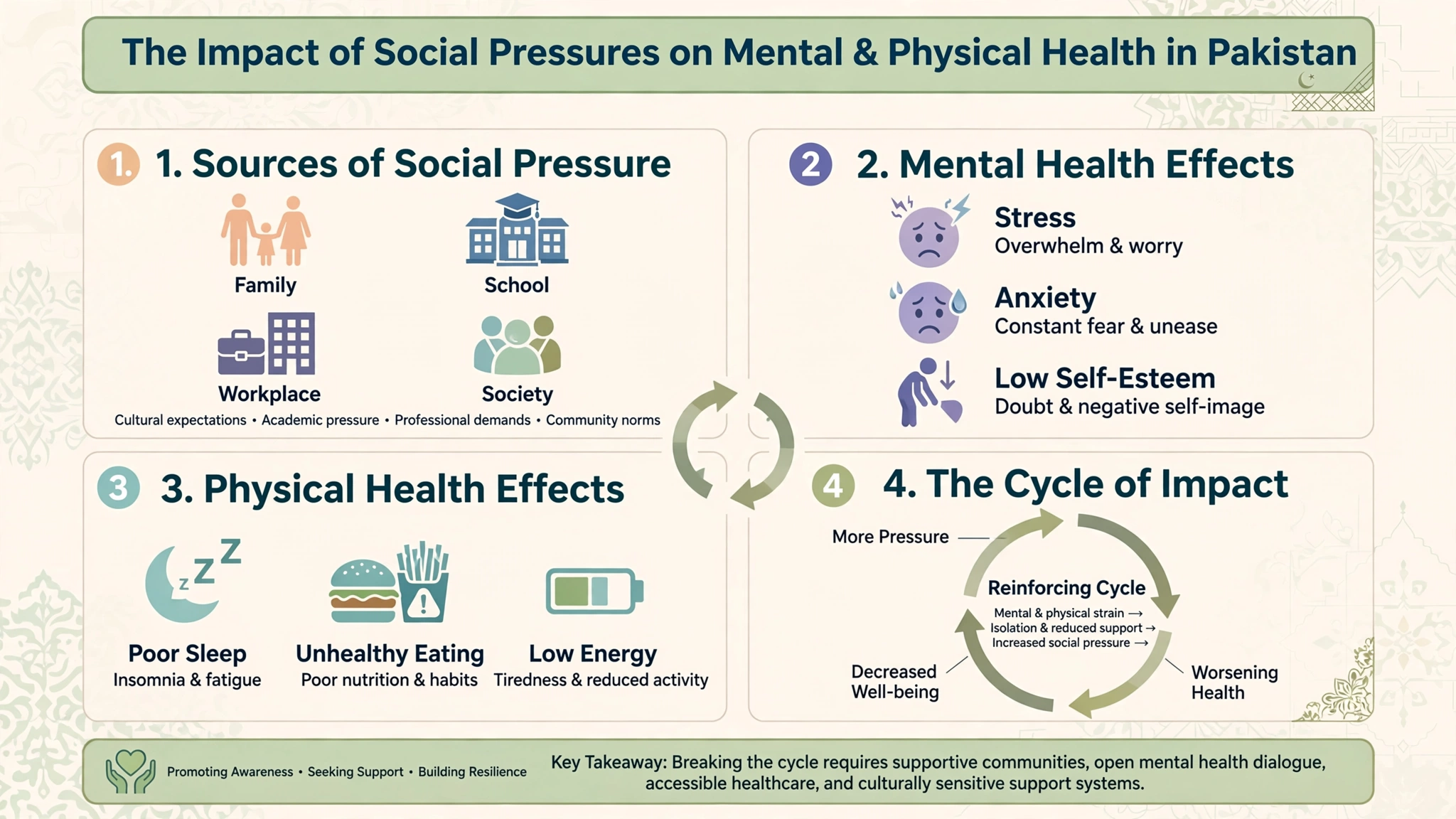
Social pressure can affect both mental and physical health. In Pakistan, people may face expectations from family, friends, schools, workplaces, and wider society. Constant comparison with others, pressure to succeed, and concerns about meeting expectations can gradually affect a person’s confidence and emotional well-being.
For young people in particular, being compared with classmates, relatives, or people of the same age can create feelings of inadequacy. When someone repeatedly hears that they should be doing better, they may begin to question their abilities and feel that they are never good enough. Without emotional support, these feelings can contribute to ongoing stress and other mental health challenges.
Physical health can also be affected by prolonged stress and unhealthy lifestyle habits. Problems such as poor sleep, lack of exercise, unhealthy eating, and other stress-related behaviors can have an impact on physical well-being. This shows why mental and physical health should not be treated as completely separate issues.
1. Social Pressure and Mental Health
The pressure to meet social expectations can contribute to stress, anxiety, and low self-esteem. Students may feel pressure to achieve high grades, while adults may face expectations related to careers, income, marriage, or family responsibilities.
These pressures do not affect everyone in the same way, but when they become constant, they can make it difficult for people to relax and maintain a healthy emotional balance.
Pakistan’s health priorities are also addressed through cooperation between the Government of Pakistan and the World Health Organization, with a broader focus on universal health coverage, healthier populations, and stronger health systems.
2. Family Expectations and Self-Worth
Family support can be extremely valuable, but unrealistic expectations can also affect how a person views themselves. In some families, academic achievements, career success, financial stability, or comparison with relatives may become measures of personal worth.
When people feel that they are constantly being compared with others, they may develop self-doubt or fear of failure. Encouraging open communication and recognizing individual strengths can help create a healthier environment.
3. How Mental Stress Can Affect Physical Health
Mental stress does not remain limited to thoughts and emotions. Prolonged stress can affect sleep, energy, concentration, and everyday habits, which can in turn influence physical well-being.
This connection is one reason why focusing only on physical symptoms may not always provide a complete picture of a person’s health. A balanced approach considers both the physical condition and the emotional factors that may be affecting it.
4. Why Physical Health Often Receives More Attention
Physical health problems are usually easier for people to recognize because symptoms such as pain, injury, fever, or changes in physical functioning can be visible. This often makes it easier for family members to encourage someone to visit a doctor.
Mental health challenges can be less visible. Someone may continue working, studying, or interacting with others while privately experiencing significant emotional difficulties. As a result, mental health concerns can sometimes be overlooked.
Giving equal attention to mental and physical health can help people recognize problems earlier and seek the appropriate support.
Navigating Mental Health Challenges: The Power of Self-Awareness and Support
Mental health challenges are not always easy to recognize, either in ourselves or in the people around us. Someone may continue with their studies, work, family responsibilities, and daily activities while quietly struggling with stress, anxiety, low self-esteem, or other emotional difficulties.
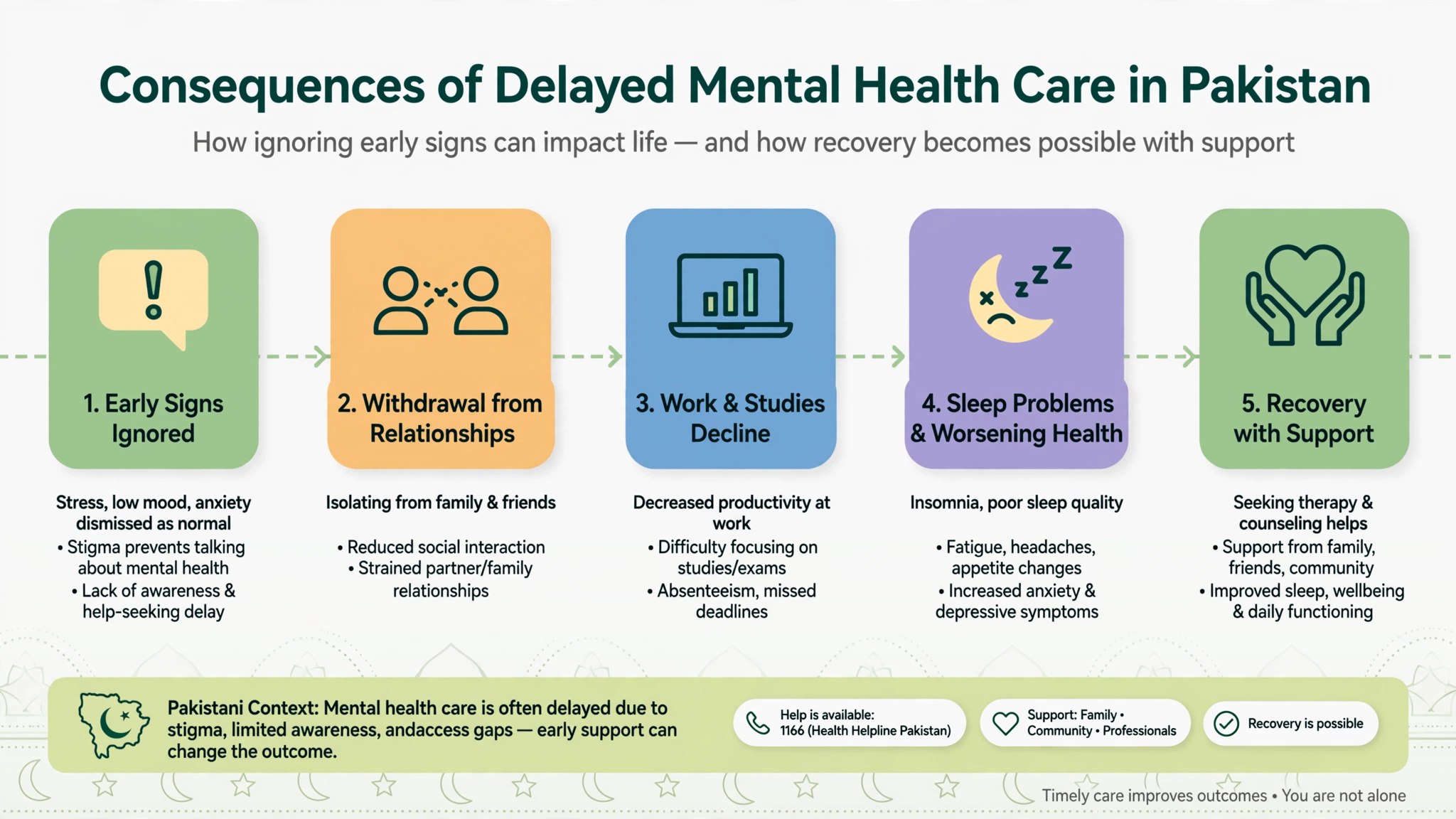
Recognizing these challenges early can make it easier to seek appropriate support. Ignoring persistent emotional difficulties does not necessarily make them disappear, and delaying professional help can allow problems to become more difficult to manage.
1. The Consequences of Delayed Mental Health Care
When mental health concerns are ignored for a long time, they can interfere with relationships, work, studies, sleep, and everyday life. A person who feels overwhelmed may gradually withdraw from others or lose confidence in their ability to cope.
This is why mental health should be taken seriously, just like physical health. Seeking professional support when problems persist can be an important step toward recovery and better overall well-being.
2. The Importance of Self-Awareness and Early Support
Self-awareness helps people recognize changes in their thoughts, emotions, and behavior. Persistent sadness, excessive worry, difficulty concentrating, changes in sleep, or losing interest in activities can be early signs of depression or other mental health challenges.
Recognizing these changes does not mean diagnosing yourself. Instead, it can encourage you to talk to someone you trust or seek guidance from a qualified professional when necessary.
3. The Role of Family and Social Support
Family members and friends can provide valuable emotional support. Simply listening without judgment can make it easier for someone to talk about what they are experiencing.
In Pakistani families, creating a more open environment around mental health can be particularly valuable. Instead of dismissing emotional struggles or telling someone to simply ignore them, offering understanding and encouraging appropriate help can make a meaningful difference.
Pay Attention to Changes
Notice changes in your mood, sleep, energy levels, stress, or physical well-being. Recognizing changes early can help you understand when additional support may be needed.
Talk Openly
Sharing persistent concerns with someone you trust can make difficult experiences easier to manage. Open communication can also reduce the feeling of having to deal with everything alone.
Build Healthy Habits
Regular physical activity, healthy eating, adequate sleep, and time for relaxation can support both physical health and mental well-being.
Know When to Seek Help
Do not ignore persistent or serious physical or emotional difficulties. Speaking with an appropriate healthcare professional can help you understand the problem and find suitable support.

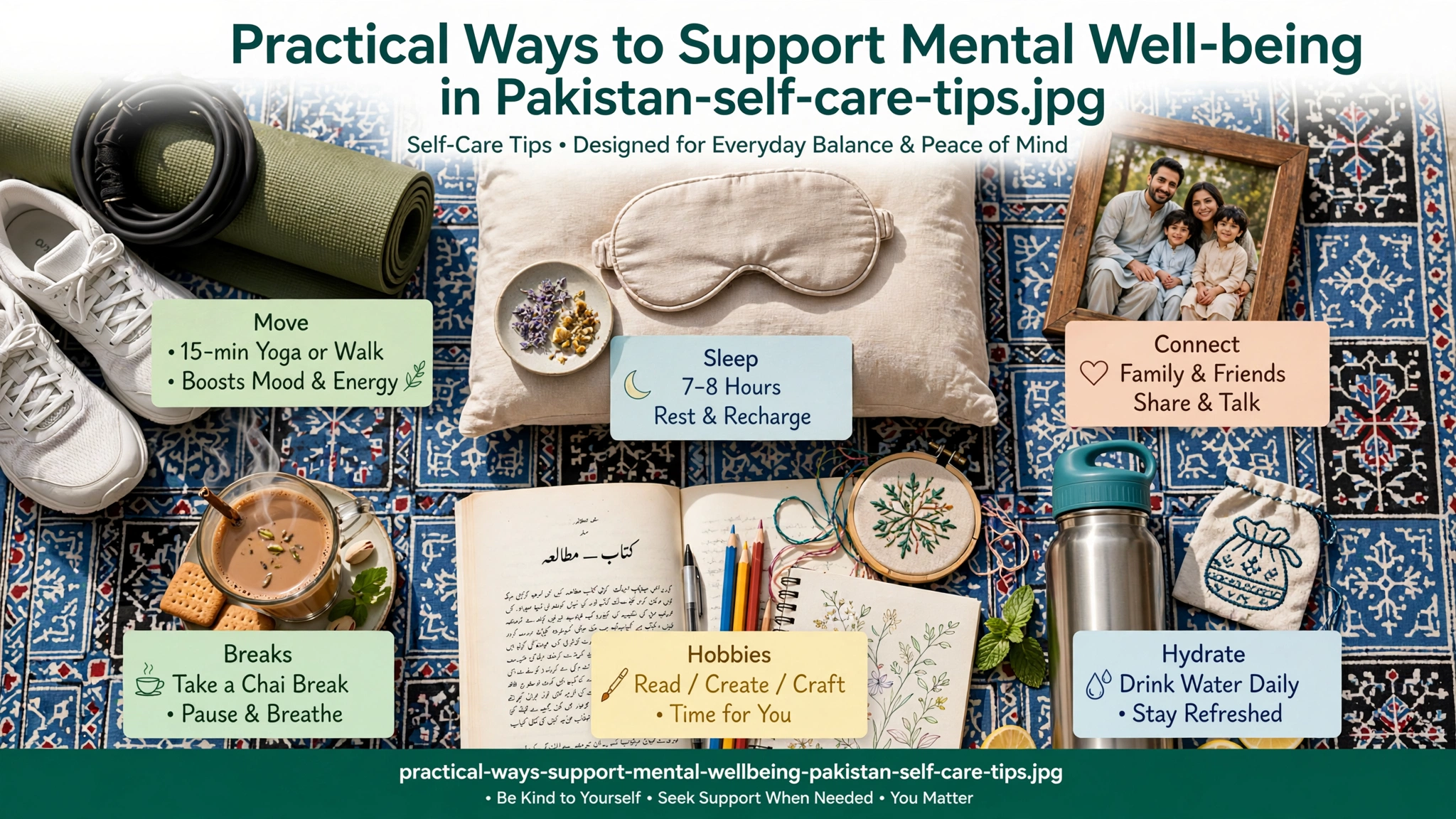
4. Practical Ways to Support Mental Well-Being
Taking care of mental health does not require complicated changes. Maintaining regular exercise, following a balanced diet, getting enough sleep, staying socially connected, and taking breaks from daily pressures can support both mental and physical well-being.
However, self-care should not replace professional treatment when someone is experiencing a serious or persistent mental health problem. Just as we seek medical attention for ongoing physical health concerns, seeking appropriate professional support for mental health is also an important part of taking care of ourselves.
Understanding Mental Health and Physical Health
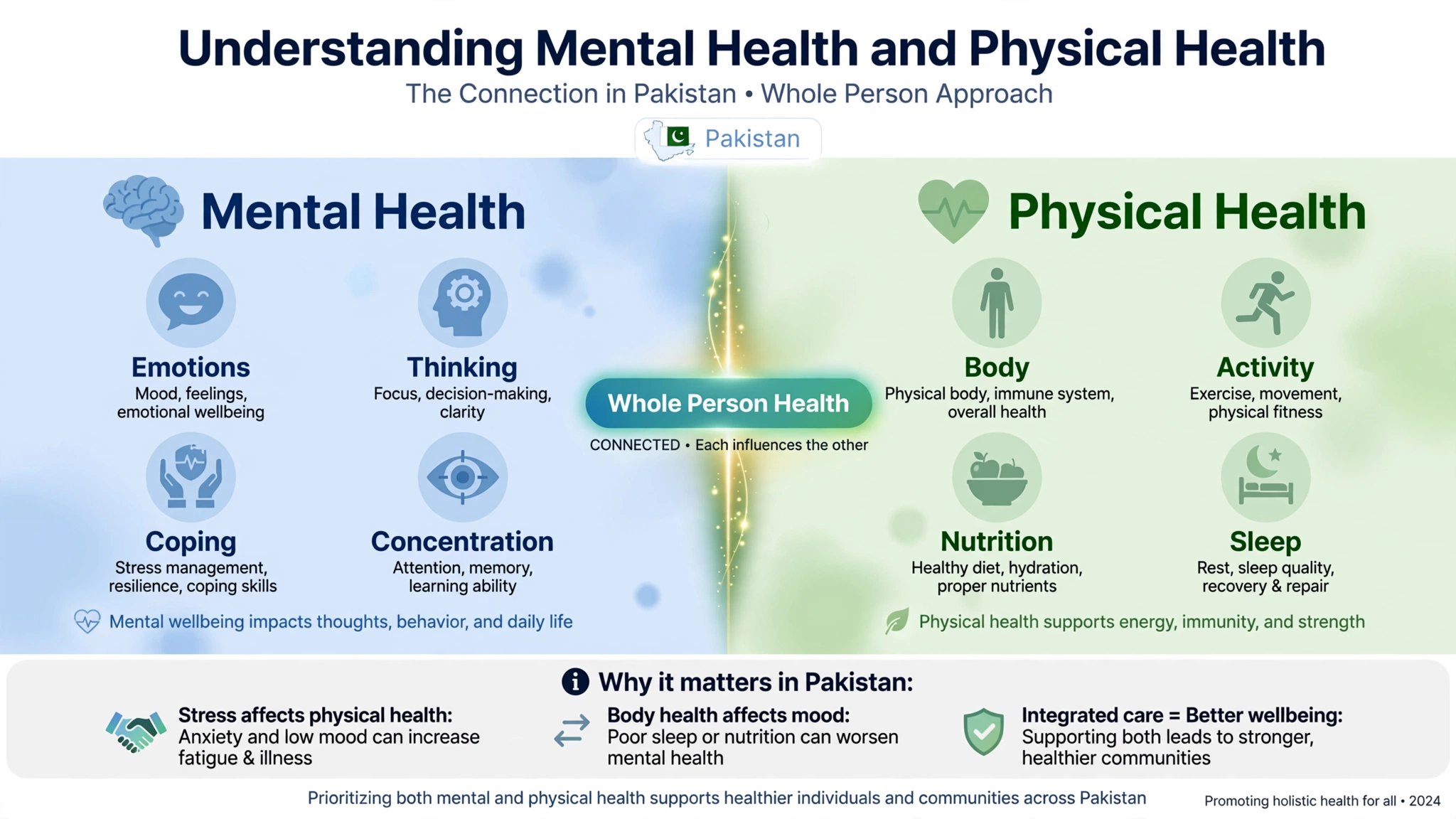
Mental health and physical health describe different aspects of well-being, but they are closely connected. Understanding the role of each can make it easier to see why neither should be considered more important than the other.
The World Health Organization (WHO) describes mental health as a state of mental well-being that helps people cope with the stresses of life, use their abilities, work effectively, and contribute to their communities.
Mental Health
Mental health affects how people think, feel, cope with everyday challenges, and interact with others. It can influence emotional stability, concentration, relationships, decision-making, and overall quality of life.
Common mental health concerns include anxiety, depression, prolonged stress, and other conditions that can affect a person’s ability to manage everyday life.
Because mental health difficulties are not always visible, they can sometimes go unnoticed. A person may appear physically healthy while experiencing significant emotional or psychological challenges.
Physical Health
Physical health relates to how well the body functions and how effectively a person can carry out everyday activities. Factors such as physical activity, nutrition, sleep, medical care, and the management of chronic conditions can all influence physical well-being.
Conditions such as diabetes, hypertension, cardiovascular disease, arthritis, and obesity can affect physical health and may require medical treatment, lifestyle changes, or ongoing monitoring.
Physical health problems are often easier to identify because their symptoms may be visible or measurable. This can partly explain why people tend to discuss and seek treatment for physical health problems more openly.
Why Both Matter
The distinction between mental and physical health does not mean they exist separately. Stress and emotional difficulties can influence sleep, energy, daily habits, and physical well-being, while ongoing physical health problems can also affect mood and emotional well-being.
For this reason, a healthy approach should consider the whole person rather than focusing on only one aspect of health. Physical health is important, but mental health deserves the same attention when we talk about overall well-being.
Is Physical Health More Important Than Mental Health?
Physical health is not more important than mental health, and mental health is not more important than physical health. Both are essential parts of overall well-being and can influence each other in many ways.
In Pakistan, physical health often receives more attention because physical problems are easier to recognize, discuss, and treat openly. Mental health challenges can be less visible and may be affected by social stigma, family expectations, and a lack of awareness. This can lead some people to ignore emotional difficulties until they begin to interfere with everyday life.
A healthier approach is to treat mental and physical health as connected parts of the same person. Taking care of the body through regular physical activity, nutritious food, adequate sleep, and appropriate medical care is important. At the same time, maintaining emotional well-being, building supportive relationships, recognizing ongoing stress, and seeking professional help when needed are equally valuable.
Ultimately, the goal should not be to decide whether physical health or mental health is more important. The goal should be to give both the attention they deserve. A balanced approach to health can help people live healthier, more productive, and more fulfilling lives.
Frequently Asked Questions
Is physical health more important than mental health?
Physical health is not more important than mental health. Both are essential parts of overall well-being and can influence each other. A healthy approach should give appropriate attention to both physical and mental health.
Why does physical health receive more attention in Pakistan?
Physical health problems are often easier to recognize because their symptoms may be visible or measurable. Mental health challenges can be less visible and may also be affected by social stigma, family expectations, and limited awareness, which can make people less likely to discuss them openly.
How are mental health and physical health connected?
Mental and physical health are closely connected. Ongoing stress and emotional difficulties can affect sleep, energy, daily habits, and physical well-being, while long-term physical health problems can also affect mood and emotional well-being.
What are common signs that mental health needs attention?
Persistent sadness, excessive worry, major changes in sleep or energy, difficulty concentrating, withdrawal from others, or losing interest in everyday activities can indicate that someone may need additional support. Persistent or serious concerns should be discussed with an appropriate healthcare professional.
How can I support both physical and mental health?
Regular physical activity, healthy eating, adequate sleep, relaxation, social connection, and appropriate medical care can support overall well-being. It is also important to recognize persistent emotional or physical difficulties and seek professional support when needed.
Why is mental health sometimes difficult to recognize?
Mental health difficulties are not always visible. Someone may continue working, studying, or managing everyday responsibilities while privately experiencing stress, anxiety, depression, or other emotional challenges. This is one reason mental health concerns can sometimes be overlooked.


0 Comments