
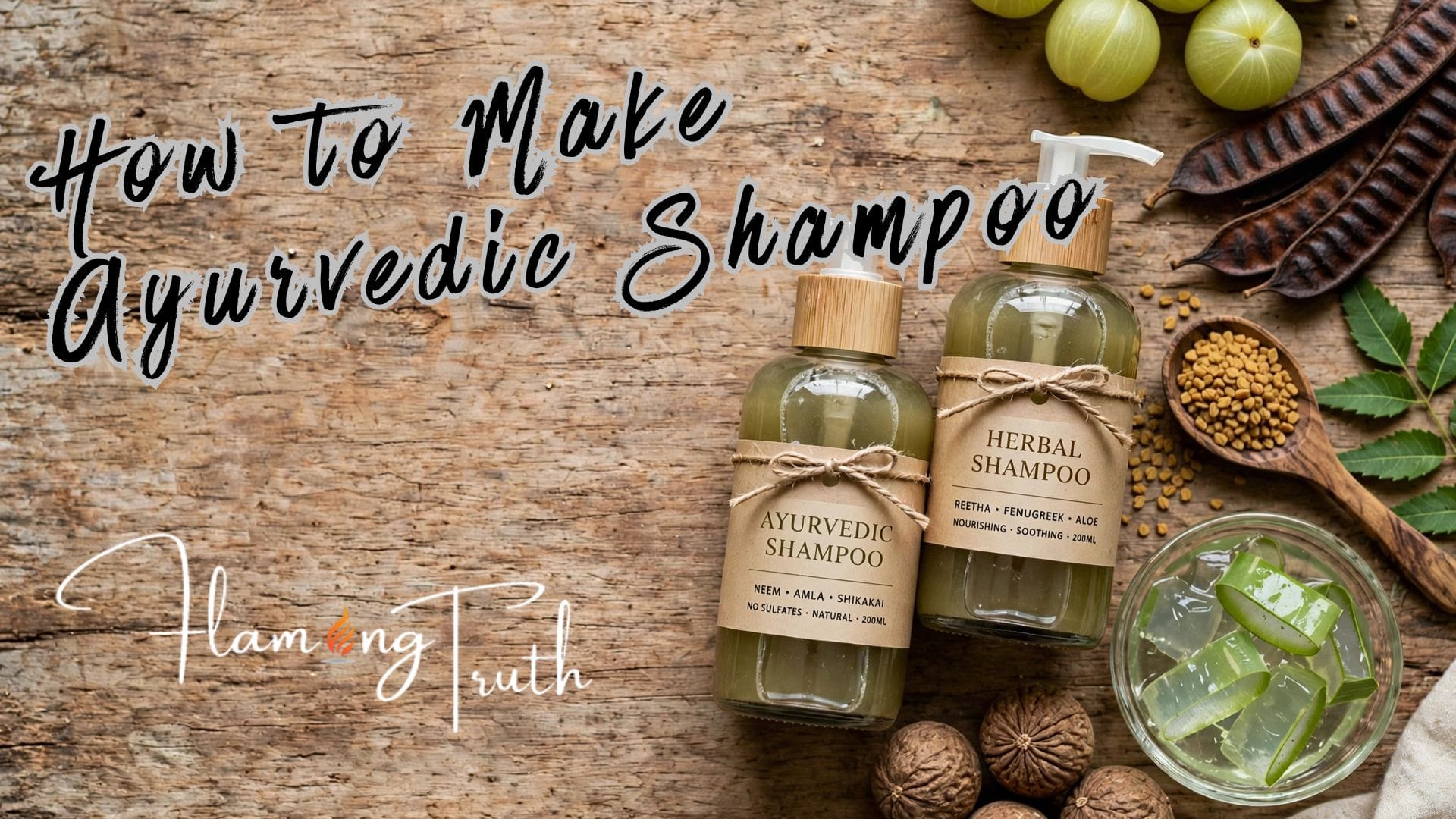

Looking for an easy way to make Ayurvedic shampoo at home? A homemade Ayurvedic shampoo made with natural herbs like reetha (soapnut), shikakai, amla, fenugreek, aloe vera, and neem can gently cleanse your scalp without harsh chemicals. These traditional Ayurvedic ingredients help remove excess oil, reduce dandruff, strengthen hair roots, improve shine, and support healthy hair growth. In this guide, you’ll learn the ingredients, benefits, and step-by-step method to prepare your own herbal shampoo at home.

Why Choose Homemade Ayurvedic Shampoo?
Many commercial shampoos contain synthetic detergents, artificial fragrances, and preservatives that may not suit every hair type. While these products work well for many people, some individuals prefer a more natural alternative to reduce their exposure to certain ingredients or to simplify their hair care routine.
Homemade Ayurvedic shampoo is prepared using traditional herbs that have been used in Ayurvedic hair care for centuries. Ingredients such as reetha (soapnut), shikakai, amla, fenugreek, aloe vera, and neem gently cleanse the scalp while helping maintain its natural moisture balance. Unlike many conventional shampoos, a freshly prepared herbal shampoo contains no added sulfates, parabens, or artificial colors.
Another advantage of making Ayurvedic shampoo at home is that you have complete control over the ingredients. You can prepare a fresh batch, adjust the recipe according to your hair type, and avoid unnecessary additives. Whether your goal is to keep your scalp clean, reduce excess oil, soothe dryness, or support healthy-looking hair, a homemade herbal shampoo offers a simple and natural solution.
For the best results, prepare only enough shampoo for a few days and store it in a clean, airtight container in the refrigerator. Because it contains fresh herbal ingredients and no preservatives, homemade Ayurvedic shampoo has a much shorter shelf life than commercial products.
Benefits of Ayurvedic Shampoo
Homemade Ayurvedic shampoo offers a natural way to cleanse your hair while nourishing the scalp with plant-based ingredients. Herbs such as reetha, shikakai, amla, neem, fenugreek, and aloe vera have been used in traditional Ayurvedic hair care for generations. When used regularly as part of a healthy hair care routine, they may provide several benefits.
Gently Cleanses the Scalp
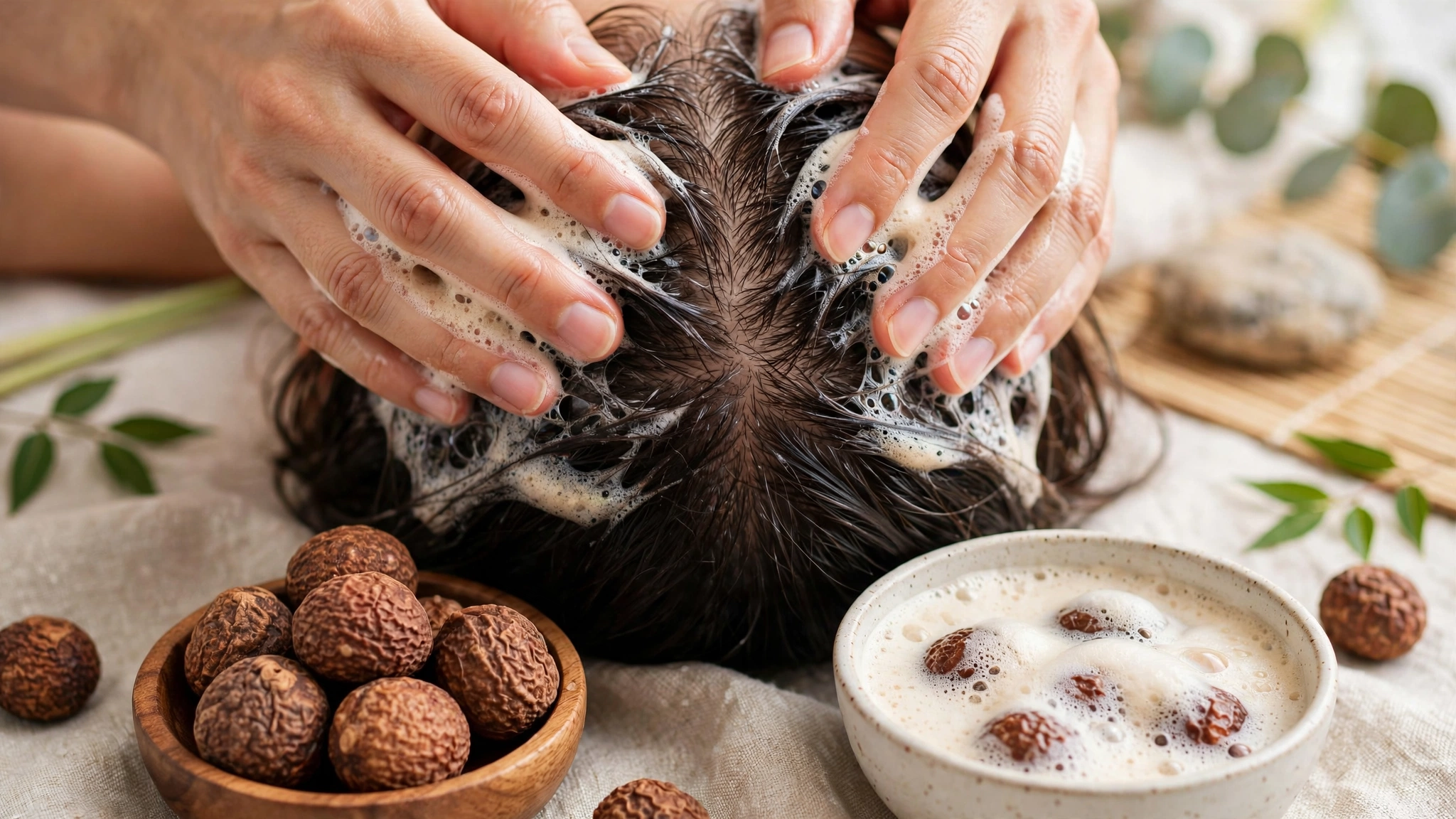
Reetha (soapnut) contains natural cleansing compounds called saponins that create a mild lather. They help remove excess oil, dirt, and product buildup without stripping away the scalp’s natural moisture, leaving your hair feeling fresh and clean.
Helps Maintain a Healthy Scalp
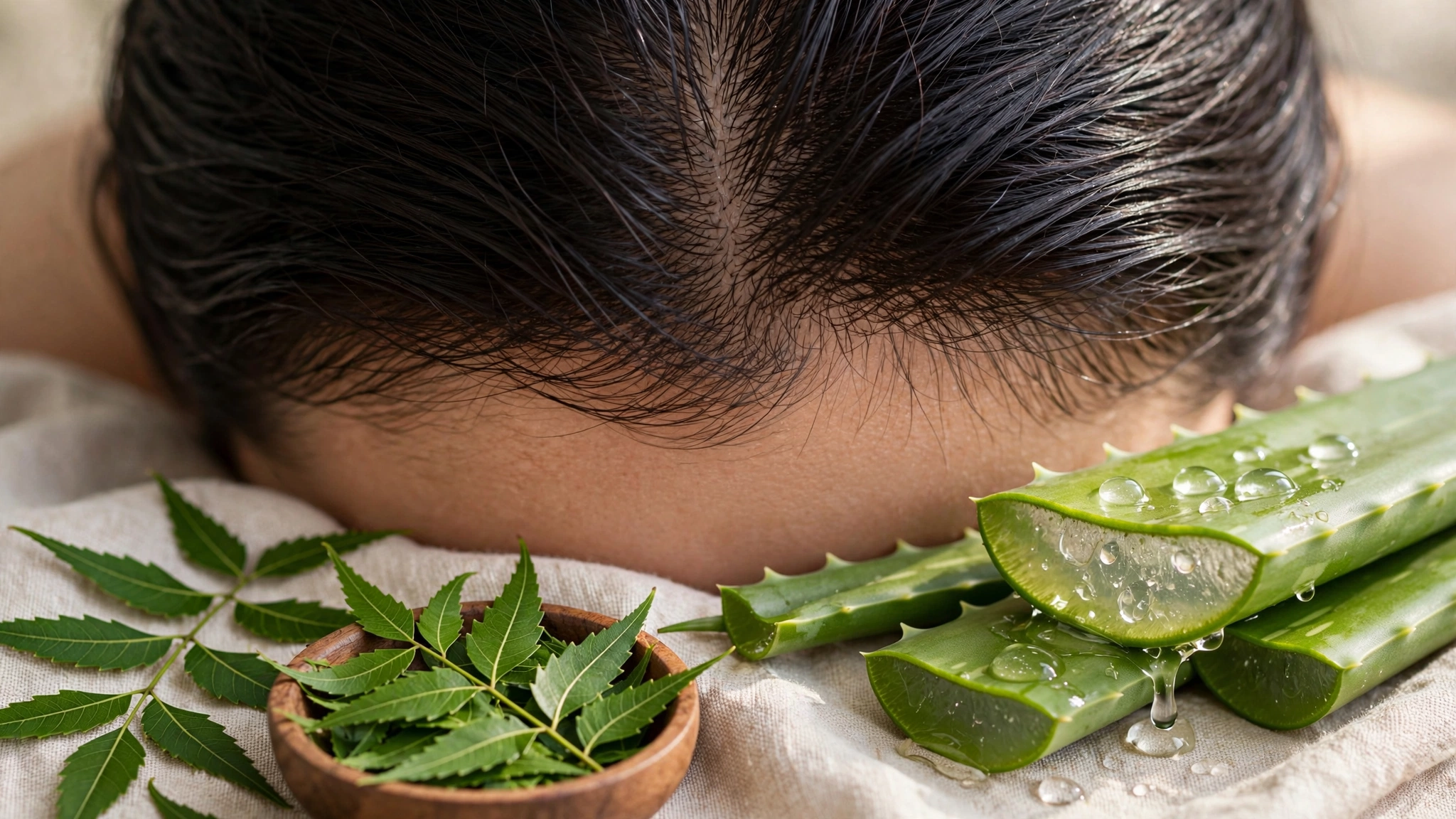
A clean and balanced scalp is essential for healthy-looking hair. Ingredients like neem and aloe vera have traditionally been used in Ayurveda to soothe the scalp and support overall scalp hygiene, which may help reduce dryness and discomfort.
Strengthens Hair Roots
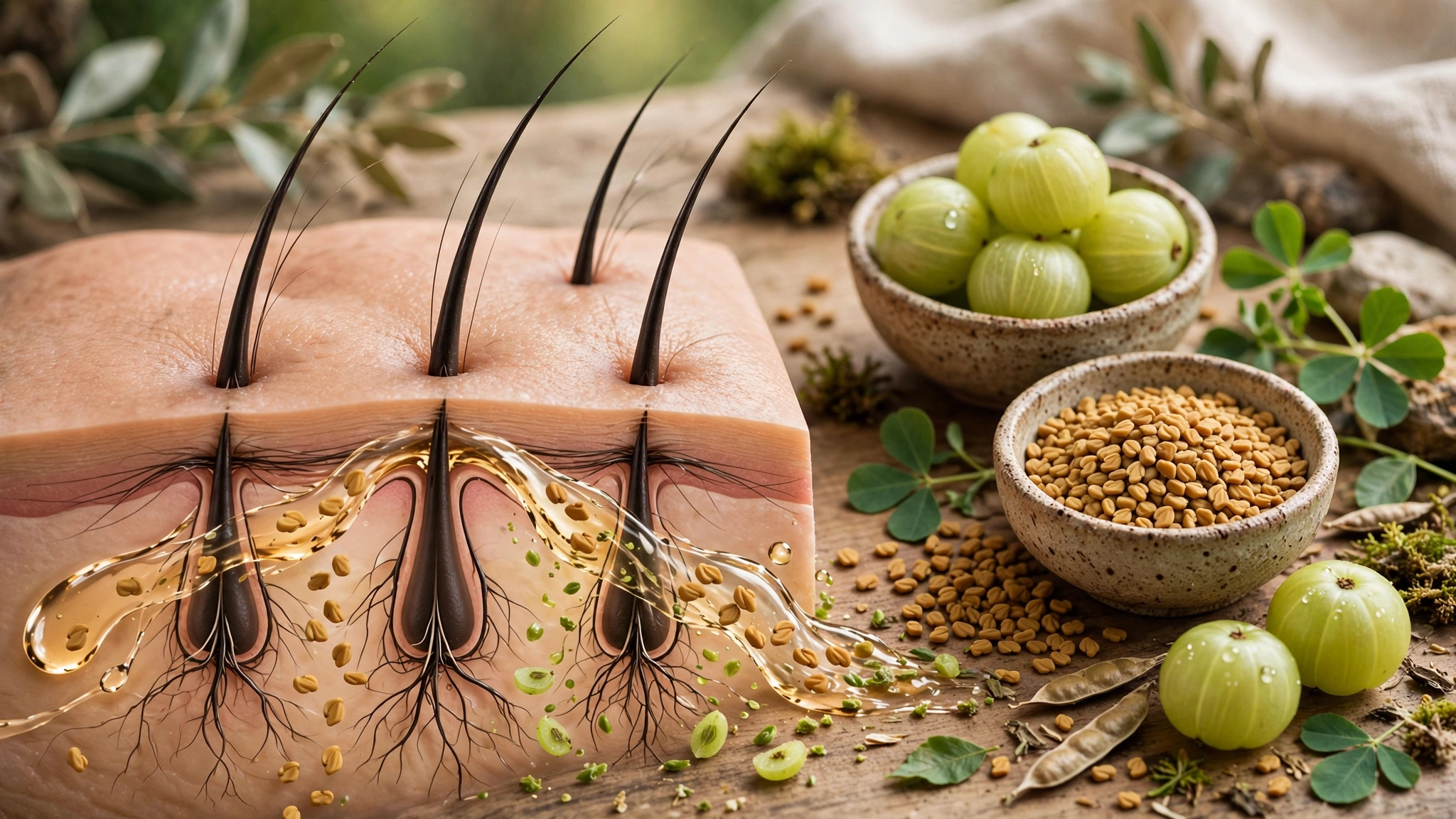
Amla and fenugreek are rich in vitamins, minerals, and antioxidants that help nourish the hair roots. Regular use of these ingredients may support stronger hair and reduce hair breakage caused by dryness or environmental damage.
Hair loss can have many possible causes, including genetics, nutritional deficiencies, hormonal changes, stress, and certain medical conditions.

Supports Healthy Hair Growth
Healthy hair growth begins with proper scalp care. By keeping the scalp clean and supplying it with beneficial nutrients, Ayurvedic herbs create a healthier environment for hair to grow naturally.
Improves Hair Texture and Shine
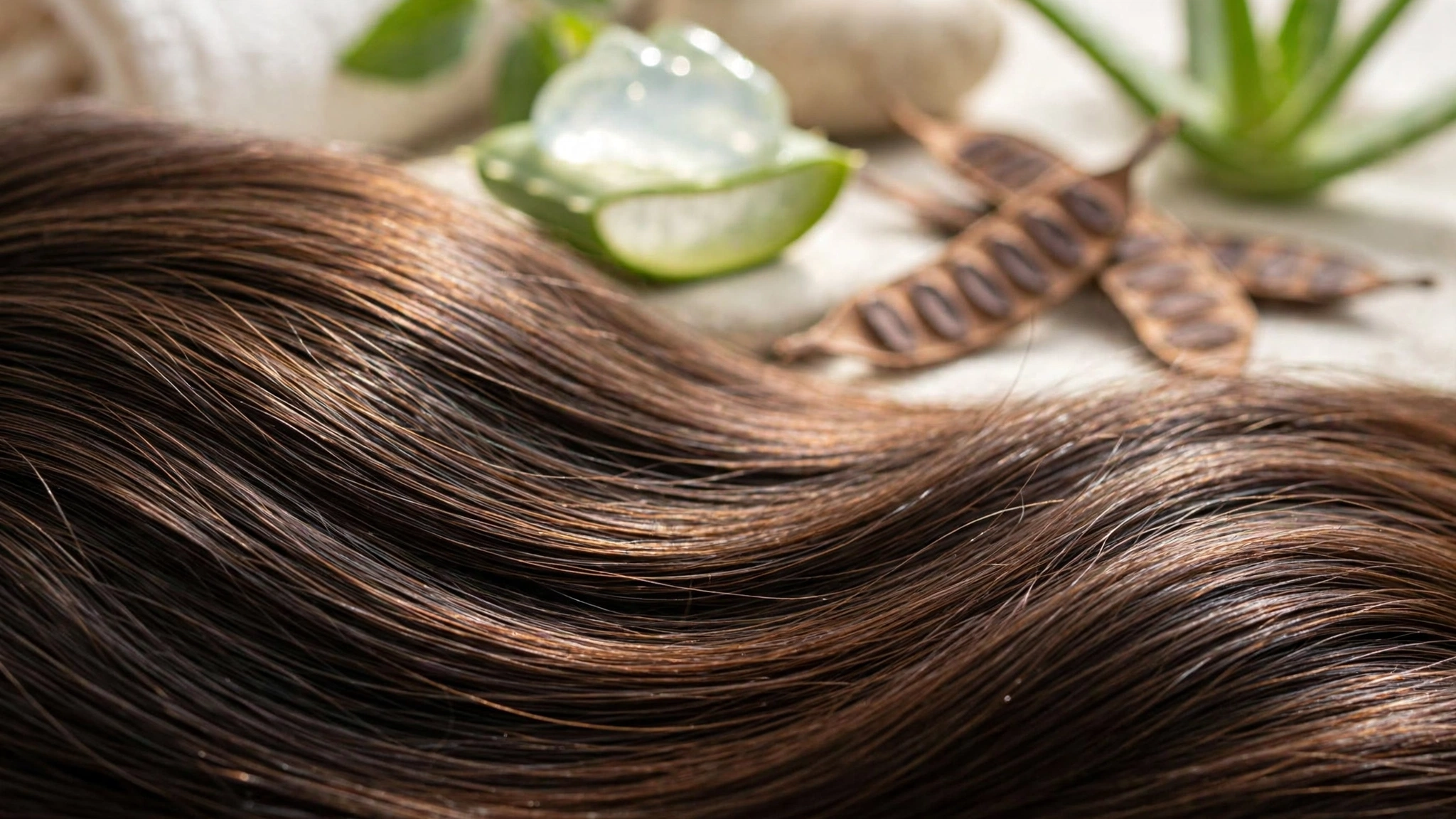
Natural ingredients such as aloe vera and shikakai help retain moisture and smooth the hair strands. This can make hair feel softer, appear shinier, and become easier to manage without relying on silicone-based products.
Helps Reduce Dandruff
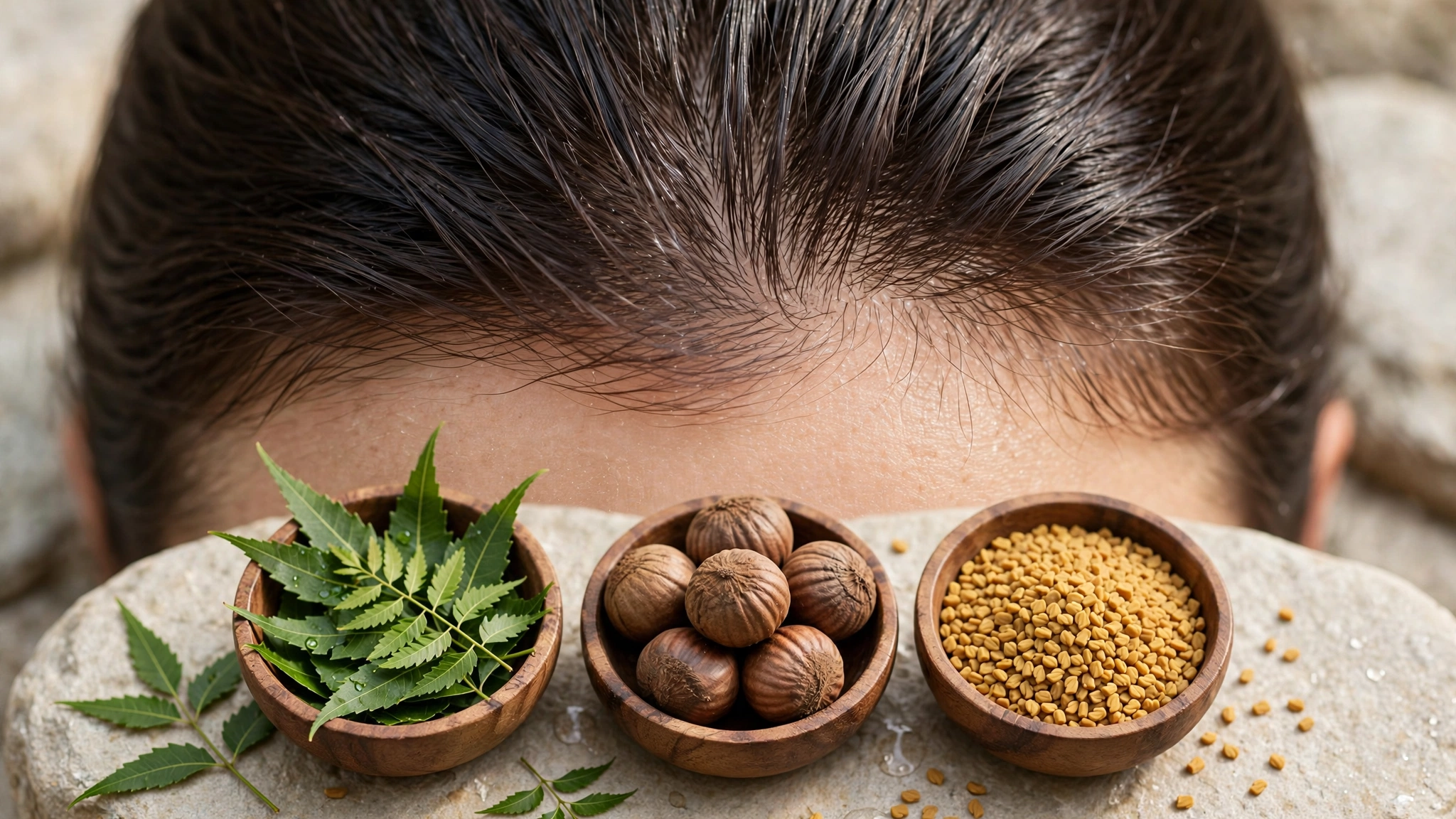
Neem, reetha, and fenugreek have long been used in traditional hair care routines to maintain scalp cleanliness. Regular cleansing with these herbs may help minimize dandruff caused by excess oil, dryness, or buildup.
Free from Harsh Chemicals
One of the biggest advantages of homemade Ayurvedic shampoo is knowing exactly what goes into it. Since it is prepared using natural ingredients, it contains no added sulfates, parabens, artificial fragrances, or synthetic colors, making it an appealing choice for people seeking a more natural hair care routine.
Ingredients Needed to Make Ayurvedic Shampoo
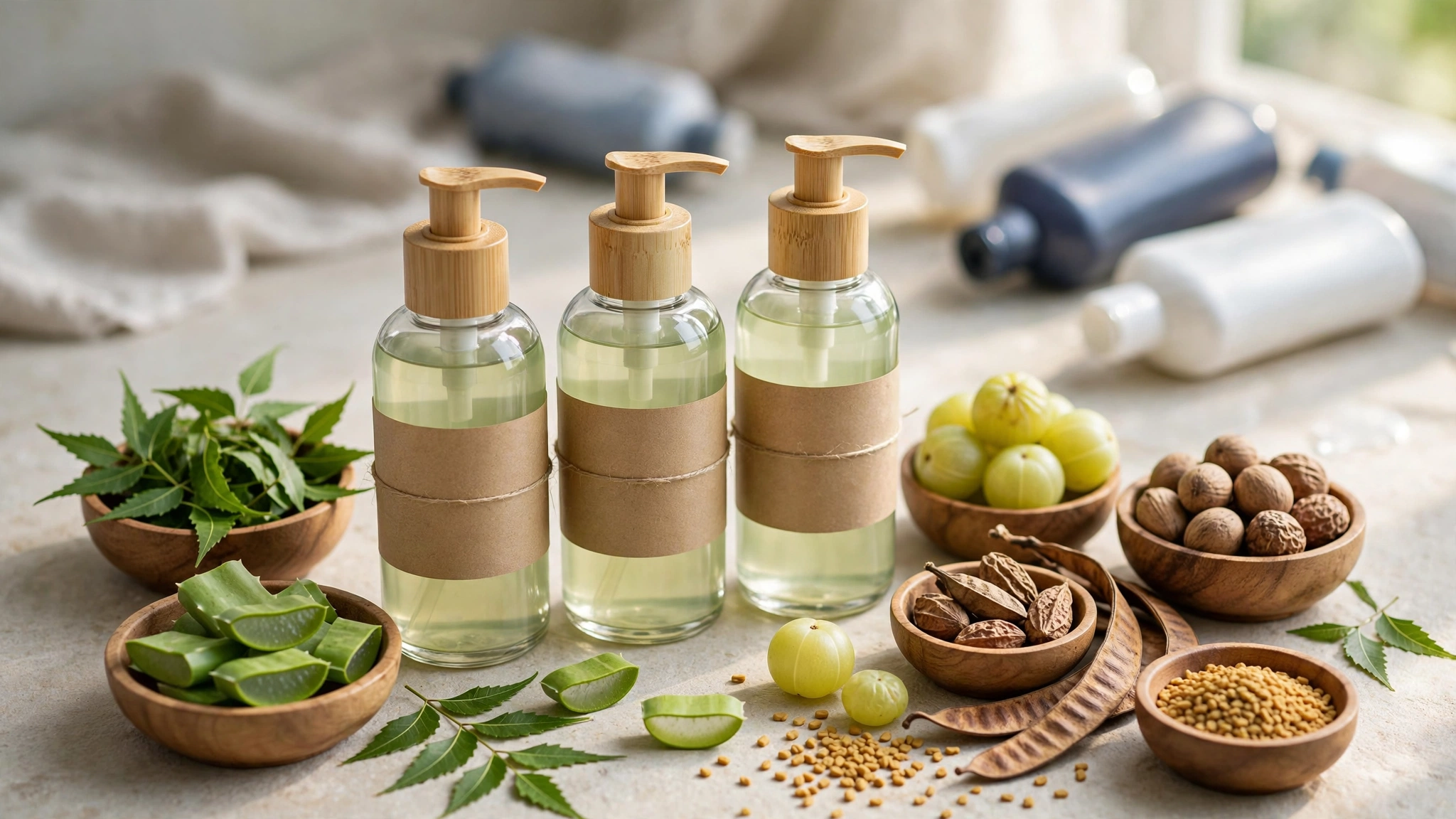
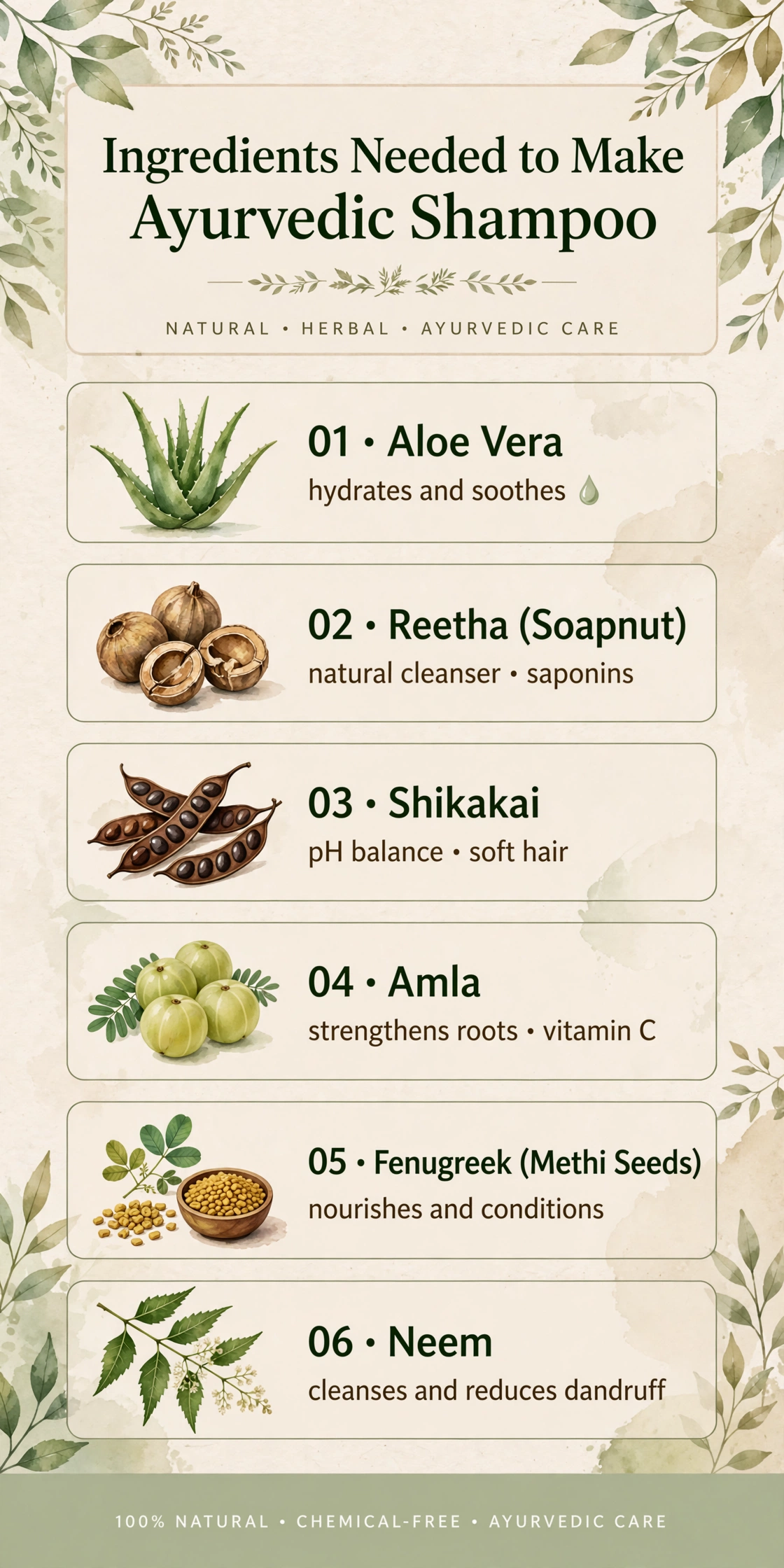
To prepare an effective homemade Ayurvedic shampoo, you’ll need a combination of traditional herbs known for their cleansing and nourishing properties. Each ingredient plays a unique role in supporting healthy hair and maintaining a clean scalp. Using fresh, high-quality herbs will help you achieve the best results.
Aloe Vera
Aloe vera is rich in vitamins A, C, E, and B12, along with enzymes and amino acids that nourish both the scalp and hair. It helps hydrate dry hair, soothe scalp irritation, and improve hair softness. Aloe vera also helps remove excess oil and product buildup without stripping away the scalp’s natural moisture, making it an excellent ingredient for homemade herbal shampoo.Several studies have investigated the potential properties of aloe vera for skin and hair care.
Reetha (Soapnut)
Reetha, also known as soapnut, is one of the main cleansing ingredients in Ayurvedic shampoo. It contains natural saponins that produce a gentle lather, effectively removing dirt, oil, and impurities from the hair. Reetha cleanses the scalp without harsh chemicals and has traditionally been used to help maintain a healthy scalp and reduce dandruff.
Shikakai
Often called the “fruit for hair,” shikakai is a traditional Ayurvedic herb valued for its mild cleansing properties. It helps maintain the scalp’s natural pH balance while gently washing away excess oil and dirt. Shikakai is also known for improving hair manageability, reducing dryness, and leaving hair soft and smooth after every wash.
Amla (Indian Gooseberry)
Amla is packed with vitamin C, antioxidants, and essential nutrients that help strengthen hair from the roots. It has long been used in Ayurveda to support healthy hair growth, improve shine, and reduce hair breakage. Regular use of amla may also help protect hair from environmental damage while keeping it healthy and vibrant.
Vitamin C plays an important role in collagen production and overall hair health.
Fenugreek (Methi Seeds)
Fenugreek seeds are rich in protein, iron, and plant compounds that help nourish the scalp and strengthen hair strands. They are commonly used in Ayurvedic hair care to improve hair texture, reduce dryness, and support stronger, healthier-looking hair. Their natural conditioning properties also make hair softer and easier to manage.
Neem
Neem is widely recognized for its cleansing and soothing properties. Traditionally used in Ayurvedic hair care, it helps keep the scalp clean and supports overall scalp health. Neem is particularly popular among people looking for a natural way to manage dandruff, itchiness, and excess oil while promoting healthier hair.
How to Make Ayurvedic Shampoo at Home
Making Ayurvedic shampoo at home is simple and requires only a few natural herbs that are commonly used in traditional hair care. This recipe combines the cleansing properties of reetha and shikakai with the nourishing benefits of amla, neem, fenugreek, and aloe vera to create a gentle herbal shampoo suitable for most hair types.
How to Make Ayurvedic Shampoo
Follow these simple steps to prepare a fresh batch of homemade Ayurvedic shampoo.
Rinse the reetha, shikakai, amla, neem leaves, and fenugreek seeds thoroughly under clean running water to remove any dust or impurities.
Add all the herbs to a saucepan with 4 cups of water. Bring the mixture to a boil, then reduce the heat and let it simmer for 20–30 minutes.
Remove the saucepan from the heat and allow the herbal mixture to cool completely before handling it.
Gently mash the softened reetha and amla using a spoon to release their natural cleansing and nourishing extracts.
Pour the mixture through a fine sieve or muslin cloth to separate the liquid from the herbal residue.
Stir the fresh aloe vera gel into the strained liquid until it is fully blended and smooth.
Transfer the shampoo to a clean glass bottle or airtight container and store it in the refrigerator. Use it within 5–7 days for the best results.
How to Use Ayurvedic Shampoo
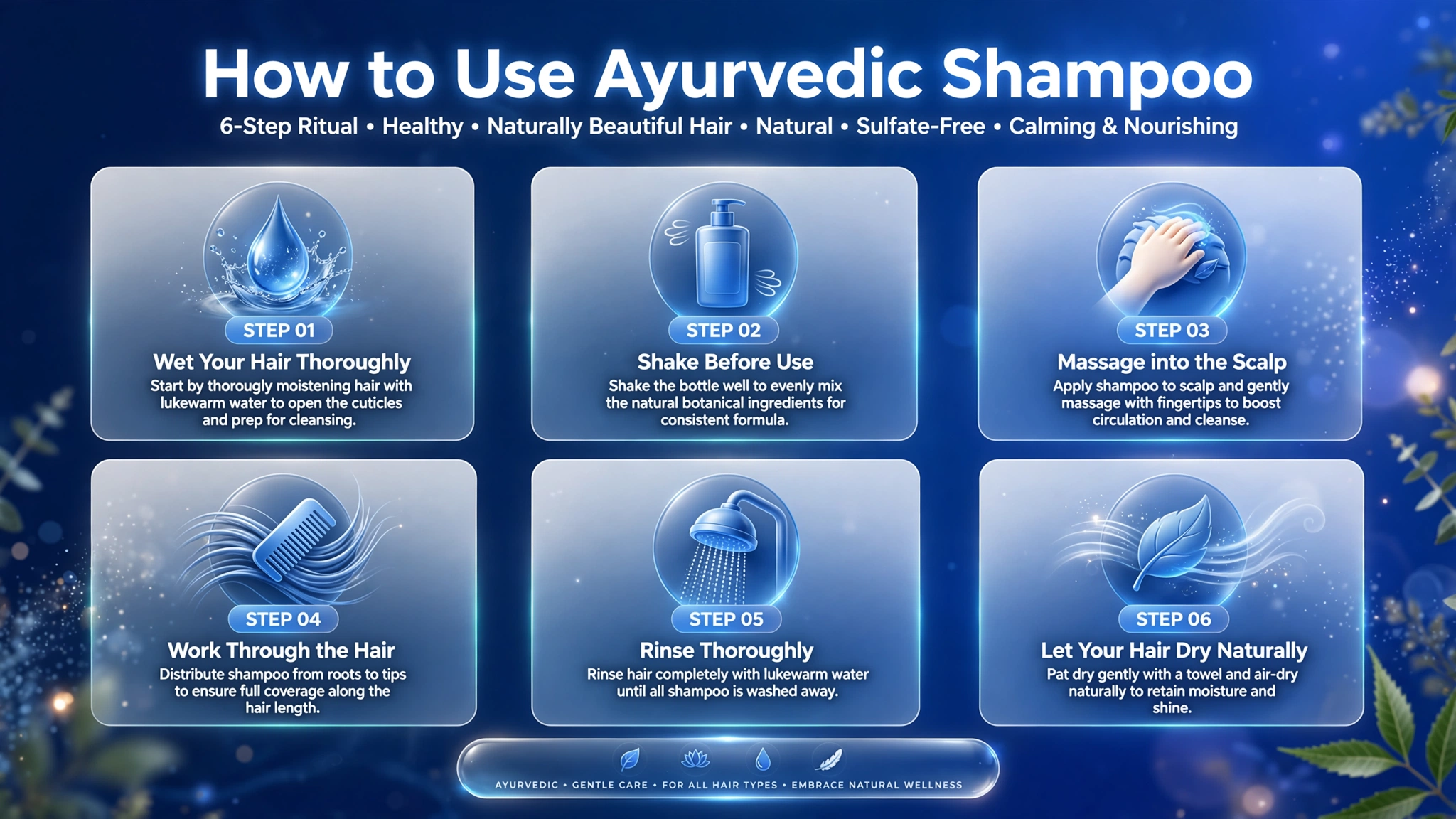
Using homemade Ayurvedic shampoo is slightly different from using a commercial shampoo because it contains natural cleansing ingredients instead of synthetic foaming agents. While it may produce less lather, it effectively cleanses the scalp and hair when applied correctly.
Wet Your Hair Thoroughly
Start by rinsing your hair with lukewarm water until it is completely wet. This helps loosen dirt and excess oil, allowing the herbal shampoo to spread evenly.
Shake Before Use
Since homemade Ayurvedic shampoo contains natural ingredients, some settling may occur during storage. Shake the bottle gently before each use to ensure the ingredients are well mixed.
Massage into the Scalp
Pour a small amount of shampoo into your hands and apply it directly to your scalp. Massage gently with your fingertips for 2–3 minutes using circular motions to help cleanse the scalp and stimulate blood circulation.
Work Through the Hair
Spread the shampoo from the roots to the ends of your hair. Although it may not produce as much foam as commercial shampoos, the natural herbs effectively remove dirt and excess oil.
Rinse Thoroughly
Wash your hair thoroughly with clean water until all traces of the shampoo are removed. If your hair feels oily or has heavy product buildup, you can repeat the process.
Let Your Hair Dry Naturally
After washing, gently squeeze out excess water with a soft towel. Whenever possible, allow your hair to air dry instead of using high heat, which may contribute to dryness and hair damage.
Homemade Ayurvedic shampoo works best when it’s part of a complete hair care routine. Along with using a natural cleanser, following healthy hair care habits can help keep your scalp clean and your hair looking its best. You may also find our guide on Hair Care Tips helpful for building a consistent routine.
Get the Best Results
Follow these simple tips to make your homemade Ayurvedic shampoo more effective.
Seasonal weather can also affect your hair’s condition. During colder months, dryness and breakage become more common, so it’s worth following a dedicated Winter Hair Care Routine to protect your hair from harsh weather.
Storage Tips and Shelf Life
Unlike commercial shampoos, homemade Ayurvedic shampoo does not contain artificial preservatives. Proper storage is essential to maintain its freshness, effectiveness, and safety. Preparing small batches and storing them correctly will help you get the best results.
Store in a Clean Container
Always transfer the freshly prepared shampoo into a clean, dry glass bottle or BPA-free airtight container. Sterilizing the container before use can help reduce the risk of contamination and extend the shampoo’s freshness.
Keep It Refrigerated
Store the shampoo in the refrigerator immediately after preparation. Keeping it cool helps preserve the natural ingredients and slows bacterial growth. Avoid leaving the shampoo at room temperature for extended periods, especially in warm or humid climates.
Use Within 5–7 Days
Because the shampoo contains fresh herbal ingredients and no chemical preservatives, it is best used within 5–7 days. Preparing smaller batches ensures that you always have a fresh supply.
Shake Before Every Use
Natural ingredients may settle at the bottom of the container over time. Shake the bottle gently before each use to mix the ingredients evenly.
Discard If It Changes
Do not use the shampoo if you notice an unpleasant odor, mold, unusual discoloration, or a significant change in texture. These signs may indicate that the shampoo is no longer safe to use.

Frequently Asked Questions
Find answers to the most common questions about making and using homemade Ayurvedic shampoo.
Preparing your own Ayurvedic shampoo at home is an easy and affordable way to care for your hair without relying on harsh chemicals. Natural ingredients such as reetha, shikakai, amla, fenugreek, neem, and aloe vera work together to gently cleanse the scalp while helping to maintain soft, healthy-looking hair.
Because this shampoo contains no artificial preservatives, it is best prepared in small batches and stored in the refrigerator. With regular use as part of a balanced hair care routine, homemade Ayurvedic shampoo can be a simple alternative for people who prefer natural hair care products.
Results can vary depending on your hair type, scalp condition, and overall health. If you experience persistent hair loss, scalp irritation, or other concerns, consult a qualified healthcare professional or dermatologist for personalized advice.
If you enjoy experimenting with different looks, maintaining healthy hair before styling is essential. After improving your hair's overall condition with natural ingredients, you may also be interested in our guide on Hairstyle Tips to help you achieve the look you want while keeping your hair healthy.
If you color your hair, proper aftercare is just as important as choosing the right products. Our Hair Color Dyeing Tips guide explains how to keep colored hair looking vibrant while minimizing damage.



0 Comments