


Meal planning is more than just deciding what to eat each day. It is a simple habit that helps you make healthier food choices, save time, reduce food waste, and stay on track with your nutrition goals. Whether you want to lose weight, manage a medical condition, or simply eat a more balanced diet, meal planning gives you better control over your daily nutrition. In this article, we’ll explore five amazing benefits of meal planning and explain why it can have a positive impact on your overall health and well-being.
According to the World Health Organization (WHO), a healthy diet helps protect against malnutrition and reduces the risk of noncommunicable diseases such as heart disease, diabetes, stroke, and certain cancers. Meal planning can make it easier to maintain these healthy eating habits over time.
What Is Meal Planning?
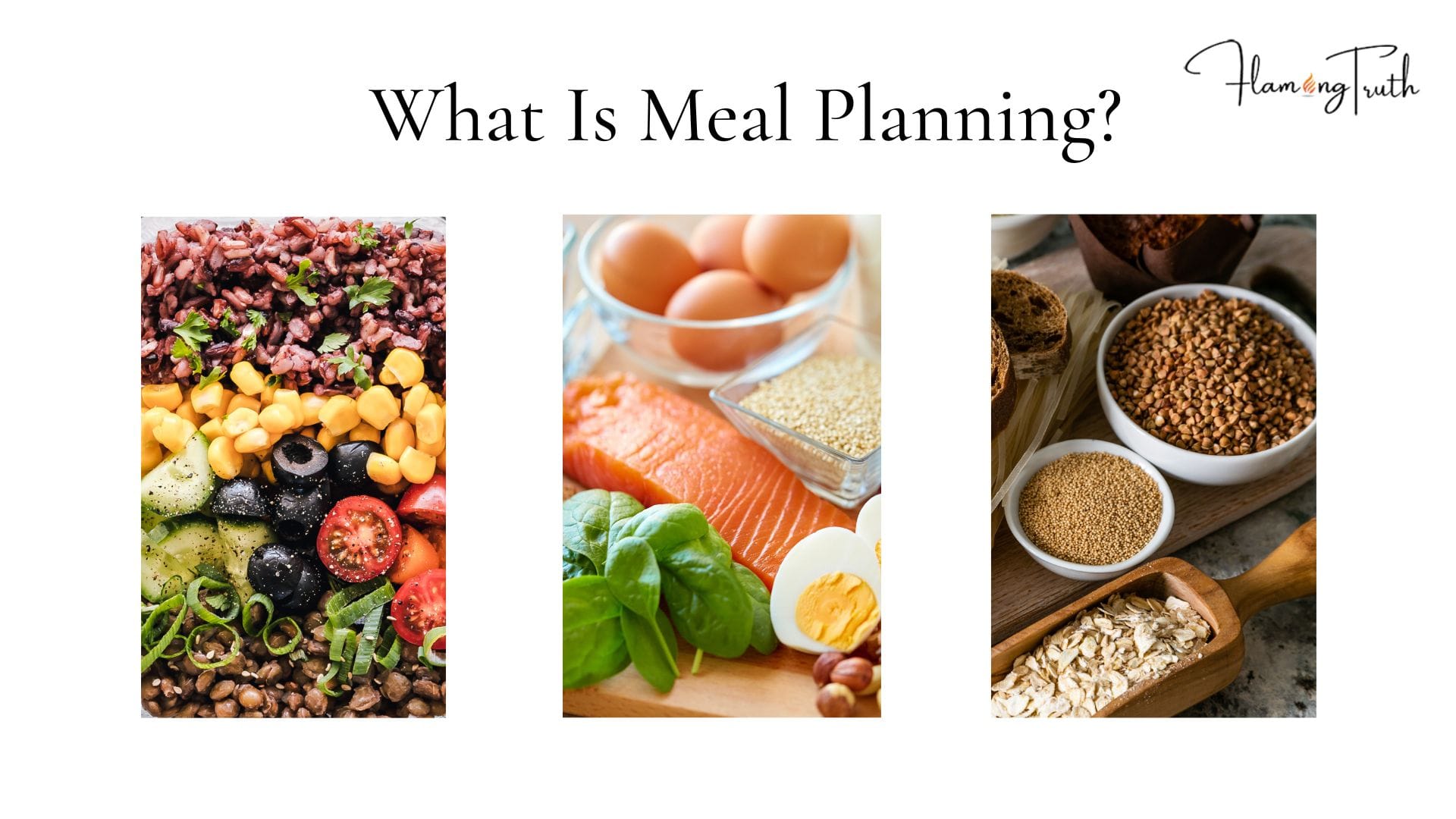
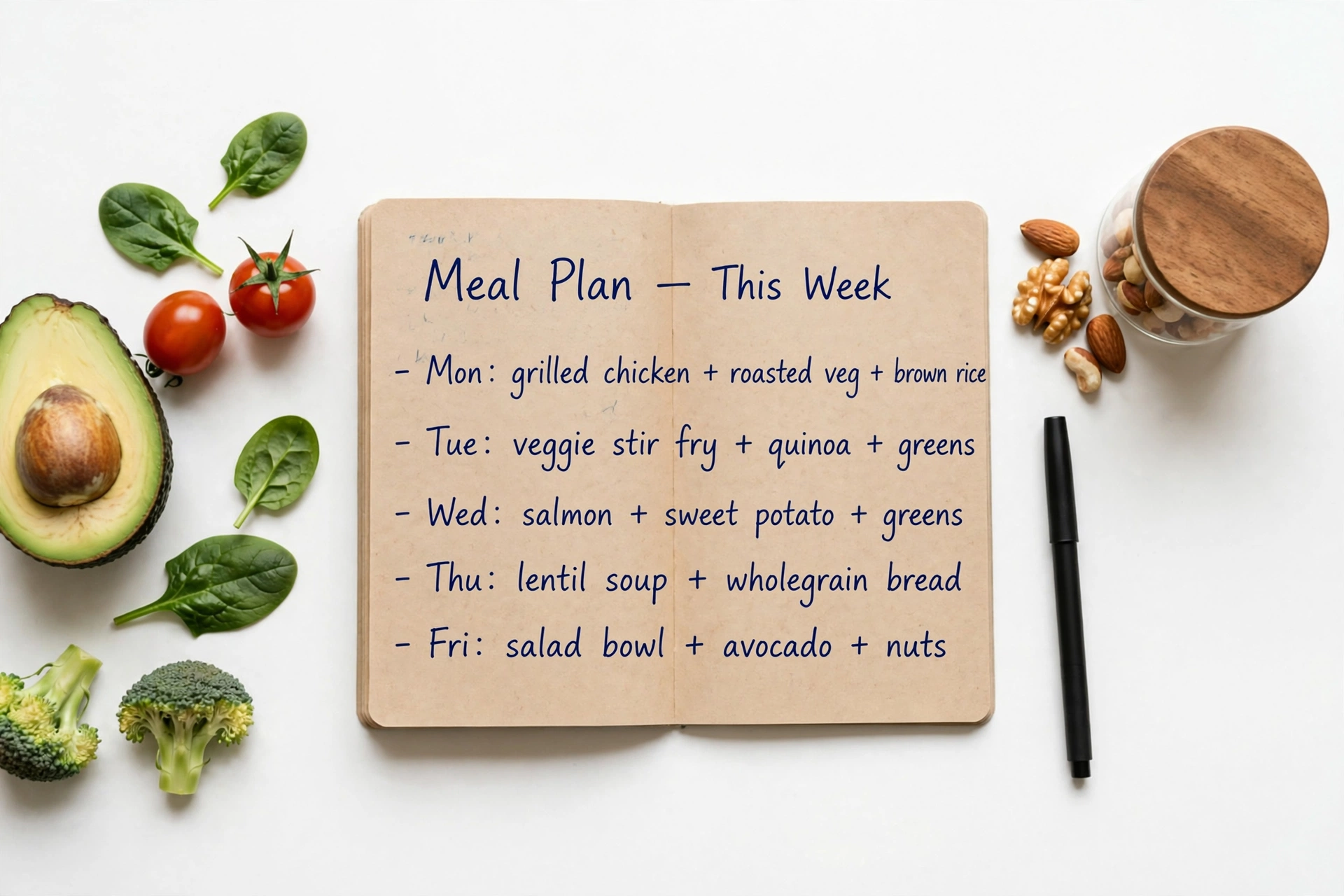
Meal planning is the process of deciding in advance what you will eat for breakfast, lunch, dinner, and snacks throughout the day or week. It involves choosing nutritious meals, creating a grocery shopping list, and organizing ingredients to make healthy eating easier and more consistent. Whether you prepare meals ahead of time or cook fresh each day, meal planning helps you stay organized, save time, and avoid last-minute food choices that may not support your health goals.
Unlike restrictive diets, meal planning is a flexible and sustainable approach to healthy eating. It can be customized to suit your lifestyle, budget, cultural preferences, and nutritional needs. By planning balanced meals in advance, you can enjoy a variety of foods while ensuring your body receives the essential nutrients it needs to support overall health and well-being.
Why Is Meal Planning Important?
Many people think meal planning is only for those trying to lose weight, but its benefits go far beyond managing calories. Planning your meals in advance helps you build healthier eating habits, make better food choices, and stay consistent with your nutrition goals. It also makes grocery shopping more efficient, reduces food waste, and saves valuable time during busy weeks. Whether your goal is to improve your overall health, manage a medical condition, or simply enjoy balanced meals every day, meal planning provides a practical and sustainable solution. Here are five amazing benefits of meal planning that can positively impact your health and lifestyle.
Meal Planning Benefits at a Glance
| Benefit | How It Helps |
|---|---|
| Learn Portion Control | Helps prevent overeating, manage calorie intake, and maintain a healthy weight. |
| Eat Healthier | Encourages balanced meals rich in protein, whole grains, fruits, vegetables, vitamins, and minerals. |
| Save Money | Reduces unnecessary grocery shopping, food waste, and spending on takeout or restaurant meals. |
| Enjoy More Variety | Promotes trying different healthy recipes and nutrient-rich foods for a balanced diet. |
| Boost Your Mood and Energy | Supports consistent energy levels, healthy eating habits, and reduces daily meal-planning stress. |
1. Learn Portion Control Through Meal Planning
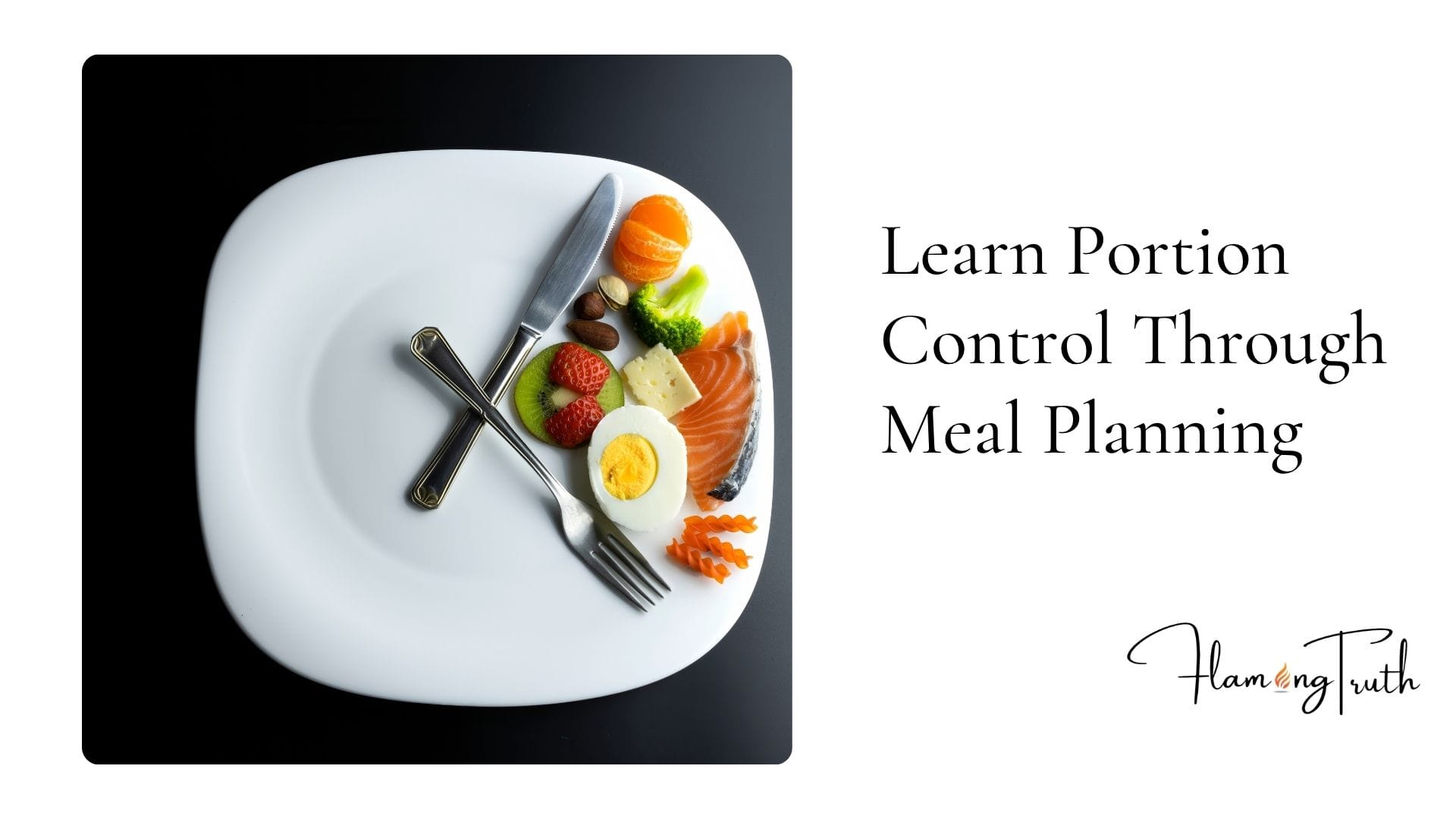
One of the biggest benefits of meal planning is that it helps you develop better portion control. When you plan your meals in advance, you know exactly what you will eat and how much you need to meet your nutritional goals. This reduces the chances of overeating, skipping meals, or reaching for unhealthy snacks when you’re hungry. By following a structured meal plan, you can build healthier eating habits that are easier to maintain over time.
One of the biggest benefits of meal planning is that it helps you develop better portion control. When you plan your meals in advance, you know exactly what you will eat and how much you need to meet your nutritional goals. This reduces the chances of overeating, skipping meals, or reaching for unhealthy snacks when you’re hungry. By following a structured meal plan, you can build healthier eating habits that are easier to maintain over time.
Portion control plays an important role in maintaining a healthy weight and supporting overall well-being. A balanced meal should include the right portions of lean protein, whole grains, healthy fats, fruits, and vegetables to provide your body with the nutrients it needs. Eating appropriate portion sizes can also help regulate your calorie intake, improve digestion, and keep you feeling satisfied for longer. As a result, you’re less likely to experience unnecessary cravings or consume excess calories throughout the day.
It’s important to remember that there is no one-size-fits-all approach to portion sizes. Your nutritional needs depend on factors such as your age, gender, activity level, health conditions, and personal goals. Whether you’re looking to lose weight, build muscle, manage diabetes, or improve your overall health, a personalized meal plan created by a qualified nutritionist can help ensure you’re eating the right foods in the right amounts for your body’s unique needs.
2. Eat Healthier and Improve Your Nutrition
Meal planning makes it easier to maintain a healthy and balanced diet by encouraging you to make thoughtful food choices in advance. Instead of relying on fast food, processed meals, or unhealthy snacks when you’re short on time, you can prepare nutritious meals that support your health goals. Planning ahead also helps ensure that each meal contains a good balance of protein, whole grains, healthy fats, fruits, and vegetables, providing your body with the nutrients it needs every day.

A well-planned diet supplies essential vitamins, minerals, fiber, and antioxidants that contribute to overall health and well-being. These nutrients help strengthen the immune system, support healthy digestion, maintain muscle and bone health, and provide the energy needed for daily activities. Eating balanced meals consistently can also help maintain healthy cholesterol levels, support normal blood pressure, and promote stable blood sugar levels as part of a healthy lifestyle.
If you’re exploring different approaches to healthy eating, understanding the differences between popular diets can help you make informed decisions. For example, comparing the Keto Diet vs. Paleo Diet can help you determine which eating plan best aligns with your health goals and lifestyle.
A well-planned diet supplies essential vitamins, minerals, fiber, and antioxidants that contribute to overall health and well-being. These nutrients help strengthen the immune system, support healthy digestion, maintain muscle and bone health, and provide the energy needed for daily activities. Eating balanced meals consistently can also help maintain healthy cholesterol levels, support normal blood pressure, and promote stable blood sugar levels as part of a healthy lifestyle.
3. Save Money and Reduce Food Waste
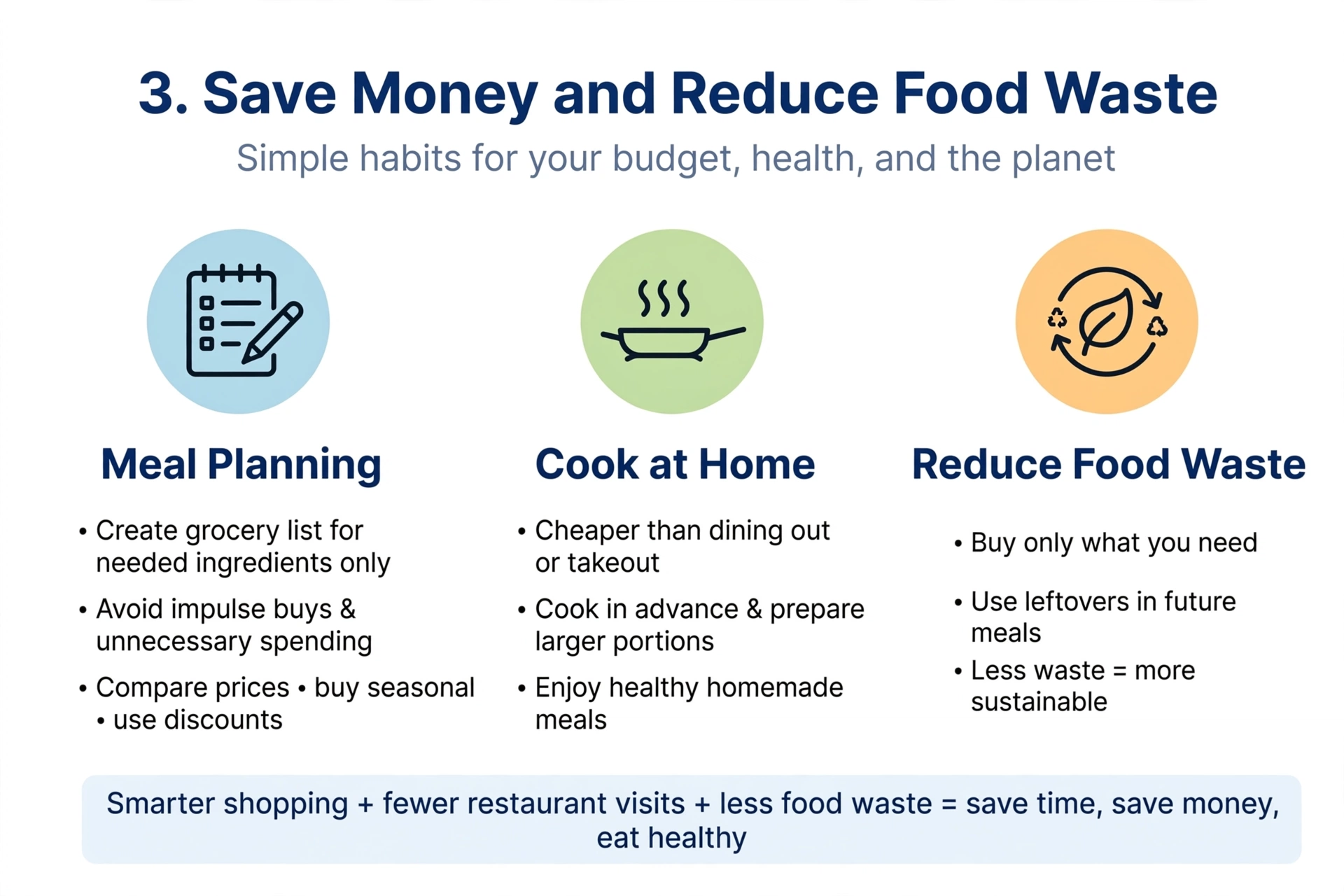
Meal planning is not only good for your health but also for your budget. When you plan your meals for the week, you can create a grocery list based on the ingredients you actually need. This helps you avoid impulse purchases and unnecessary spending on items that may go unused. Shopping with a plan also makes it easier to compare prices, buy seasonal produce, and take advantage of discounts without purchasing foods you don’t need.
Preparing meals at home is often more affordable than eating out or ordering takeout several times a week. By cooking in advance or preparing larger portions, you can enjoy healthy homemade meals while reducing your food expenses. Meal planning also allows you to make better use of leftovers by incorporating them into future meals, helping you get the most value from the food you buy.
Another important benefit of meal planning is that it helps reduce food waste. Buying only the ingredients you need means fewer fruits, vegetables, and other perishable items end up in the trash. This not only saves money but also supports a more sustainable lifestyle by reducing unnecessary waste. Over time, the combination of smarter grocery shopping, fewer restaurant visits, and less food waste can make meal planning a simple yet effective way to save both time and money while maintaining healthy eating habits.
4. Enjoy More Variety in Your Meals
One of the overlooked benefits of meal planning is the opportunity to enjoy a greater variety of healthy foods. Without a plan, many people tend to prepare the same meals repeatedly because they are quick and familiar. Planning your meals in advance encourages you to include different ingredients, recipes, and cuisines throughout the week, making healthy eating more enjoyable and less repetitive.
Adding variety to your meals helps ensure your body receives a wide range of essential nutrients. Different fruits, vegetables, whole grains, lean proteins, and healthy fats provide unique vitamins, minerals, antioxidants, and fiber that contribute to overall health. Rotating your food choices also helps you discover new flavors and recipes while reducing the risk of nutritional gaps that can occur when eating the same foods every day.
Meal planning also gives you the flexibility to try seasonal ingredients and experiment with healthier cooking methods. You can prepare quick, simple meals on busy weekdays and save more creative recipes for weekends or special occasions. This balance makes healthy eating easier to maintain and helps turn meal planning into a sustainable lifestyle rather than a temporary habit.

5. Boost Your Mood and Energy Levels
The foods you eat have a direct impact on your energy levels and overall well-being. A balanced meal plan provides your body with a steady supply of nutrients that help maintain consistent energy throughout the day. Instead of relying on sugary snacks or processed foods that can cause energy crashes, planned meals with complex carbohydrates, lean protein, healthy fats, and fiber help keep you feeling full and energized for longer.
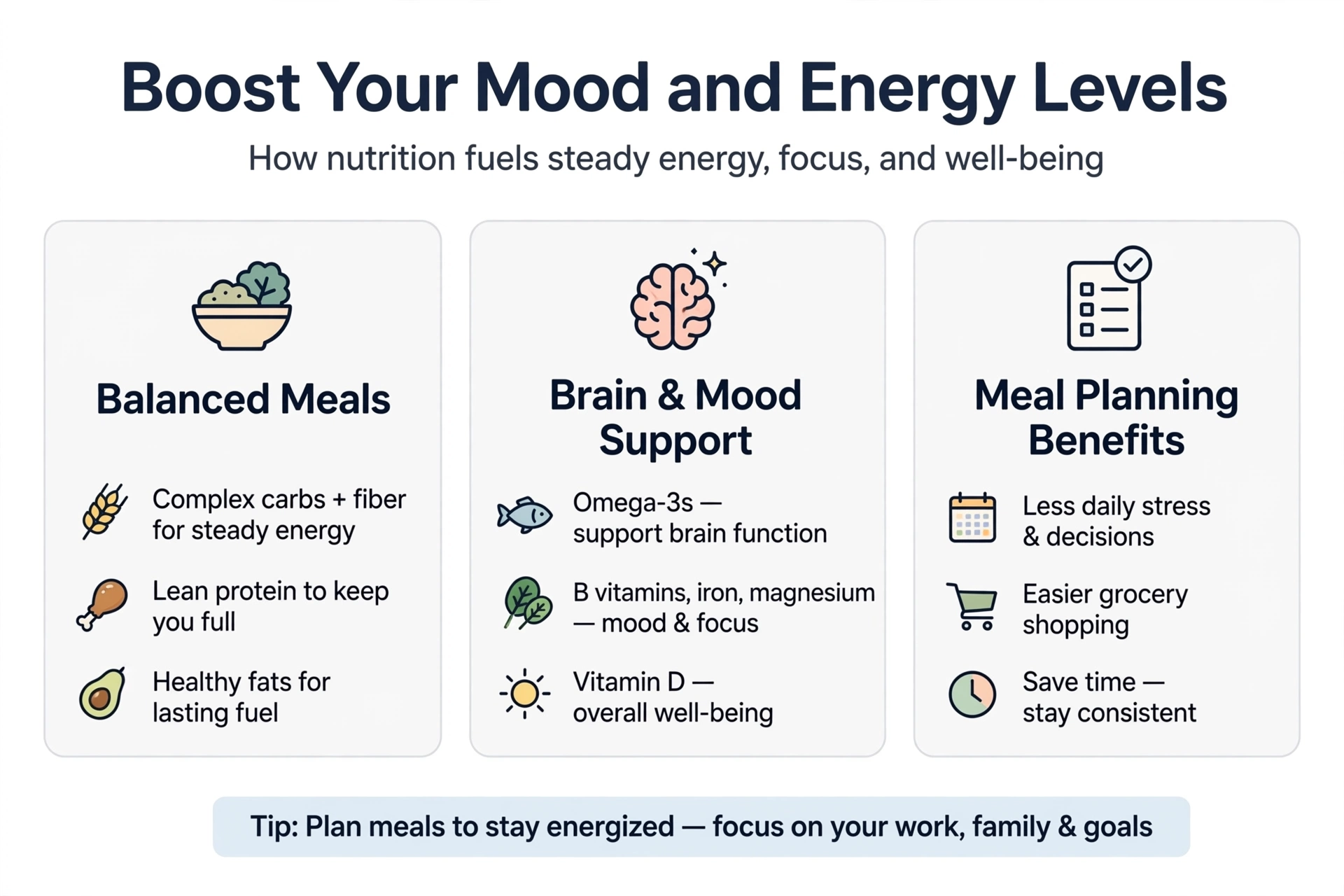
Proper nutrition also supports brain function and emotional well-being. Nutrients such as omega-3 fatty acids, B vitamins, iron, magnesium, and vitamin D play important roles in maintaining normal brain function and overall health. While a healthy diet is not a replacement for medical treatment, eating nutritious meals as part of a healthy lifestyle can contribute to improved focus, productivity, and general well-being.
Meal planning can also reduce the daily stress of deciding what to cook. Knowing your meals are already planned saves time, simplifies grocery shopping, and makes busy weekdays more manageable. With fewer last-minute decisions and healthier meals readily available, you can focus on your work, family, and personal goals while enjoying the long-term benefits of a balanced and organized approach to eating.
Tips for Successful Meal Planning
Getting started with meal planning doesn’t have to be complicated. With a few simple habits, you can make healthy eating more organized, save time during the week, and stay consistent with your nutrition goals. The key is to create a realistic plan that fits your lifestyle, schedule, and dietary needs rather than following a strict routine that is difficult to maintain.
Start by planning your meals for the upcoming week and creating a grocery shopping list based on your menu. This helps you purchase only the ingredients you need, reducing unnecessary spending and minimizing food waste. Try to include a variety of nutrient-rich foods such as lean proteins, whole grains, fruits, vegetables, healthy fats, and dairy or suitable alternatives to ensure your meals are balanced and satisfying.
Preparing ingredients or cooking meals in advance can make busy weekdays much easier. Washing and chopping vegetables, marinating proteins, or preparing meals in batches allows you to spend less time in the kitchen while still enjoying nutritious homemade food. Storing meals in properly sealed containers also helps maintain freshness and makes healthy options readily available whenever you need them.
Your meal plan can also be adjusted to support different stages of life and specific health needs. For example, women may benefit from making dietary changes during their menstrual cycle. Learn more in our guide on Diet Plan During Periods: Foods to Eat and Foods to Avoid During Your Periods.
Remember that meal planning should be flexible. Unexpected events, dining out, or changes in your schedule may require adjustments to your plan, and that’s perfectly normal. Review your meal plan each week, try new recipes to keep your meals interesting, and make changes based on your family’s preferences and health goals. If you have specific nutritional requirements or medical conditions such as diabetes, high blood pressure, PCOS, or food allergies, consider consulting a qualified nutritionist to develop a personalized meal plan that supports your long-term health and well-being.
Conclusion
Meal planning is more than just organizing your weekly meals—it’s a practical habit that supports a healthier lifestyle. By planning your meals in advance, you can learn portion control, improve your nutrition, save money, enjoy a wider variety of foods, and maintain better energy levels throughout the day. These small but consistent changes can have a positive impact on your overall health and make healthy eating easier to maintain.
Whether your goal is weight management, improving your eating habits, or managing a health condition such as diabetes, high blood pressure, or PCOS, a well-designed meal plan can help you stay on track. The key is to choose balanced, nutritious meals that fit your lifestyle and nutritional needs while remaining flexible enough to adapt to your daily routine.
If you’re unsure where to start or have specific dietary requirements, consulting a qualified nutritionist can make the process easier. A personalized meal plan based on your health goals, medical history, and lifestyle can help you make informed food choices and achieve long-term results. Start planning your meals today and take the first step toward a healthier, more balanced life.
Frequently Asked Questions
What are the benefits of meal planning?
Meal planning offers several health and lifestyle benefits. It helps you control portion sizes, make healthier food choices, save time and money, reduce food waste, and maintain a balanced diet. It can also make grocery shopping more efficient and reduce the stress of deciding what to eat each day.
Can meal planning help with weight loss?
Yes, meal planning can support weight loss by helping you manage portion sizes, reduce unnecessary snacking, and avoid high-calorie convenience foods. Planning balanced meals in advance makes it easier to stay within your calorie goals and develop healthier eating habits. For the best results, combine meal planning with regular physical activity and guidance from a qualified nutritionist if needed.
How often should I plan my meals?
Many people find it helpful to plan their meals one week at a time. Weekly meal planning allows you to create an organized grocery list, prepare ingredients in advance, and adjust your meals based on your schedule. However, you can choose a planning routine that best fits your lifestyle, whether it’s a few days or an entire week.
Is meal planning suitable for people with diabetes, PCOS, or high blood pressure?
Yes, meal planning can be beneficial for individuals managing conditions such as diabetes, PCOS, high blood pressure, or high cholesterol. A well-balanced meal plan can support healthy eating habits and help meet specific nutritional needs. However, meal plans should always be personalized by a qualified nutritionist or healthcare professional based on your medical condition and health goals.
What foods should be included in a healthy meal plan?
A healthy meal plan should include a variety of nutrient-rich foods, including lean proteins, whole grains, fruits, vegetables, healthy fats, and low-fat dairy products or suitable alternatives. Drinking enough water and limiting processed foods, added sugars, and excessive salt can also contribute to a balanced diet and overall well-being.



0 Comments