
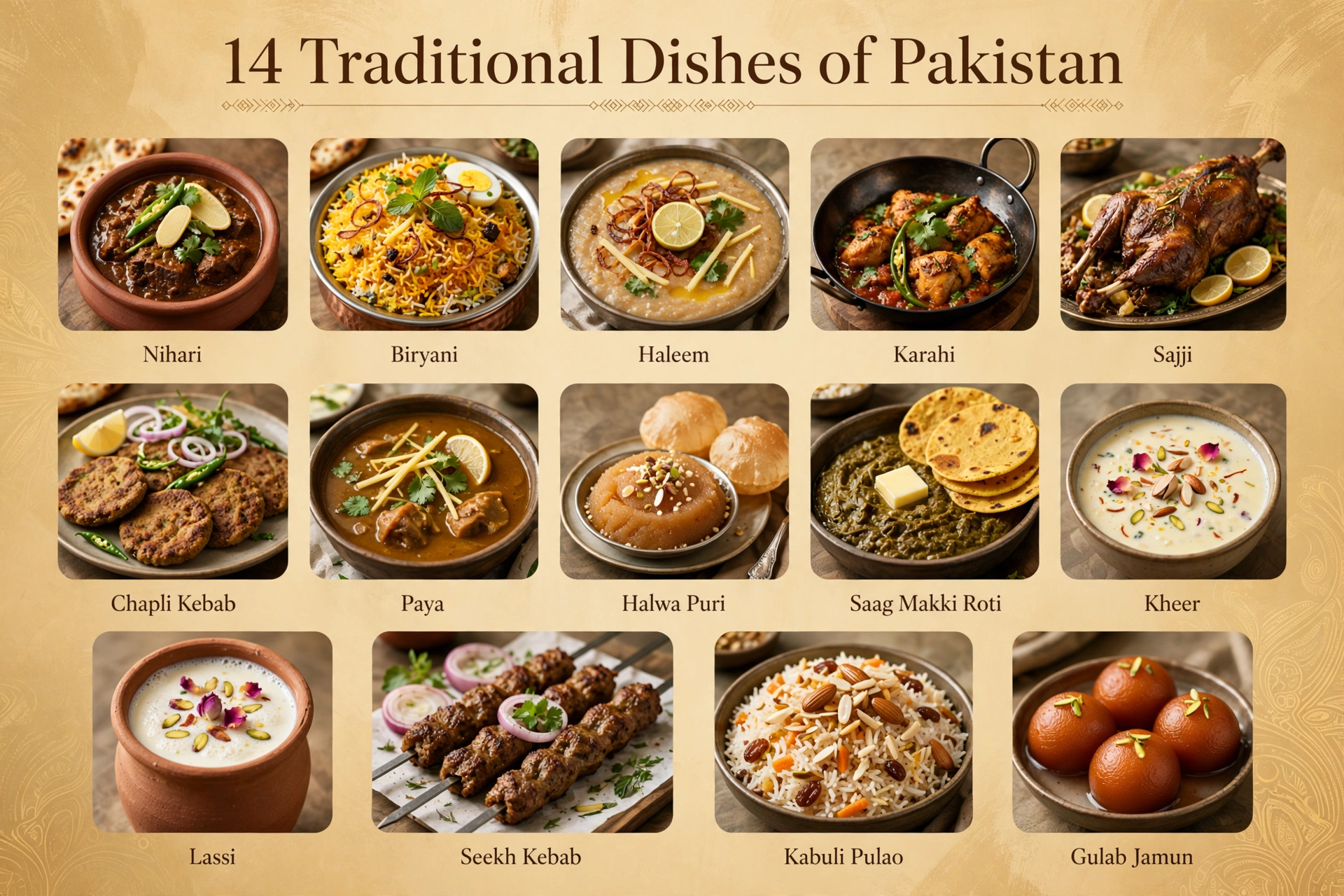

Pakistan is renowned for its rich culinary heritage, where every meal is a celebration of bold flavors, aromatic spices, and centuries-old cooking traditions. The traditional dishes of Pakistan reflect the country’s diverse culture, with each province offering its own unique specialties influenced by history, geography, and local ingredients. From the slow-cooked richness of nihari and haleem to the fragrant layers of biryani and the smoky flavors of sajji, Pakistani cuisine offers an unforgettable dining experience for food lovers around the world.
Whether you’re planning to visit Pakistan, looking to cook authentic recipes at home, or simply curious about the country’s food culture, this guide explores the most popular traditional dishes of Pakistan, their origins, and what makes each one a cherished part of Pakistani cuisine.

Table of Contents
Jump directly to any section of this guide.
What Makes Traditional Dishes of Pakistan Unique?
Pakistan’s cuisine is a rich blend of history, culture, and regional diversity. The traditional dishes of Pakistan have been shaped by centuries of influences from the Mughal Empire, Central Asia, Persia, and South Asia, resulting in flavorful recipes that combine aromatic spices, fresh herbs, and slow-cooking techniques.
If you’re interested in the nutritional value of individual ingredients such as rice, lentils, yogurt, or spices, the USDA FoodData Central database provides detailed nutrition information.
One of the defining characteristics of traditional Pakistani food is its bold use of spices such as cumin, coriander, turmeric, cardamom, cloves, cinnamon, and garam masala. These ingredients are carefully balanced to create deep, complex flavors rather than simply adding heat. Fresh ginger, garlic, green chilies, and herbs like cilantro and mint further enhance the taste of many popular dishes.
Another feature that makes Pakistani cuisine unique is its regional variety. Every province has its own culinary identity. Punjab is known for rich curries, butter-based dishes, and hearty breads, while Sindh is famous for spicy biryani and flavorful rice dishes. Balochistan is celebrated for its smoky sajji, and Khyber Pakhtunkhwa offers delicious grilled meats, kebabs, and traditional pulao. These regional specialties showcase the country’s cultural diversity and make Pakistani cuisine one of the most varied in South Asia.


Hospitality also plays an important role in Pakistan’s food culture. Meals are often prepared in generous portions and shared with family, friends, and guests, reflecting the country’s tradition of warmth and togetherness. Whether served at festive celebrations, weddings, or everyday family dinners, food is considered an expression of love and respect.
Fresh vegetables, herbs, and spices play a major role in Pakistani cooking. Many traditional recipes also rely on nutrient-rich seasonal ingredients. If you’re interested in learning more about healthy vegetables used in everyday cooking, you may also enjoy our guide to The Underrated Miracle Vegetables.
15 Traditional Dishes of Pakistan
Pakistan is home to a wide variety of delicious dishes, each reflecting the country’s rich cultural heritage and regional diversity. From slow-cooked meat stews and fragrant rice dishes to flavorful kebabs and traditional desserts, traditional dishes of Pakistan are known for their bold spices, fresh ingredients, and comforting flavors. While every region has its own specialties, some dishes have become favorites across the country and are enjoyed during family gatherings, festivals, weddings, and everyday meals.
While many traditional Pakistani dishes are rich and satisfying, they can also be enjoyed as part of a healthy diet when prepared with balanced portions and fresh ingredients.
Below are some of the most famous traditional Pakistani dishes that showcase the best of Pakistan’s culinary traditions.
1. Nihari – The National Dish of Pakistan
Nihari is widely regarded as the national dish of Pakistan and is one of the country’s most iconic traditional meals. The name Nihari comes from the Arabic word “Nahar,” meaning morning, as the dish was traditionally served as a hearty breakfast after the Fajr prayer. Today, it is enjoyed throughout the day and is especially popular on weekends, during festive occasions, and at family gatherings.
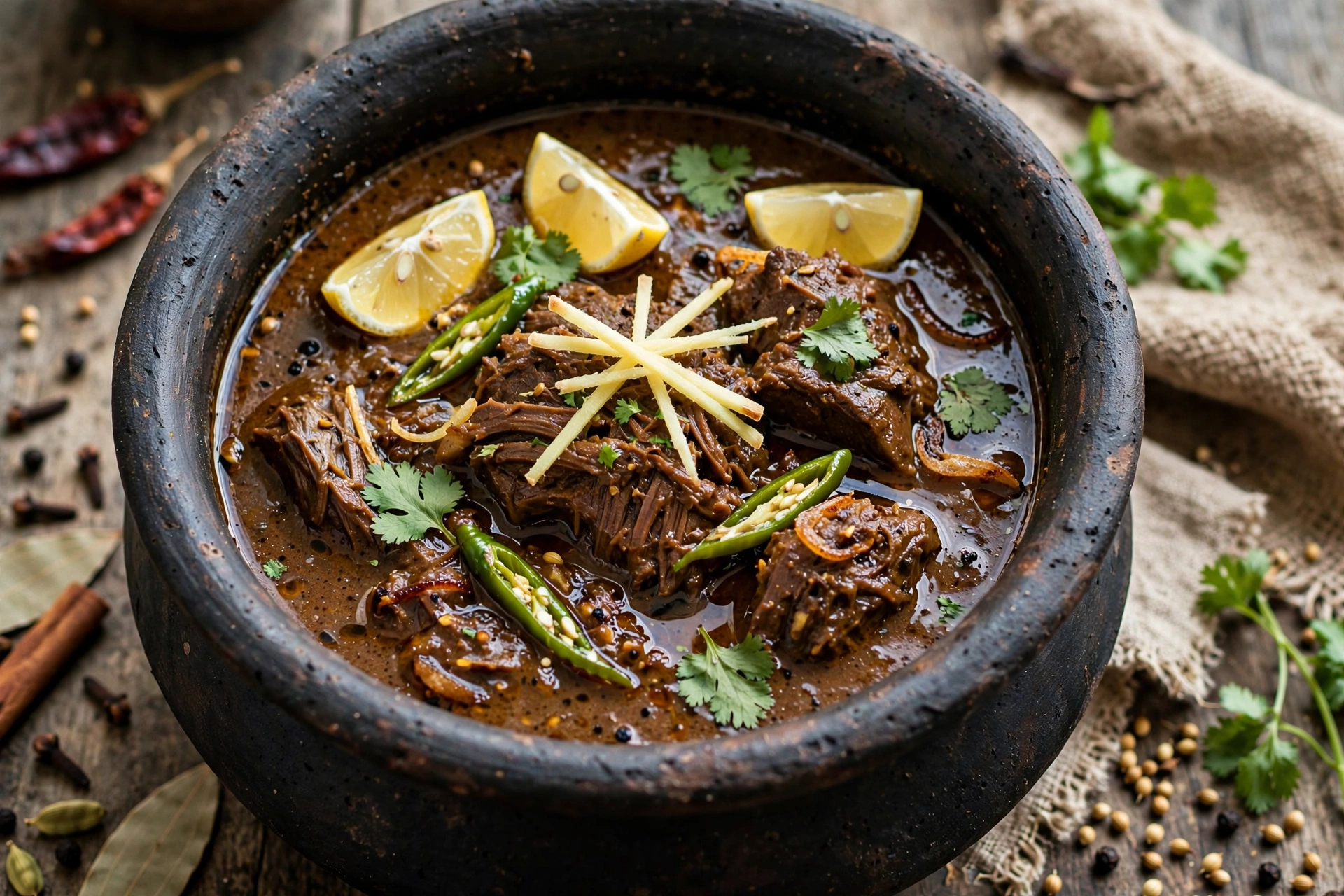
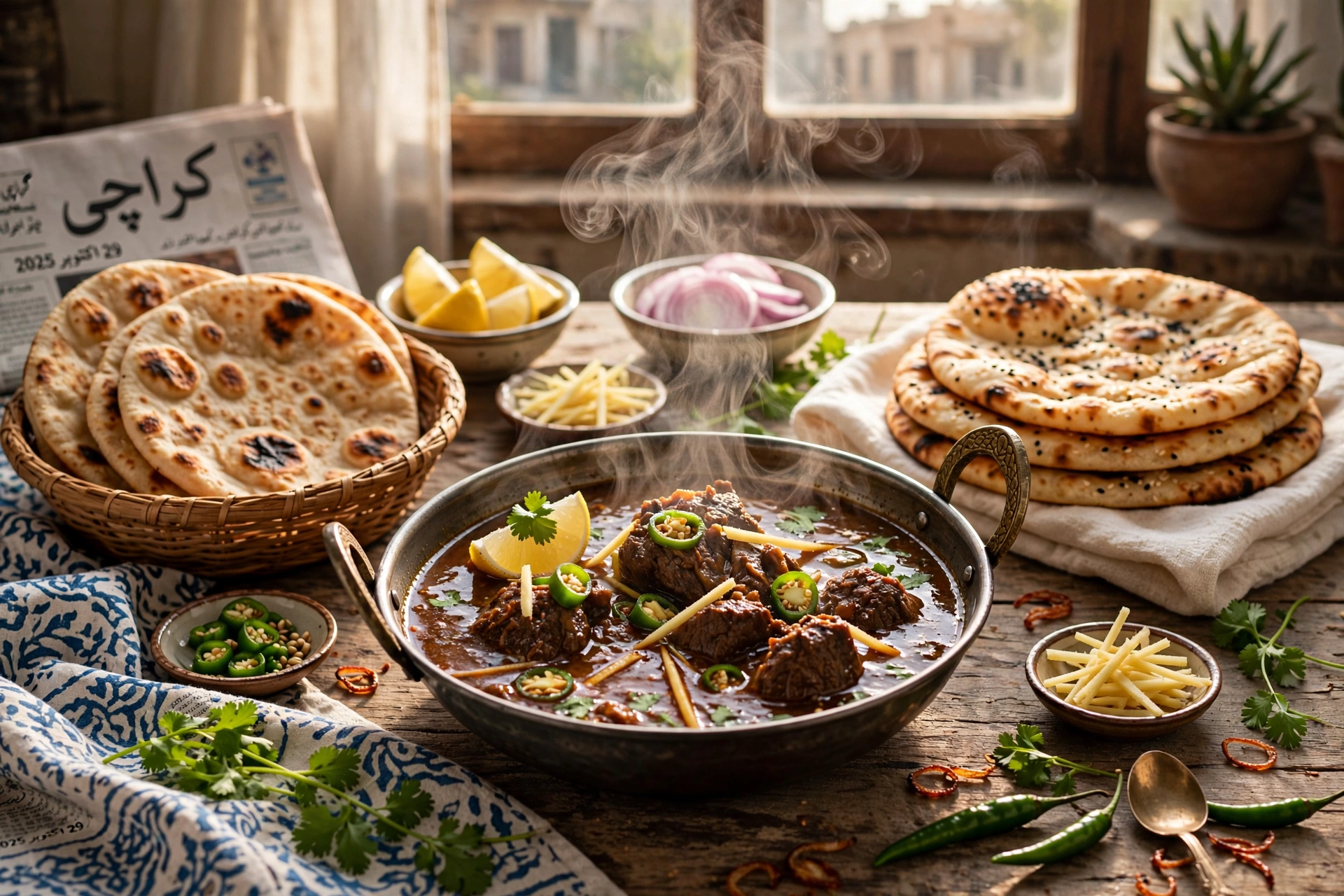
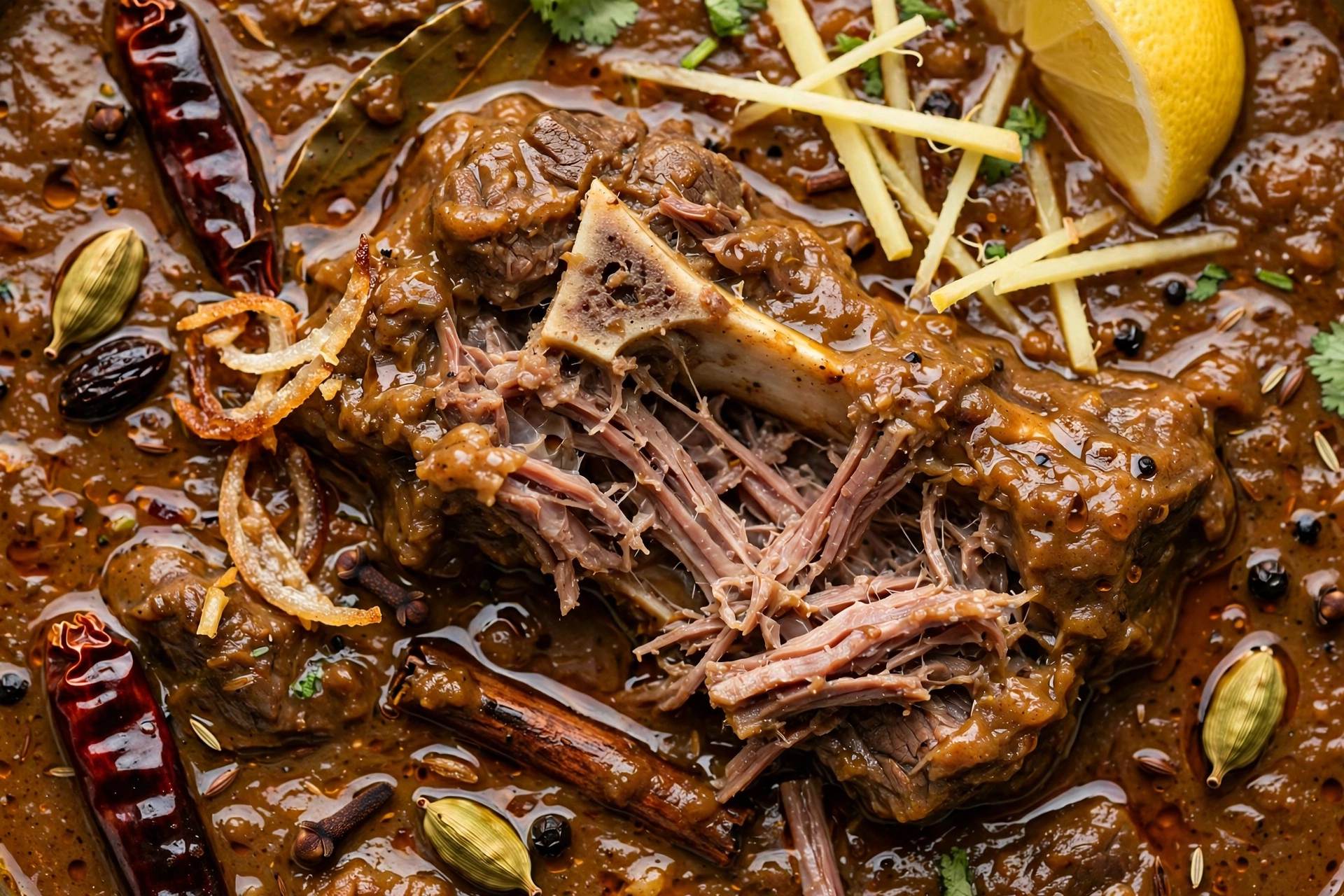
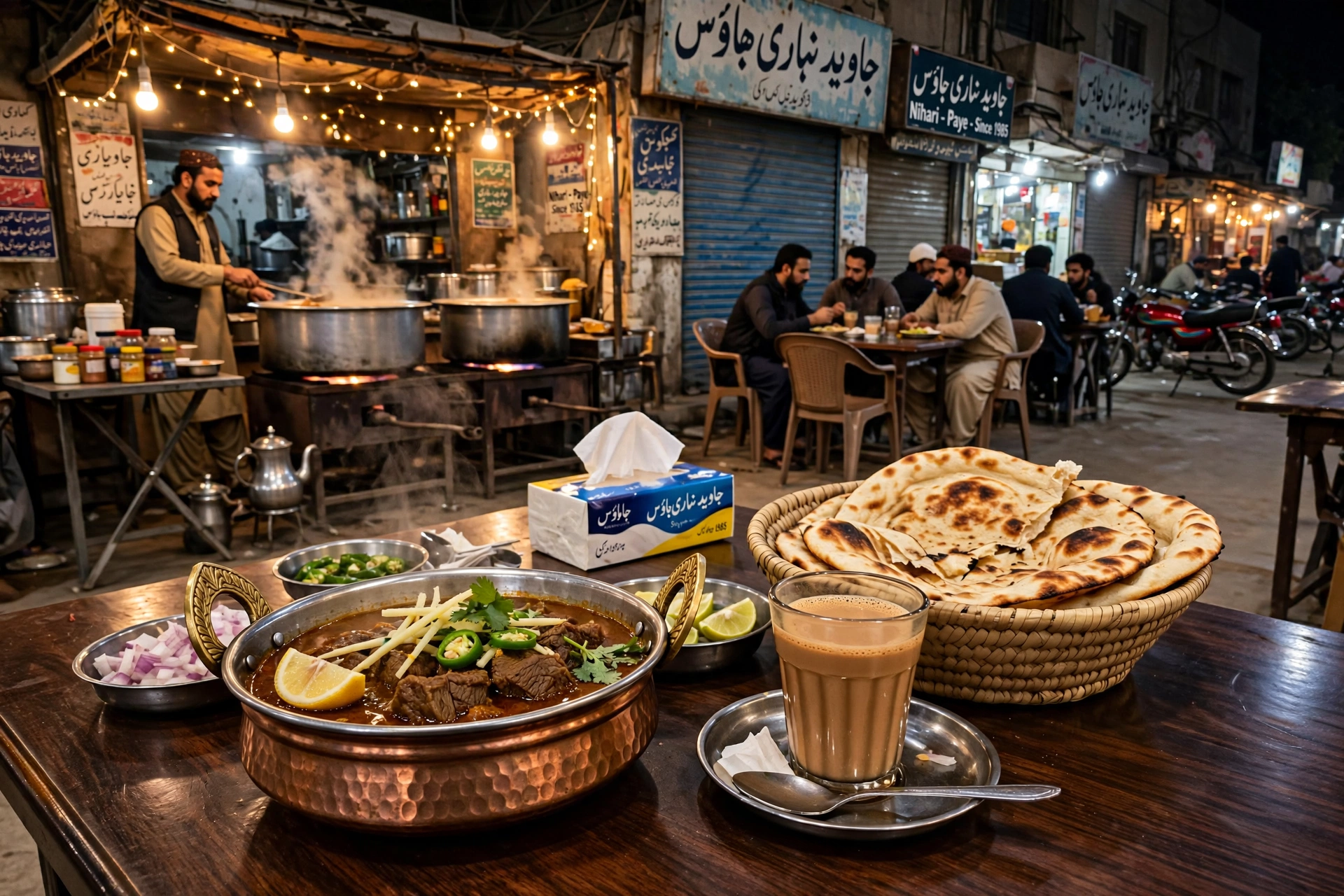
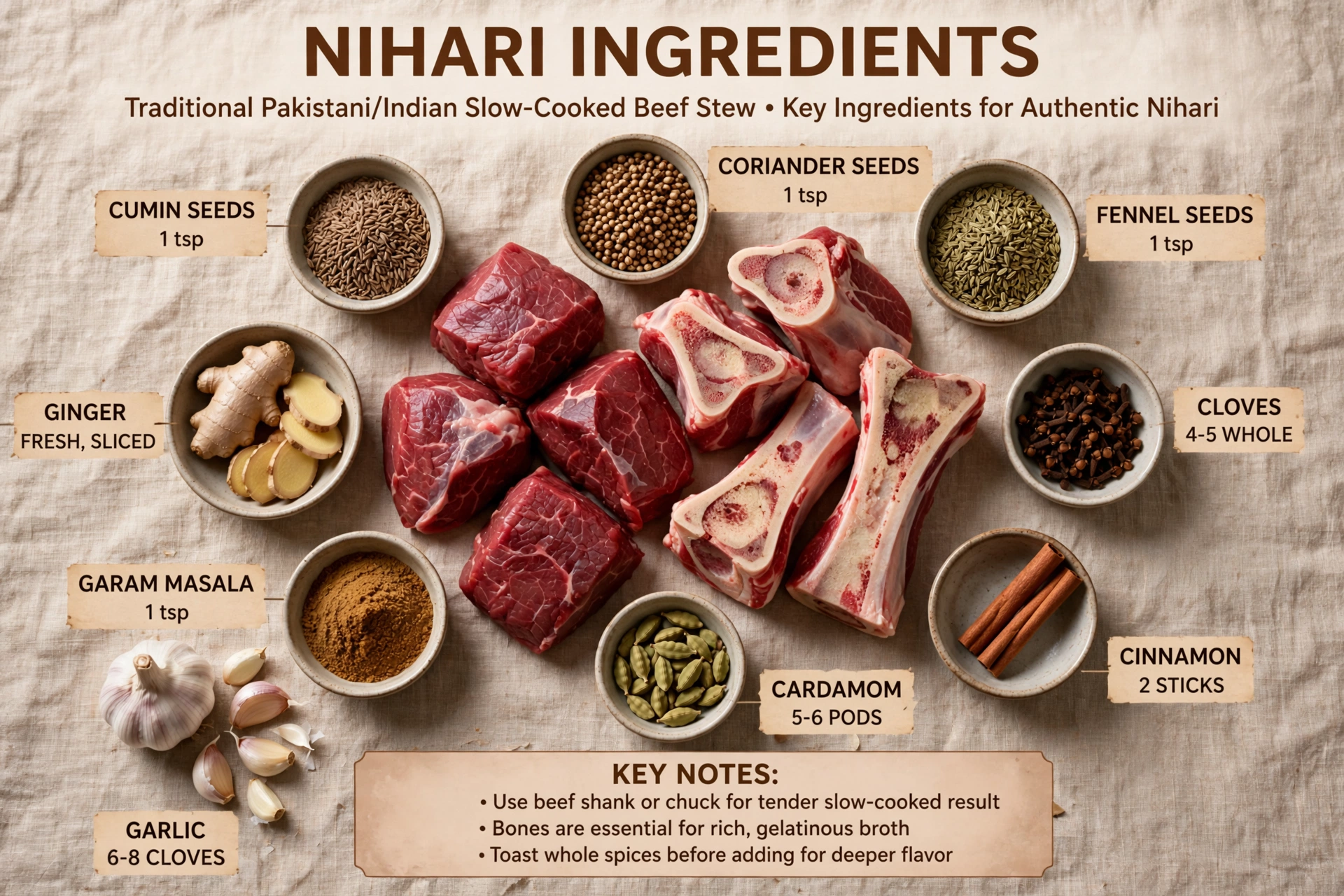
This rich and flavorful stew is prepared by slow-cooking beef, mutton, or sometimes chicken for several hours until the meat becomes incredibly tender. A blend of aromatic spices, including cumin, coriander, fennel, cloves, cinnamon, cardamom, and garam masala, creates its signature deep and comforting flavor. The slow cooking process allows the meat, bones, and spices to blend perfectly, producing a thick, velvety gravy that is loved across Pakistan.
Nihari is traditionally served with freshly baked naan or khameeri roti and garnished with sliced ginger, chopped coriander leaves, green chilies, and a squeeze of fresh lemon juice. These fresh toppings balance the richness of the curry and enhance its flavor.
Although nihari is enjoyed throughout Pakistan, cities such as Karachi and Lahore are particularly famous for their unique styles of preparing this beloved dish. Whether served in a local roadside eatery or a fine dining restaurant, nihari remains one of the finest examples of traditional Pakistani food and an essential dish for anyone wanting to experience the authentic flavors of Pakistan.
2. Biryani – Pakistan’s Most Loved Rice Dish
Biryani is one of the most popular traditional dishes of Pakistan and is enjoyed by people of all ages. Known for its fragrant basmati rice, tender meat, and aromatic spices, biryani has become a staple at weddings, family gatherings, festivals, and special occasions. Although its origins can be traced back to the Mughal era, Pakistan has developed its own unique styles of biryani that reflect the country’s diverse regional flavors.
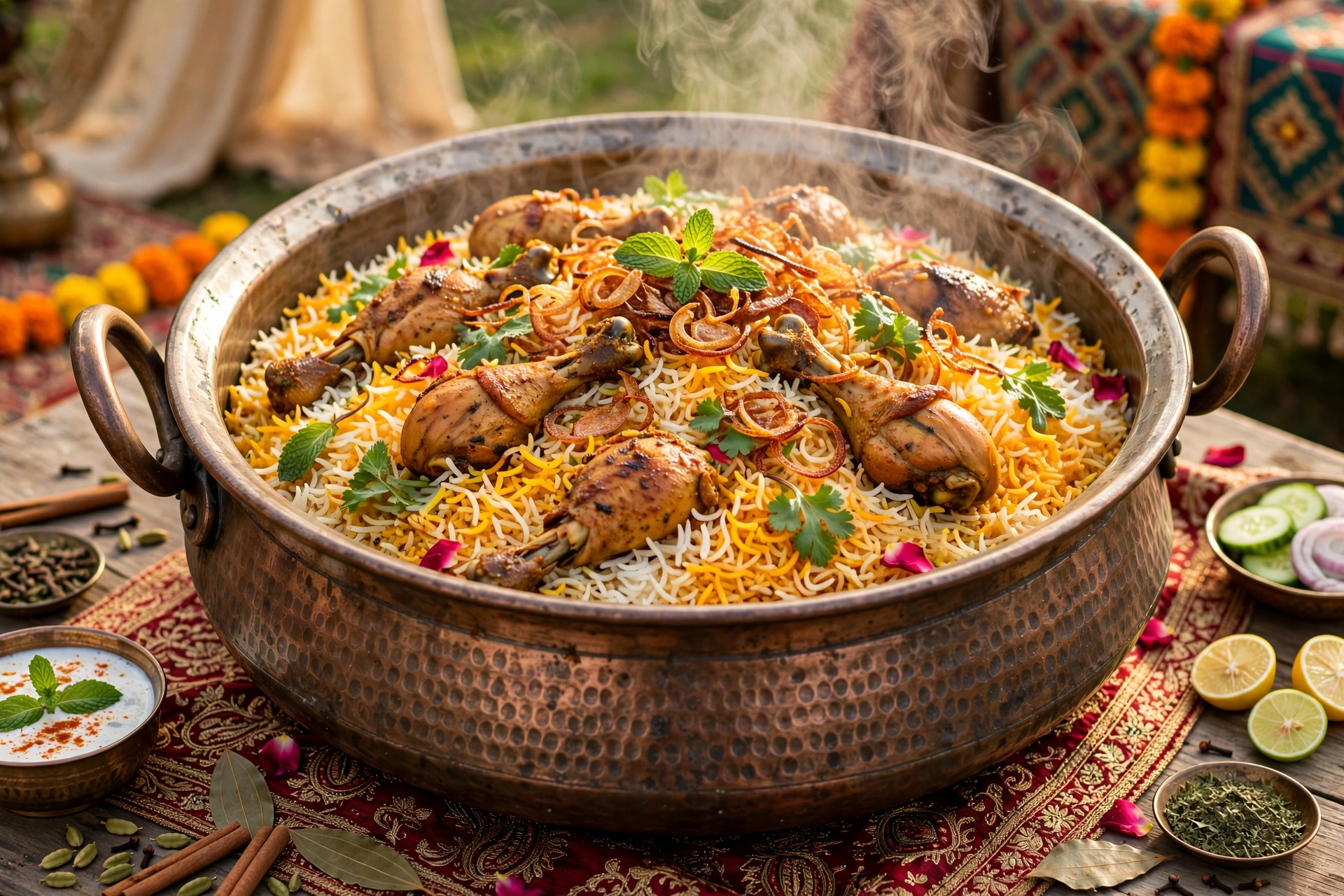
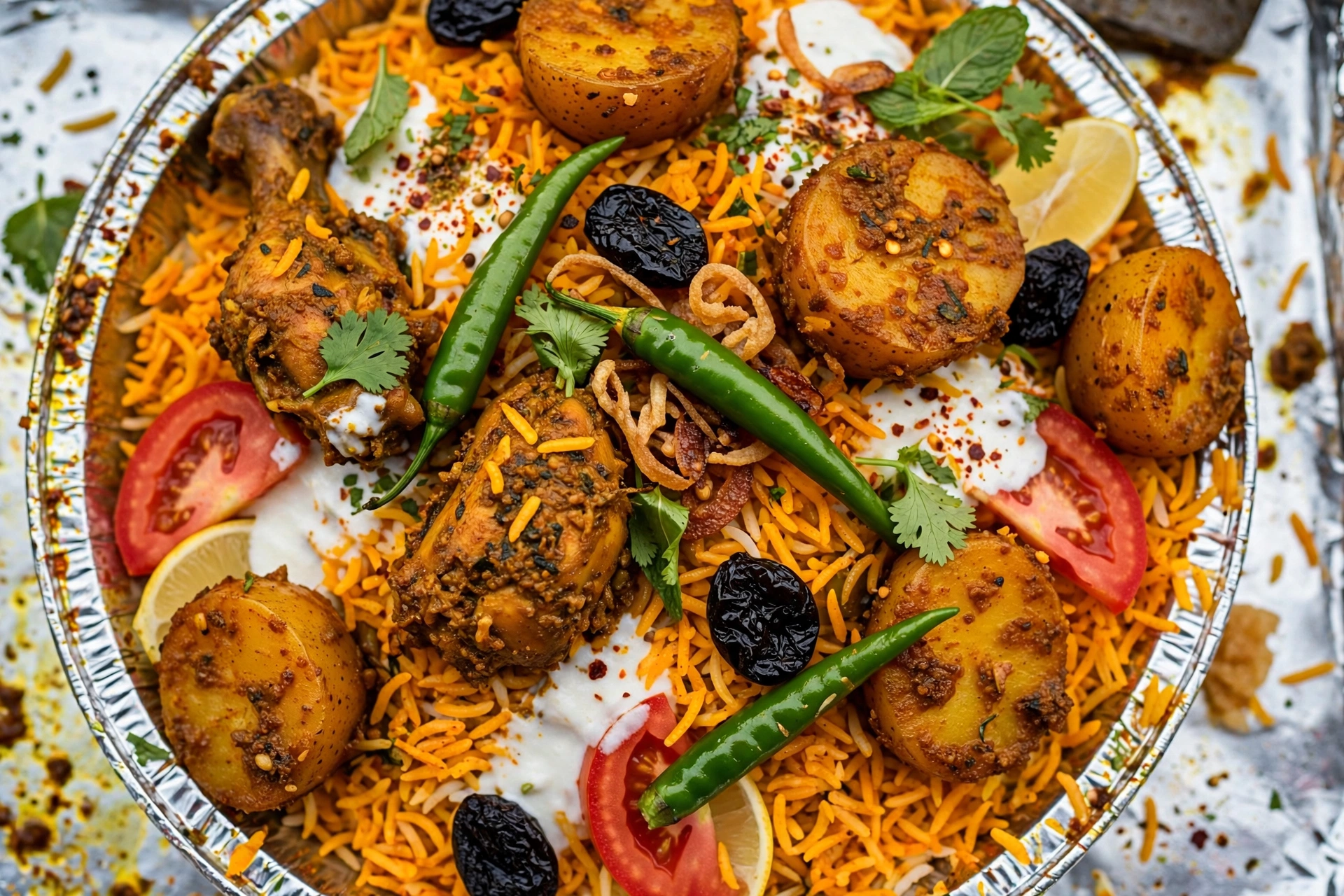
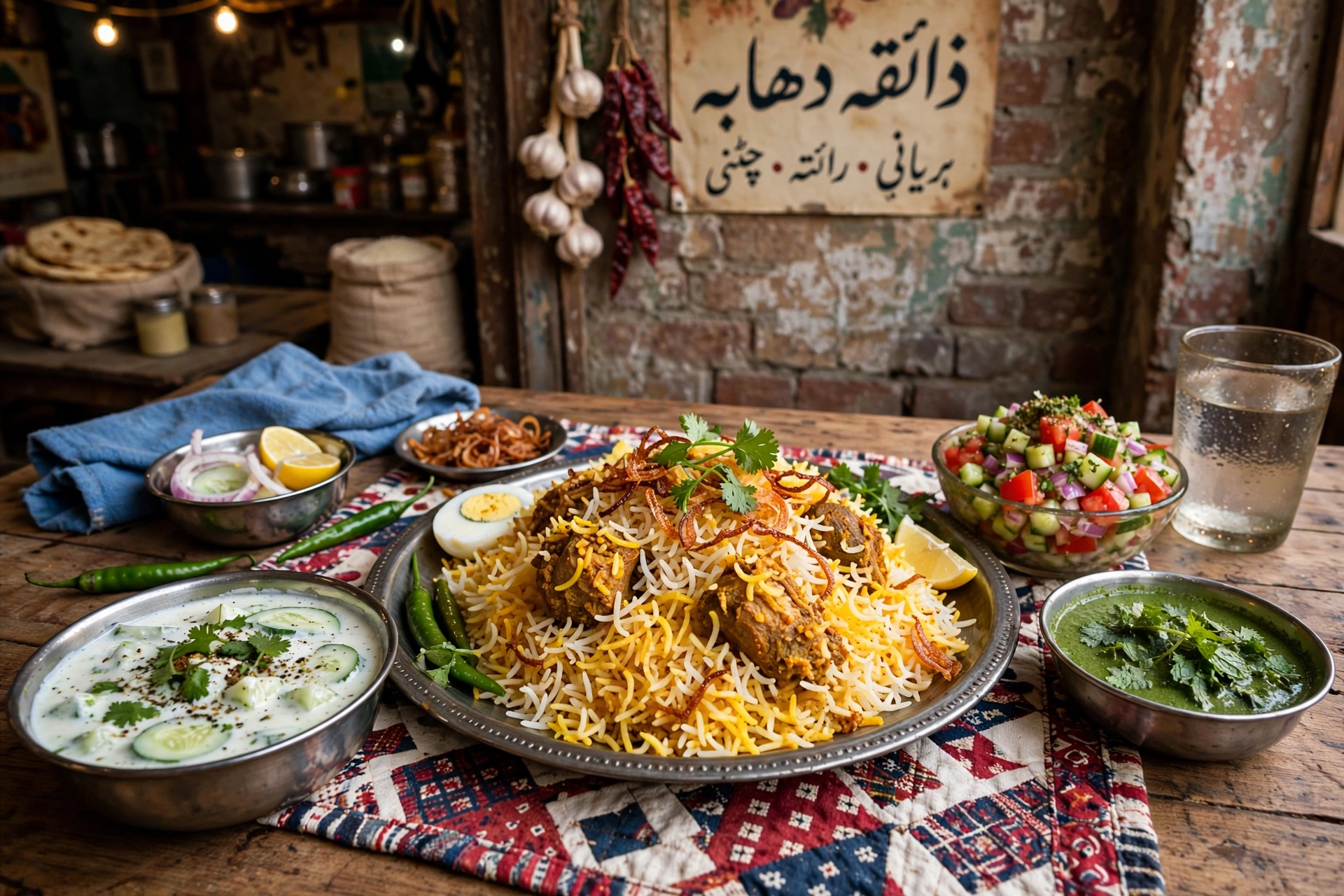
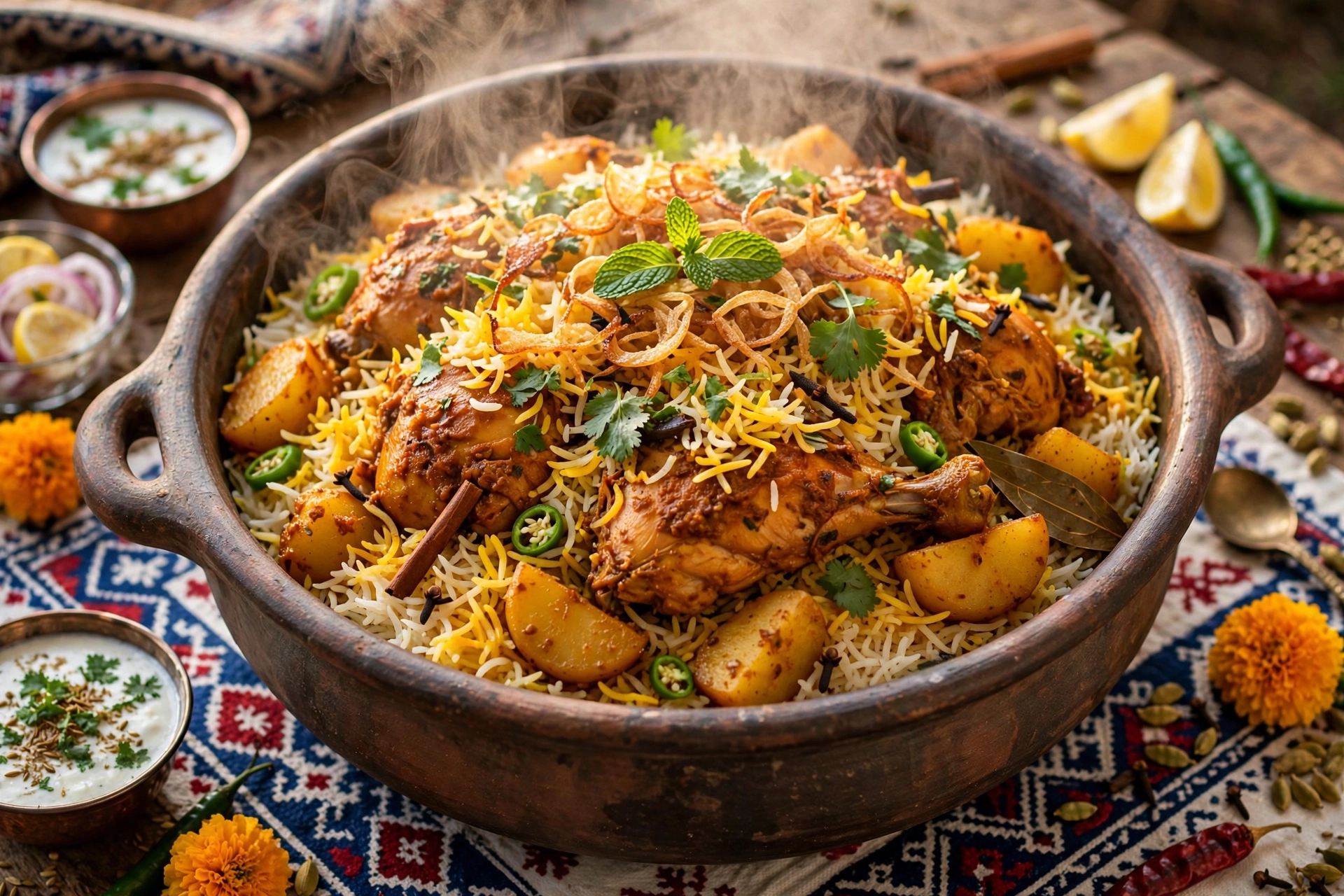
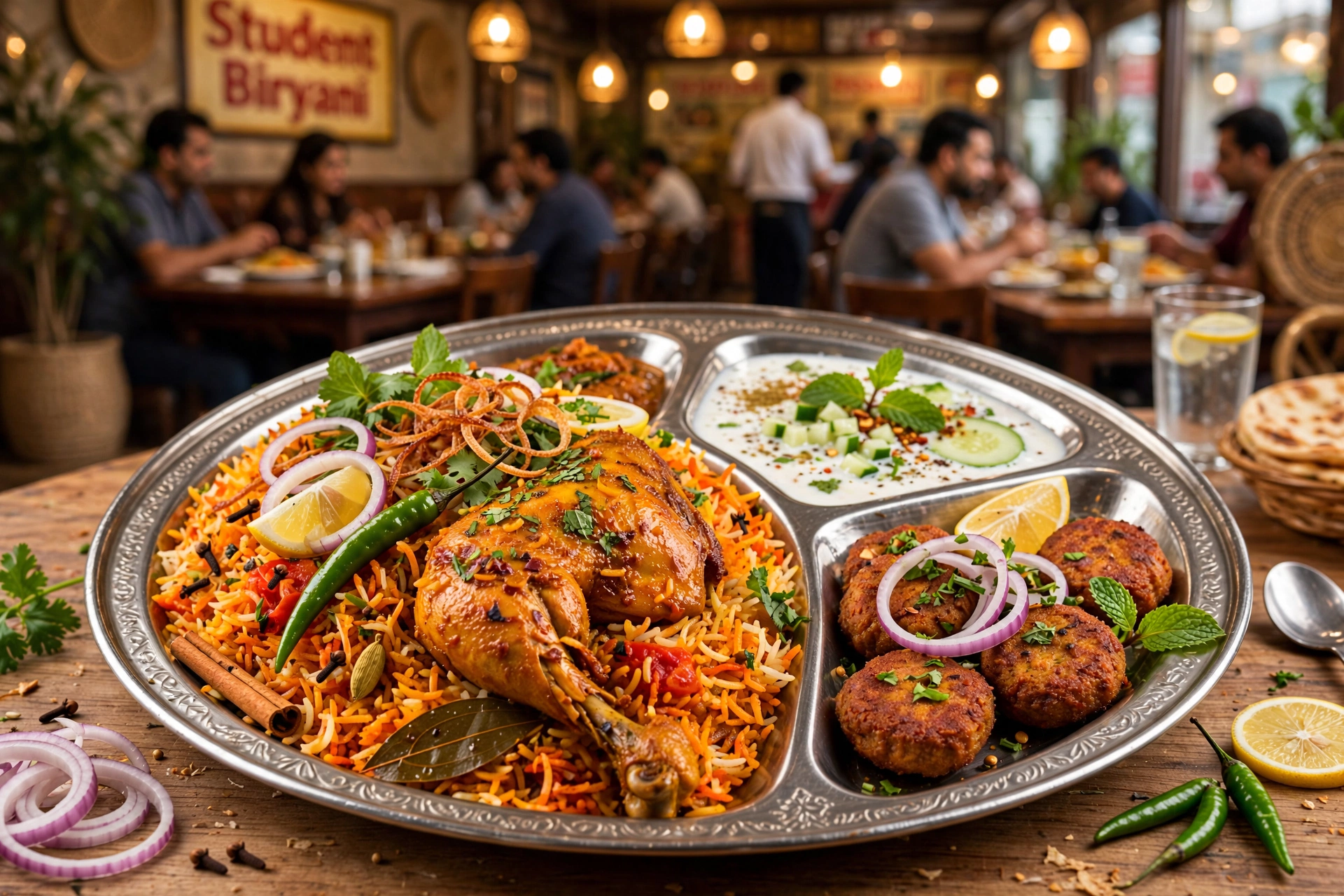
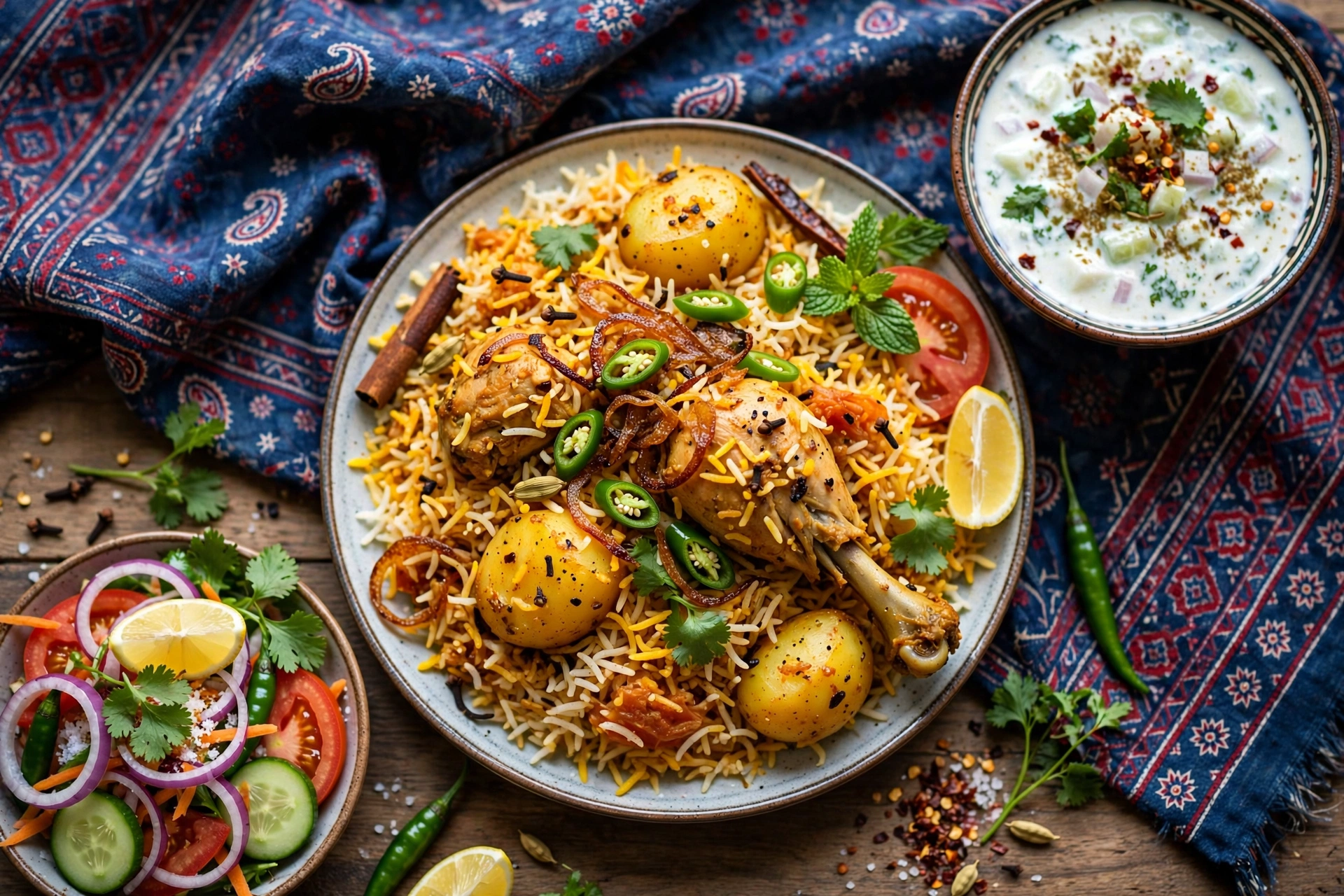
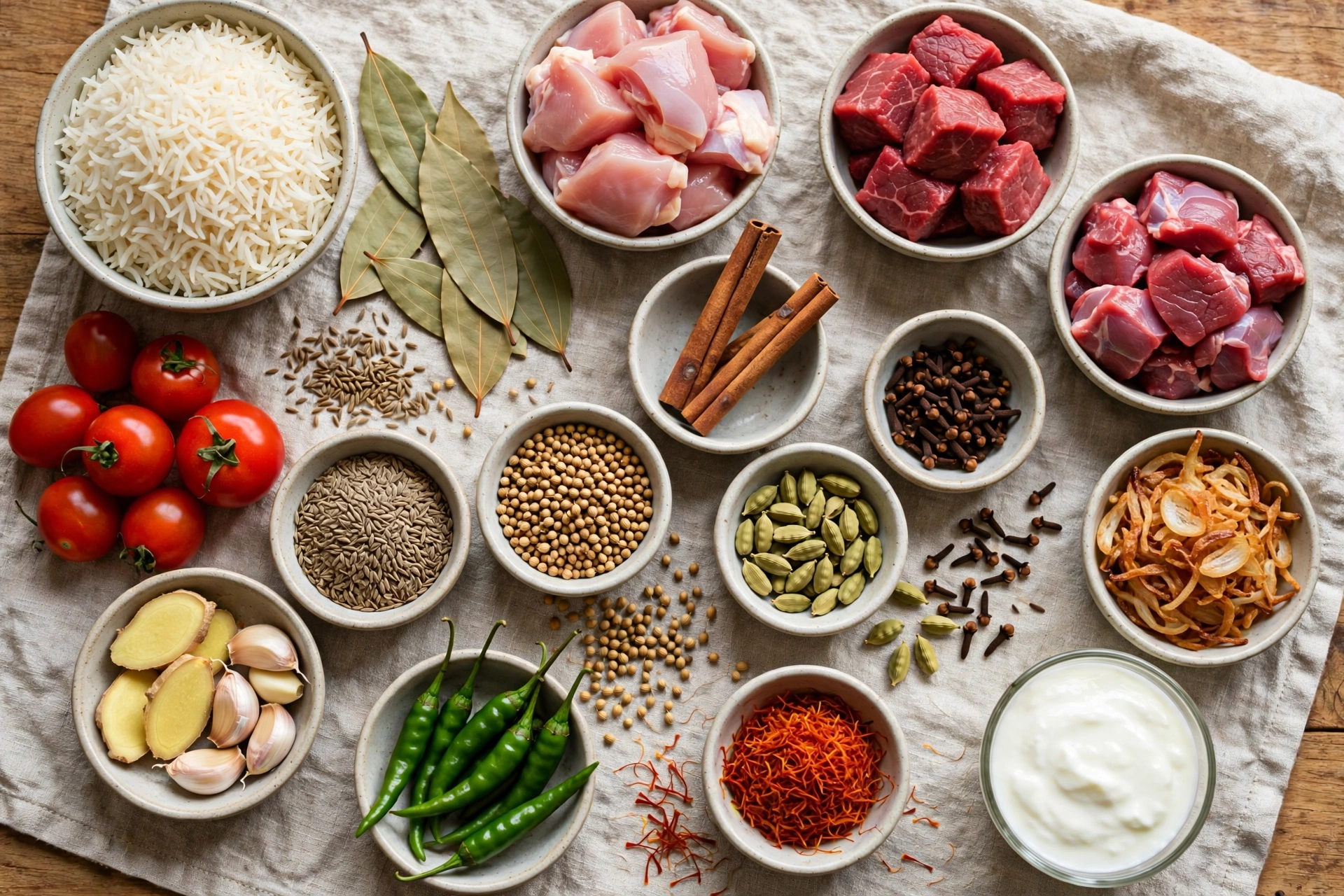
A traditional Pakistani biryani is prepared by layering partially cooked basmati rice with marinated chicken, beef, or mutton that has been slow-cooked in a rich blend of spices. Ingredients such as cumin, coriander, cinnamon, cloves, cardamom, bay leaves, ginger, garlic, tomatoes, yogurt, and green chilies create its distinctive aroma and taste. Saffron or food coloring is often added to give the rice its vibrant appearance, while fresh mint, coriander, and fried onions provide the finishing touch.
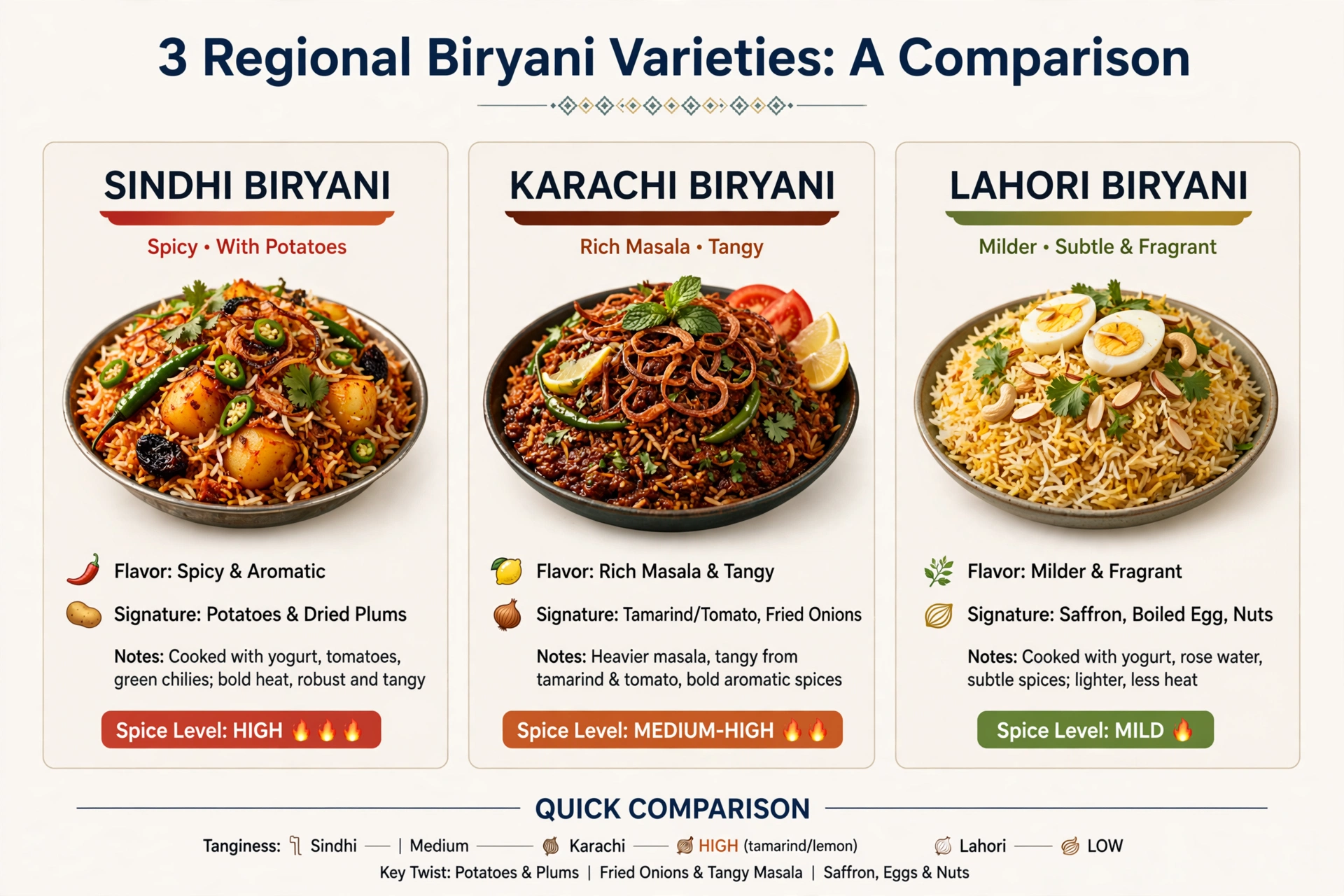
Several regional varieties of biryani are famous throughout Pakistan. Sindhi Biryani is known for its spicy flavor and the addition of potatoes, while Karachi Biryani is loved for its rich masala and tangy taste. Lahori Biryani offers a slightly milder yet equally flavorful version, and many restaurants also serve chicken tikka biryani, beef biryani, and mutton biryani to suit different preferences.
Biryani is traditionally served with cooling cucumber raita, fresh salad, or spicy chutney, which perfectly balances the rich spices of the rice. Whether enjoyed at a roadside eatery or a fine dining restaurant, biryani remains one of the most celebrated traditional Pakistani foods and is often considered the country’s favorite rice dish.
Biryani at a Glance
Everything you should know about Pakistan's favorite rice dish.
Main Ingredients
Basmati rice, chicken, beef or mutton, yogurt, onions, tomatoes, ginger, garlic and aromatic spices.
Popular Regions
Karachi, Sindh, Lahore and almost every city across Pakistan.
Best Served With
Raita, fresh salad, mint chutney, pickles and a chilled soft drink.
Popular Occasions
Weddings, Eid celebrations, family gatherings and weekend dinners.
3. Haleem – Pakistan’s Rich and Nutritious Comfort Food
Haleem is one of the most beloved traditional dishes of Pakistan, celebrated for its rich texture, hearty ingredients, and exceptional flavor. This slow-cooked delicacy combines wheat, barley, lentils, and tender meat to create a thick, creamy stew that is both nutritious and satisfying. Although haleem is enjoyed throughout the year, it is especially popular during Ramadan, Muharram, and festive occasions when families and communities gather to share meals.

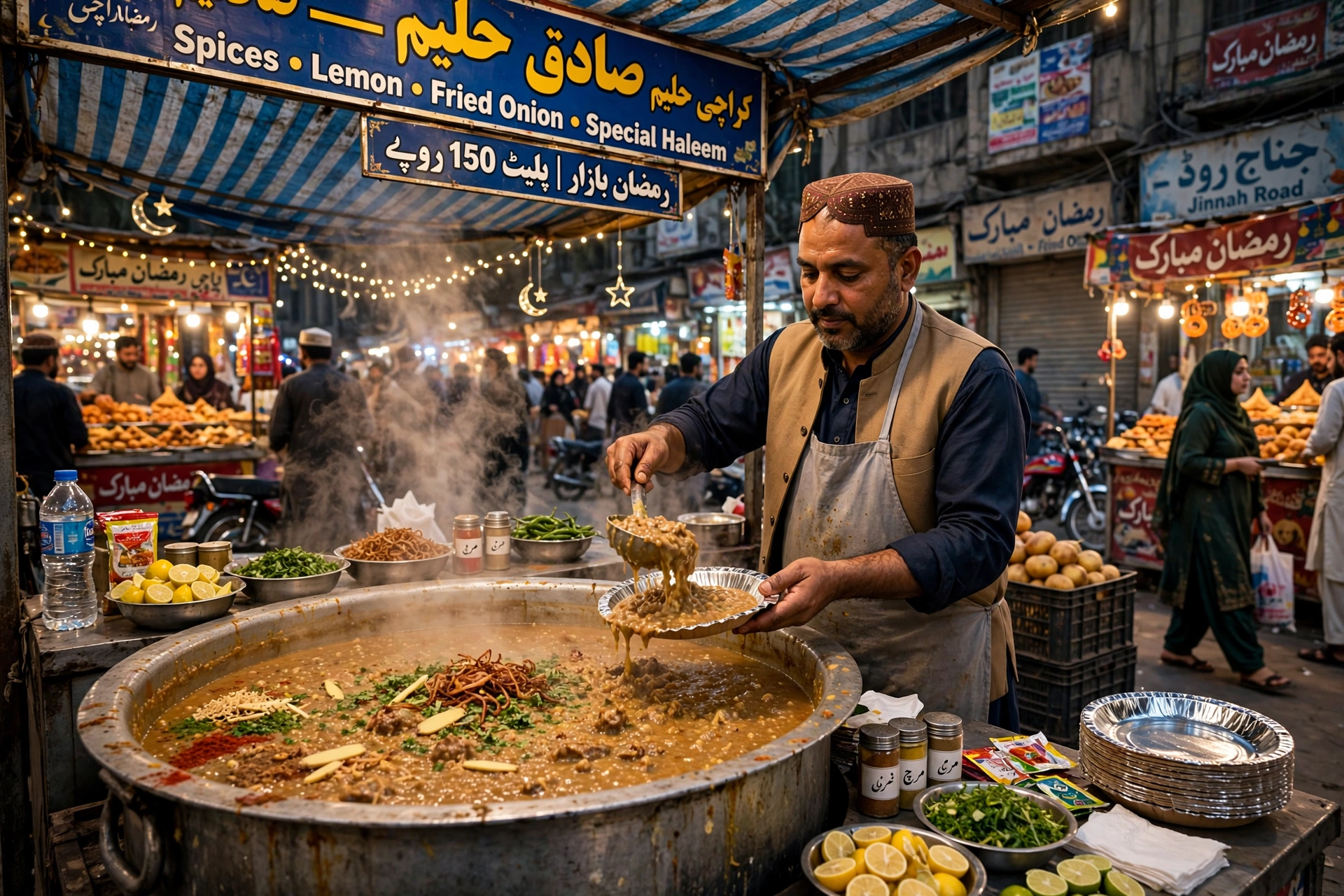
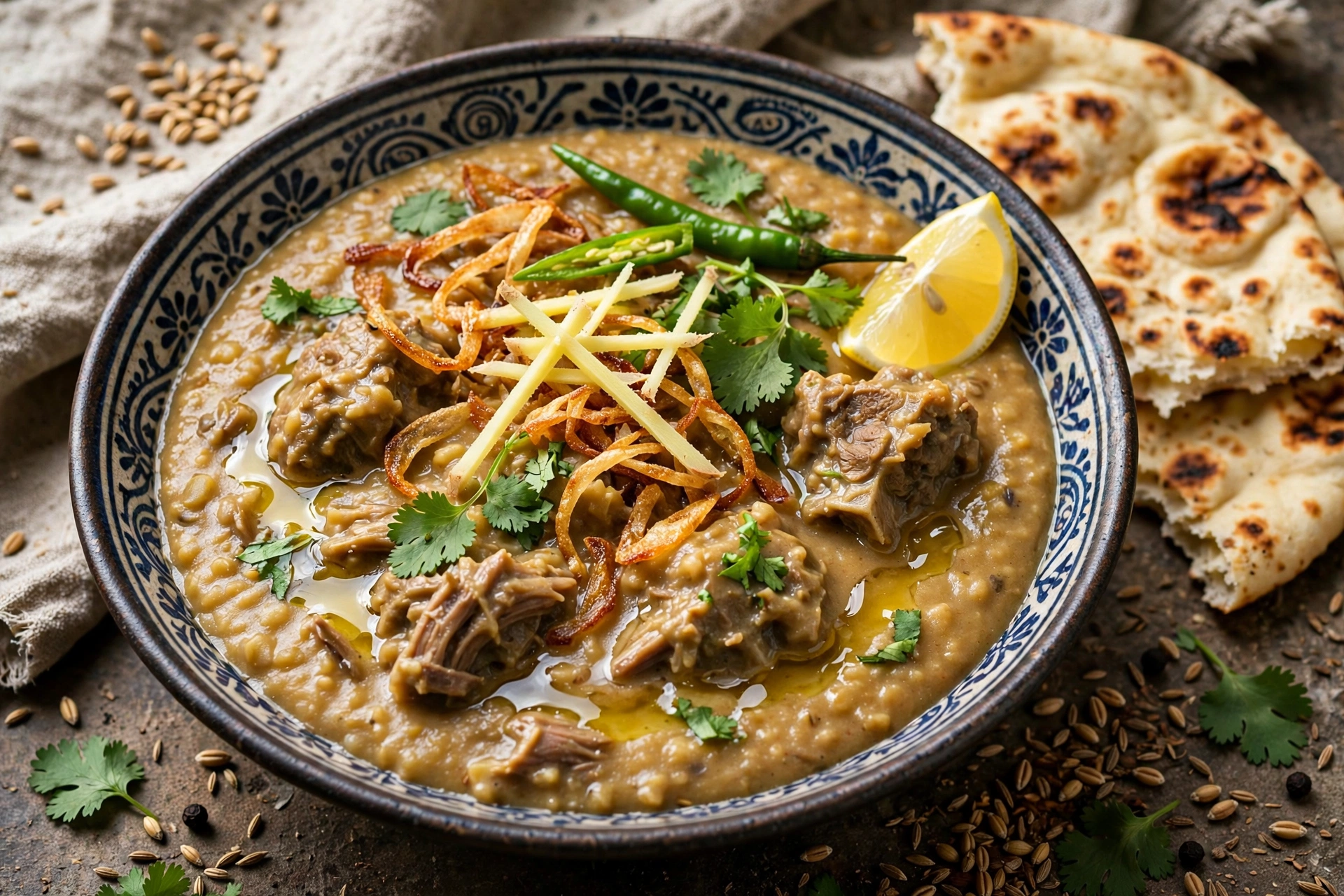
Preparing authentic haleem is a time-consuming process that often takes six to eight hours. Beef, chicken, or mutton is cooked slowly with a blend of lentils, cracked wheat, barley, and aromatic spices until all the ingredients break down into a smooth consistency. The mixture is continuously stirred to achieve its signature silky texture, allowing the flavors to blend perfectly.
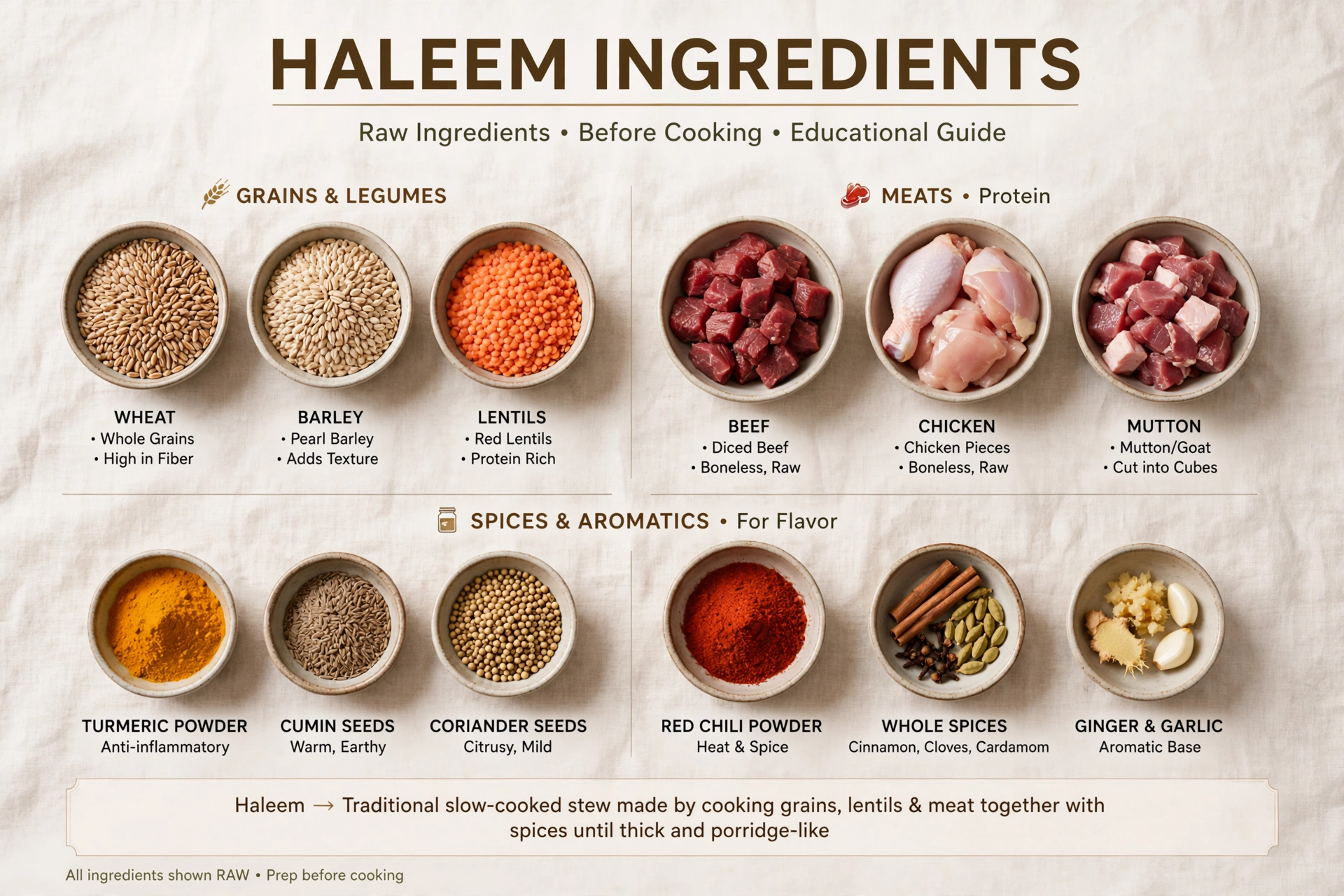
Preparing authentic haleem is a time-consuming process that often takes six to eight hours. Beef, chicken, or mutton is cooked slowly with a blend of lentils, cracked wheat, barley, and aromatic spices until all the ingredients break down into a smooth consistency. The mixture is continuously stirred to achieve its signature silky texture, allowing the flavors to blend perfectly.
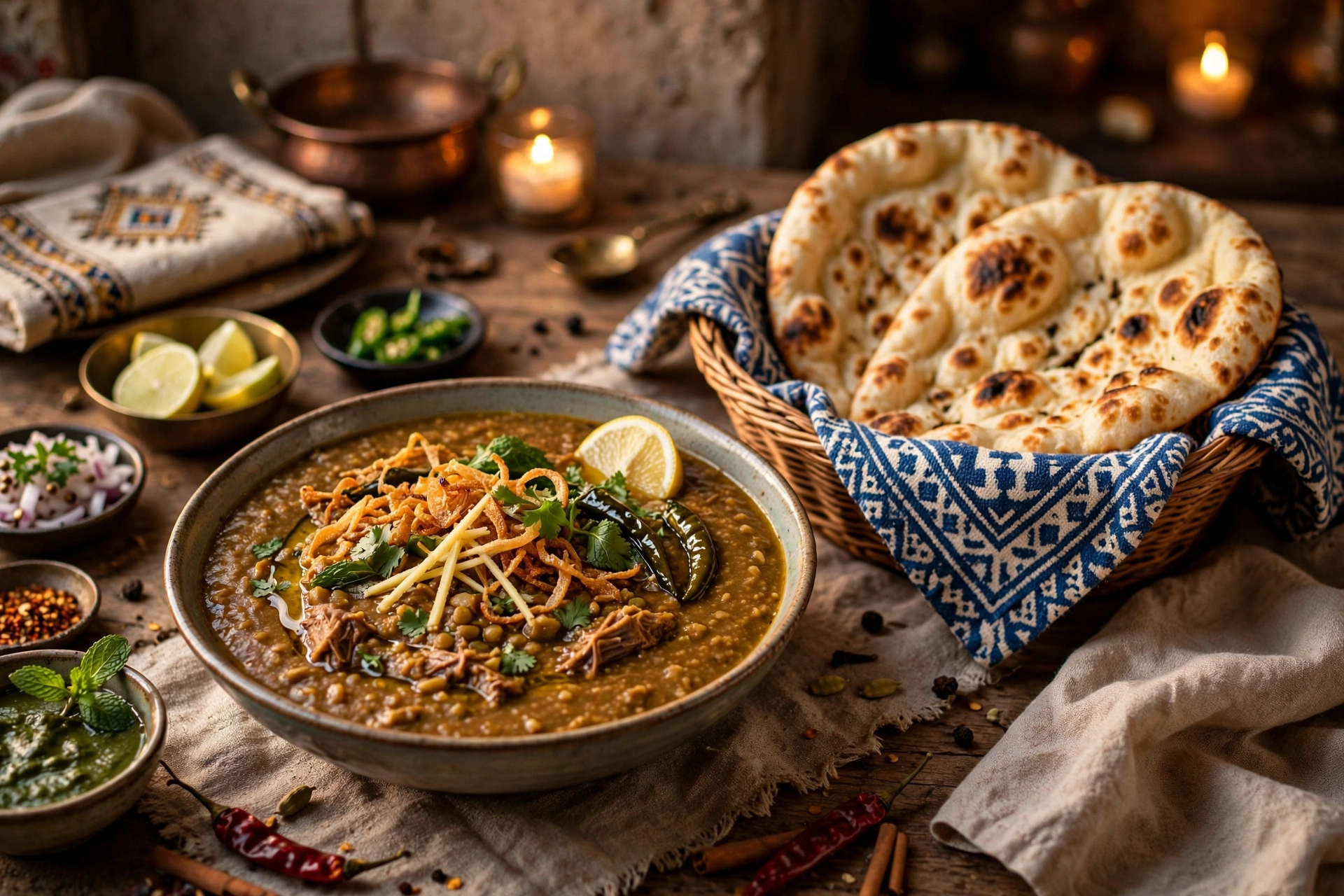
The dish is traditionally garnished with crispy fried onions, fresh coriander leaves, sliced green chilies, julienned ginger, lemon wedges, and a drizzle of desi ghee. These toppings add freshness, crunch, and extra flavor to every bite. Haleem is commonly served with naan or freshly baked tandoori bread, making it a filling meal that is enjoyed by people of all ages.
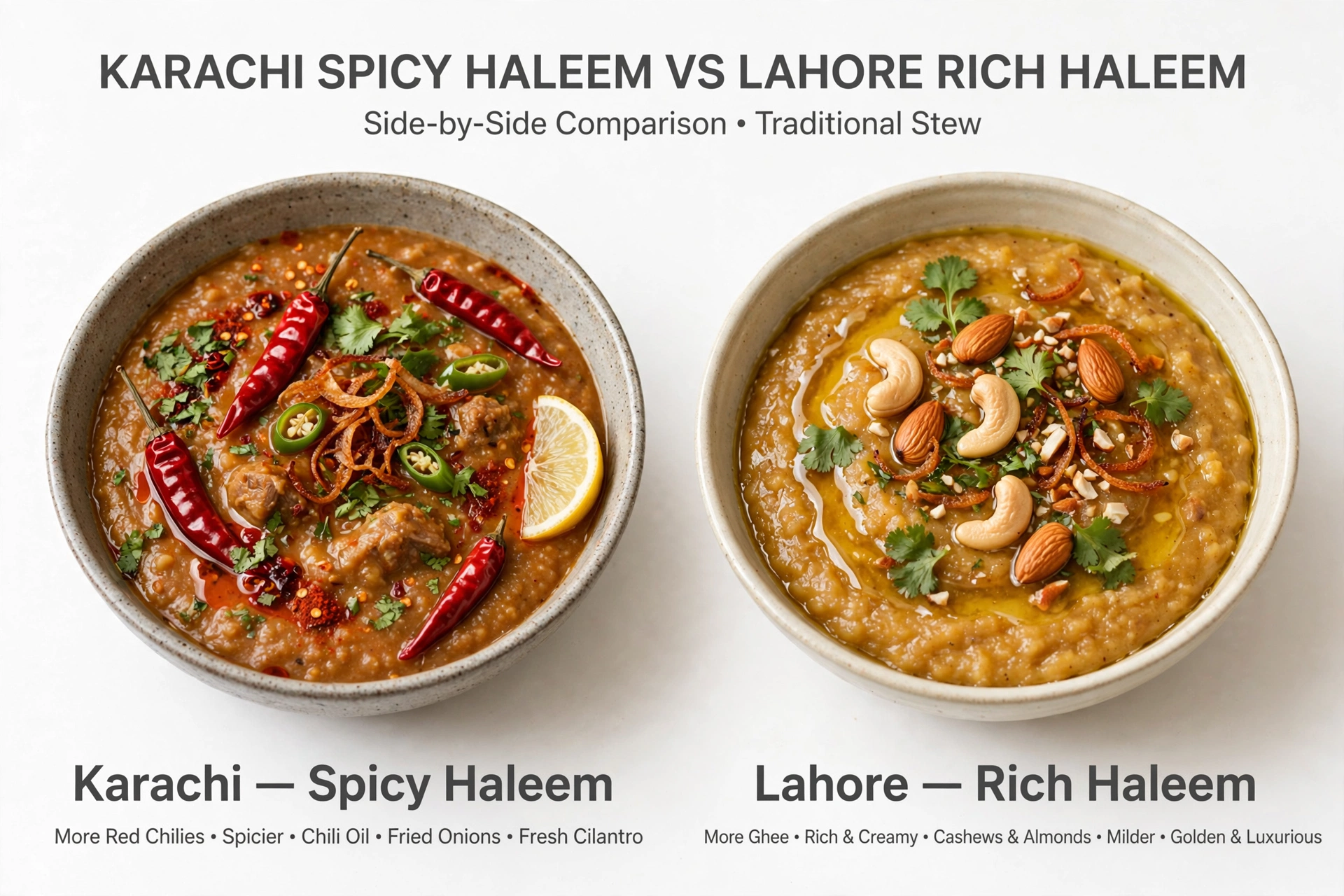
Every region in Pakistan has its own version of haleem. Karachi is particularly famous for its spicy style, while Lahore offers a slightly richer and milder variation. Regardless of where it is prepared, haleem remains one of the country’s most cherished traditional Pakistani foods, reflecting the patience, hospitality, and culinary expertise that define Pakistani cuisine.
Haleem at a Glance
A slow-cooked Pakistani delicacy loved for its rich flavor and hearty texture.
Main Ingredients
Beef, chicken or mutton, lentils, wheat, barley, ginger, garlic and traditional spices.
Popular Regions
Karachi, Lahore, Islamabad and throughout Pakistan.
Best Served With
Naan, lemon wedges, fried onions, coriander, green chilies and desi ghee.
Popular Occasions
Ramadan, Muharram, Eid celebrations and family gatherings.
4. Karahi – Pakistan’s Signature Curry Dish
Karahi is one of the most iconic traditional dishes of Pakistan, famous for its rich tomato-based gravy, aromatic spices, and freshly cooked flavor. Named after the thick, circular cooking pot called a karahi, this dish is prepared over high heat and served sizzling hot, making it a favorite at family dinners, roadside restaurants, and celebrations across the country.
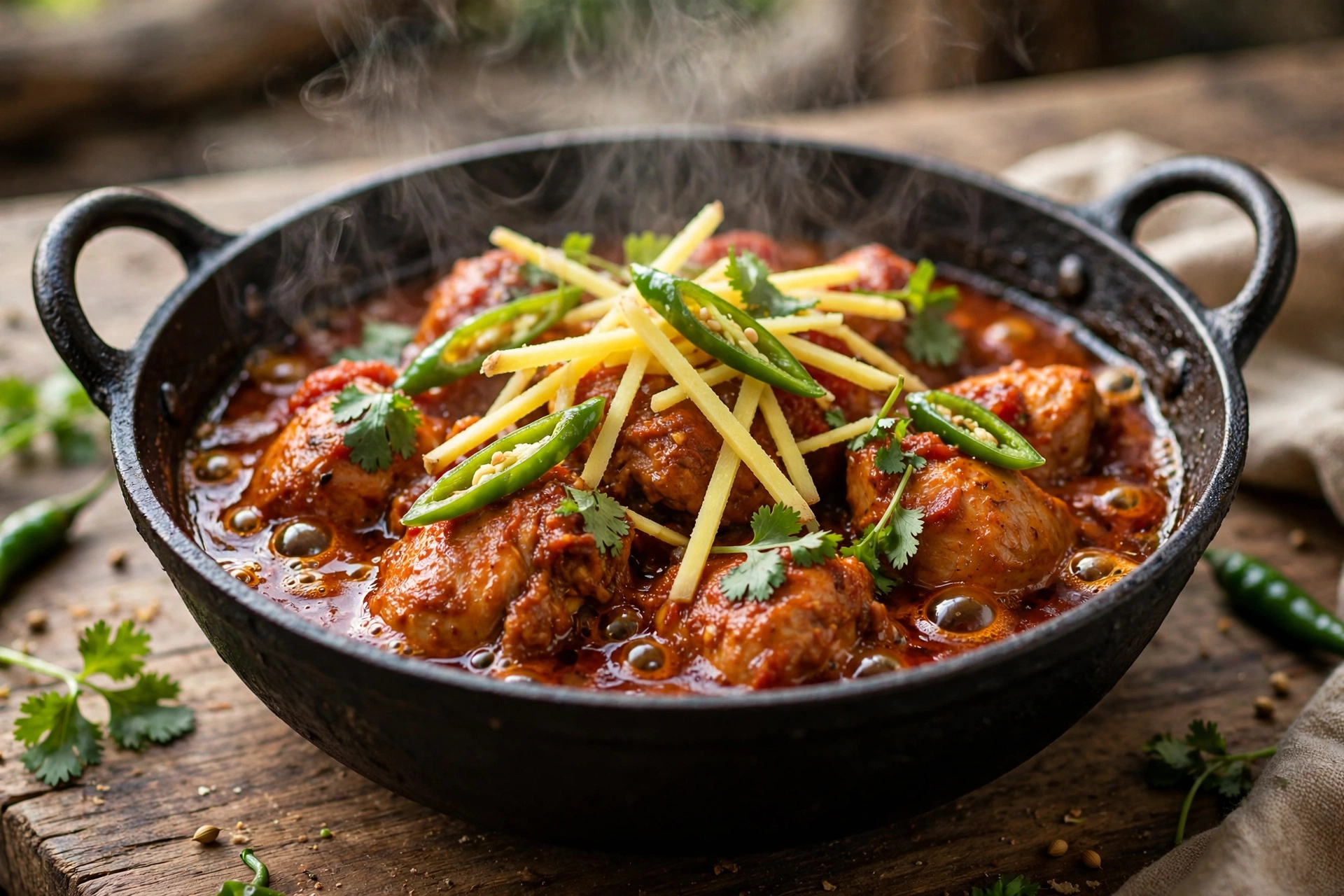
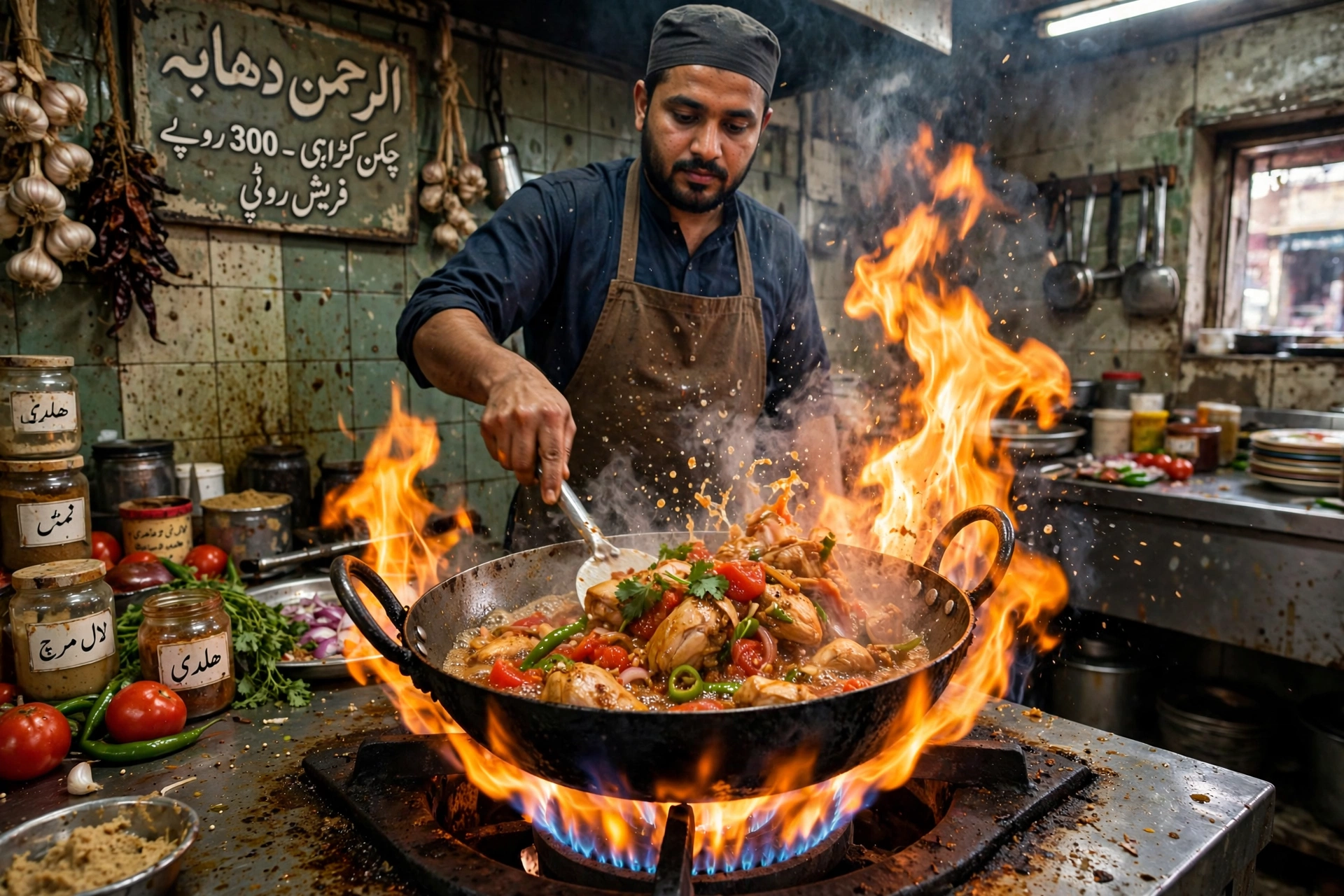
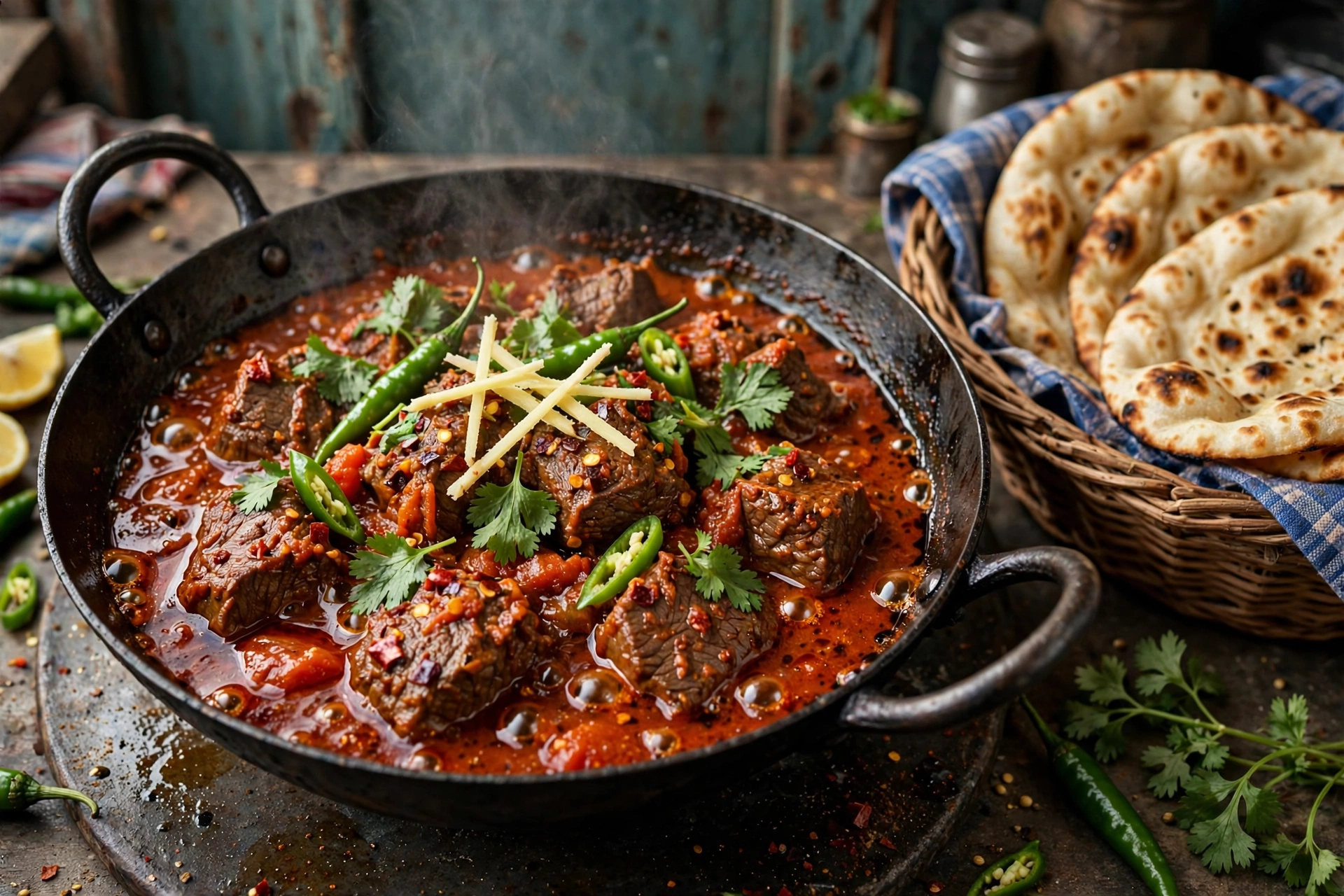
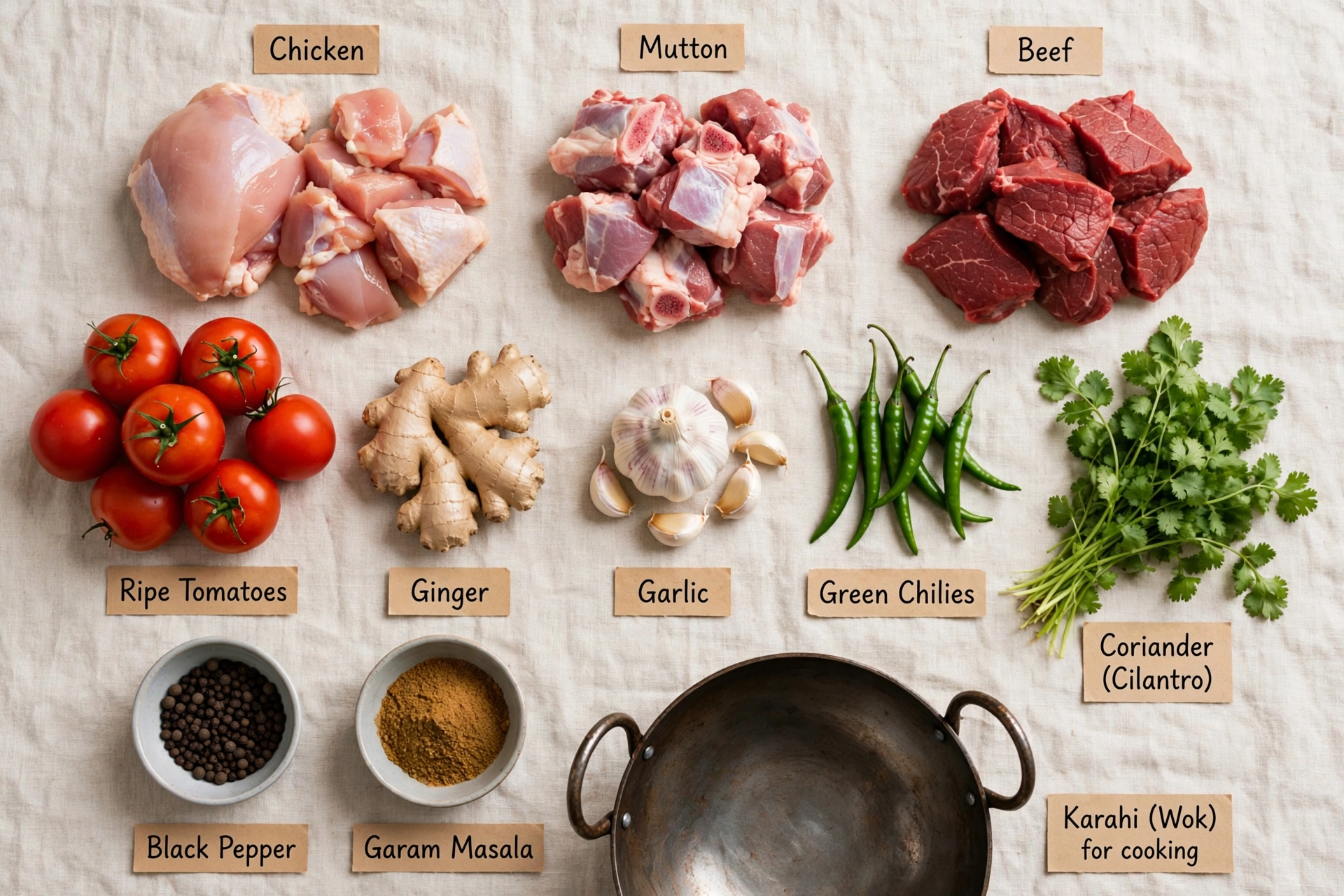
Unlike many curries that rely on heavy sauces or cream, traditional Pakistani karahi uses simple yet flavorful ingredients. Chicken, mutton, or beef is cooked with ripe tomatoes, fresh ginger, garlic, green chilies, coriander, black pepper, and garam masala. The dish is simmered until the tomatoes break down into a thick, rich gravy that coats every piece of meat, creating a bold and authentic taste.
One of the reasons karahi is so popular is its freshness. It is typically cooked to order, allowing the ingredients to retain their natural flavors and aromas. Fresh coriander leaves, julienned ginger, and sliced green chilies are added just before serving, giving the dish its signature appearance and vibrant taste.
Several regional variations of karahi can be found throughout Pakistan. Chicken Karahi is the most popular version, while Mutton Karahi is often served during weddings and festive gatherings for its richer flavor. In cities like Lahore, Karachi, and Peshawar, each region has developed its own unique style, making karahi one of the most diverse and celebrated dishes in Pakistani cuisine.
Traditionally, karahi is served with hot naan, tandoori roti, or chapati, accompanied by fresh salad and yogurt raita. Whether enjoyed at a roadside dhaba or an upscale restaurant, karahi remains one of the finest examples of traditional Pakistani food and an essential dish for anyone exploring Pakistan’s culinary heritage.
Karahi at a Glance
One of Pakistan's most iconic meat dishes, cooked fresh with tomatoes and aromatic spices.
Main Ingredients
Chicken, mutton or beef, tomatoes, garlic, ginger, green chilies, coriander and garam masala.
Popular Regions
Lahore, Karachi, Peshawar, Islamabad and throughout Pakistan.
Best Served With
Naan, tandoori roti, chapati, yogurt raita and fresh salad.
Popular Occasions
Family dinners, weddings, celebrations and restaurant gatherings.
5. Sajji – Balochistan’s Signature Roasted Delicacy
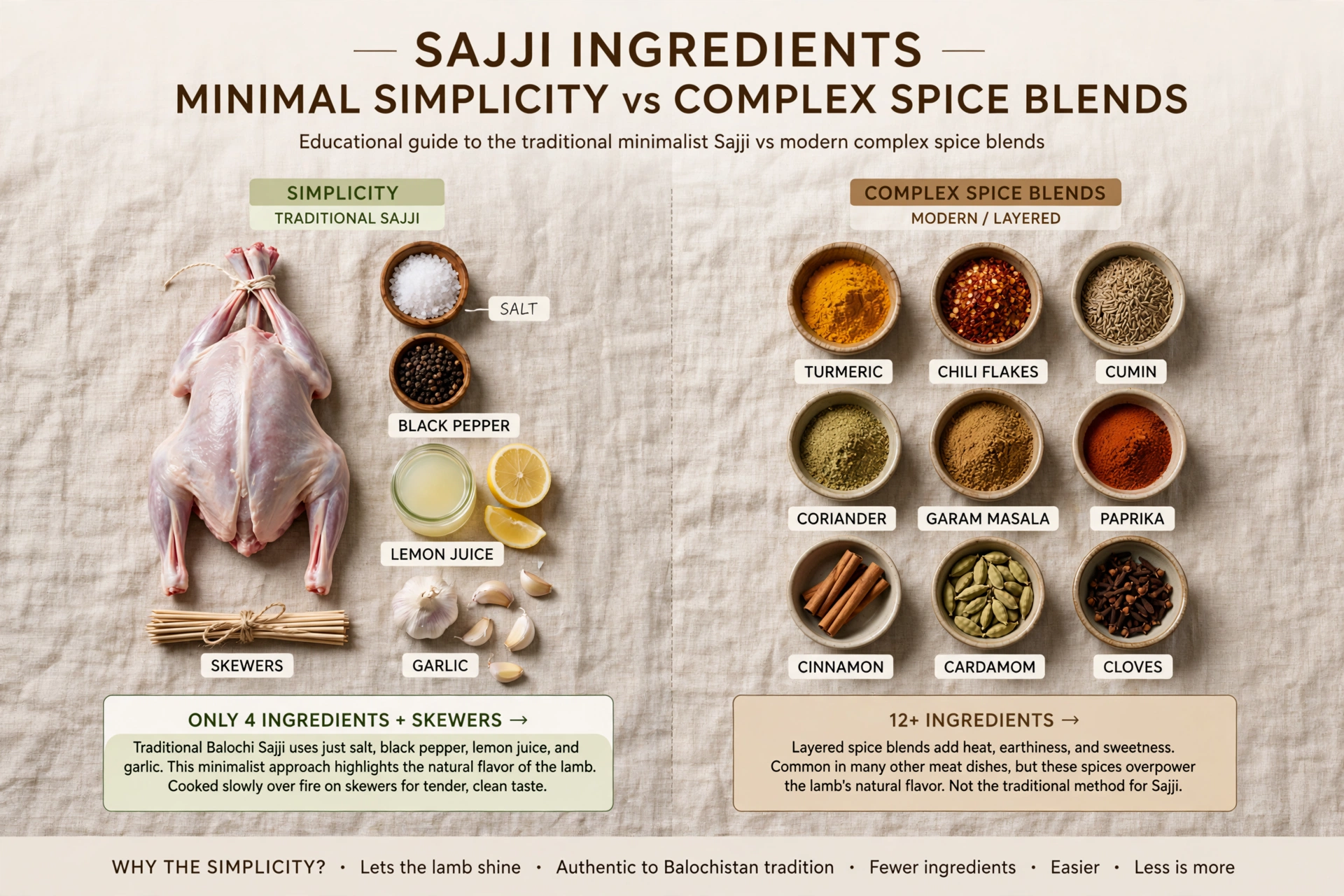
Sajji is one of the most famous traditional dishes of Pakistan, originating from the province of Balochistan. Known for its simple preparation and rich smoky flavor, sajji is a true celebration of traditional cooking techniques. Unlike many Pakistani dishes that rely on complex spice blends, sajji highlights the natural taste of the meat with minimal seasoning, making it a favorite among barbecue lovers.
Traditionally, sajji is prepared using a whole lamb, although chicken is now a popular alternative. The meat is lightly seasoned with salt and occasionally black pepper before being skewered and slowly roasted over an open fire or charcoal. This slow-roasting process allows the meat to remain incredibly tender and juicy while developing a crispy, golden exterior infused with a distinctive smoky aroma.
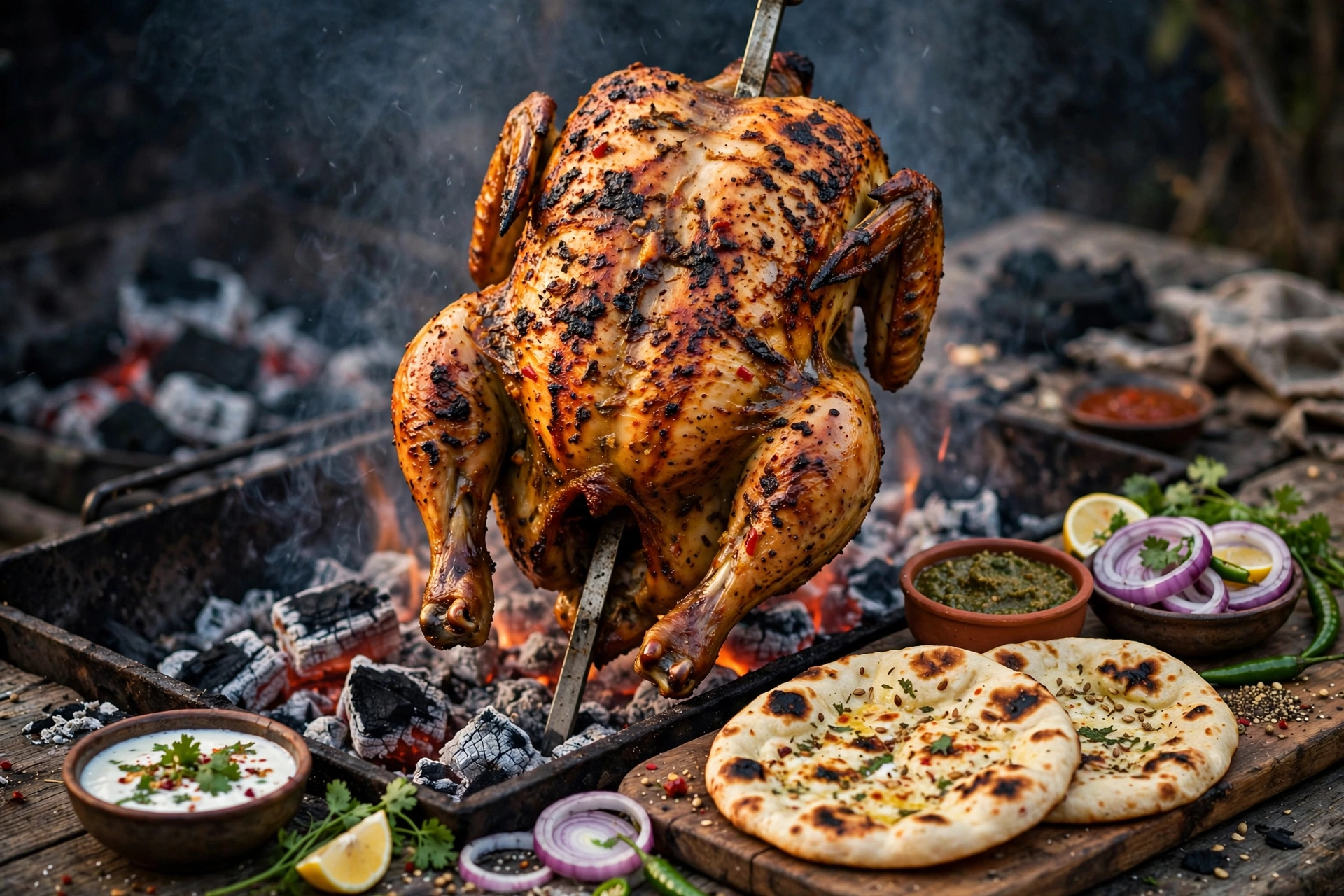
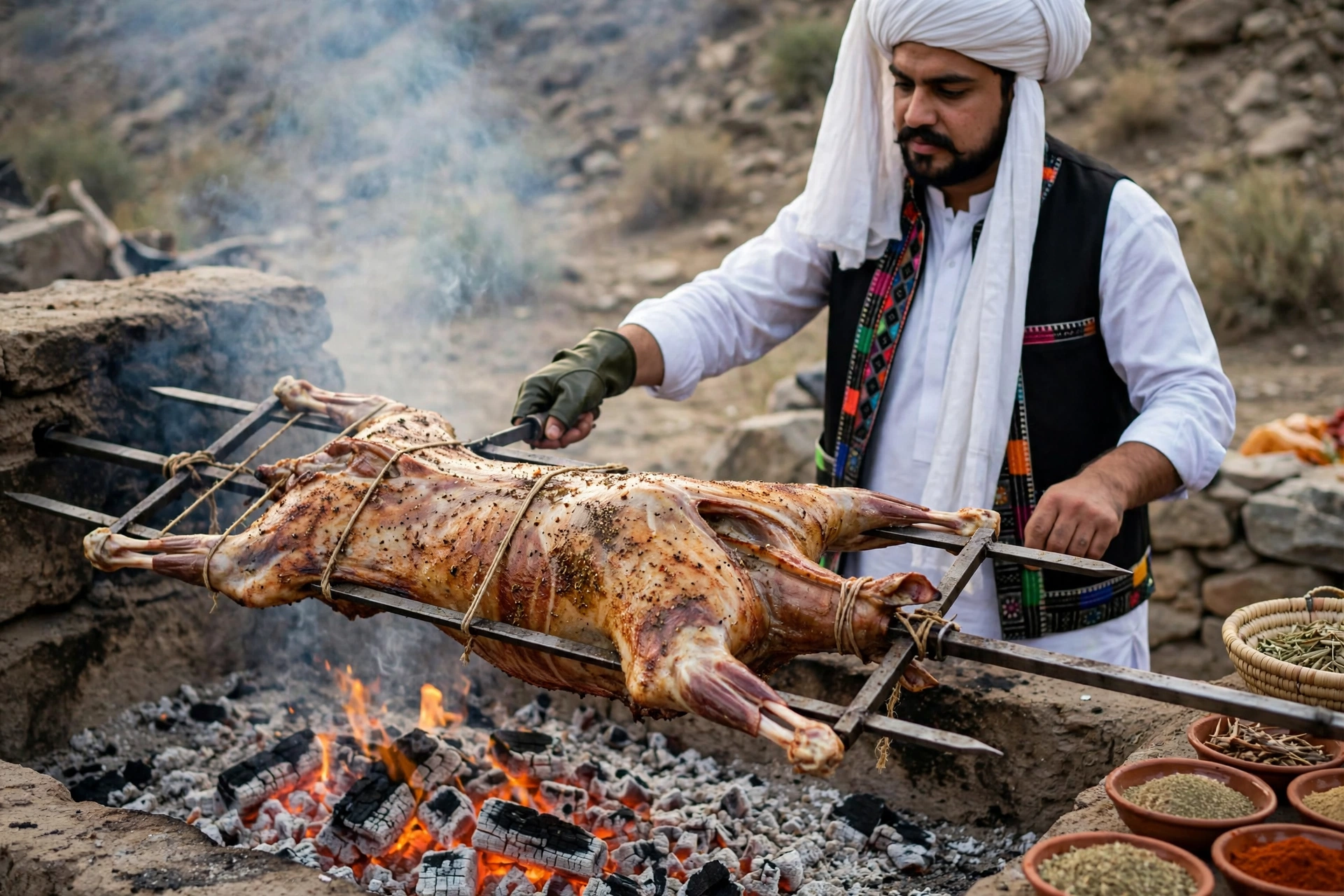
One of the defining features of authentic Balochi sajji is its simplicity. Rather than overwhelming the meat with spices, the cooking method allows the natural flavors to shine. Some modern variations include a light marinade of lemon juice, garlic, or local herbs, but the traditional recipe remains remarkably uncomplicated.
Sajji is commonly served with fragrant rice, naan, or Kaak, a traditional hard bread that is especially popular in Balochistan. Fresh salad, mint chutney, and yogurt raita are often served alongside the dish to complement its smoky flavor. Today, sajji is enjoyed throughout Pakistan, particularly in cities such as Quetta, Karachi, Lahore, and Islamabad, where it has become a popular choice for family dinners and festive occasions.
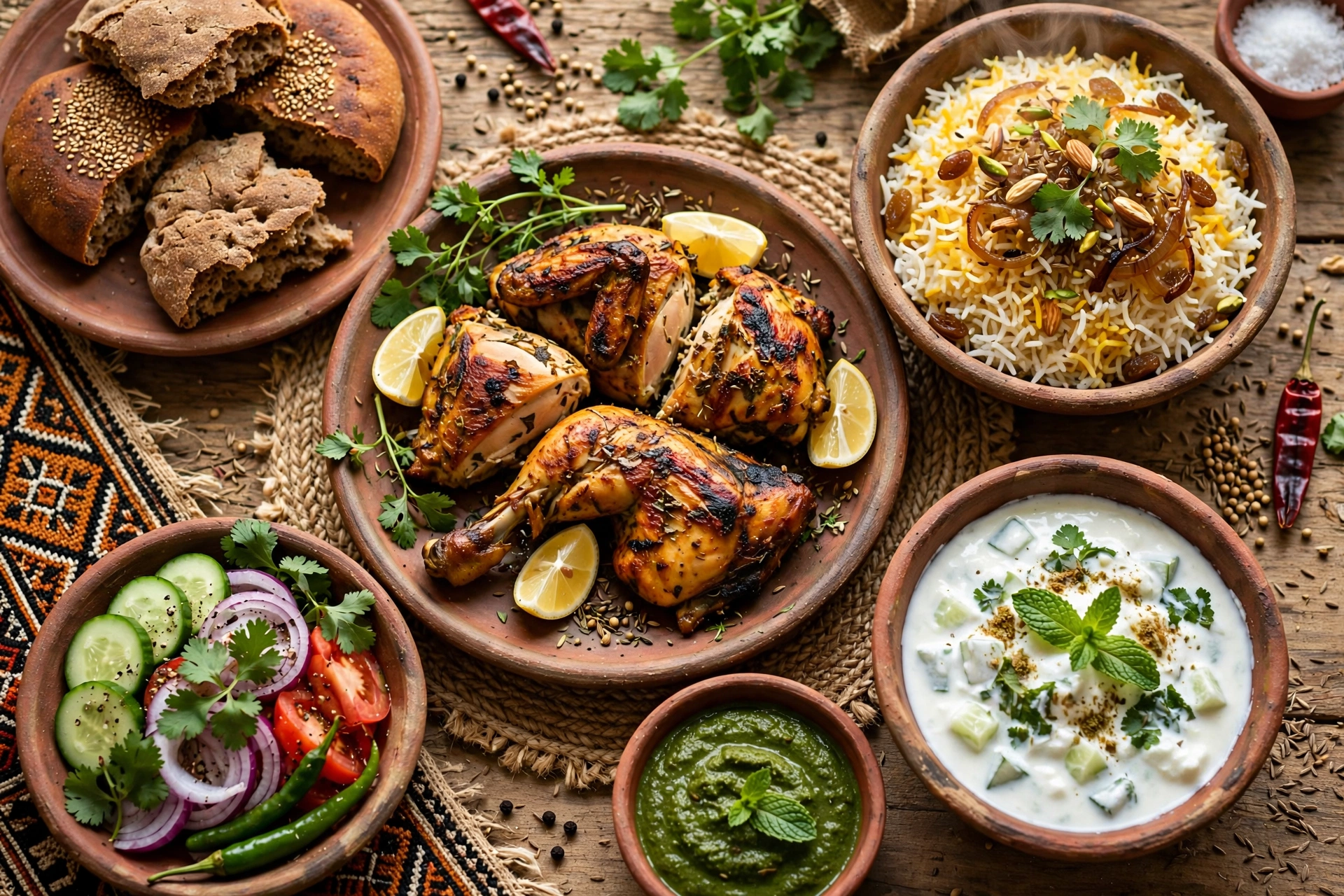
Whether prepared at a roadside barbecue stall or a traditional restaurant, sajji remains one of the finest examples of traditional Pakistani food, offering a unique taste of Balochistan’s rich culinary heritage.
Sajji at a Glance
A traditional slow-roasted meat dish that represents the authentic flavors of Balochistan.
Main Ingredients
Whole lamb or chicken, salt, black pepper, lemon juice and optional local herbs.
Origin
Balochistan, especially Quetta, but now enjoyed across Pakistan.
Best Served With
Kaak, naan, fragrant rice, mint chutney, yogurt raita and fresh salad.
Popular Occasions
Family gatherings, BBQ parties, Eid celebrations and traditional feasts.
6. Chapli Kebab – Peshawar’s Famous Spiced Meat Patty
Chapli Kebab is one of the most iconic traditional dishes of Pakistan, especially associated with the historic city of Peshawar in Khyber Pakhtunkhwa. Known for its distinctive round shape, crispy exterior, and juicy interior, this flavorful minced meat kebab has earned a reputation as one of Pakistan’s finest street foods. Its rich blend of herbs, spices, and fresh ingredients creates a bold flavor that attracts both locals and tourists alike.
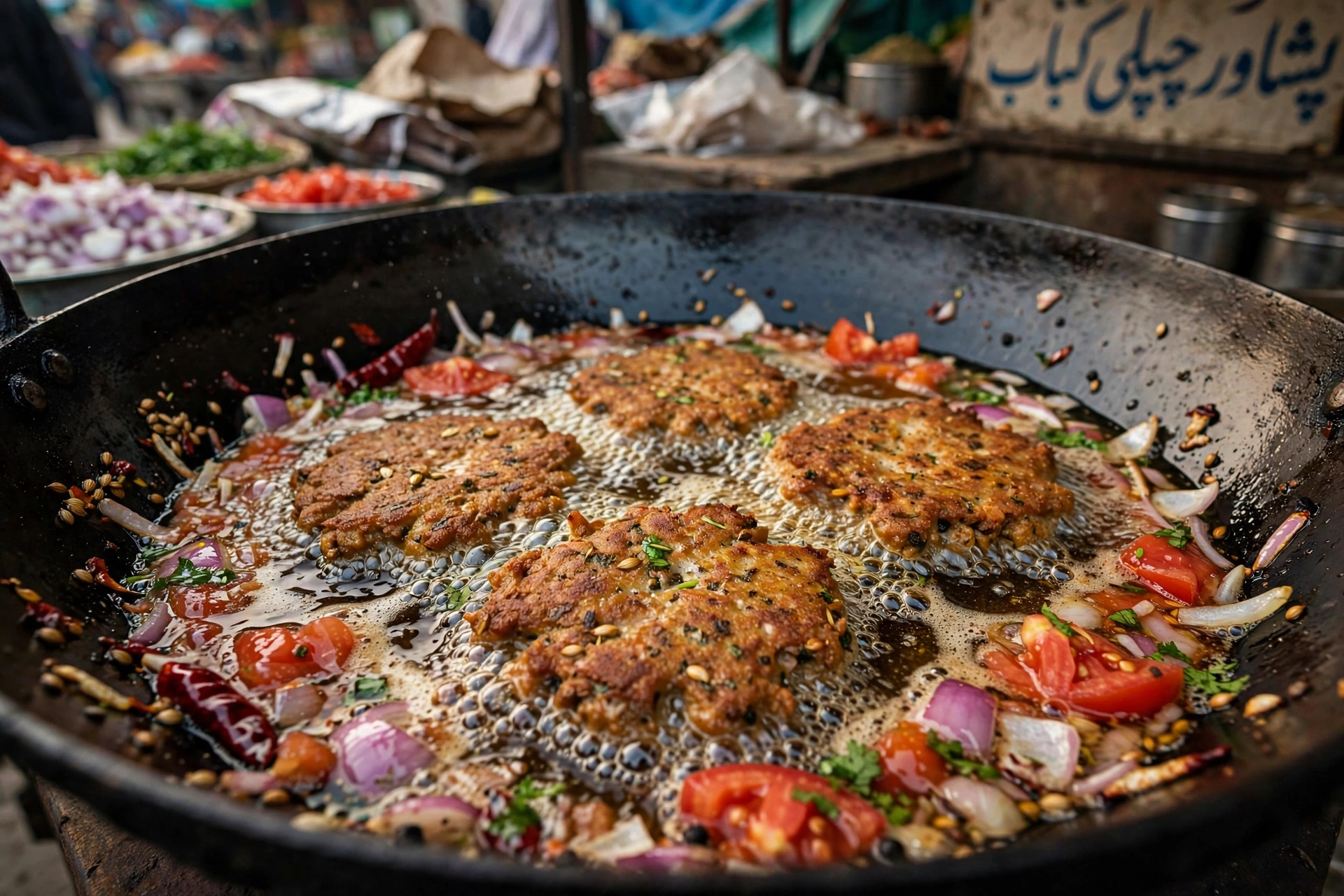
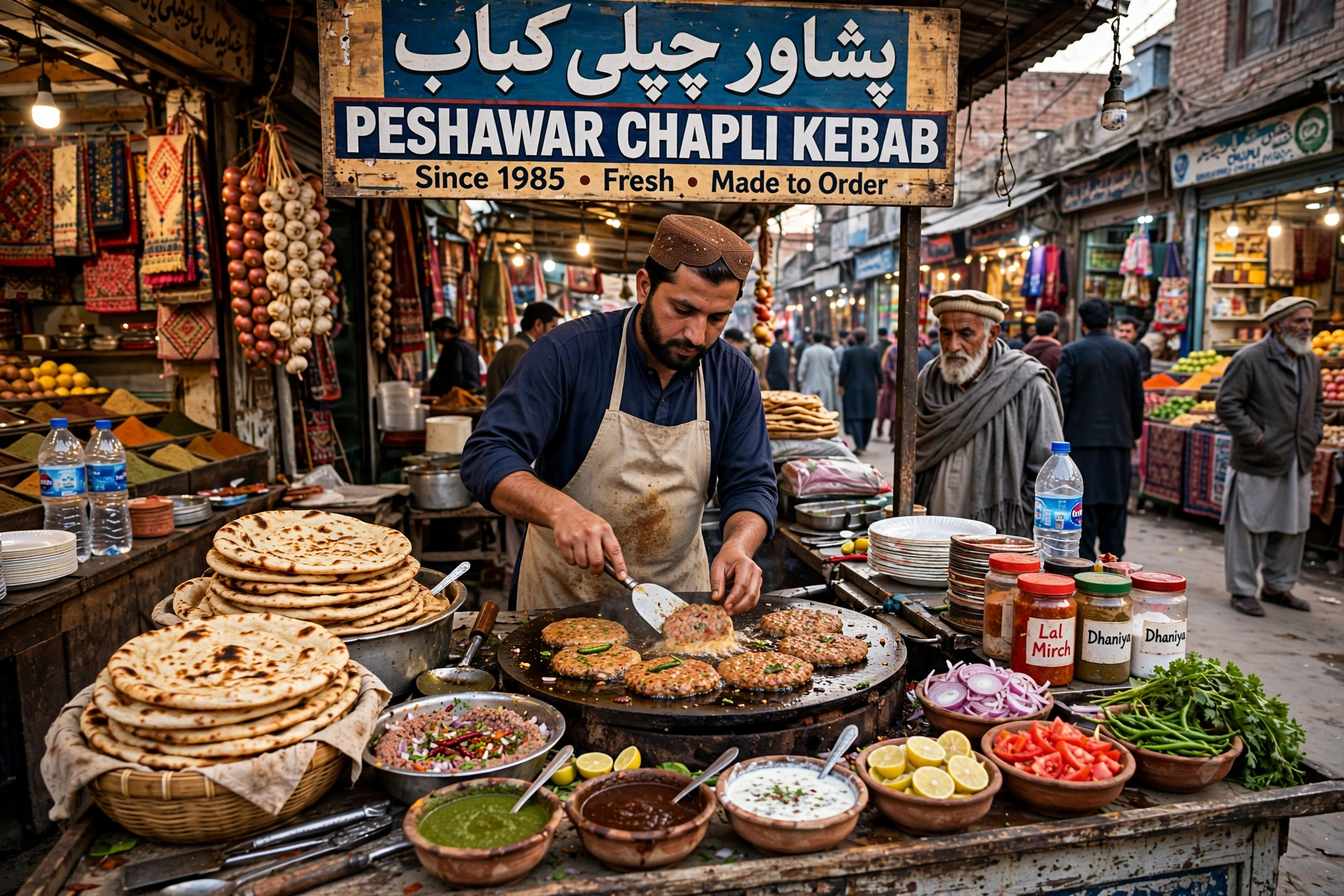
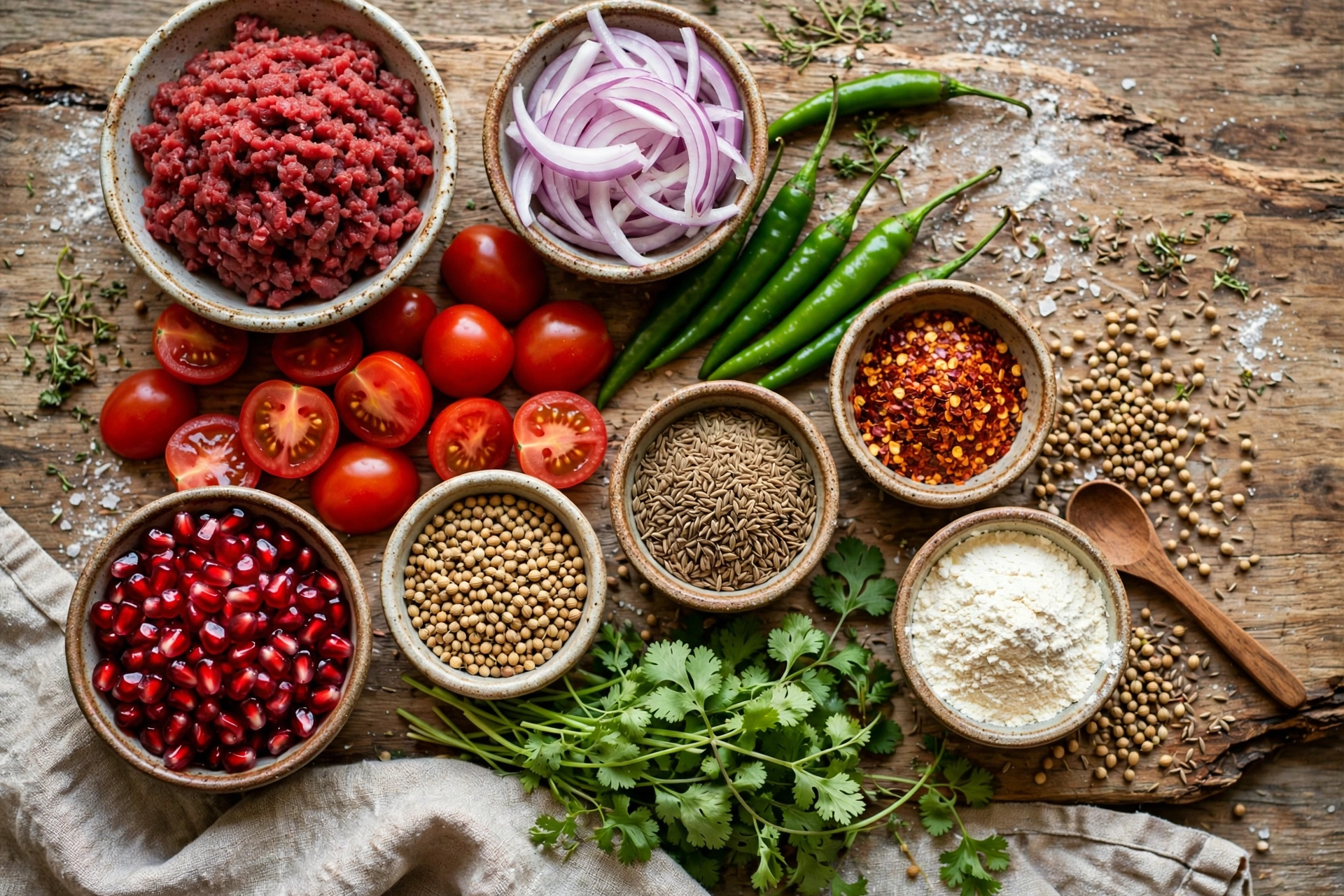
Authentic Chapli Kebab is traditionally prepared using minced beef, although mutton and chicken versions are also popular. The meat is mixed with chopped onions, tomatoes, green chilies, fresh coriander, pomegranate seeds, crushed coriander, cumin, red chili flakes, and gram flour, which helps bind the mixture together. The patties are then shallow-fried until they develop a beautifully crisp outer layer while remaining tender and juicy inside.
One of the unique characteristics of Chapli Kebab is its slightly tangy and smoky flavor. Fresh tomatoes and pomegranate seeds add a subtle sweetness and acidity that perfectly balance the rich spices. Unlike many other kebabs, Chapli Kebab has a rustic appearance, making it instantly recognizable.
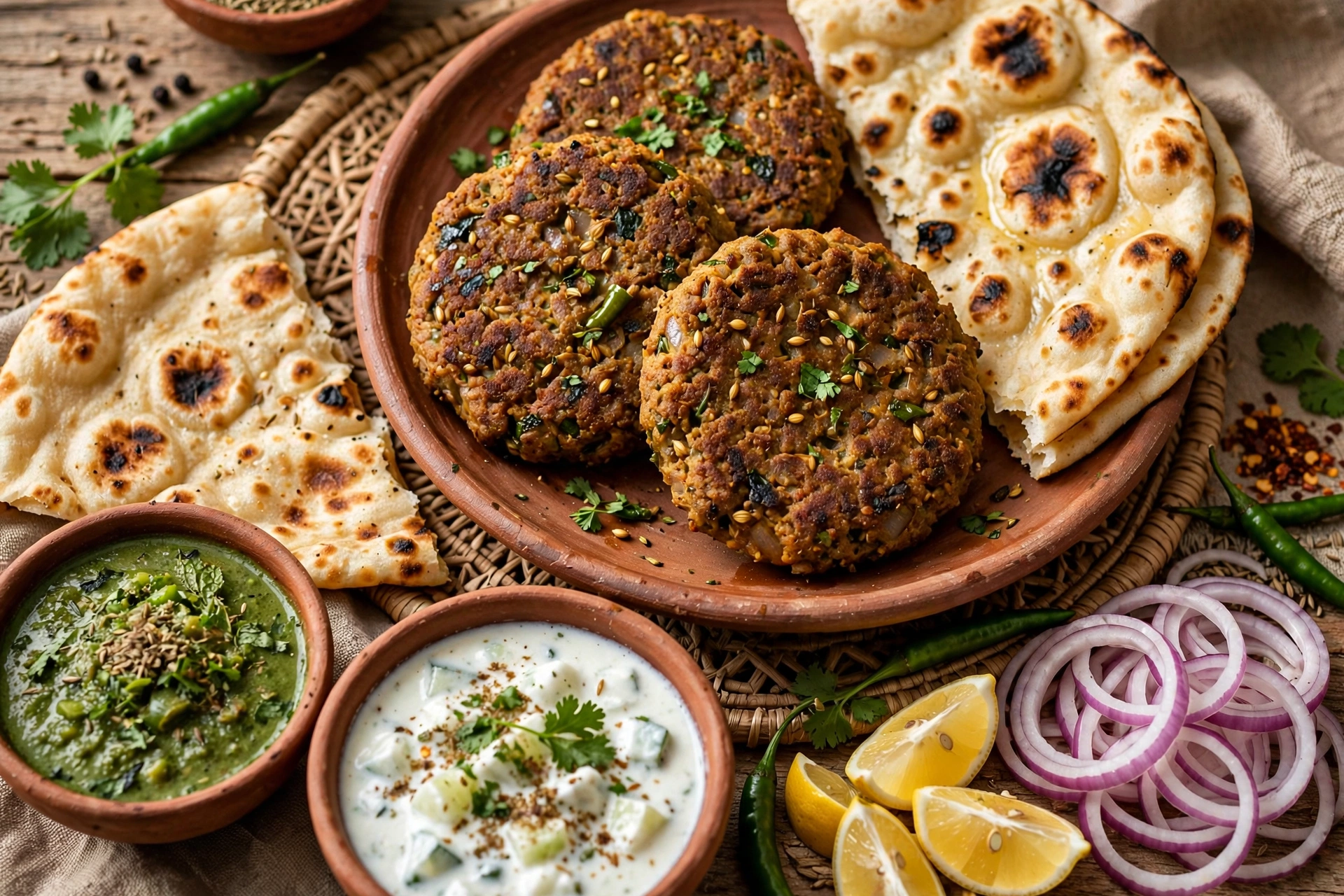
Traditionally, Chapli Kebab is served hot with naan, tandoori roti, or freshly baked bread, accompanied by mint chutney, yogurt raita, sliced onions, and lemon wedges. It is commonly enjoyed as a hearty lunch, dinner, or street food snack and is often prepared fresh to order at local restaurants and roadside eateries.
Today, Chapli Kebab can be found throughout Pakistan, but food lovers still consider Peshawar the best place to experience its authentic taste. As one of the country’s most celebrated traditional Pakistani foods, it represents the rich culinary traditions and hospitality of Khyber Pakhtunkhwa.
Chapli Kebab at a Glance
A crispy and juicy minced meat kebab that originated in Peshawar.
Main Ingredients
Minced beef or mutton, onions, tomatoes, coriander, cumin, pomegranate seeds, gram flour and spices.
Origin
Peshawar, Khyber Pakhtunkhwa, now enjoyed throughout Pakistan.
Best Served With
Naan, tandoori roti, mint chutney, yogurt raita, onions and lemon wedges.
Popular Occasions
Lunch, dinner, street food, family gatherings and food festivals.
7. Paya – A Traditional Slow-Cooked Delicacy
Paya is one of the oldest and most cherished traditional dishes of Pakistan, known for its rich flavor, nourishing broth, and slow-cooking method. The name Paya refers to the trotters (feet) of a goat, cow, or sheep, which are simmered for several hours with aromatic spices until the meat becomes tender and the broth develops a silky, gelatin-rich texture. This comforting dish has been enjoyed in South Asia for generations and remains a favorite breakfast and winter meal across Pakistan.
Preparing authentic paya requires patience and skill. The trotters are thoroughly cleaned before being cooked with onions, garlic, ginger, turmeric, red chili powder, coriander, cumin, cinnamon, cloves, cardamom, and garam masala. Slow cooking allows the collagen from the bones to dissolve into the broth, creating a thick, flavorful curry that is both hearty and satisfying.

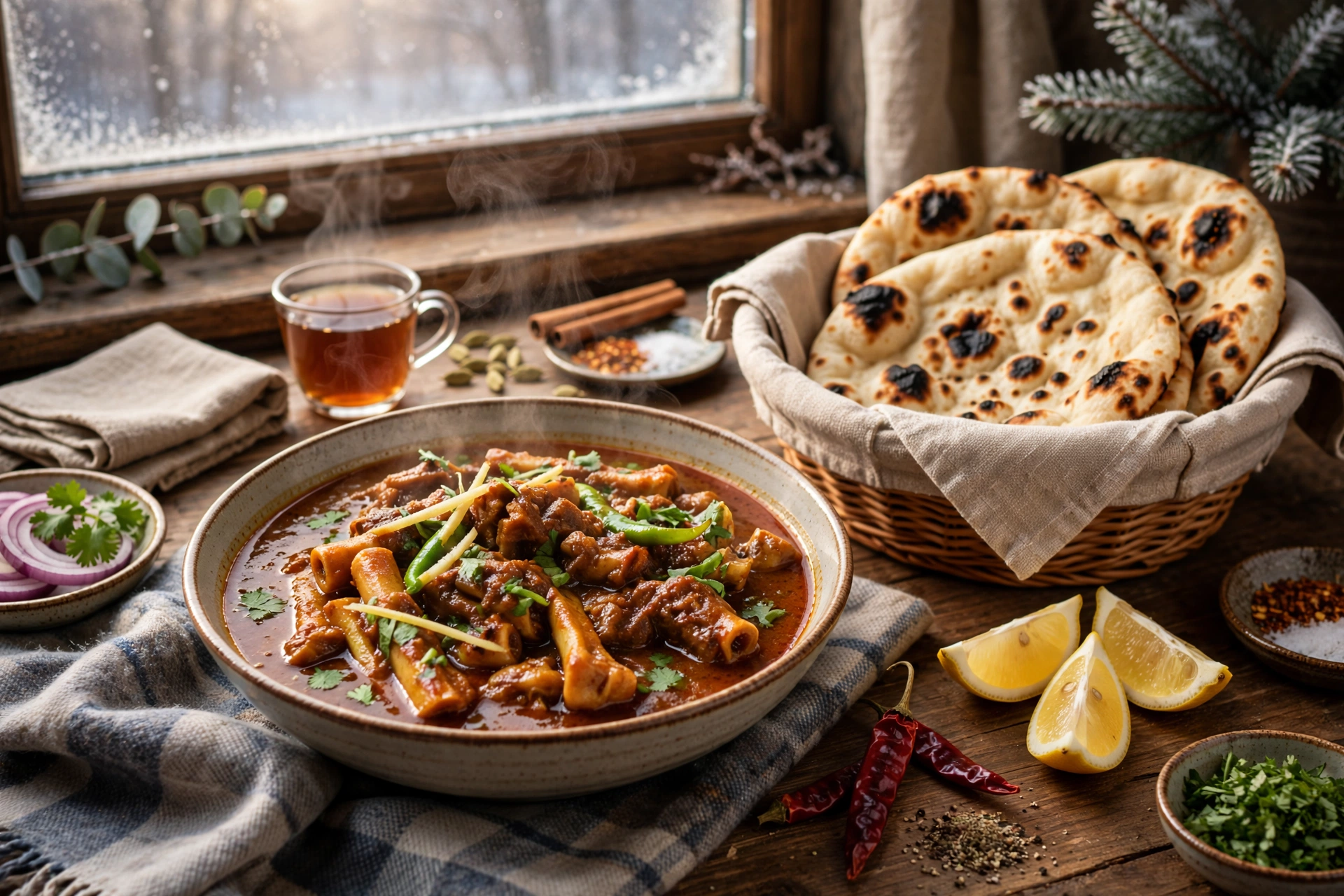
Paya is especially popular during the colder months when families gather to enjoy warm, comforting meals. It is also commonly served on weekends and during special family breakfasts. Fresh ginger, chopped coriander, green chilies, and a squeeze of lemon are added just before serving to enhance the dish’s aroma and flavor.
Although paya is enjoyed throughout Pakistan, cities such as Lahore, Karachi, and Peshawar are particularly famous for their traditional recipes. It is usually served with freshly baked naan or tandoori roti, making it one of the most satisfying meals in traditional Pakistani cuisine. For many food lovers, paya is more than just a dish—it is a culinary tradition that reflects Pakistan’s love for slow-cooked, flavorful food.
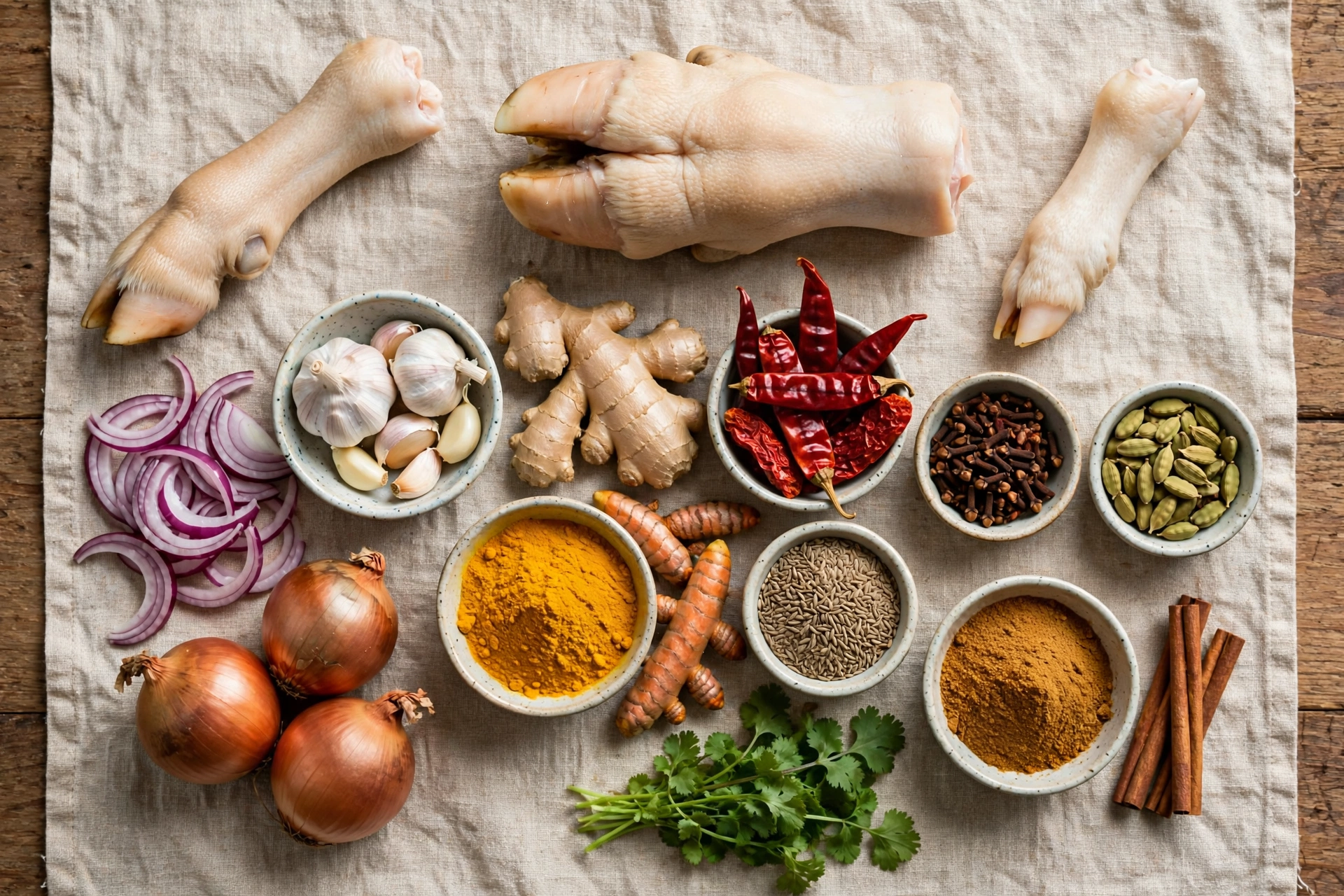
Traditional Paya is often simmered for 6 to 10 hours. This slow-cooking process allows collagen from the bones to enrich the broth naturally, giving the dish its signature silky texture and deep, comforting flavor.
8. Halwa Puri – Pakistan’s Iconic Traditional Breakfast
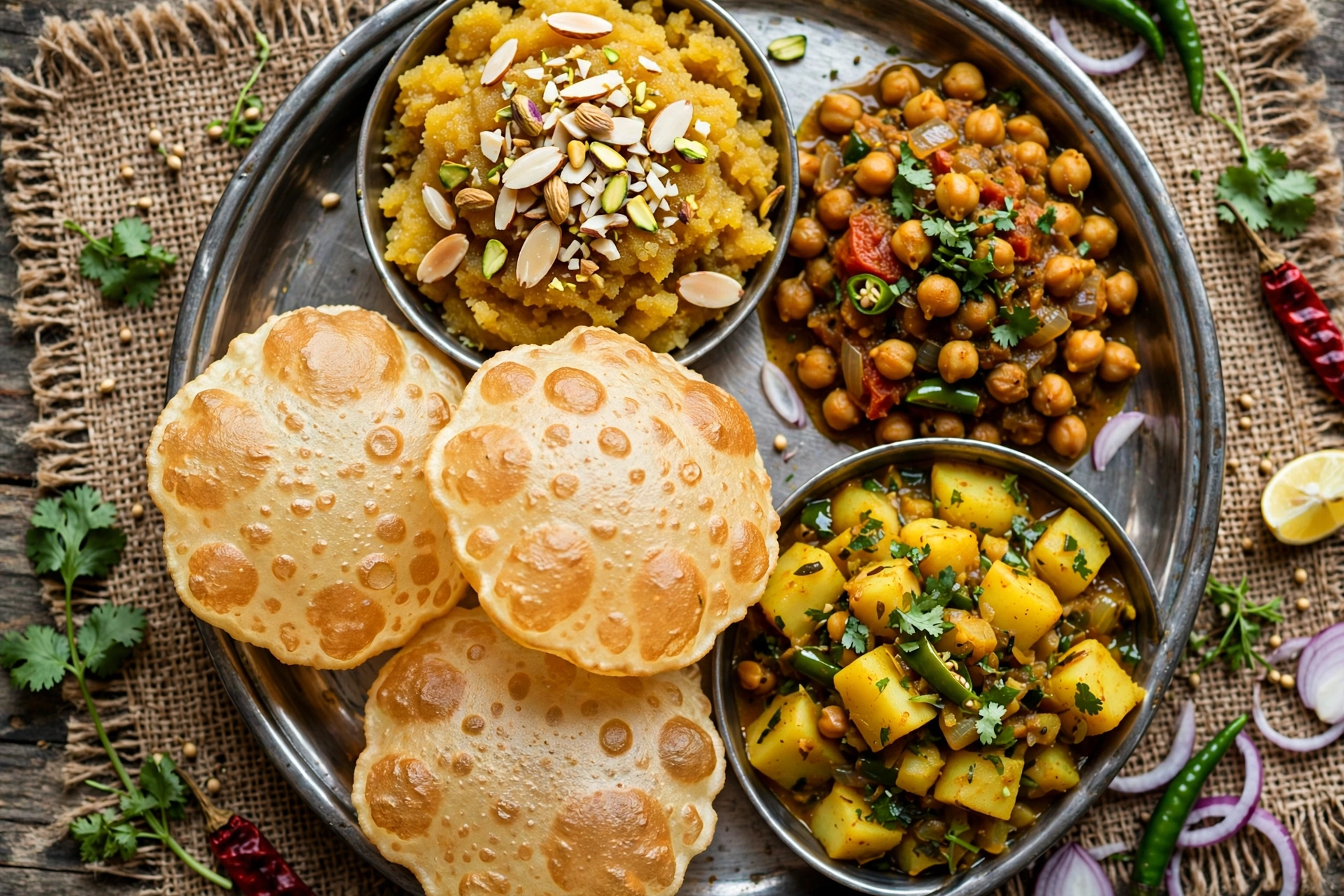
Halwa Puri is one of the most popular traditional dishes of Pakistan, especially enjoyed as a hearty breakfast on weekends, public holidays, and festive occasions. This delicious combination consists of crispy deep-fried puri, sweet semolina halwa, spicy chickpea curry (chana masala), and flavorful potato curry (aloo bhaji). The perfect balance of sweet and savory flavors has made Halwa Puri a favorite breakfast across the country.
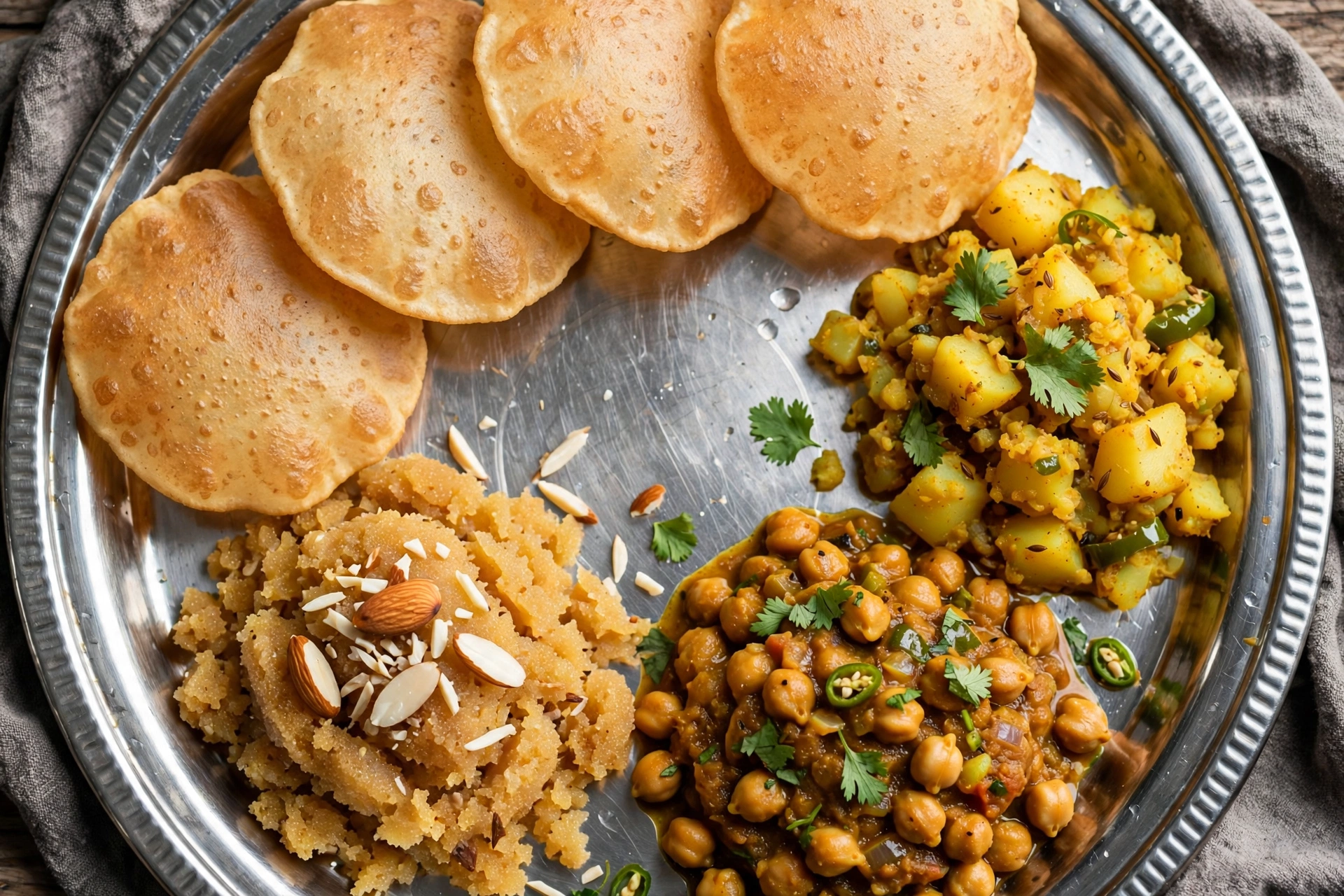
The star of the meal is the puri, a soft wheat flour dough that is rolled into thin circles and deep-fried until it puffs into a light, golden bread. It is served alongside suji halwa, a fragrant dessert made from semolina, ghee, sugar, and cardamom, often garnished with raisins, almonds, pistachios, or cashews. The meal is completed with spicy chickpeas and potatoes cooked in a blend of traditional Pakistani spices, creating a satisfying contrast to the sweetness of the halwa.

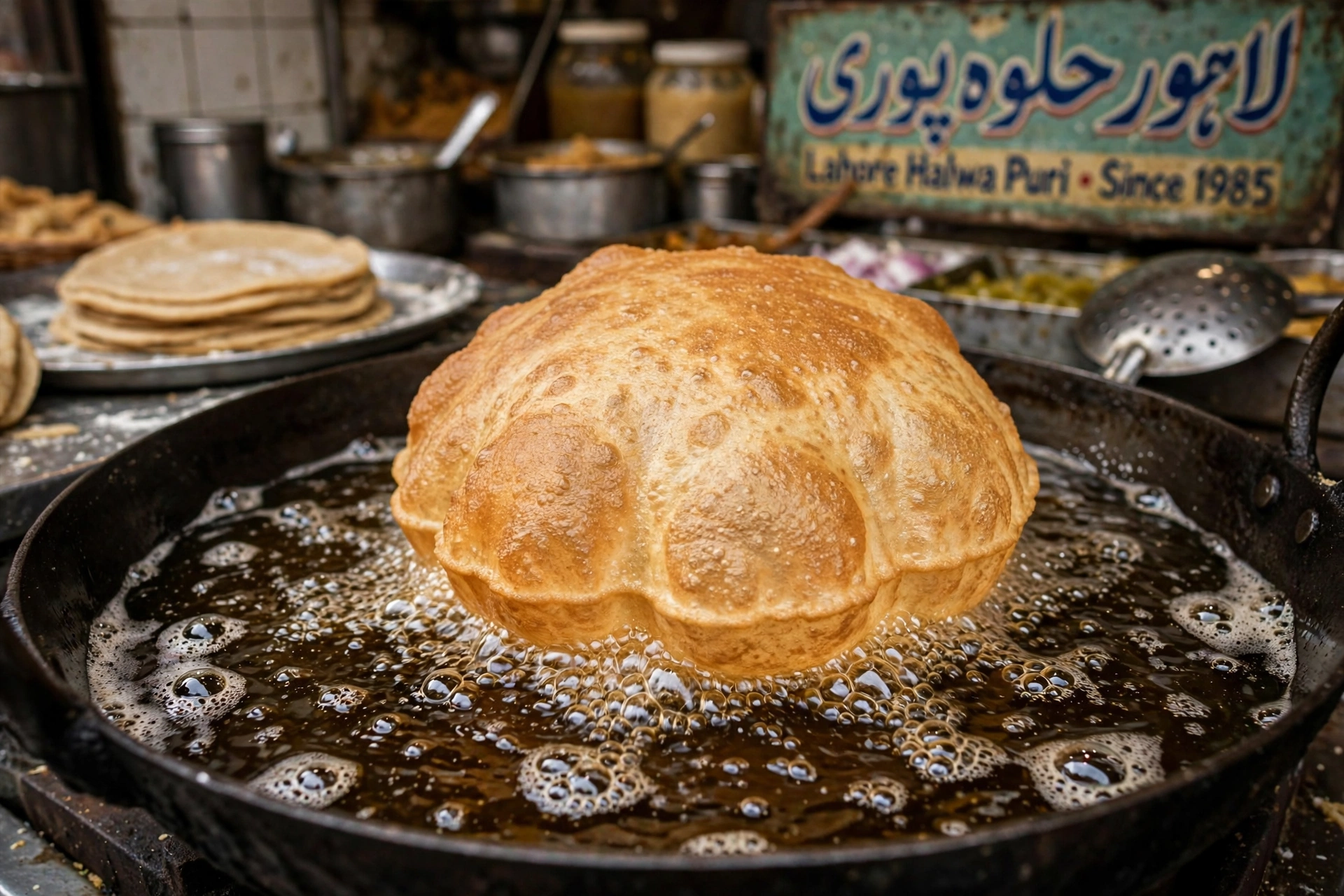
Although Halwa Puri is available throughout Pakistan, cities such as Lahore, Karachi, Rawalpindi, and Faisalabad are particularly famous for serving authentic versions of this traditional breakfast. Many restaurants and roadside eateries prepare it fresh every morning, attracting long queues of customers eager to enjoy this classic meal with family and friends.
A traditional Halwa Puri breakfast is often accompanied by a glass of lassi or a cup of hot Pakistani chai, making it a complete and comforting meal. Whether served during Eid celebrations, family gatherings, or a relaxing Sunday morning, Halwa Puri continues to be one of the most cherished examples of traditional Pakistani food and a symbol of the country’s warm hospitality and vibrant food culture.
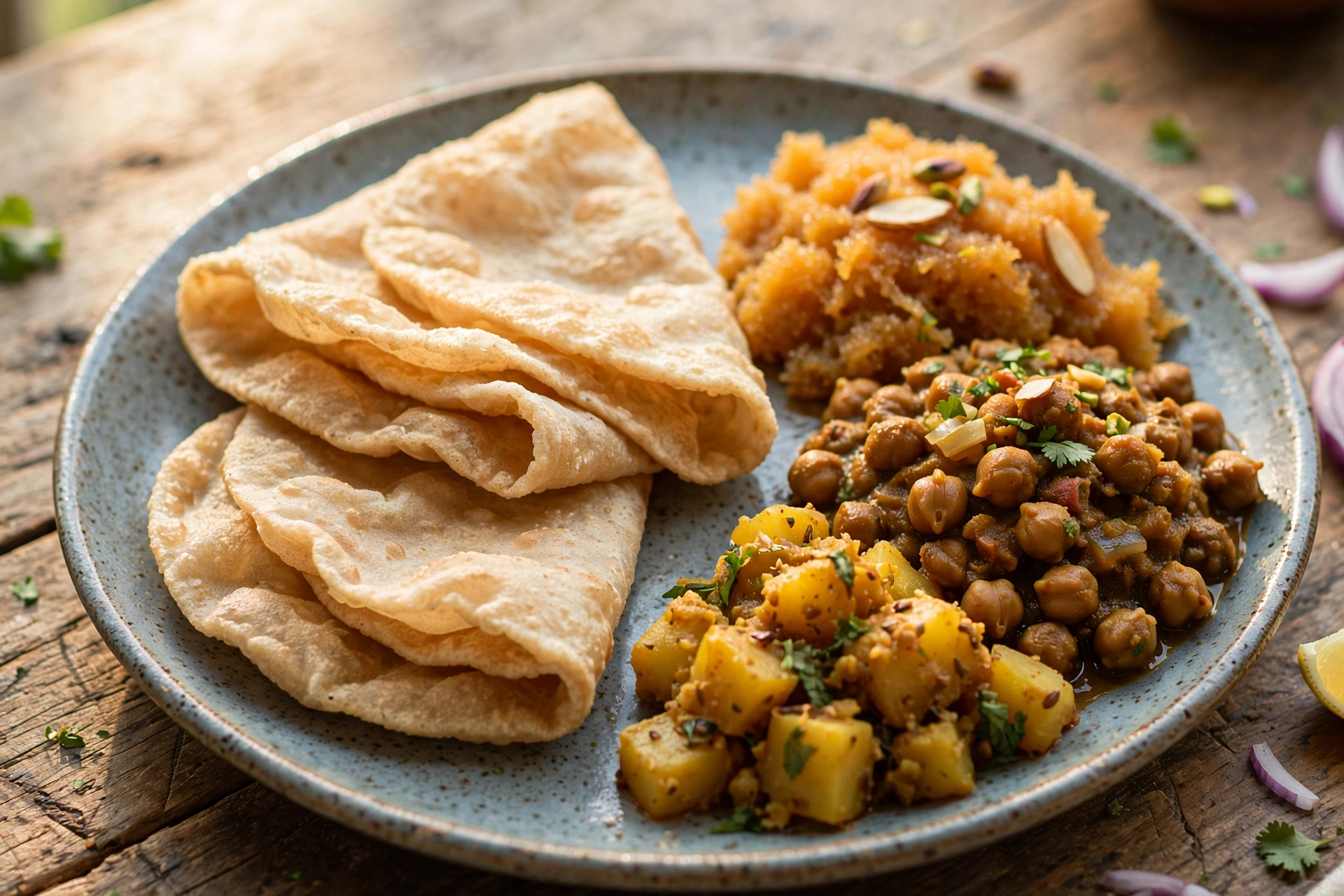
Halwa Puri is considered Pakistan's most popular weekend breakfast. Many famous restaurants begin serving it early in the morning, and it's common for families to gather together to enjoy this traditional meal on Sundays and public holidays.
9. Saag with Makki Ki Roti – Punjab’s Traditional Comfort Food
Saag with Makki Ki Roti is one of the most beloved traditional dishes of Pakistan, particularly in the fertile province of Punjab. Celebrated for its wholesome ingredients and rich flavor, this classic combination has been enjoyed for generations, especially during the winter season when fresh mustard greens are harvested. It represents the simplicity and warmth of rural Pakistani cuisine while remaining a favorite in homes and restaurants across the country.
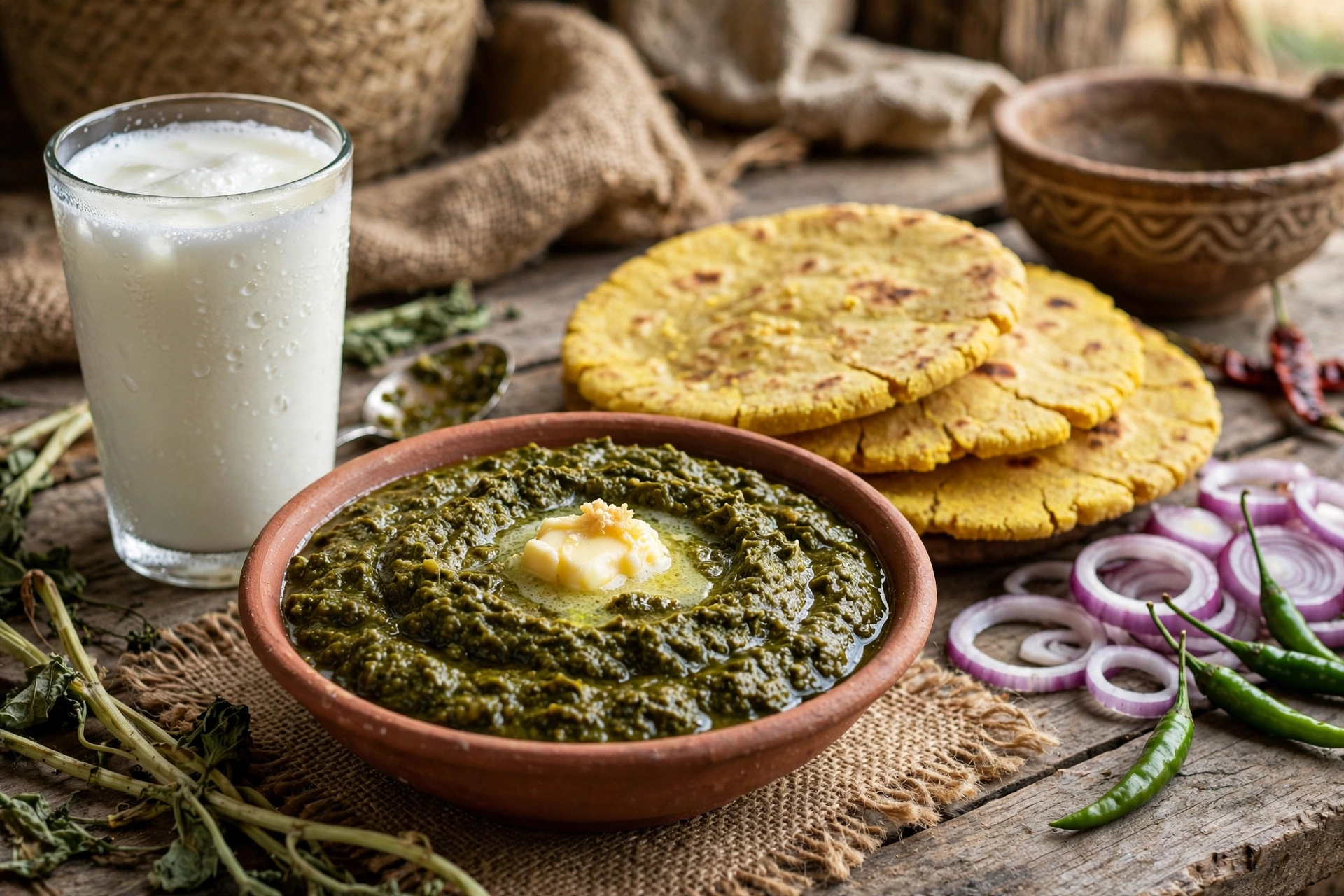
The main component of the dish is saag, a thick curry prepared from mustard greens, often blended with spinach and bathua (lamb’s quarters) to create a smooth and creamy texture. The greens are slow-cooked with garlic, ginger, onions, green chilies, and traditional spices before being finished with butter or desi ghee for added richness. This slow-cooking method enhances the natural flavors of the vegetables while preserving their nutritional value.
Saag is traditionally served with Makki Ki Roti, a rustic flatbread made from cornmeal. The slightly coarse texture and mild sweetness of the bread perfectly complement the savory, buttery saag. A dollop of fresh homemade butter, slices of onion, green chilies, and a glass of chilled lassi often complete the meal, creating an authentic Punjabi dining experience.
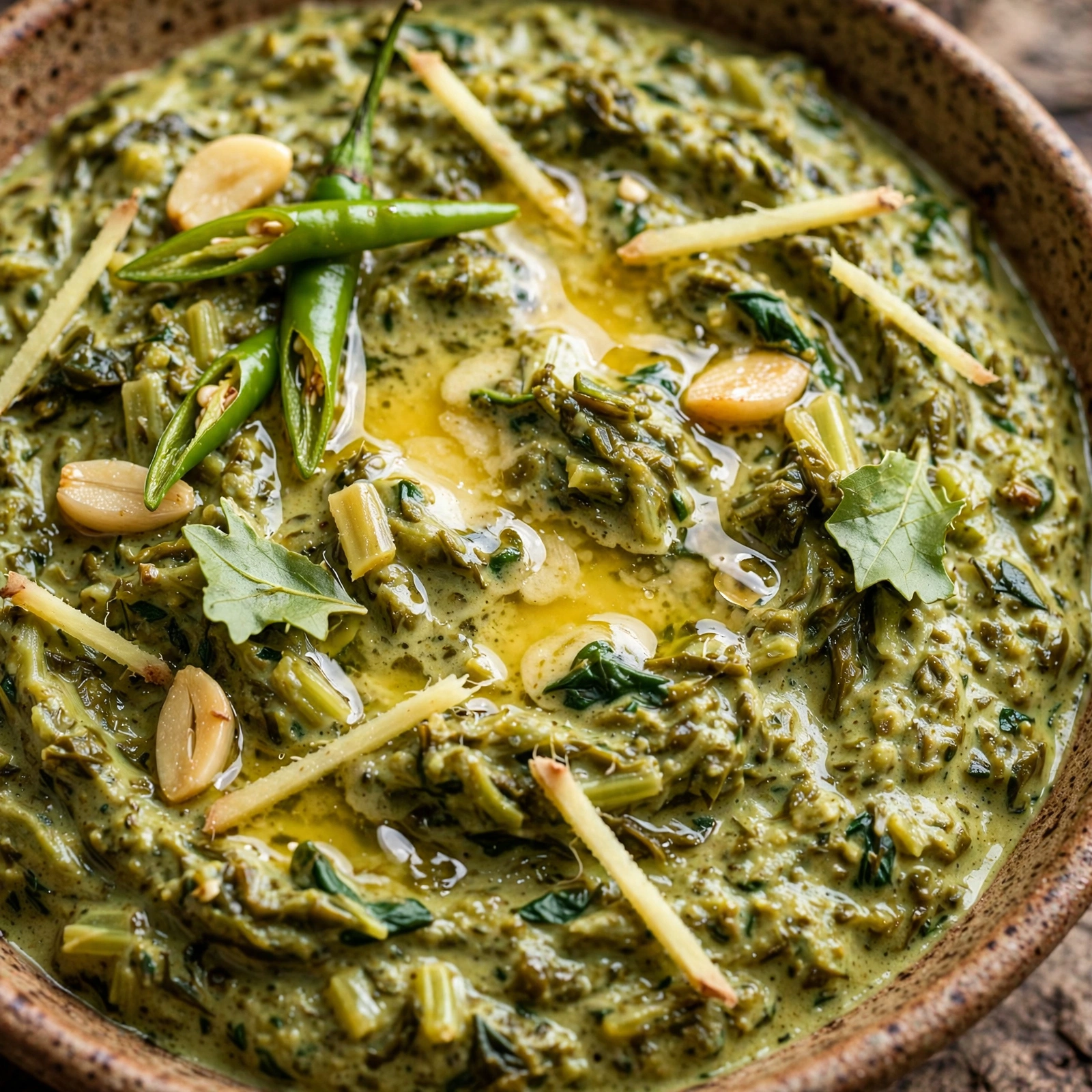

Although Saag with Makki Ki Roti is especially popular during the winter months, it has become a year-round favorite throughout Pakistan. The dish is valued not only for its comforting taste but also for its nutritional benefits, as mustard greens are rich in vitamins, minerals, fiber, and antioxidants. Whether enjoyed in a village home or a traditional restaurant, this timeless recipe remains one of the finest examples of traditional Pakistani food and reflects the agricultural heritage and hospitality of Punjab.
Saag with Makki Ki Roti is traditionally considered a winter specialty because fresh mustard greens are harvested during the colder months. In many Punjabi households, it is served with homemade butter or desi ghee for an even richer flavor.
10. Kheer – Pakistan’s Beloved Traditional Rice Pudding
Kheer is one of the most cherished traditional dishes of Pakistan, enjoyed as a classic dessert during festivals, weddings, family gatherings, and religious celebrations. Made with simple ingredients such as rice, milk, and sugar, this creamy rice pudding has been a part of Pakistani cuisine for centuries. Its rich flavor, smooth texture, and aromatic fragrance make it a favorite dessert among people of all ages.
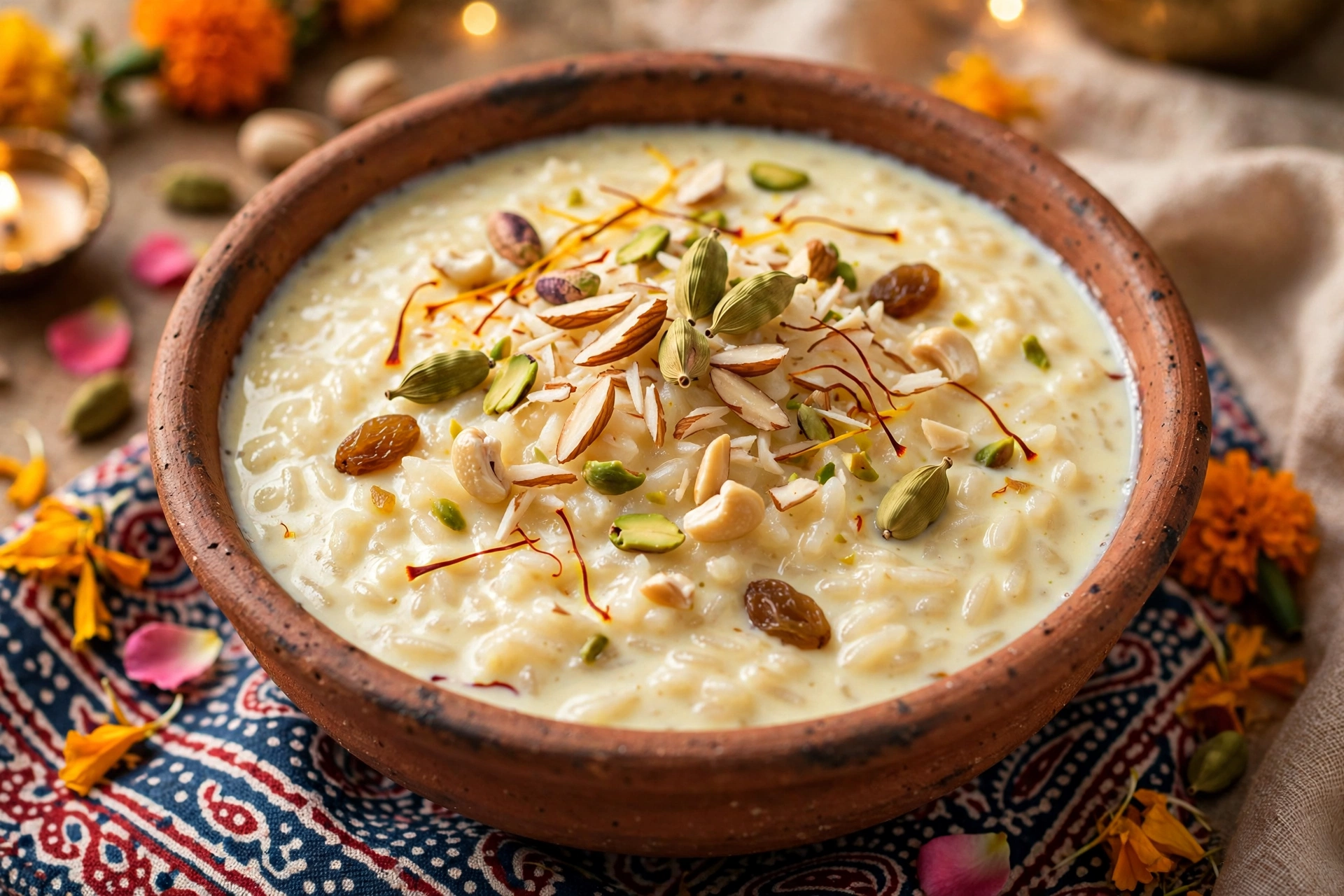
Authentic Pakistani kheer is prepared by slowly simmering full-fat milk with rice over low heat until the grains become soft and the milk thickens into a creamy consistency. Sugar is then added along with fragrant cardamom, while saffron is sometimes included to enhance both the flavor and color. The dessert is traditionally garnished with chopped almonds, pistachios, cashews, and raisins, giving it a delightful crunch and an elegant presentation.
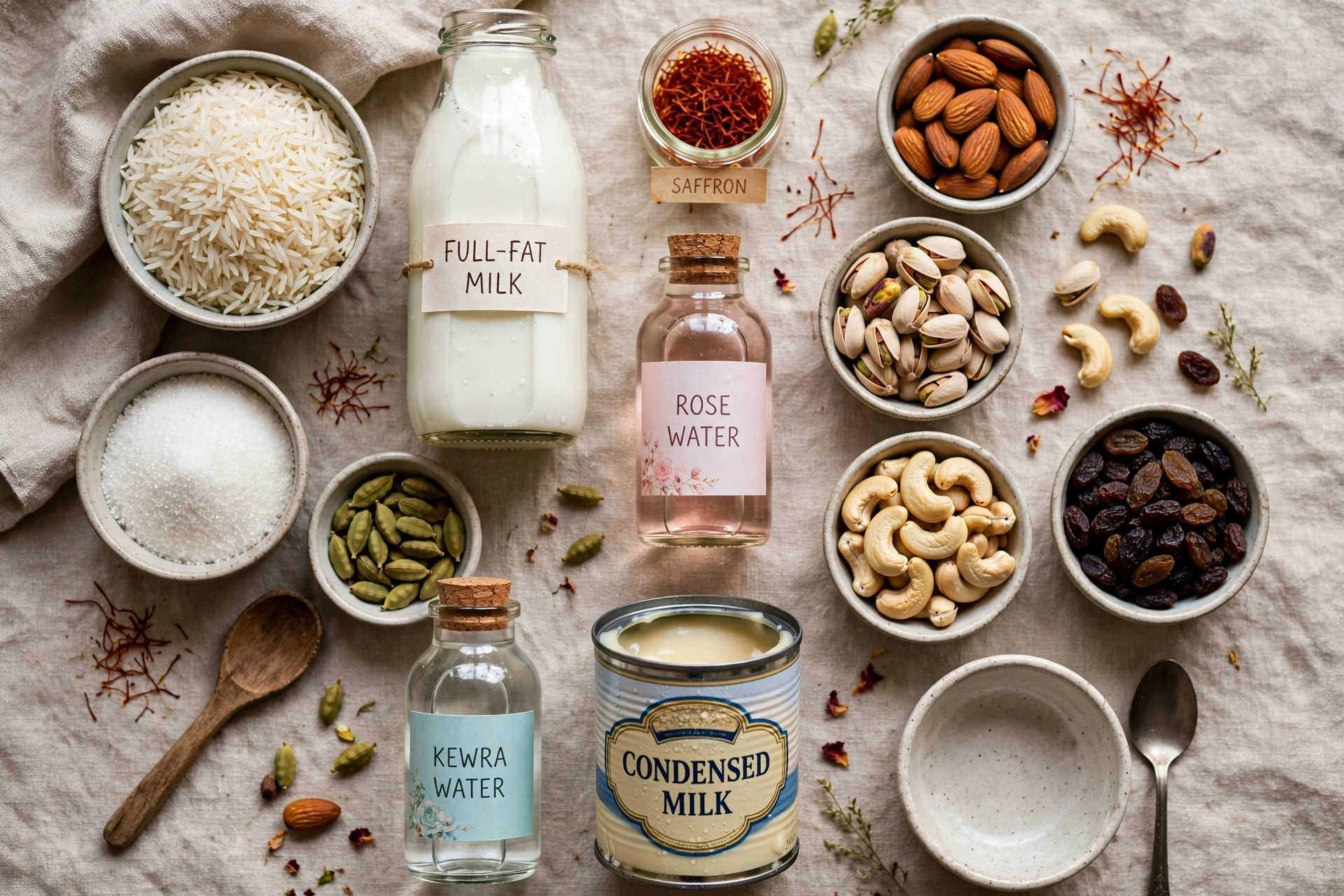
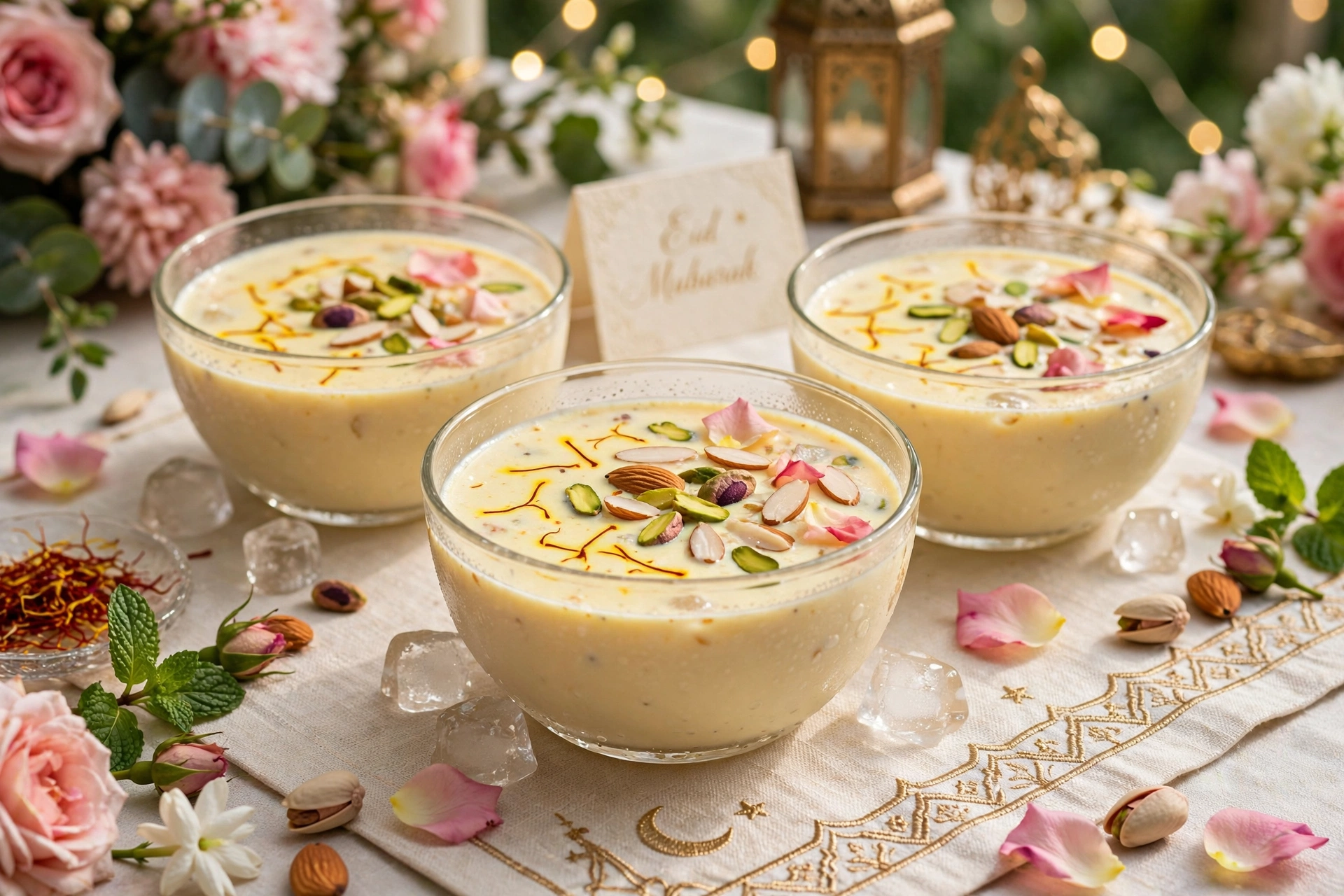
One of the reasons kheer remains so popular is its versatility. It can be served warm during the winter months or chilled in the summer, making it suitable for every season. Every household also has its own family recipe, with some adding rose water, kewra essence, or condensed milk to create a richer taste.
Kheer is commonly prepared for Eid celebrations, weddings, birthdays, and other special occasions as a symbol of hospitality and celebration. It is often served after a hearty meal to provide a sweet and satisfying finish. Although similar rice puddings exist in many countries, Pakistani kheer is distinguished by its generous use of aromatic spices and traditional garnishes, making it one of the finest examples of traditional Pakistani food.
Kheer has been enjoyed across South Asia for hundreds of years and is considered one of Pakistan's most traditional desserts. Many families prepare it during Eid, weddings, Ramadan, and other festive celebrations as a symbol of joy and hospitality.
11. Lassi – Pakistan’s Traditional Yogurt Drink
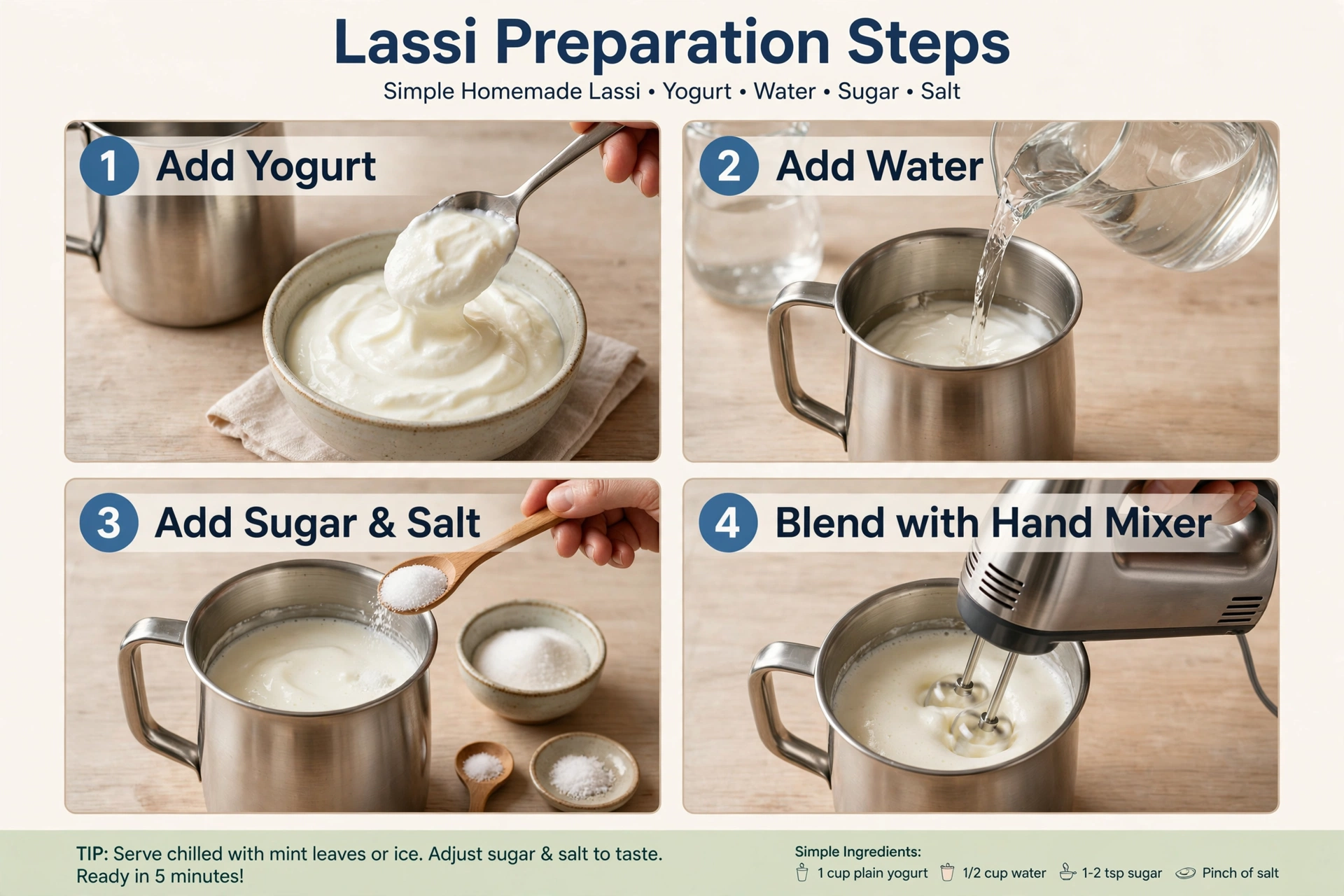
Lassi is one of the most refreshing traditional drinks of Pakistan and an important part of the country’s culinary heritage. Made from fresh yogurt, water, and a touch of sugar or salt, lassi has been enjoyed for centuries as a cooling beverage that perfectly complements Pakistan’s rich and spicy cuisine. It is especially popular during the hot summer months, when it helps keep the body hydrated while aiding digestion.
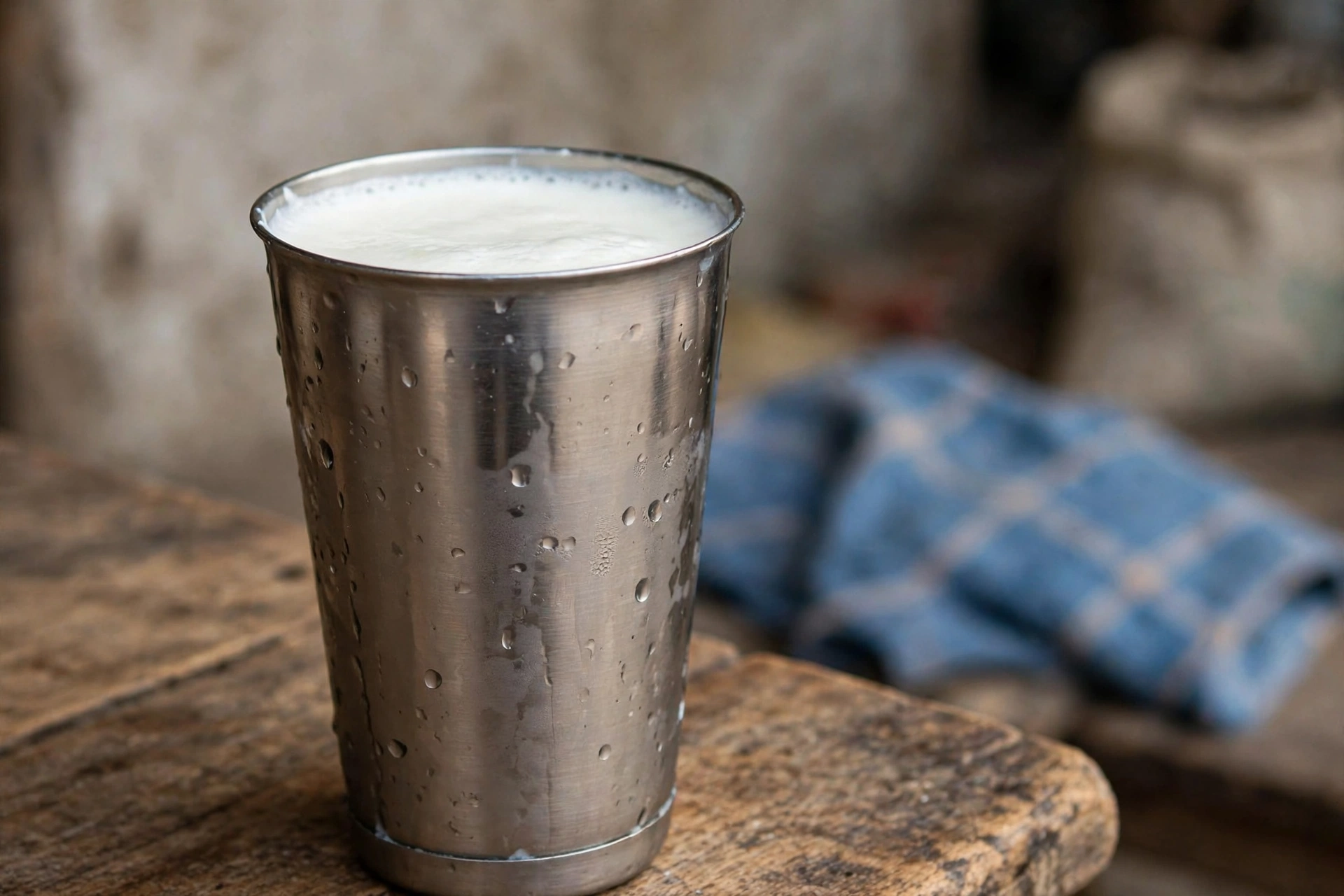
The most common varieties are sweet lassi and salted lassi. Sweet lassi is blended with sugar and sometimes flavored with rose water, cardamom, or fresh mango during the summer season. Salted lassi, on the other hand, has a light savory taste and is often enjoyed alongside spicy meals such as biryani, nihari, karahi, and kebabs. Both versions are prepared using thick yogurt, giving the drink its creamy texture and rich nutritional value.
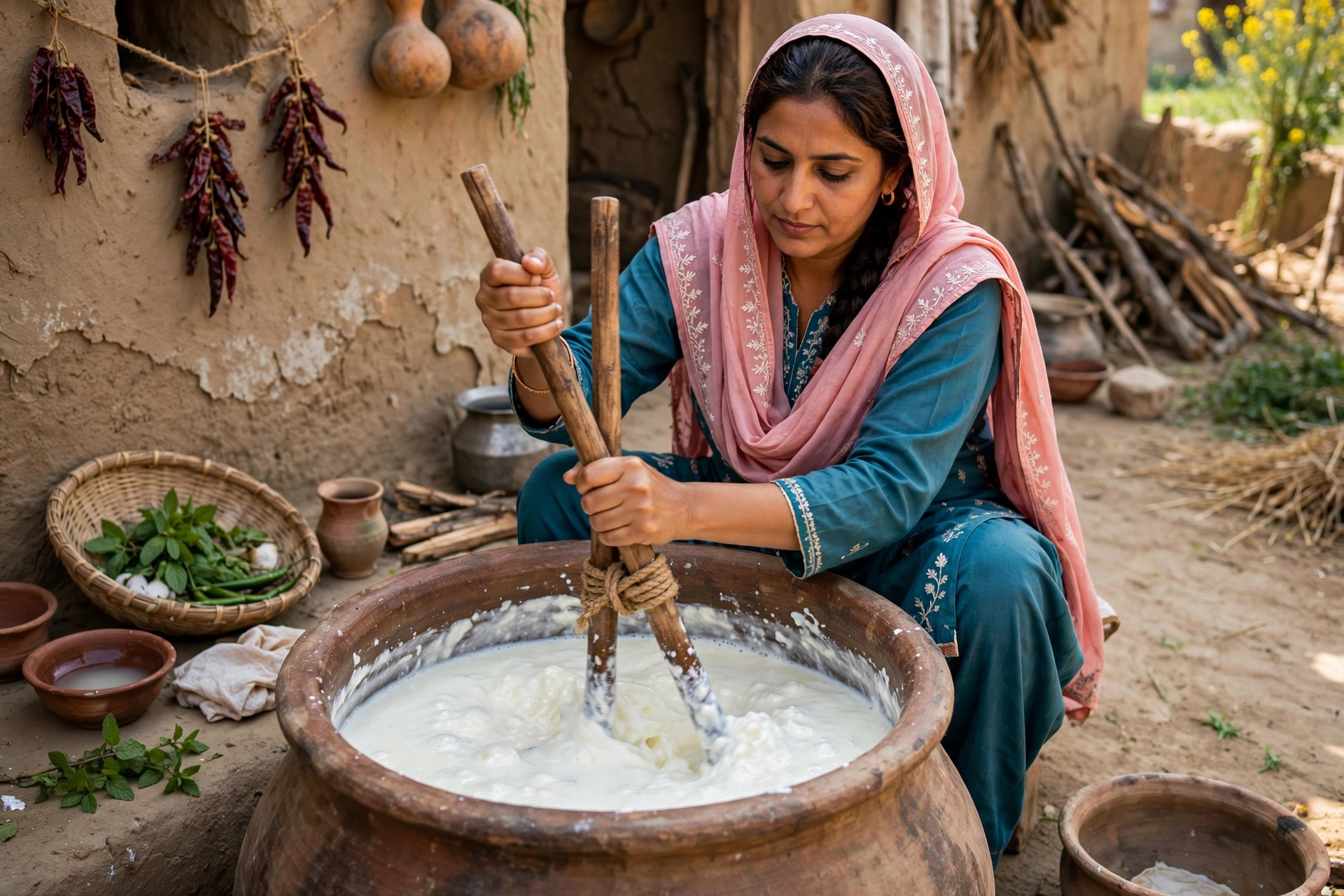
Punjab is particularly famous for its traditional lassi, where it is often served in large clay cups topped with a layer of fresh cream or homemade butter. In villages and rural areas, lassi remains a daily staple and is frequently enjoyed with parathas, Halwa Puri, or Saag with Makki Ki Roti. Its refreshing taste and natural ingredients have made it one of Pakistan’s most beloved beverages.
Beyond its delicious flavor, lassi is valued for its health benefits. Yogurt is naturally rich in calcium, protein, and probiotics that support digestive health and contribute to a balanced diet. Whether served at a roadside dhaba, a traditional restaurant, or a family gathering, lassi remains an essential part of traditional Pakistani food and reflects the country’s culture of hospitality and wholesome home-cooked meals.
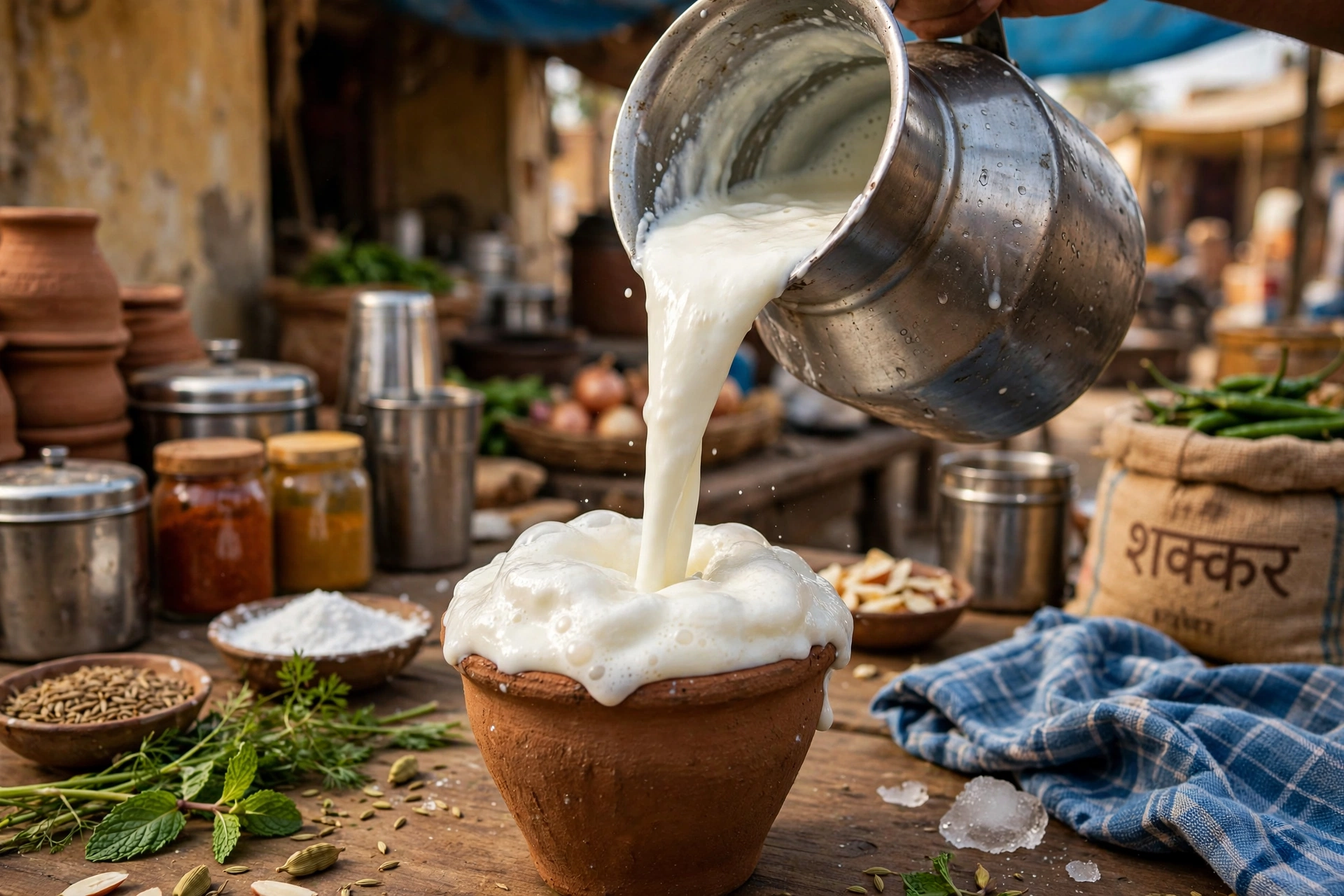
Punjabi Lassi is traditionally served in large clay cups known as kulhars. The clay helps keep the drink naturally cool and gives it a distinctive earthy aroma, making it even more refreshing during Pakistan's hot summer months.
12. Seekh Kebab – Pakistan’s Famous Grilled Delicacy
Seekh Kebab is one of the most flavorful traditional dishes of Pakistan, loved for its smoky aroma, juicy texture, and perfectly balanced spices. The name “seekh” comes from the metal skewer on which the kebabs are shaped before being grilled over charcoal or cooked in a tandoor. Whether served as a starter, a street food favorite, or part of a festive feast, Seekh Kebab has become an essential dish in Pakistani cuisine.
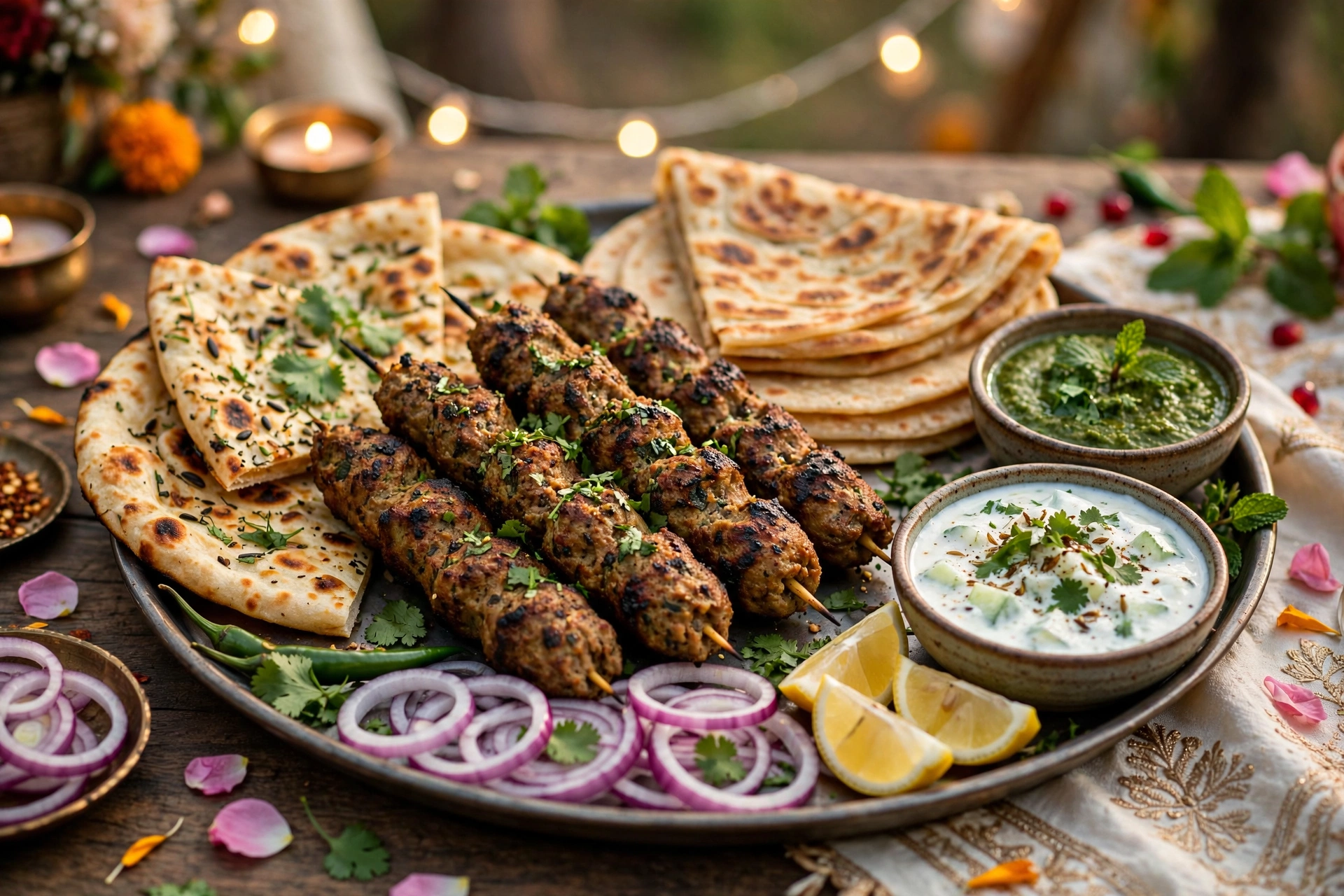
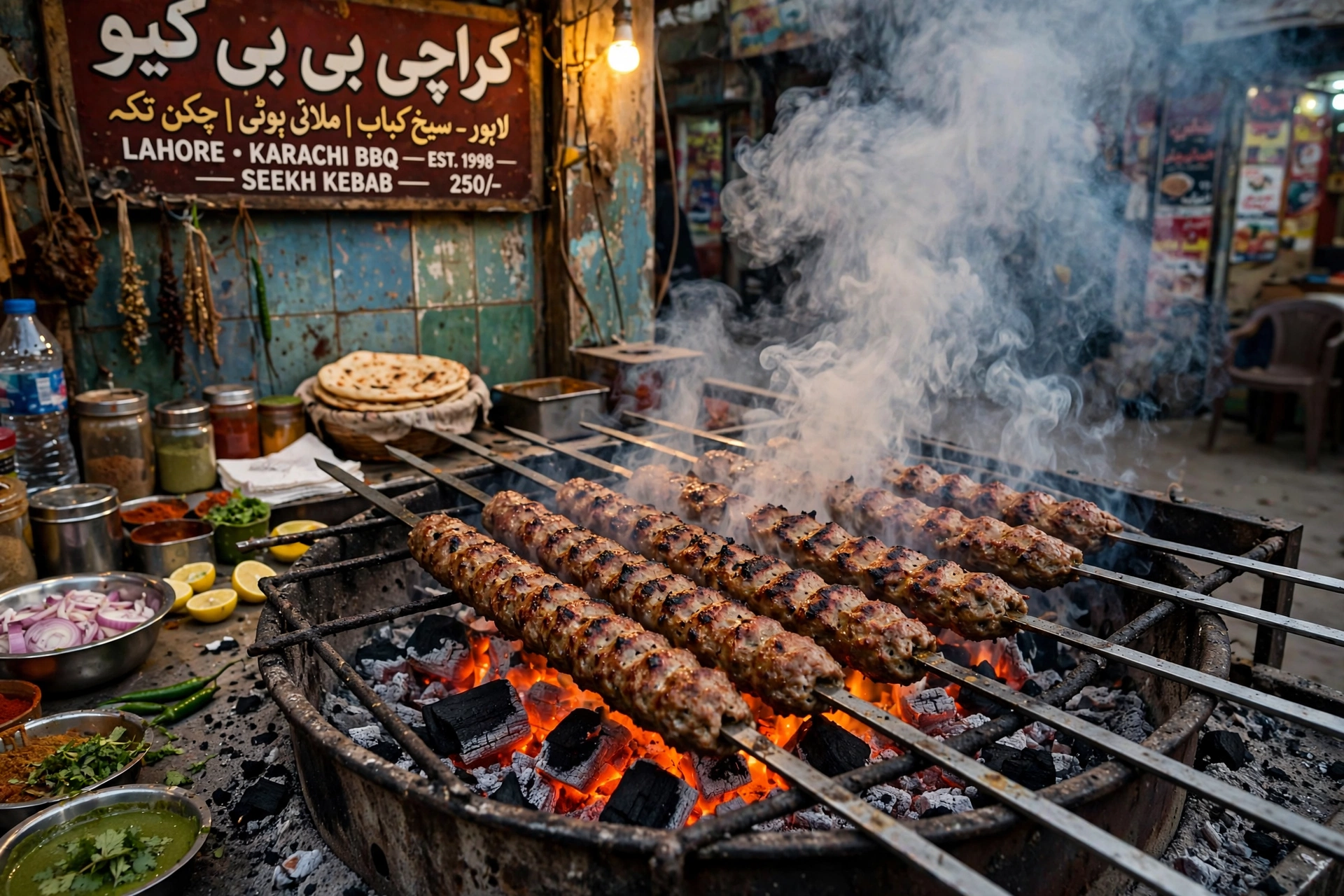
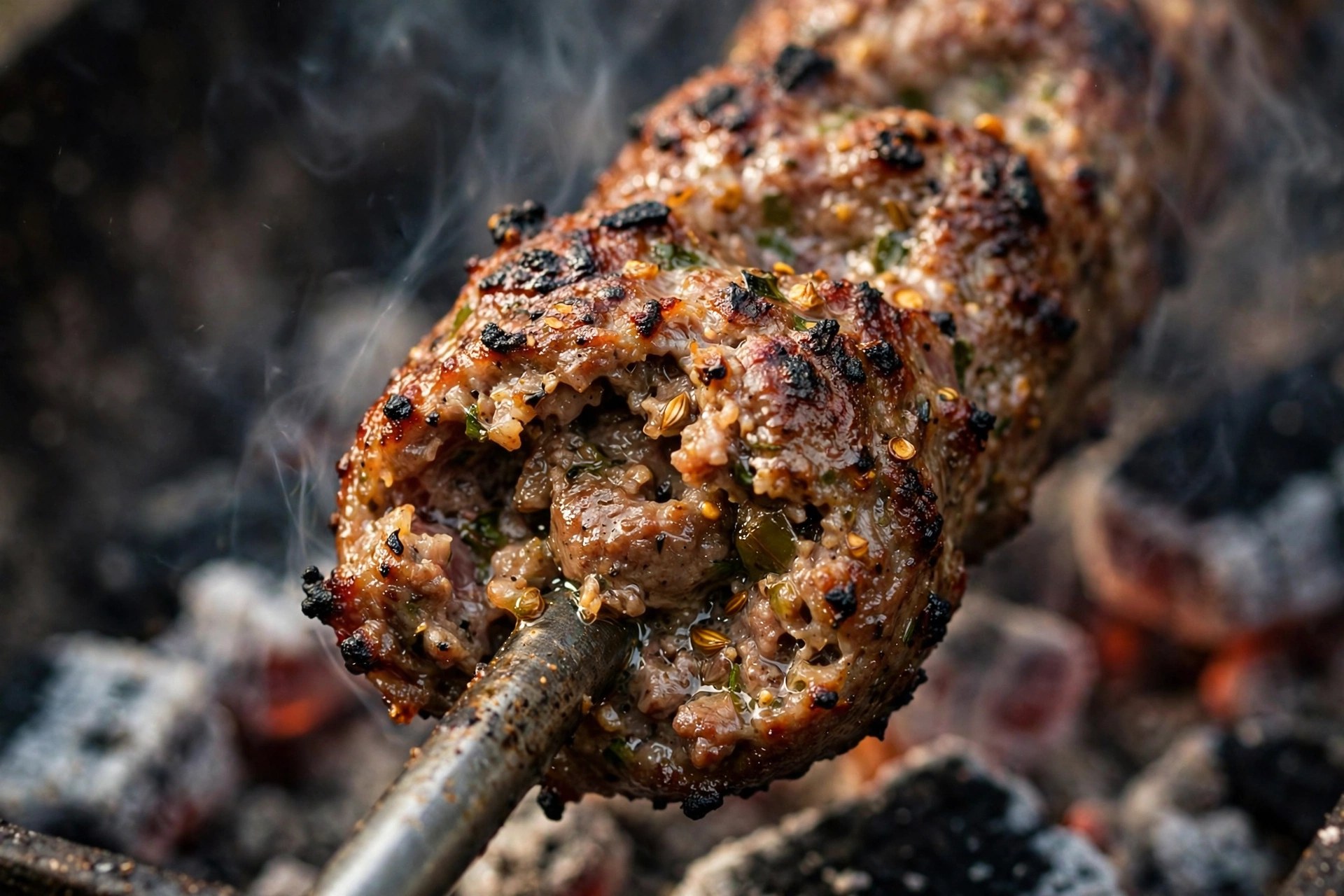
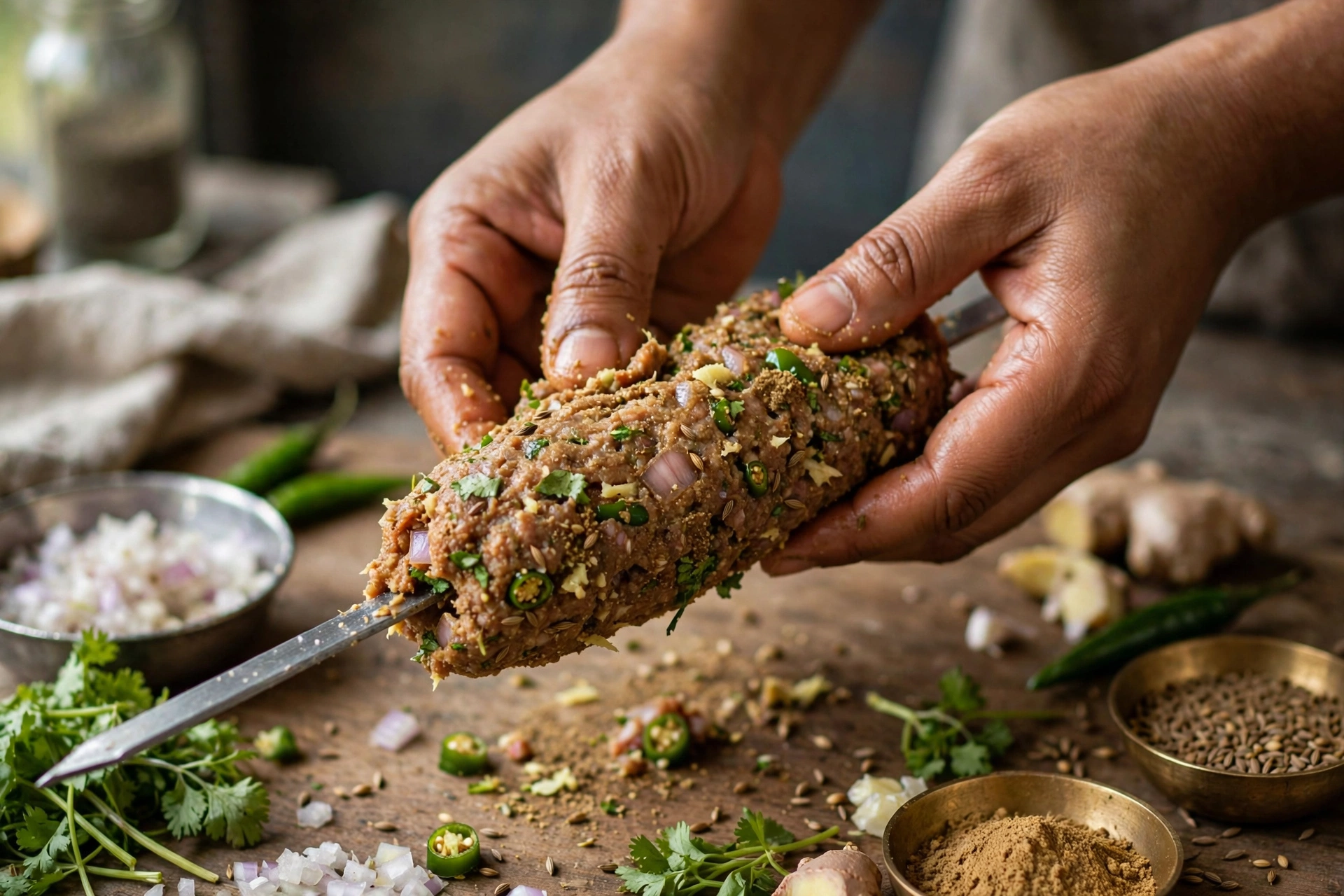
Authentic Pakistani Seekh Kebab is prepared using finely minced beef, mutton, or chicken mixed with onions, garlic, ginger, fresh coriander, green chilies, and a blend of aromatic spices such as cumin, coriander powder, garam masala, black pepper, and red chili flakes. The seasoned meat is carefully molded around long metal skewers before being grilled over hot charcoal, giving the kebabs their signature smoky flavor and tender texture.
The secret to a great Seekh Kebab lies in its balance of spices and cooking technique. Grilling over charcoal creates a slightly crispy exterior while keeping the inside moist and succulent. Fresh herbs and spices ensure every bite is packed with flavor without overpowering the natural taste of the meat.
Seekh Kebabs are traditionally served with naan, paratha, or chapati, accompanied by mint chutney, yogurt raita, sliced onions, and fresh lemon wedges. They are a popular choice during Eid celebrations, weddings, family barbecues, and restaurant dinners. Today, nearly every city in Pakistan has its own variation, with Lahore, Karachi, and Islamabad being particularly famous for their expertly grilled kebabs.
As one of the country’s most recognizable traditional Pakistani foods, Seekh Kebab represents Pakistan’s rich barbecue culture and the timeless appeal of charcoal-grilled cuisine.
Traditional Seekh Kebabs are cooked over glowing charcoal, which gives them their distinctive smoky aroma. While modern restaurants often use gas grills, many food lovers believe charcoal grilling produces the most authentic Pakistani flavor.
13. Kabuli Pulao – A Fragrant Rice Dish from Northern Pakistan
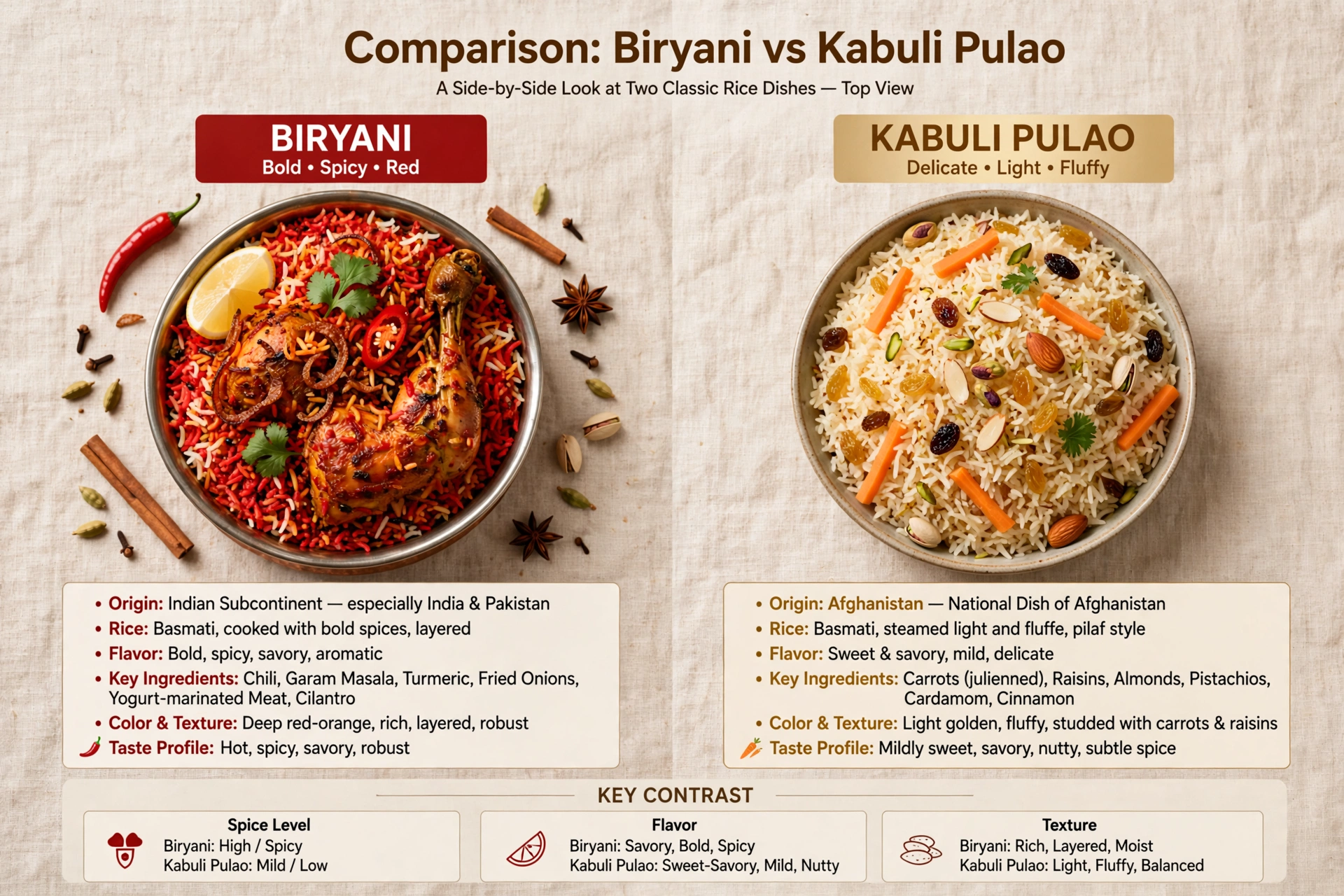
Kabuli Pulao is one of the most flavorful traditional dishes of Pakistan, especially popular in Khyber Pakhtunkhwa and the northern regions of the country. Renowned for its delicate aroma and perfectly balanced flavors, this rice dish differs from biryani by emphasizing subtle spices rather than intense heat. Its elegant presentation and rich taste have made it a favorite for weddings, family celebrations, and festive gatherings.

Authentic Kabuli Pulao is prepared with premium basmati rice cooked alongside tender lamb, beef, or chicken in a lightly seasoned broth. Unlike biryani, which relies on bold layers of spices, Kabuli Pulao uses a gentler blend of cumin, cardamom, cinnamon, cloves, and black pepper to enhance the natural flavors of the meat and rice. The dish is traditionally topped with caramelized carrots, sweet raisins, and sometimes almonds or pistachios, creating a delightful contrast of savory and sweet flavors.
The slow cooking process allows the rice to absorb the flavorful broth while remaining light and fluffy. Every grain is infused with aromatic spices, making Kabuli Pulao a refined and satisfying meal that highlights the importance of quality ingredients rather than excessive seasoning.
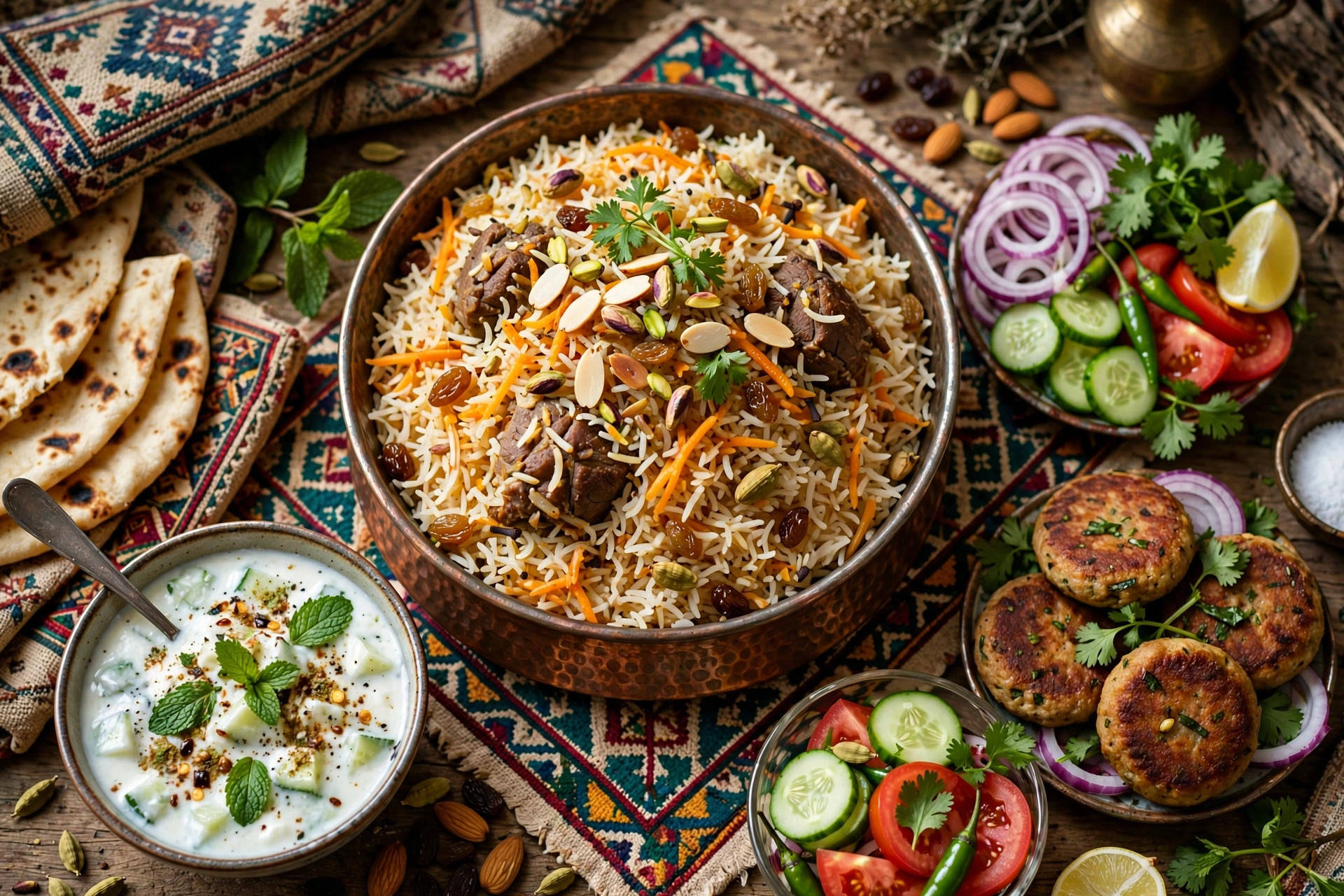
Kabuli Pulao is commonly served with fresh salad, yogurt raita, or a simple meat curry. Although it shares historical roots with Afghan cuisine, it has become a cherished part of Pakistan’s culinary landscape, particularly in cities such as Peshawar and other parts of Khyber Pakhtunkhwa. Today, it continues to be enjoyed throughout the country as one of the finest examples of traditional Pakistani food, appreciated for its rich aroma, elegant presentation, and unforgettable flavor.
Unlike biryani, Kabuli Pulao relies on mild spices and the natural flavors of meat and rice. Its signature topping of caramelized carrots and raisins gives the dish a unique balance of sweet and savory flavors that has made it popular across northern Pakistan.
14. Gulab Jamun – Pakistan’s Favorite Traditional Sweet
No celebration in Pakistan feels complete without Gulab Jamun, one of the most loved traditional dishes of Pakistan in the dessert category. Soft, golden-brown, and soaked in fragrant sugar syrup, Gulab Jamun has become a staple at weddings, Eid celebrations, family gatherings, and festive occasions. Its rich flavor and melt-in-the-mouth texture have made it one of the country’s most popular sweets for generations.
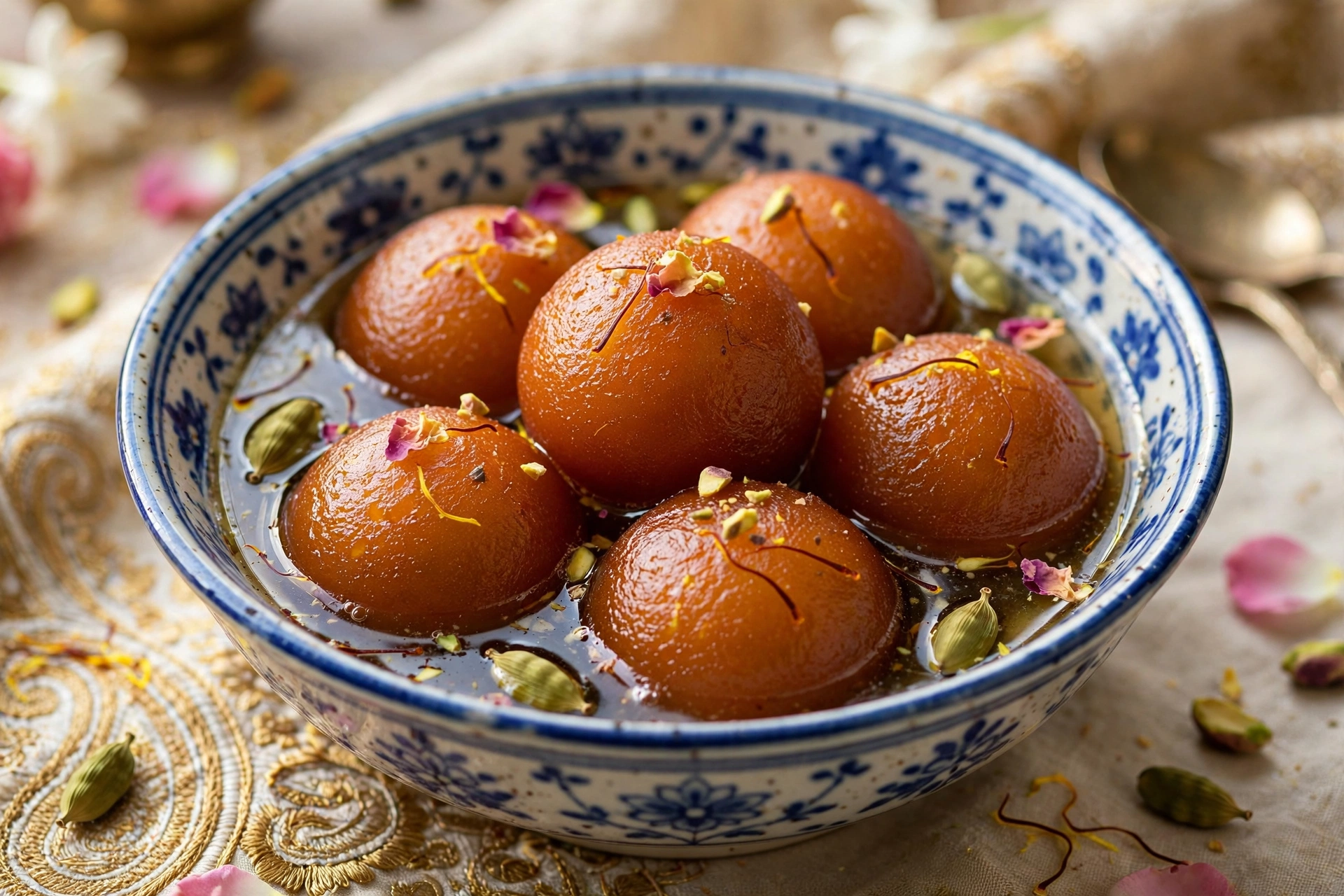
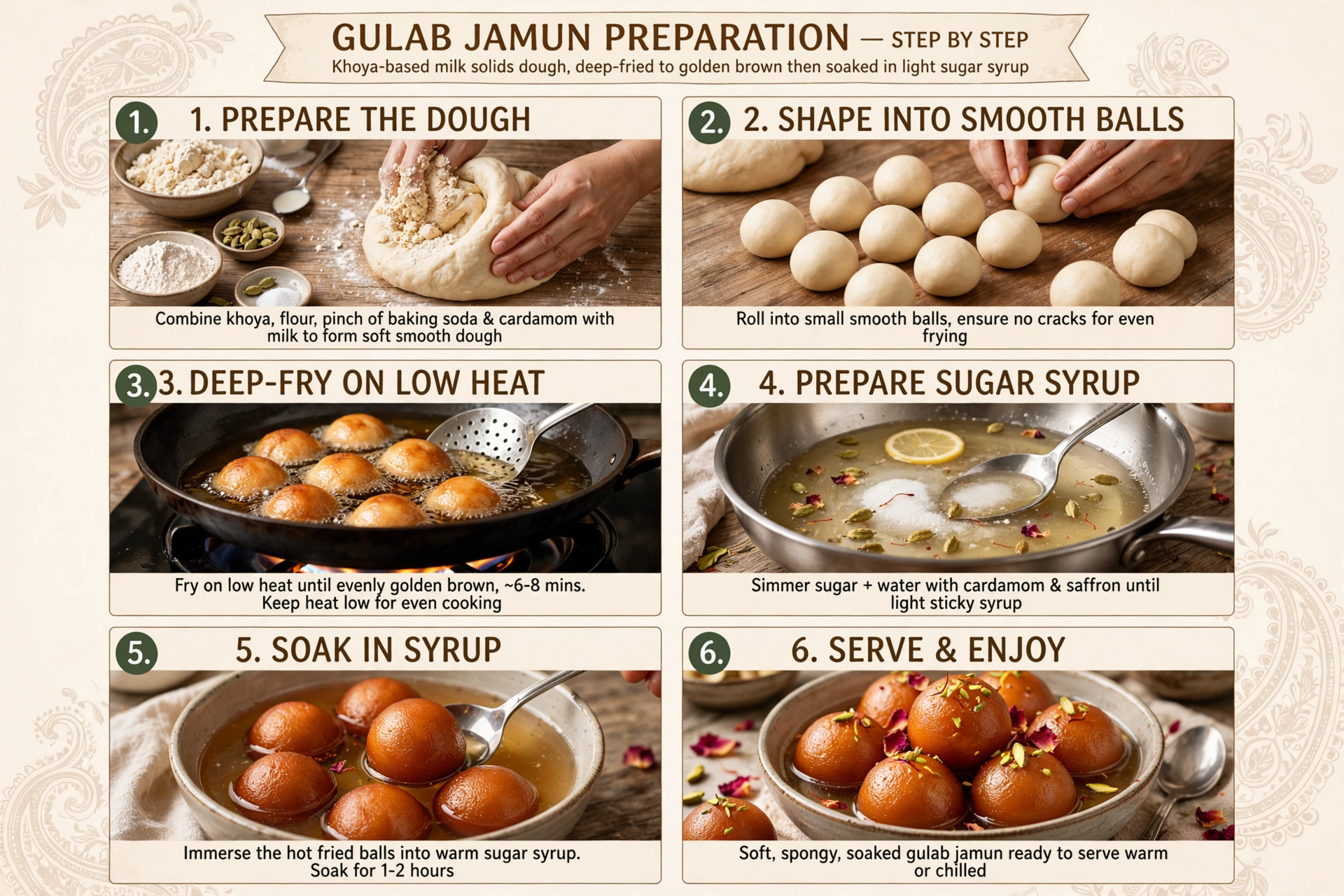
Traditional Gulab Jamun is prepared by making a soft dough from khoya (milk solids), flour, and a small amount of baking powder. The dough is shaped into smooth balls and deep-fried over low heat until they develop a beautiful golden-brown color. Once fried, the warm dumplings are immersed in a light sugar syrup flavored with cardamom, rose water, or saffron. As they absorb the syrup, they become incredibly soft, juicy, and aromatic.
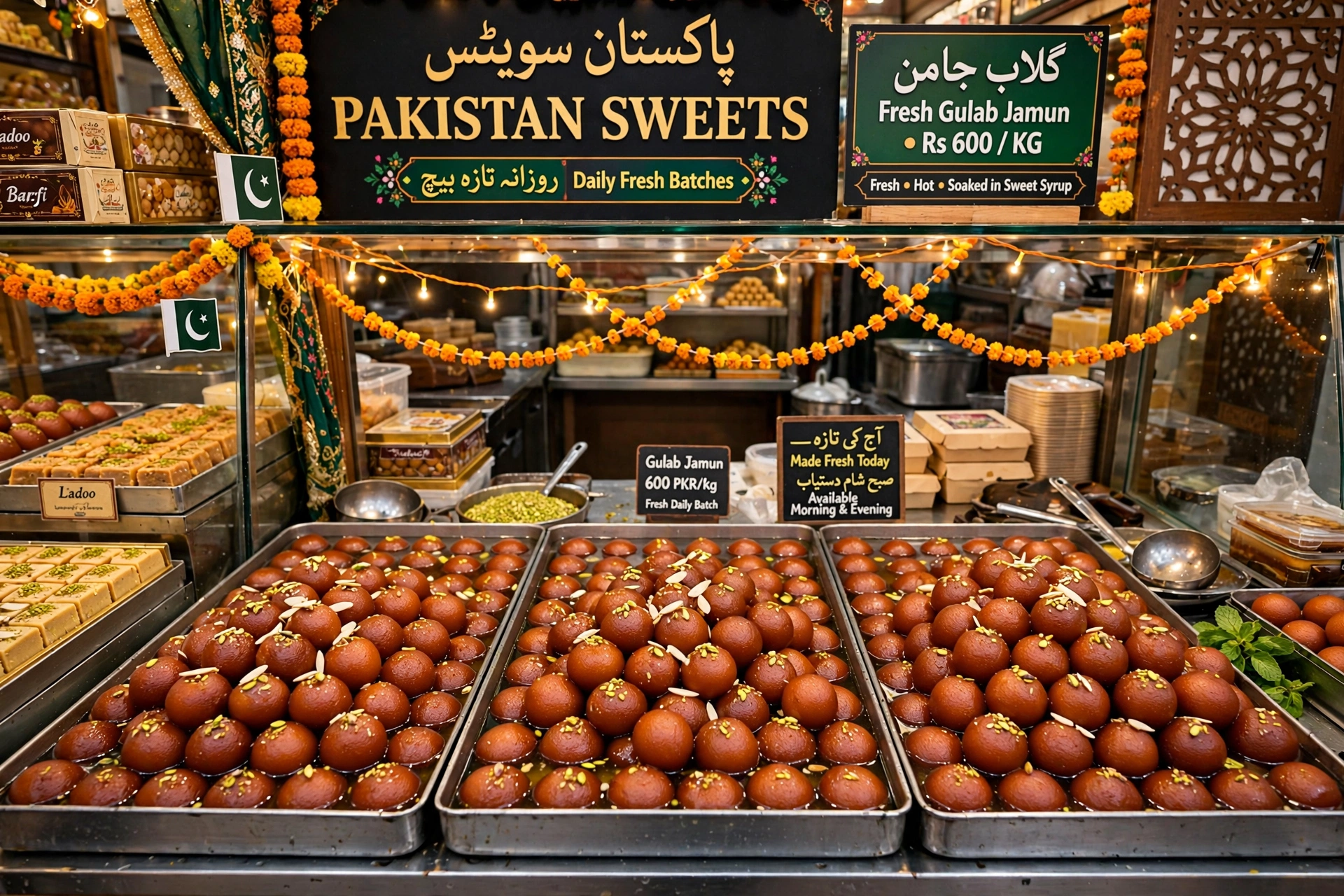
Although Gulab Jamun is enjoyed throughout the year, it is especially popular during religious festivals such as Eid-ul-Fitr, Eid-ul-Adha, and Ramadan, as well as weddings and family celebrations. Many sweet shops across Pakistan prepare fresh batches daily, while homemade Gulab Jamun remains a cherished dessert passed down through generations.
The dessert is often served warm, although many people also enjoy it chilled with vanilla ice cream or alongside a cup of traditional Pakistani chai. Its delicate sweetness and rich texture make it the perfect ending to a hearty meal of traditional Pakistani food, leaving a lasting impression on anyone who tastes it.
Today, Gulab Jamun continues to symbolize celebration, generosity, and hospitality, making it one of the finest examples of Pakistan’s rich dessert tradition.
Gulab Jamun gets its name from two Persian words: "Gulab", meaning rose water, and "Jamun", referring to the small purple fruit that the dessert resembles in shape. The traditional sugar syrup is often lightly flavored with rose water or cardamom to enhance its aroma.
Regional Specialties Across Pakistan
Pakistan’s rich culinary heritage is shaped by its diverse geography, climate, and cultural traditions. While many dishes are enjoyed nationwide, each province has developed its own specialties using locally available ingredients, cooking techniques, and family recipes passed down through generations. From the fertile plains of Punjab to the mountainous valleys of Gilgit-Baltistan, every region contributes unique flavors to traditional Pakistani food.
Whether you prefer spicy curries, slow-cooked meats, fragrant rice dishes, or hearty breads, exploring Pakistan’s regional cuisine offers a deeper appreciation of the country’s remarkable food culture.
Pakistan’s rich culinary heritage is also celebrated as part of the country’s tourism experience, with visitors often exploring regional cuisines alongside its historic landmarks. You can learn more about Pakistan’s cultural attractions through the Pakistan Tourism Development Corporation (PTDC).
Punjab – The Heart of Traditional Pakistani Cuisine
Punjab is often regarded as the culinary heart of Pakistan. Its fertile farmland produces abundant wheat, dairy products, vegetables, and livestock, making the province famous for rich, hearty meals. Traditional Punjabi dishes are known for generous use of butter, desi ghee, yogurt, and aromatic spices.
Some of Punjab’s most famous foods include Saag with Makki Ki Roti, Nihari, Halwa Puri, Lassi, Chicken Karahi, and Seekh Kebab. Family meals are an important part of Punjabi culture, where freshly baked naan and tandoori roti are served alongside flavorful curries and grilled meats.
Sindh – Bold Flavors and Aromatic Spices
Sindhi cuisine is recognized for its vibrant spices and rich flavors. Influenced by both inland farming communities and the Arabian Sea coastline, Sindh offers an exciting combination of meat, seafood, rice, and vegetables.
Sindhi Biryani is perhaps the province’s most famous contribution to Pakistani cuisine, distinguished by its spicy masala, potatoes, yogurt, and tangy flavor. Coastal cities such as Karachi are also known for delicious seafood dishes, while traditional recipes like Sai Bhaji and Sindhi Curry remain popular in many households.
Khyber Pakhtunkhwa – Home of Grilled Meats
The cuisine of Khyber Pakhtunkhwa reflects centuries of hospitality and mountain traditions. The region is especially famous for grilled meats, slow-cooked lamb, and mildly spiced rice dishes that allow natural flavors to shine.
Popular specialties include Chapli Kebab, Kabuli Pulao, Lamb Karahi, and various charcoal-grilled barbecue dishes. Fresh naan, green tea, yogurt, and simple salads often accompany meals, creating satisfying combinations that are loved throughout Pakistan.
Balochistan – Simple Recipes with Rich Flavor
Baloch cuisine focuses on high-quality ingredients and traditional cooking techniques rather than heavy use of spices. Slow roasting over open flames is one of the province’s signature methods, producing exceptionally tender meat with a distinctive smoky aroma.
The province’s most famous dish is Sajji, where whole lamb or chicken is roasted over charcoal after being lightly seasoned with salt and simple spices. Traditional Balochi bread, known as Kaak, is commonly served alongside grilled meat, reflecting the region’s rustic culinary traditions.
Gilgit-Baltistan and Northern Pakistan – Fresh Mountain Cuisine
The northern regions of Pakistan offer a completely different food experience shaped by cold weather, high mountains, and locally grown ingredients. Fresh fruits, whole grains, dairy products, and trout are common in everyday meals.
Apricots, walnuts, cherries, and organic vegetables are widely used in local cooking, while traditional breads and soups provide warmth during long winters. The cuisine of Gilgit-Baltistan highlights natural flavors and sustainable farming practices, making it one of Pakistan’s healthiest regional food traditions.
Why Regional Diversity Makes Pakistani Cuisine Special
One of the greatest strengths of traditional dishes of Pakistan is their incredible regional diversity. Every province has developed recipes that reflect its geography, climate, and cultural heritage. This variety means visitors can enjoy a completely different culinary experience simply by traveling from one part of the country to another.
From the rich dairy-based meals of Punjab to the smoky barbecues of Balochistan and the aromatic rice dishes of Khyber Pakhtunkhwa, Pakistan’s regional cuisines come together to create one of South Asia’s most diverse and flavorful food cultures.
Traditional Pakistani Food Culture
Food is much more than nourishment in Pakistan—it is a symbol of hospitality, family, and celebration. Sharing meals is deeply rooted in Pakistani culture, where friends, relatives, and even unexpected guests are warmly welcomed with freshly prepared food. Whether it’s a simple family dinner or a grand wedding feast, meals are often enjoyed together, reflecting the country’s strong sense of community and generosity.
Traditional Pakistani cuisine has been shaped by centuries of cultural exchange, local traditions, and regional influences. The use of aromatic spices, slow-cooking techniques, fresh herbs, and seasonal ingredients creates dishes that are rich in flavor and history. Every recipe tells a story, with many families preserving cooking methods that have been passed down through generations.
Planning meals in advance can make it easier to prepare authentic recipes while maintaining a balanced weekly menu.
Food Brings Families Together
In many Pakistani households, meals are a time for families to reconnect after a busy day. Breakfast, lunch, and dinner are often shared around a single table, where everyone enjoys the same dishes together. This tradition strengthens family bonds and reflects the importance of togetherness in Pakistani society.
Guests are treated with exceptional respect, and serving a generous meal is considered a sign of honor and hospitality. Refusing to let visitors leave without sharing tea, sweets, or a home-cooked meal is a tradition that continues across the country.
Festivals Are Celebrated Through Food
Food plays a central role in Pakistan’s religious and cultural celebrations. During Ramadan, families gather each evening for Iftar, breaking their fast with dates, fruit, pakoras, samosas, fruit chaat, and refreshing drinks before enjoying dishes such as Haleem, Nihari, and Biryani.
On Eid-ul-Fitr and Eid-ul-Adha, homes are filled with the aroma of festive meals. Biryani, Karahi, Pulao, Seekh Kebabs, and traditional desserts like Kheer and Gulab Jamun are commonly prepared and shared with relatives, neighbors, and guests, reinforcing the values of generosity and community.
Fresh Ingredients and Traditional Cooking Methods
One of the defining characteristics of traditional Pakistani food is the emphasis on fresh ingredients. Many households prepare spice blends at home and use freshly chopped garlic, ginger, onions, tomatoes, coriander, and green chilies rather than relying on processed ingredients.
Slow cooking is another hallmark of Pakistani cuisine. Dishes such as Nihari, Haleem, and Paya are simmered for several hours, allowing the spices to develop deep, complex flavors. Tandoor ovens remain popular for baking naan and roasting meats, while charcoal grilling gives kebabs and Sajji their distinctive smoky taste.
Hospitality Is at the Heart of Pakistani Cuisine
Hospitality is one of Pakistan’s defining cultural values, and food is the way it is most often expressed. Serving guests generously is considered a source of pride, and hosts frequently encourage visitors to have second or even third servings. Tea, sweets, and snacks are commonly offered even during casual visits, making every guest feel welcome.
This tradition of sharing food has helped preserve many classic recipes, ensuring they continue to be enjoyed across generations. It also reflects the warmth and kindness that are central to Pakistani culture.
A Cuisine That Reflects Diversity
Pakistan’s culinary traditions are as diverse as its landscapes. The rich dairy-based dishes of Punjab, the spicy flavors of Sindh, the grilled meats of Khyber Pakhtunkhwa, the slow-roasted specialties of Balochistan, and the fresh mountain cuisine of Gilgit-Baltistan all contribute to a vibrant national food culture.
Together, these regional traditions create a cuisine that is flavorful, diverse, and deeply connected to the country’s history and identity. Exploring traditional dishes of Pakistan is not only a culinary experience but also an opportunity to appreciate the country’s cultural heritage and timeless traditions.
Many staple ingredients used in traditional Pakistani cooking, including wheat, rice, lentils, and dairy products, are also recognized as important components of balanced diets by the Food and Agriculture Organization (FAO).
Interesting Facts About Traditional Pakistani Food
Discover some fascinating facts that make Pakistan's cuisine one of the most diverse and flavorful in South Asia.
Hundreds of Regional Recipes
Every province has its own traditional recipes, cooking methods, and local ingredients, creating incredible culinary diversity.
World-Famous Basmati Rice
Pakistan produces premium-quality basmati rice that is exported worldwide and used in famous dishes like Biryani and Pulao.
Slow Cooking Tradition
Signature dishes such as Nihari, Haleem, and Paya are traditionally cooked for many hours to develop rich flavors.
Tandoor Cooking
Traditional clay ovens called tandoors are widely used to bake naan, roti, and grill meats across Pakistan.
Fresh Spice Blends
Many Pakistani families still prepare their own spice mixes using freshly ground cumin, coriander, cardamom, cloves, and black pepper.
Food Means Hospitality
Offering guests generous meals, tea, and desserts is considered a symbol of respect, kindness, and hospitality throughout Pakistan.
Traditional Dishes of Pakistan at a Glance
Here's a quick summary of what makes Pakistani cuisine one of the richest and most diverse culinary traditions in the world.
Rich Culinary Heritage
Traditional dishes of Pakistan combine centuries of history, regional traditions, and aromatic spices to create unforgettable flavors.
Regional Diversity
Every province has its own specialties, from Punjab's hearty meals to Balochistan's famous Sajji and Khyber Pakhtunkhwa's Chapli Kebab.
Signature Dishes
Nihari, Biryani, Haleem, Karahi, Kabuli Pulao, and Gulab Jamun are among Pakistan's most iconic traditional foods.
Food and Hospitality
Sharing meals with family, friends, and guests is an important part of Pakistani culture and reflects the country's tradition of hospitality.
Traditional Dishes of Pakistan FAQs
Find answers to some of the most common questions about traditional Pakistani food, regional cuisine, and popular dishes.
Nihari is widely regarded as Pakistan's national dish. It is a slow-cooked meat stew prepared with aromatic spices and traditionally served with naan. Although Pakistan is famous for many regional specialties, Nihari remains one of the country's most iconic and celebrated dishes.
Some of the most popular traditional dishes of Pakistan include Nihari, Biryani, Haleem, Karahi, Sajji, Chapli Kebab, Paya, Halwa Puri, Saag with Makki Ki Roti, Kabuli Pulao, Seekh Kebab, Kheer, Lassi, and Gulab Jamun. Each dish reflects the country's rich regional and cultural diversity.
Pakistani cuisine is known for its bold flavors and aromatic spices, but not every dish is extremely spicy. Many recipes use spices to build depth of flavor rather than heat. The level of spiciness often varies depending on the region and personal preference.
Halwa Puri is one of Pakistan's most famous traditional breakfasts. It consists of crispy puri, sweet semolina halwa, spicy chickpea curry, and potato curry. Other popular breakfast dishes include Nihari, Paya, parathas, and freshly brewed Pakistani chai.
Gulab Jamun and Kheer are among Pakistan's most popular traditional desserts. Gulab Jamun is made from milk solids soaked in sweet syrup, while Kheer is a creamy rice pudding flavored with cardamom and garnished with nuts.
Biryani is prepared with layers of rice, meat, and bold spices, creating a rich and spicy flavor. Kabuli Pulao uses milder spices and is topped with caramelized carrots, raisins, and nuts, giving it a delicate balance of sweet and savory flavors.
Sajji originated in Balochistan and is considered the province's signature dish. Traditionally made with whole lamb or chicken roasted over charcoal, it is now enjoyed across Pakistan for its smoky flavor and tender meat.
Lassi is one of the most popular traditional drinks served with Pakistani meals. Depending on the recipe, it can be sweet or salted and is especially refreshing during the summer months. Chai is also an everyday favorite enjoyed throughout Pakistan.
Conclusion
Traditional dishes of Pakistan are more than just delicious meals—they are a reflection of the country’s rich history, diverse cultures, and warm hospitality. From the slow-cooked flavors of Nihari and Haleem to the fragrant spices of Biryani, the smoky taste of Sajji, and the sweetness of Gulab Jamun, every dish tells a unique story that has been passed down through generations.
One of the greatest strengths of traditional Pakistani food is its regional diversity. Each province contributes its own specialties, cooking techniques, and locally sourced ingredients, creating a cuisine that is both incredibly varied and deeply rooted in tradition. Whether you’re enjoying the hearty dishes of Punjab, the bold flavors of Sindh, the grilled meats of Khyber Pakhtunkhwa, the rustic recipes of Balochistan, or the fresh mountain cuisine of Gilgit-Baltistan, every meal offers a taste of Pakistan’s cultural heritage.
If you’re planning to explore South Asian cuisine, traditional dishes of Pakistan deserve a place at the top of your list. Their rich aromas, authentic recipes, and unforgettable flavors have earned them recognition around the world, making Pakistani cuisine a favorite among food lovers.
Whether you’re preparing these dishes at home, tasting them at a local restaurant, or discovering them during your travels, they offer an authentic culinary experience that goes far beyond the plate. Each recipe represents centuries of tradition, family gatherings, and celebrations that continue to bring people together.
We hope this guide has helped you discover the rich variety of traditional dishes of Pakistan and inspired you to try some of these authentic recipes for yourself. Every meal is an opportunity to experience the country’s history, culture, and legendary hospitality, one delicious bite at a time.



0 Comments