

Education is one of the most important foundations of a successful life. The importance of education goes beyond reading and writing; it gives people the knowledge, awareness, and confidence they need to understand the world, make informed decisions, solve problems, and work toward their goals. A person with a good education is better prepared to face everyday challenges and recognize opportunities for personal and professional growth. This is why education is not simply a path to employment it is a basic need and a powerful tool for improving individuals, families, and communities.

Education Is a Basic Need for Every Person
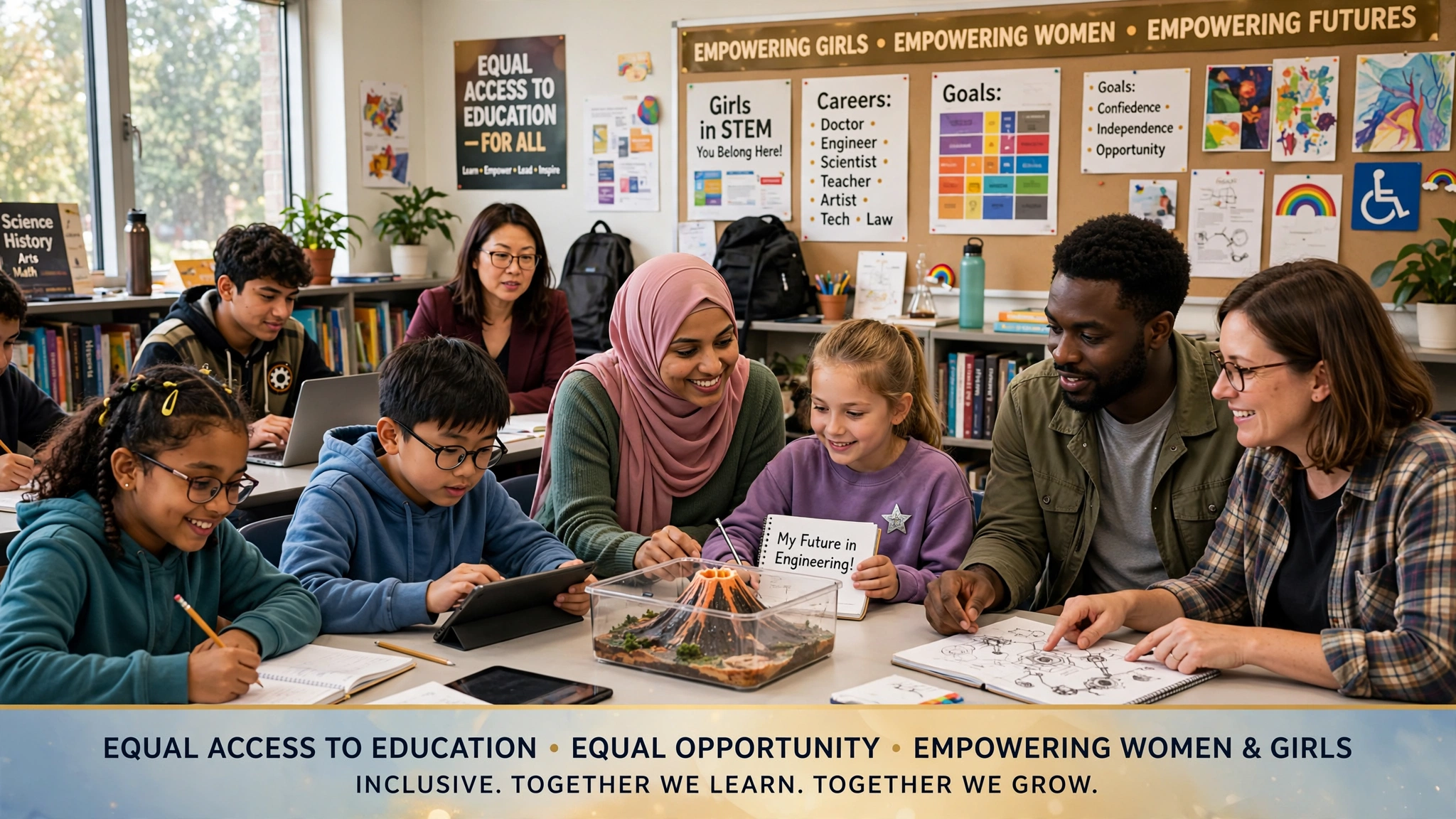
Education is a fundamental human right that helps people understand themselves, their communities, and the world around them. It provides knowledge and develops important skills such as critical thinking, communication, problem-solving, and decision-making. These abilities help people deal with everyday challenges and make responsible choices.Education also gives individuals the confidence to recognize opportunities and work toward personal development and a better future.
Education also gives individuals the confidence to recognize opportunities, develop useful skills, and work toward a better future. A child who receives quality education has a greater opportunity to develop their abilities, pursue a career, and contribute positively to society. For adults, learning can open new professional opportunities and help them adapt to changes in technology, employment, and daily life.
The value of education is therefore not limited to schools, colleges, or universities. Learning continues throughout life and can shape how people think, communicate, solve problems, and participate in their communities. When people have access to quality education, they are better equipped to improve their own lives and contribute to the development of society.
Islam and the Importance of Seeking Knowledge
Islam places great importance on learning and seeking knowledge. Education can help individuals develop greater awareness, confidence, and a positive approach to personal growth.
Knowledge in Islam
“It is the duty of every Muslim, both men and women, to seek knowledge from cradle to grave.”
The pursuit of knowledge is widely emphasized in Islamic teachings, encouraging people to learn and share beneficial knowledge with others.
Equal Access to Education for Men and Women
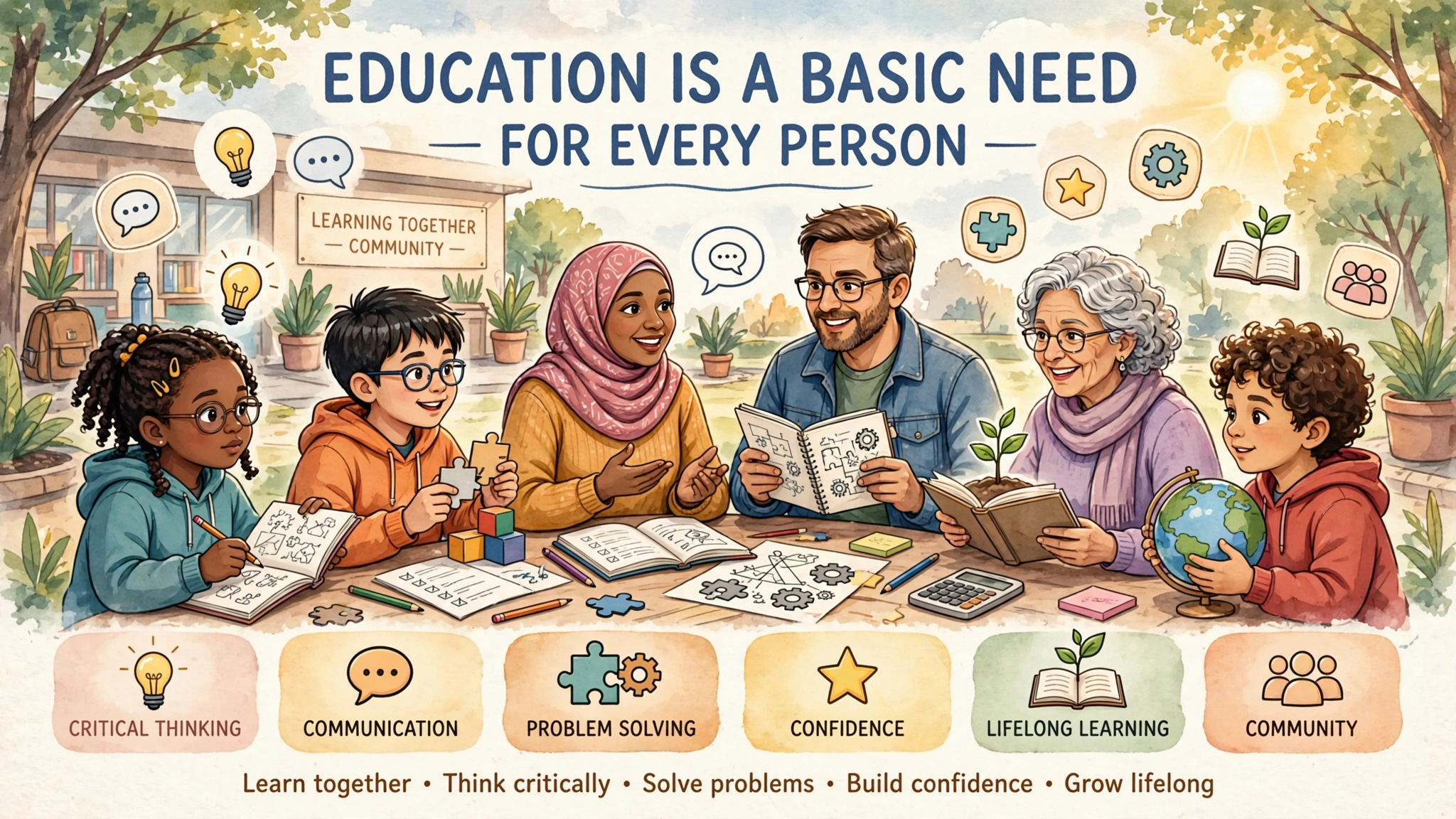
Education should be accessible to everyone, regardless of gender, family background, or financial circumstances. When both men and women have opportunities to learn, families and communities can benefit from greater knowledge, skills, and awareness.
For women in particular, education can create opportunities to develop independence, pursue careers, make informed decisions, and participate more actively in their communities. UNICEF highlights the importance of girl’s education in improving opportunities and contributing to stronger families and communities.
Equal access to education means more than simply providing schools and classrooms. It requires creating an environment where children and adults can learn safely, develop their abilities, and have a genuine opportunity to use their education to build a better future.
Education Problems Facing Students in Rural Sindh
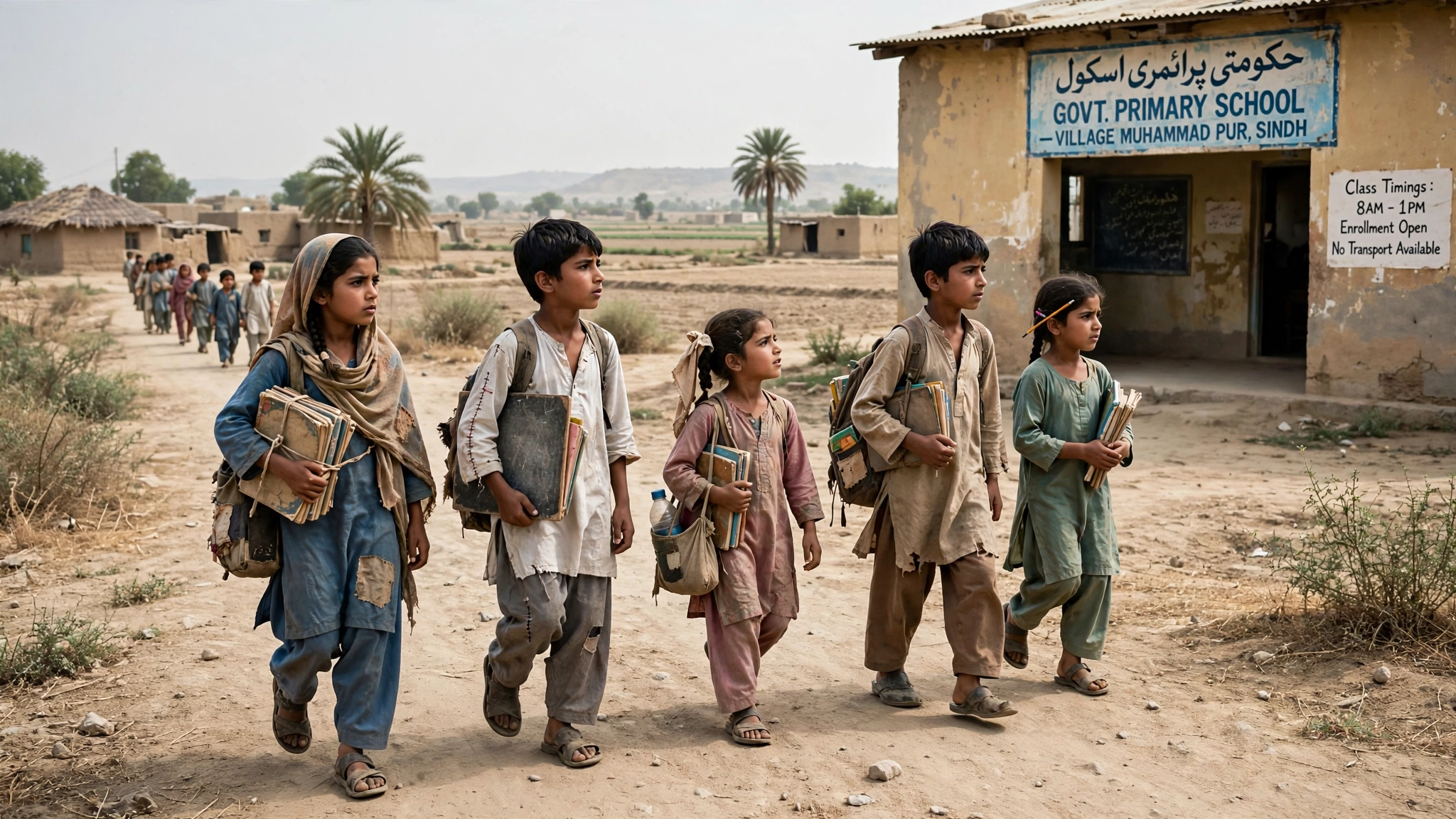
Access to quality education remains a major challenge for many students living in rural areas of Sindh. This challenge is part of a wider education problem in Pakistan, where many children still face barriers to attending and learning in school, as highlighted by UNICEF Pakistan’s education information.
Students from low-income families can face particular difficulties after completing their intermediate education. Government colleges and schools may be the only realistic option for many families, yet the costs of books, transportation, uniforms, and other educational needs can still become a barrier. For students living in remote villages, distance can create another challenge when schools and colleges are located far from their homes.
These difficulties can have a lasting effect on young people’s futures. A student who has the ability and desire to continue studying should not have to abandon education simply because their family cannot afford the associated costs or because suitable educational facilities are unavailable nearby.
Improving access to education in rural Sindh requires attention to both the availability and quality of educational institutions. Providing functioning schools, qualified teachers, affordable opportunities, and safe learning environments can help more students continue their education and develop the knowledge and skills needed to build better lives.
Problems Caused by Poor Governance and Unqualified Teachers
The quality of education depends not only on the availability of schools but also on effective management, qualified teachers, proper facilities, and regular monitoring. When these essential elements are missing, students are the ones who suffer the consequences.
In some rural communities, schools may exist on paper but fail to provide a proper learning environment. Teacher absenteeism, insufficient teaching staff, inadequate facilities, and weak supervision can prevent children from receiving the education they deserve. When students repeatedly experience these problems, they may lose interest in education or eventually leave school altogether.
The situation becomes even more difficult for families who cannot afford private education. Wealthier families may have the option of sending their children to better schools in nearby towns or cities, while children from low-income families often have to depend entirely on local government schools.
Educating girls can also benefit future generations, as educated mothers can play an important role in supporting the learning and development of their children and contributing to women’s empowerment.
Practical Steps to Improve Rural Education
Strengthen School Monitoring
Regular monitoring can help ensure that schools remain functional, teachers attend classes, and students receive the education and support they need.
Recruit Qualified Teachers
Rural schools need qualified and committed teachers who can provide students with consistent instruction and help them develop essential academic skills.
Improve School Facilities
Functional classrooms, learning materials, sanitation, electricity, and safe learning environments are essential for creating schools where children can learn effectively.
Support Low-Income Students
Scholarships, affordable transportation, books, and other forms of educational support can help students from disadvantaged families continue their studies.
How Poverty Can Become a Barrier to Education
For many families, poverty can make continuing education difficult even when a child is motivated to study. The cost of books, transportation, uniforms, examination fees, and other educational needs can become a serious burden for households with limited income.
The problem is often greater in rural communities, where educational institutions may be far from students’ homes and families may have fewer alternatives. As a result, some children are forced to leave their education early and begin working or remain at home.
The relationship between poverty and education can create a difficult cycle. Limited access to education can reduce future employment opportunities, while low household income can make it harder for the next generation to obtain a quality education.
| Barrier | How It Can Affect Students |
|---|---|
| Education Costs | Books, uniforms, fees, and other expenses can make continued education difficult for low-income families. |
| Transportation | Students living far from schools or colleges may struggle to travel regularly. |
| Limited Local Facilities | A shortage of nearby schools and colleges can reduce opportunities for students to continue their studies. |
| Family Financial Pressure | Children may be expected to work or contribute to household income instead of continuing their education. |
How Lack of Education Affects Individuals and Society
When children are unable to receive a quality education, the consequences can extend far beyond the classroom. Limited education can make it harder for individuals to find better employment, understand their rights, make informed decisions, and improve their economic circumstances.
For communities, a low level of education can slow social and economic development. People with limited access to learning may have fewer opportunities to develop professional skills or participate fully in the changing economy. This can contribute to a cycle in which poverty and limited educational opportunities continue from one generation to the next.
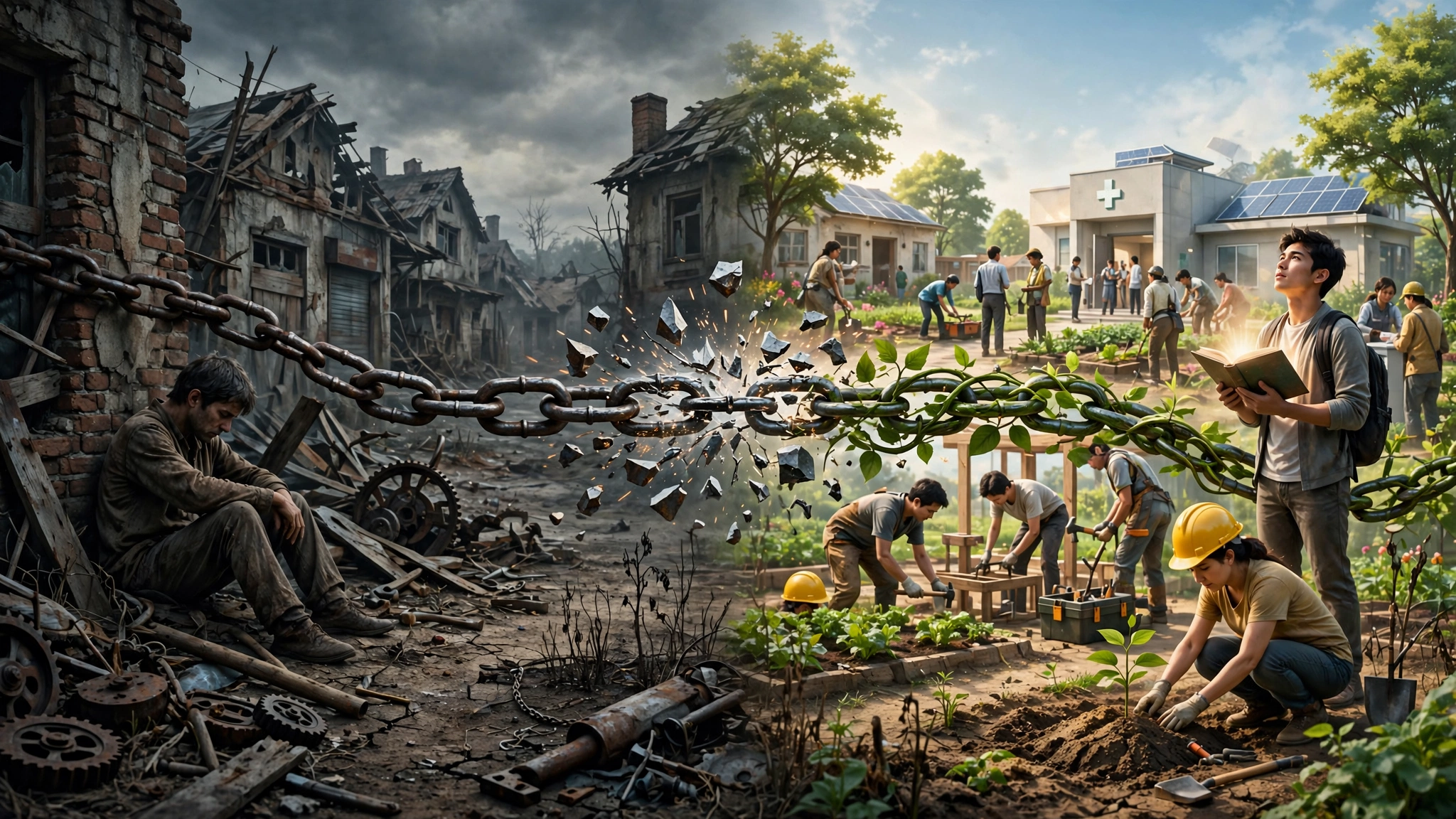
Education can help break this cycle by giving young people the knowledge and skills they need to create better opportunities for themselves. It can also help communities become more aware of important issues such as health, employment, civic responsibility, and the rights of individuals.
For this reason, improving education should not be viewed only as an investment in schools. It is an investment in people and in the future of society. When children receive meaningful educational opportunities, they have a stronger foundation on which to build their lives and contribute to their communities.
Why Improving Rural Education Matters
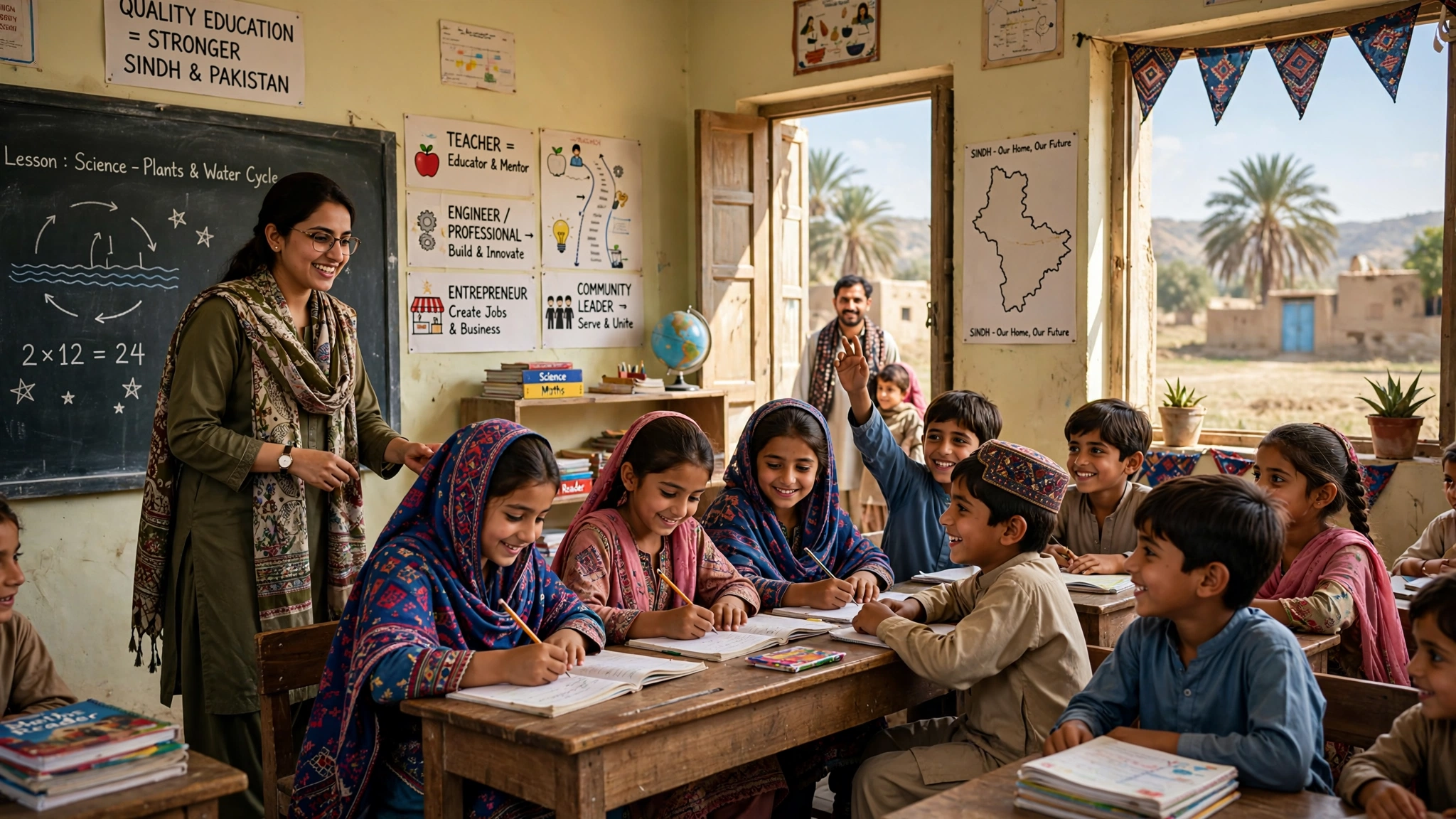
Improving education in rural areas can create opportunities that extend beyond individual students. When children have access to quality schools and qualified teachers, they are better prepared to continue their studies, develop useful skills, and pursue meaningful employment.
Better education can also strengthen families and communities. An educated population is more likely to understand important social issues, make informed decisions, and participate positively in community development. Young people who receive proper educational opportunities can become teachers, professionals, entrepreneurs, and community leaders who contribute to the progress of their region.
For Sindh, improving rural education is particularly important because many talented students live outside major cities and deserve the same opportunity to develop their potential. Their location or financial circumstances should not determine how far they can go in life.
Investing in rural education is therefore an investment in the future of Sindh and Pakistan. By improving schools, supporting teachers, reducing financial barriers, and helping students remain in education, communities can create stronger foundations for long-term social and economic development.
Keep Schools Functional
Schools should provide safe classrooms, basic facilities, learning materials, and a suitable environment for students.
Ensure Teacher Attendance
Regular attendance and effective monitoring can help ensure that students receive consistent teaching throughout the academic year.
Support Students From Poor Families
Scholarships, books, transportation, and other assistance can help students remain in education despite financial difficulties.
Expand Educational Opportunities
Students in rural communities should have realistic opportunities to continue their education beyond primary and secondary school.
Involve Local Communities
Parents and community members can play an important role in encouraging children to attend school and supporting better educational outcomes.
Revitalize Learning, Transform Sindh, and Build a Stronger Pakistan
Education has the power to change individual lives and shape the future of entire communities. A child who receives a quality education gains more than academic knowledge; they gain the ability to think critically, understand their rights, make informed decisions, and pursue opportunities that may otherwise remain out of reach.
For rural Sindh, improving education should be treated as a long-term investment in people and communities. Students should not be denied opportunities simply because they live in a remote village or come from a low-income family. Every child deserves access to a safe learning environment, qualified teachers, and the opportunity to continue their education.
Government institutions, educators, parents, and communities all have a role to play in making this possible. Better schools, stronger monitoring, qualified teachers, financial support for disadvantaged students, and greater educational opportunities can help reduce the barriers that prevent children from reaching their potential.
Education is power because knowledge gives people the ability to understand, decide, create, and change their circumstances. By giving every child a genuine opportunity to learn, Sindh can develop a more capable generation and Pakistan can build a stronger and more educated future.
Government institutions, educators, parents, and communities all have a role to play in making this possible. Better schools, stronger monitoring, qualified teachers, financial support for disadvantaged students, and greater educational opportunities can help reduce the barriers that prevent children from reaching their potential.
Education is power because knowledge gives people the ability to understand, decide, create, and change their circumstances. By giving every child a genuine opportunity to learn, Sindh can develop a more capable generation and Pakistan can build a stronger and more educated future.
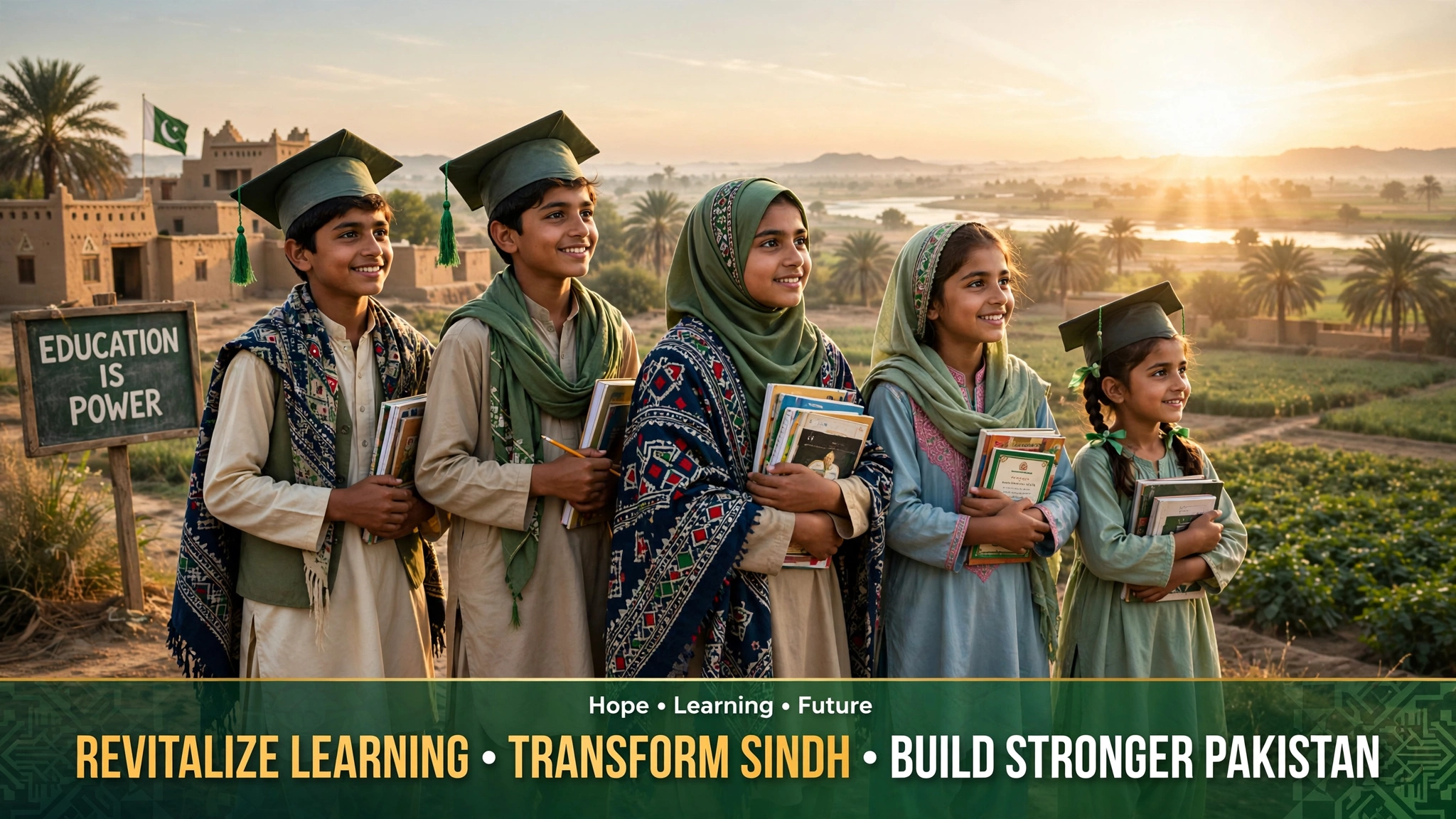
Education is not only a path to knowledge; it is a foundation for opportunity, empowerment, and a stronger future.
What is the importance of education?
Education provides people with knowledge, skills, and awareness that help them make informed decisions, solve problems, and pursue opportunities. It can also contribute to personal development and the progress of communities.
Why is education considered a basic need?
Education helps individuals develop the knowledge and skills needed to participate effectively in society and build better opportunities for their future. Like other basic needs, access to education can have a lasting effect on a person's quality of life.
How does education help people overcome poverty?
Education can improve access to employment and help people develop skills that are valuable in the workplace. For disadvantaged communities, better educational opportunities can help break the cycle in which poverty limits access to learning and limited education restricts future opportunities.
What are the main education problems in rural areas?
Students in rural areas can face challenges such as limited educational facilities, shortages of qualified teachers, transportation difficulties, poverty, and fewer opportunities to continue their education after secondary school.
Why is rural education important for Sindh?
Improving rural education can give students outside major cities greater opportunities to develop their abilities and pursue further education and employment. It can also contribute to the social and economic development of rural communities.
How can education be improved in rural communities?
Improvement requires several measures, including functional schools, qualified and regularly attending teachers, better learning facilities, financial support for disadvantaged students, reliable transportation, and greater involvement from parents and local communities.


0 Comments