
Beauty standards in Pakistan have traditionally been associated with fair skin, often overshadowing qualities such as confidence, kindness, intelligence, and individuality. For decades, advertisements, television dramas, social media, and even marriage expectations have reinforced the idea that lighter skin is more attractive. Although attitudes are gradually evolving, many people still face judgment based on their complexion. This article explores how beauty standards in Pakistan have developed, their impact on society, and why embracing healthy skin and self-confidence matters far more than chasing unrealistic ideals.
What Are Beauty Standards in Pakistan?
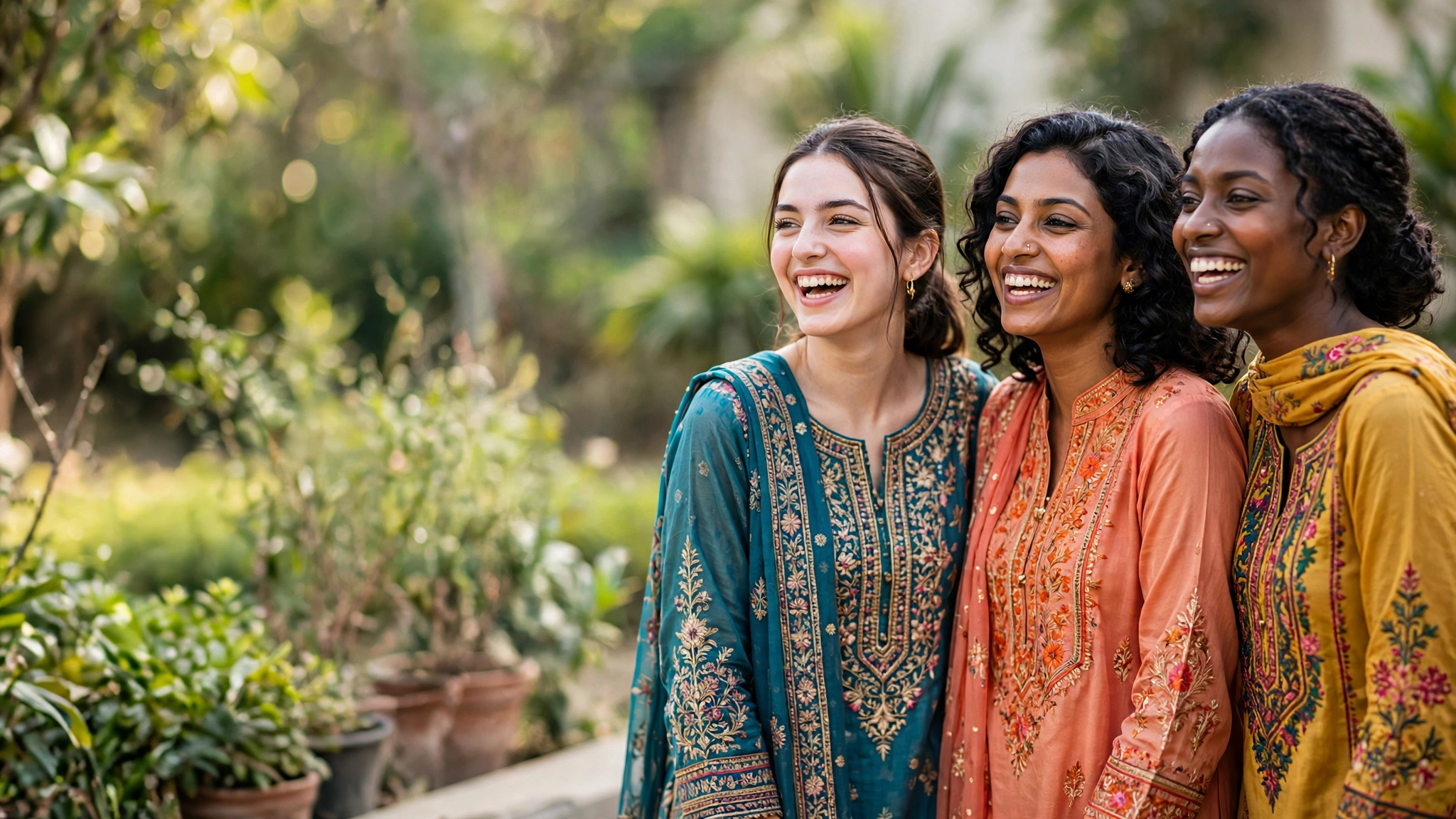
Beauty standards in Pakistan refer to the physical appearance, grooming habits, and personality traits that society often considers attractive or desirable. While these standards have evolved over time, they have traditionally emphasized fair skin, clear complexion, long and healthy hair, a slim physique, and graceful behavior, especially for women. However, these expectations are not universal and can vary across different regions, cultures, and generations.
For many years, the idea of beauty in Pakistan has been shaped by cultural traditions, family expectations, television dramas, fashion industries, and beauty advertisements. Fair skin, in particular, has often been portrayed as the ideal, leading many people to believe that a lighter complexion is more attractive or socially acceptable. This perception has influenced everything from cosmetic marketing to marriage preferences, despite having no connection to a person’s character, intelligence, or abilities.
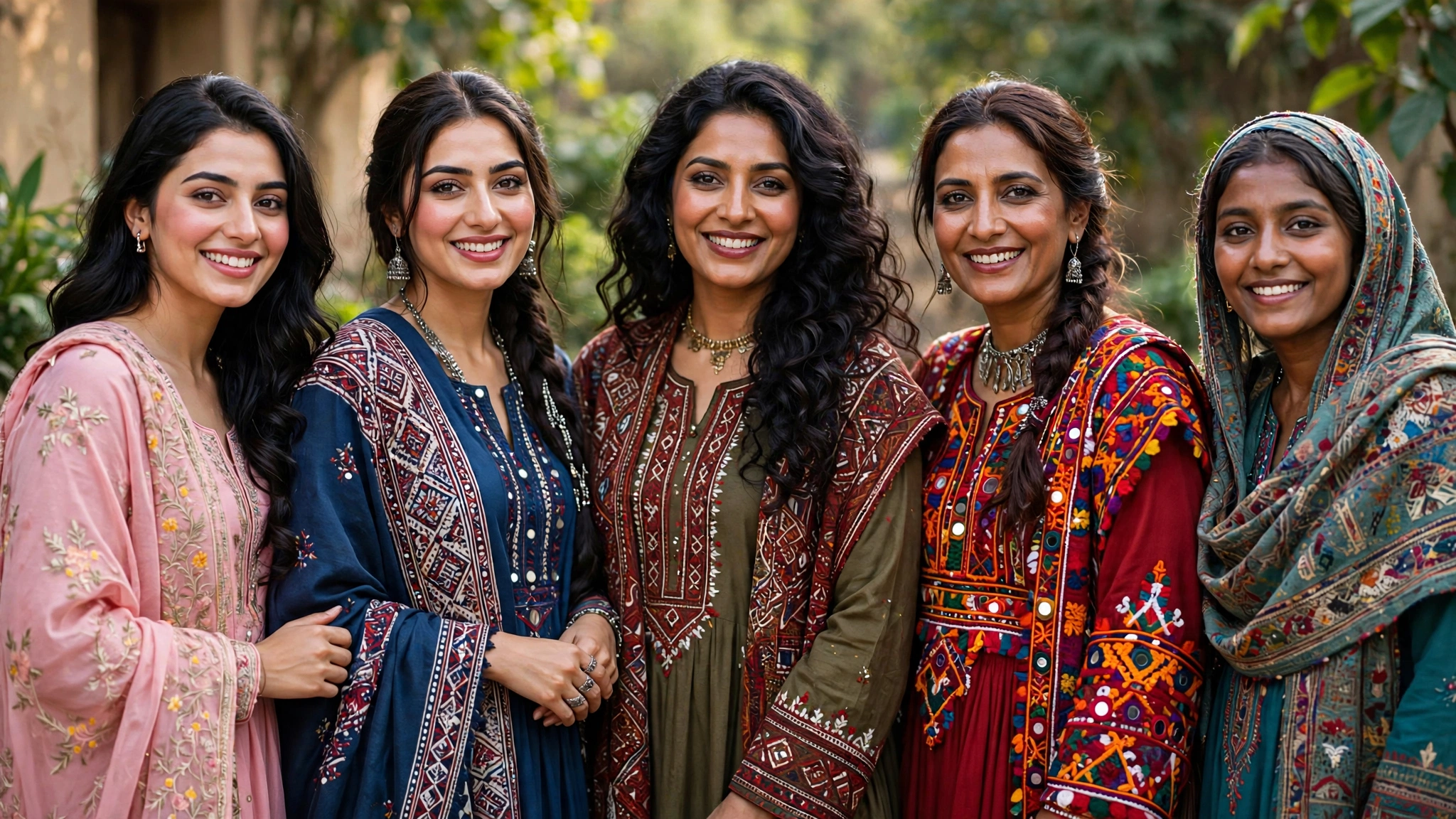
In recent years, however, beauty standards in Pakistan have started to shift. Growing awareness about self-confidence, diversity, mental well-being, and healthy skincare has encouraged many people to challenge outdated stereotypes. Social media creators, dermatologists, and public figures are increasingly promoting the message that beauty comes in all skin tones and that healthy, well-cared-for skin is far more important than trying to change one’s natural complexion.
Although the obsession with fair skin has not completely disappeared, conversations around inclusivity and self-acceptance are becoming more common. More Pakistanis are recognizing that true beauty extends beyond physical appearance and includes confidence, kindness, intelligence, and authenticity.
Why Is Fair Skin Considered Beautiful in Pakistan?
The preference for fair skin in Pakistan did not develop overnight. It is the result of historical influences, cultural beliefs, media representation, and long-standing social traditions that have shaped public perception for generations. While many people no longer agree with these outdated ideals, their influence can still be seen in everyday life.
One of the biggest reasons behind this perception is the way fair skin has historically been associated with higher social status and privilege. Over time, lighter complexions became linked with attractiveness, wealth, and desirability, while darker skin tones were unfairly judged through stereotypes. These misconceptions were passed from one generation to another and gradually became deeply rooted in society.
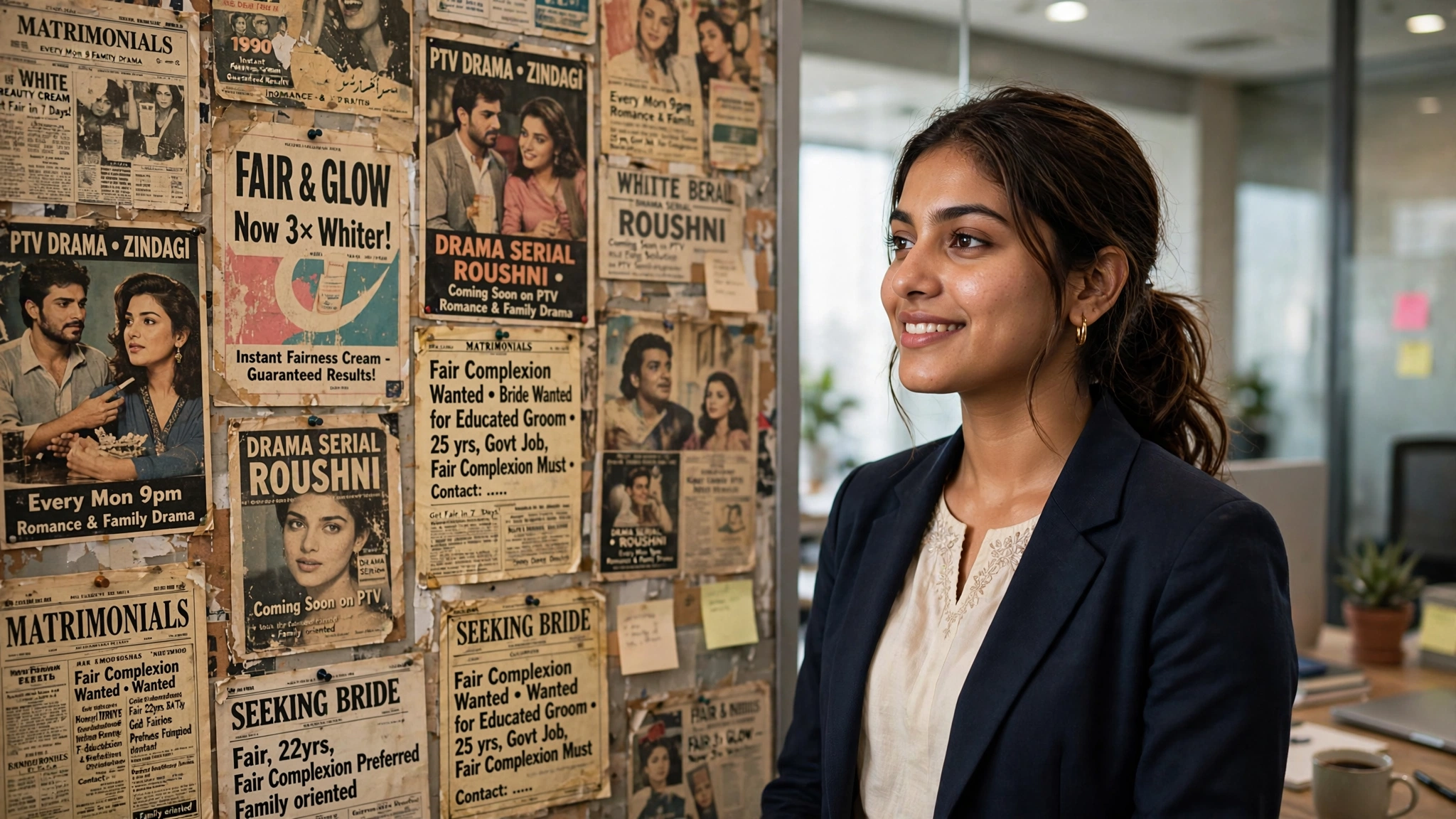
Television dramas, fashion magazines, beauty pageants, and cosmetic advertisements further reinforced this image by frequently featuring models and actors with lighter skin. Many skin-whitening products were marketed with promises of success, confidence, and better marriage prospects, creating the false impression that changing one’s complexion could improve every aspect of life.
Marriage culture has also contributed to these beauty standards. In many households, fair complexion continues to appear as a preferred quality in matrimonial advertisements or family discussions, placing unnecessary pressure on young women and sometimes men to meet unrealistic expectations. This emphasis on appearance often overshadows qualities that truly define a person, such as education, personality, values, and achievements.
Fortunately, attitudes are gradually changing. Increased awareness about colorism, greater representation of diverse skin tones in media, and conversations about self-acceptance are encouraging people to appreciate natural beauty instead of chasing unrealistic ideals. While progress may be slow, the growing emphasis on confidence, healthy skin, and individuality is helping redefine what beauty means in modern Pakistan.
How Media and Social Media Shape Beauty Standards in Pakistan
The media has played a significant role in shaping beauty standards in Pakistan for decades. From television commercials and fashion magazines to modern social media platforms, people are constantly exposed to images that often present a narrow definition of beauty. Fair skin, flawless complexions, perfectly styled hair, and slim body types are frequently highlighted as the ideal, making these features appear more desirable than others.
Traditional television advertisements have long promoted fairness creams by suggesting that lighter skin leads to greater confidence, better career opportunities, or even a successful marriage. Although regulations and public awareness have reduced many misleading claims, these advertisements have already influenced generations of viewers and contributed to unrealistic beauty expectations.
Today, social media platforms such as Instagram, TikTok, Facebook, and YouTube have become equally influential. Beauty influencers regularly share skincare routines, makeup tutorials, and beauty transformations that inspire millions of followers. While many creators promote healthy skincare and self-confidence, others rely heavily on beauty filters, photo editing, and unrealistic standards that can distort people’s perception of natural beauty.
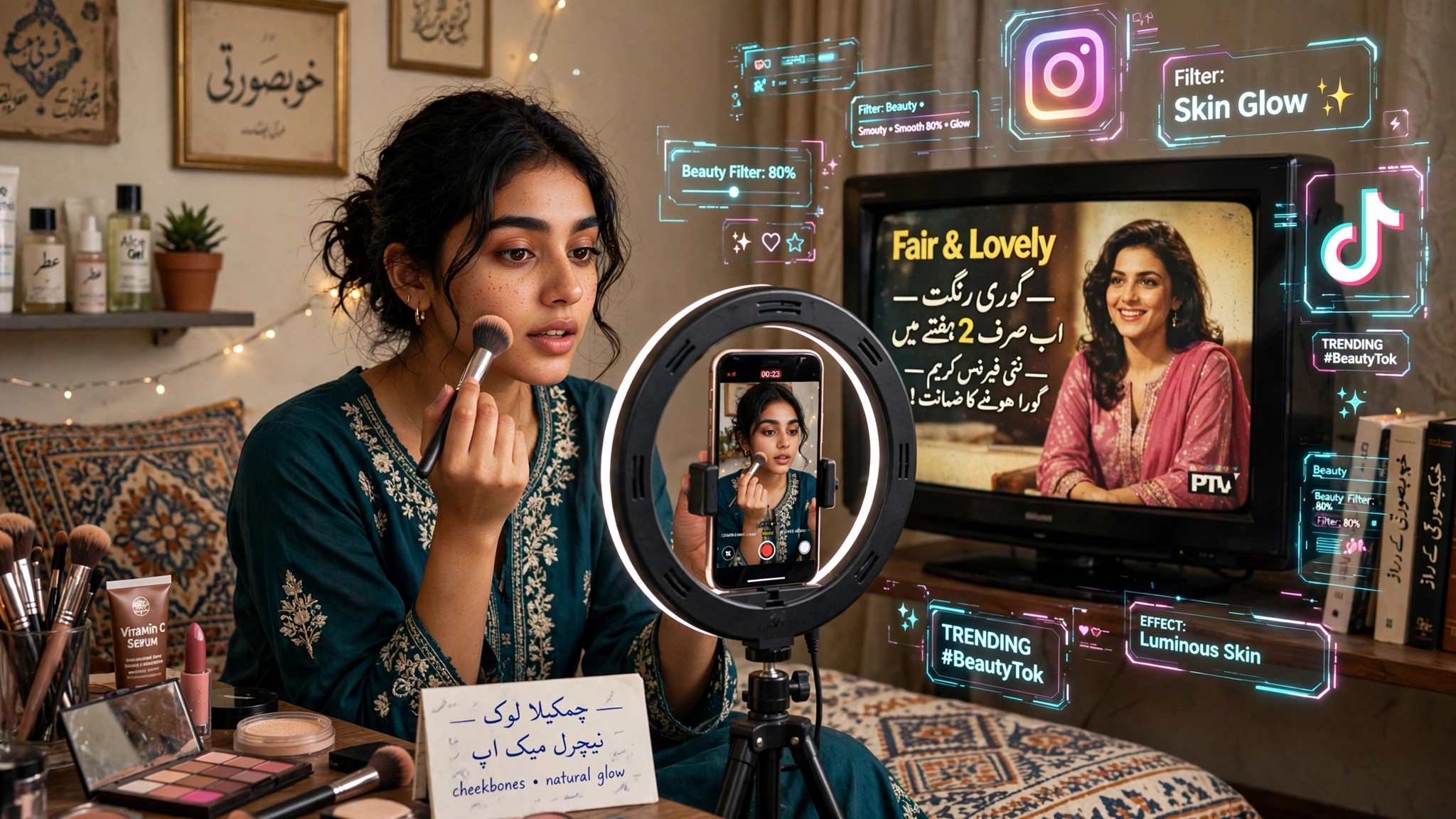
Celebrity culture also plays an important role. Actors, models, and influencers often become beauty icons whose appearance is admired and imitated. Professional makeup artists, lighting, camera angles, and digital editing can create images that are impossible to achieve in everyday life, yet many people compare themselves to these unrealistic portrayals.
Fortunately, a positive shift is becoming increasingly visible. More Pakistani content creators, dermatologists, and public figures are encouraging people to embrace their natural skin tone, practice healthy skincare, and celebrate diversity. Campaigns promoting body positivity and self-acceptance are helping challenge outdated stereotypes and reminding people that beauty cannot be measured by complexion alone.
The Impact of Unrealistic Beauty Standards on Society
Unrealistic beauty standards affect far more than physical appearance—they can influence mental health, self-esteem, relationships, and even career opportunities. When society repeatedly promotes one type of appearance as the definition of beauty, people who do not fit that image may begin to question their own worth.
Many young girls grow up believing that fair skin is necessary to be considered attractive, while boys may also experience pressure to maintain a particular appearance. These expectations often begin during childhood and continue through school, college, and adulthood, where comments about skin tone or appearance can damage confidence and self-esteem.
The effects become even more noticeable during the search for employment or marriage. In some families and communities, physical appearance is still given unnecessary importance when evaluating potential marriage partners. Although attitudes are gradually improving, many individuals continue to face rejection or criticism based solely on their complexion rather than their character, education, or achievements.
Constant exposure to unrealistic beauty standards can also contribute to anxiety, low self-confidence, body image issues, and feelings of inadequacy. People may spend large amounts of money on cosmetic treatments or unverified skin-whitening products in the hope of meeting society’s expectations. Unfortunately, this pursuit often leads to disappointment because true confidence cannot be achieved by changing one’s natural skin colour.
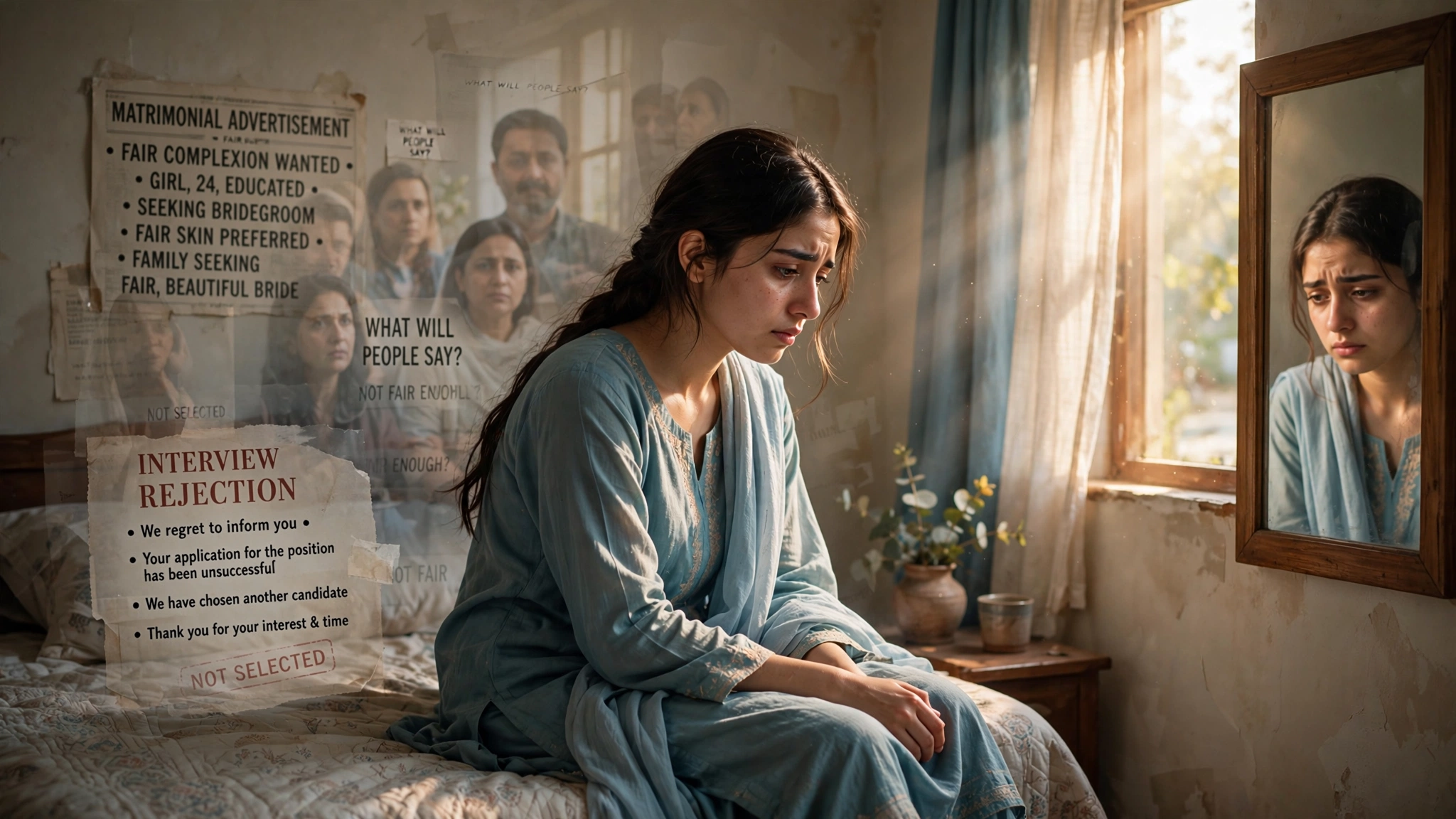
reating a healthier society begins with changing our perspective. Beauty should never be limited to complexion, height, weight, or facial features. Qualities such as kindness, confidence, intelligence, empathy, creativity, and integrity have a far greater impact on a person’s character than physical appearance ever could.
Are Skin Whitening Creams Safe?
The desire to achieve a fairer complexion has led many people to use skin-whitening creams without fully understanding their ingredients or potential side effects. While some dermatologist-prescribed products are designed to treat specific medical conditions such as hyperpigmentation or melasma, many over-the-counter skin-lightening creams make unrealistic promises and may pose serious health risks when used incorrectly or over long periods.
One of the biggest concerns is that some unregulated or counterfeit whitening creams have been found to contain harmful ingredients such as mercury, potent corticosteroids, or hydroquinone in unsafe concentrations. These substances may temporarily lighten the skin by affecting melanin production or reducing inflammation, but they can also damage the skin’s natural barrier and lead to long-term complications.
Using such products without medical supervision may result in:
- Skin irritation, redness, and burning sensations
- Thinning of the skin and increased sensitivity
- Persistent acne and pigmentation problems
- Increased sensitivity to sunlight
- Delayed wound healing
- Permanent skin damage in severe cases
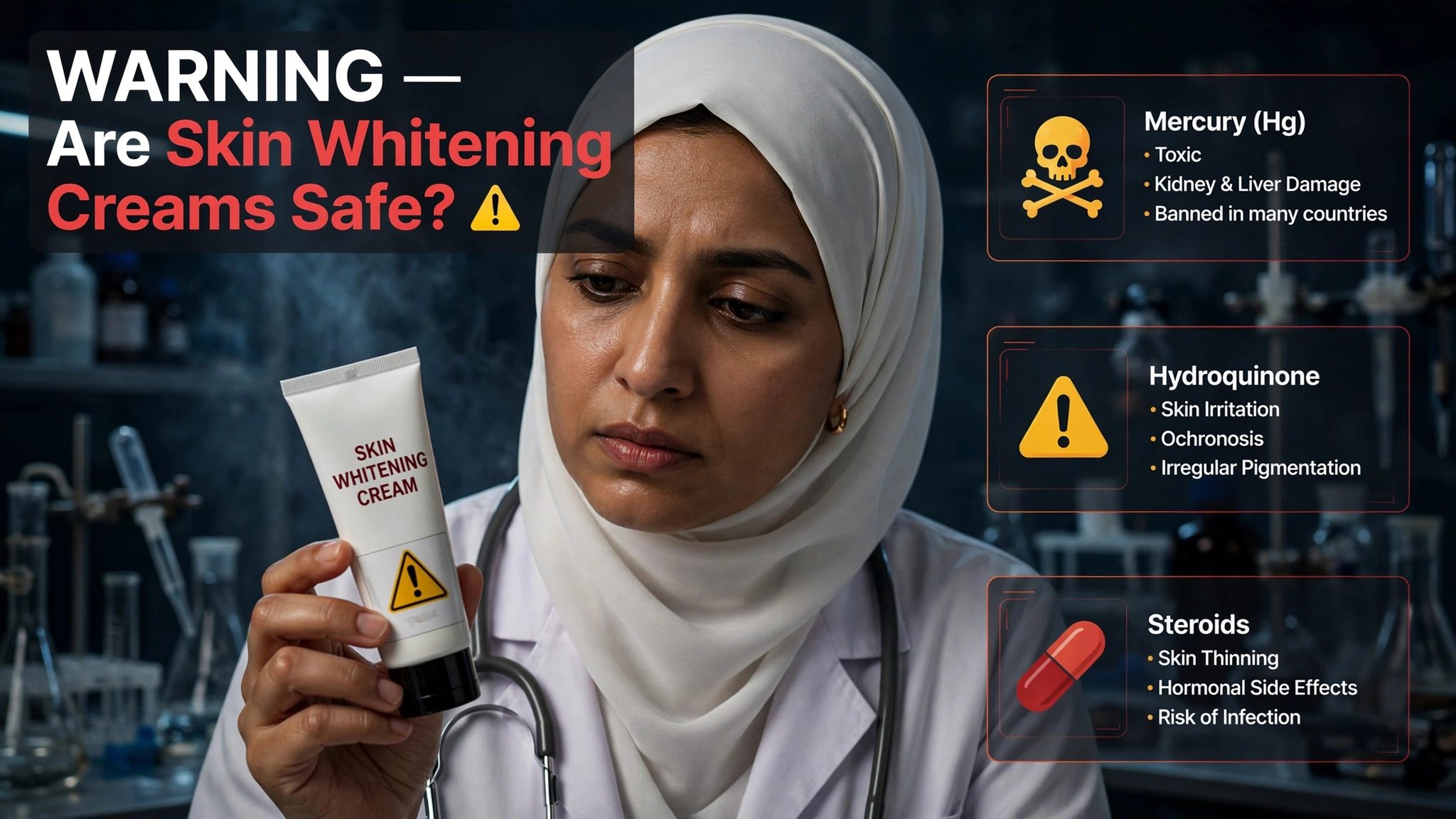
Mercury is particularly dangerous because it can be absorbed through the skin. Prolonged exposure has been linked not only to skin problems but also to serious health concerns affecting the kidneys and nervous system. This is why health authorities in many countries have issued warnings against the use of unregulated skin-lightening products containing mercury.
It is also important to understand that no cream can safely and permanently change your natural skin tone. Products claiming to provide dramatic whitening within a few days or weeks should be approached with caution, as these claims are often misleading and unsupported by scientific evidence.
If you are concerned about uneven skin tone, acne marks, melasma, or other pigmentation issues, the safest approach is to consult a qualified dermatologist. A skin specialist can identify the underlying cause and recommend treatments that are both safe and appropriate for your skin type instead of relying on products with unknown ingredients.
Healthy Skin Is Better Than Fair Skin
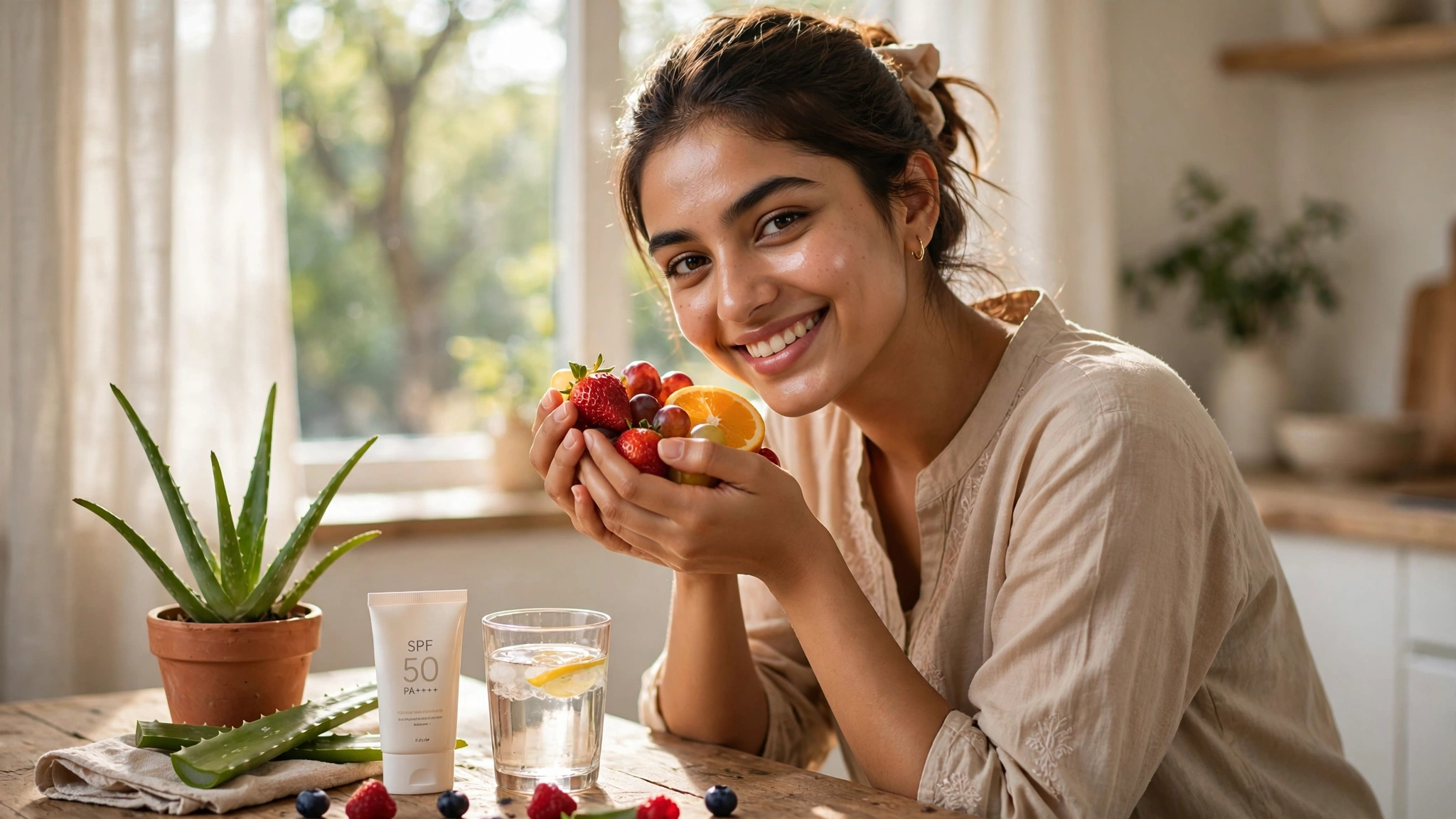
Healthy skin should always be the goal—not fairer skin. Your natural complexion is determined largely by genetics, and there is nothing wrong with having a darker or lighter skin tone. What truly makes skin look attractive is that it is clean, well-nourished, protected from sun damage, and properly cared for.
Rather than trying to change your natural colour, focus on building a skincare routine that supports your skin’s health. A consistent routine can improve your skin’s texture, maintain its natural glow, and reduce common concerns such as dryness, acne, and uneven pigmentation.
Healthy skincare is not about achieving unrealistic beauty standards; it is about protecting your skin so it can look and feel its best at every stage of life. Combined with a balanced diet, adequate hydration, regular exercise, and quality sleep, good skincare habits contribute far more to your appearance than any instant whitening product ever could.
The following skincare practices are simple, effective, and recommended by dermatologists for maintaining healthy skin regardless of your natural complexion.
How Beauty Standards in Pakistan Are Changing
Although fair skin has long been considered the ideal in Pakistan, attitudes toward beauty are gradually evolving. More people are beginning to question traditional stereotypes and recognize that beauty cannot be defined by a single skin tone, body type, or facial feature. This shift is being driven by increased awareness, education, and conversations about self-confidence, mental well-being, and diversity.
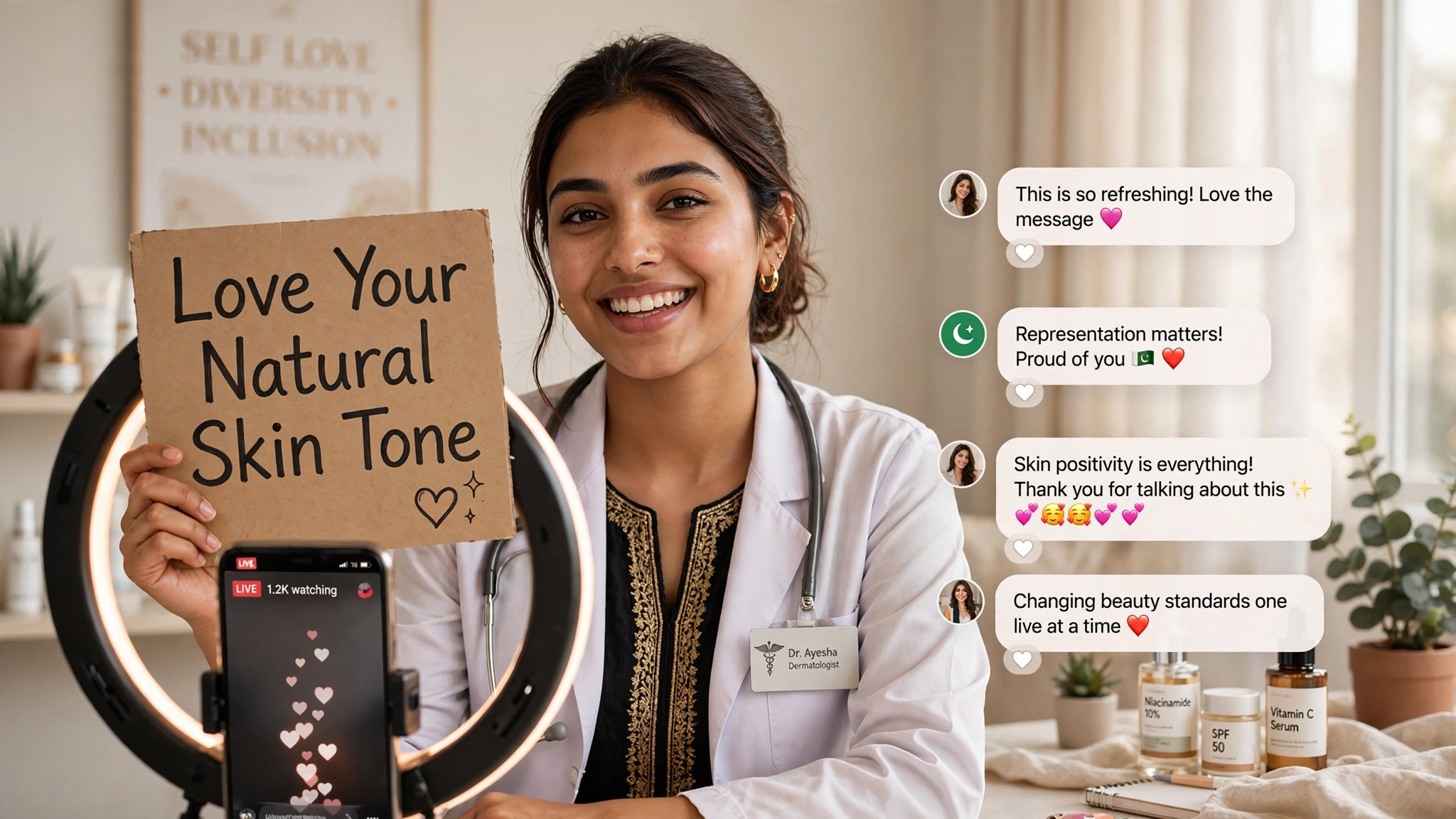
Social media has played a major role in this transformation. While it has often been criticized for promoting unrealistic beauty ideals, it has also given a voice to creators, dermatologists, activists, and public figures who encourage people to embrace their natural appearance. Campaigns promoting self-love and skin positivity have helped challenge the belief that fair skin is the only standard of beauty.
The beauty industry has also started responding to changing consumer attitudes. Many brands now emphasize skincare, hydration, and overall skin health rather than making unrealistic promises of permanent skin whitening. Consumers are becoming more informed about harmful ingredients and are choosing products that support healthy skin instead of altering their natural complexion.
Pakistan’s fashion and entertainment industries are also becoming more inclusive. Although there is still progress to be made, models, actors, and influencers with diverse skin tones are receiving greater recognition than in the past. This broader representation helps young people see that beauty exists in many forms and is not limited to a single appearance.
Despite these positive changes, colorism and appearance-based judgments have not disappeared completely. Many people continue to face social pressure related to their complexion, especially in marriage discussions, workplaces, and social circles. Changing deeply rooted beliefs takes time, but every conversation that promotes acceptance and challenges outdated stereotypes contributes to a more inclusive society.
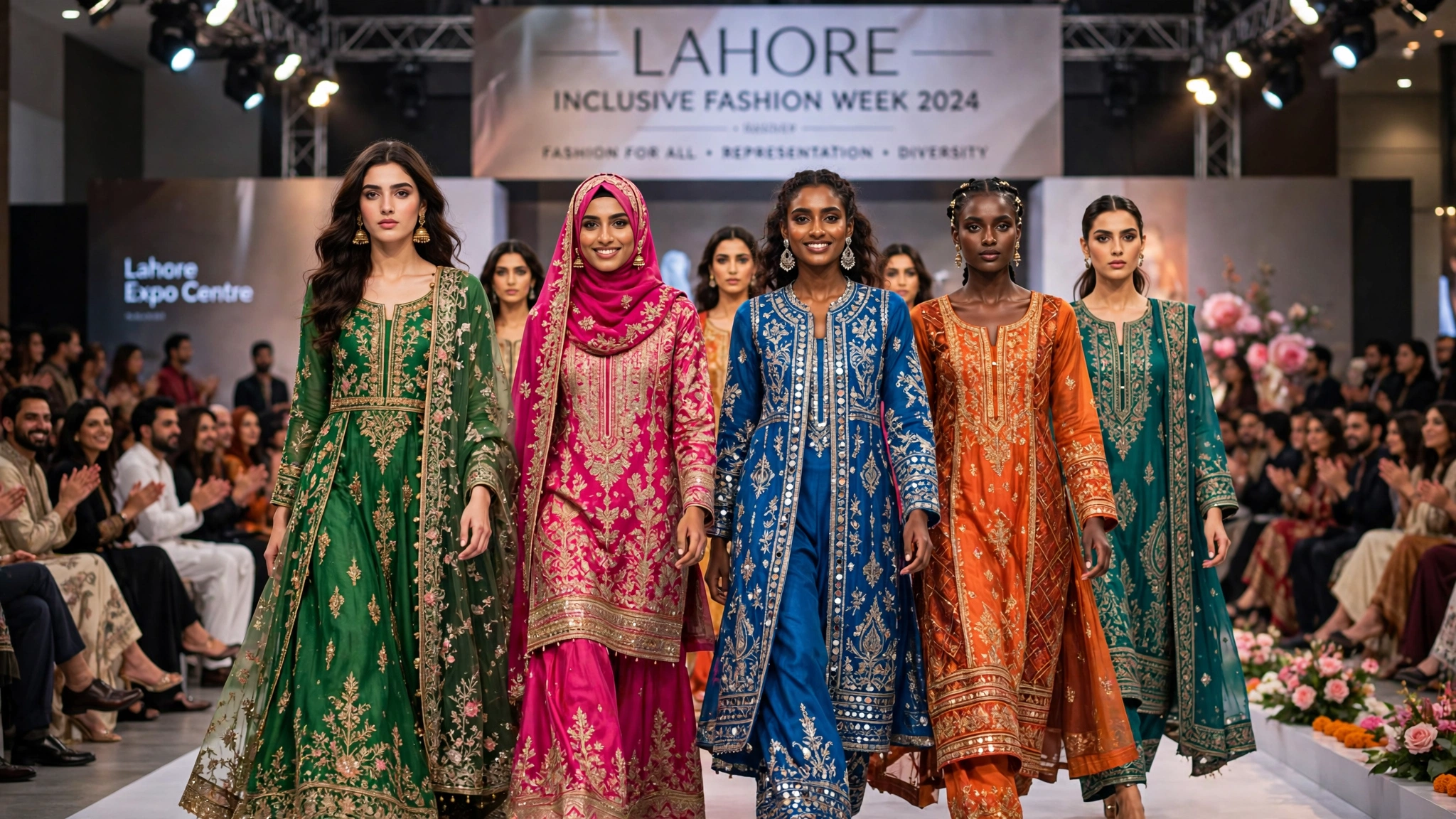
Ultimately, the future of beauty standards in Pakistan depends on how society chooses to define beauty. By celebrating diversity and appreciating people for their character, confidence, talents, and achievements rather than their skin colour, future generations can grow up with healthier and more realistic perceptions of beauty.
What Should Define Beauty Instead?
If beauty is measured only by physical appearance, countless people will always feel pressured to meet unrealistic expectations. True beauty, however, goes far beyond complexion or facial features. It is reflected in the way a person thinks, behaves, and treats others.
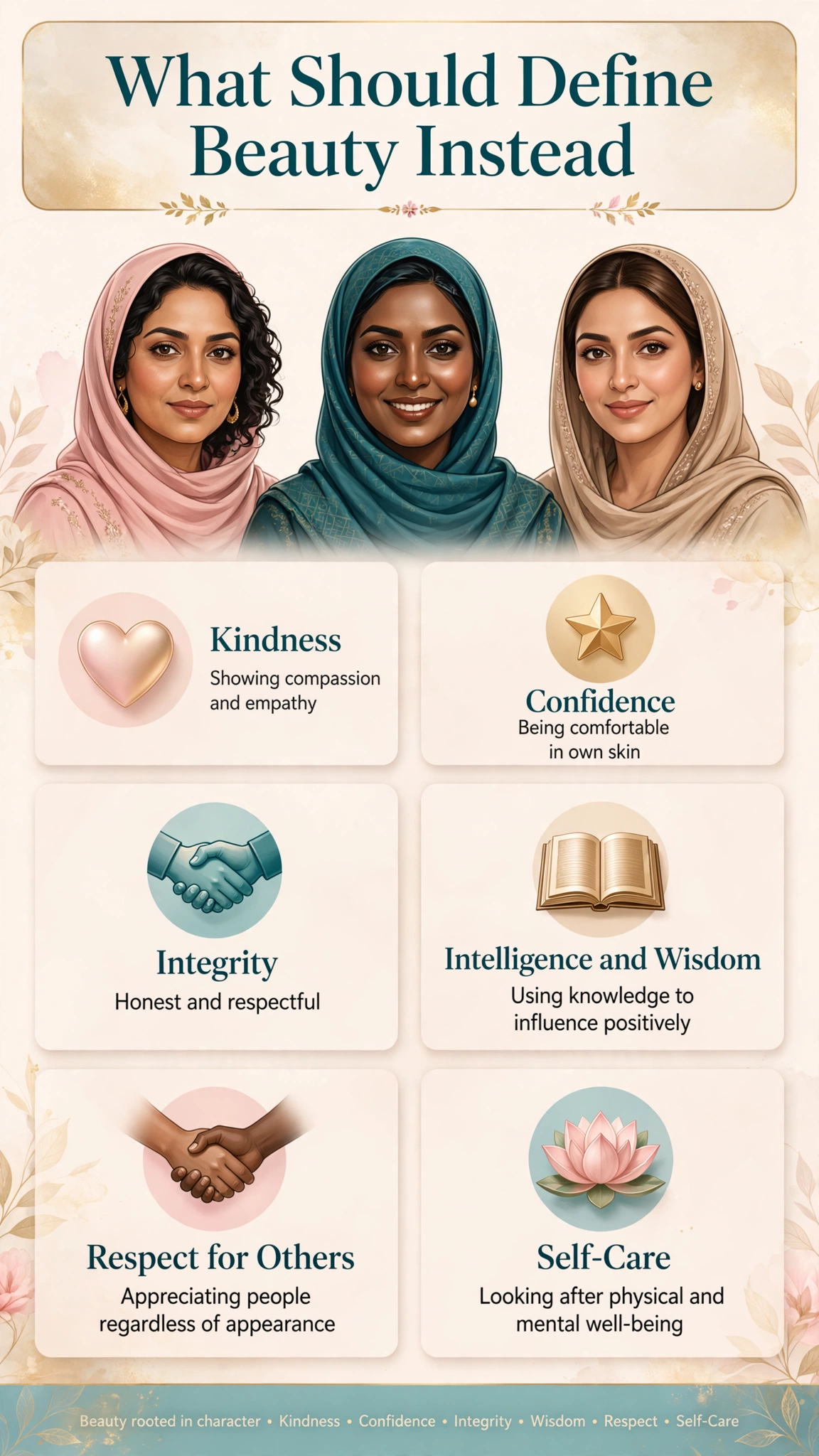
A genuinely beautiful person is someone who demonstrates qualities such as:
- Kindness – Showing compassion and empathy toward others.
- Confidence – Being comfortable in your own skin without seeking validation from unrealistic standards.
- Integrity – Remaining honest and respectful in every aspect of life.
- Intelligence and Wisdom – Using knowledge to make thoughtful decisions and positively influence others.
- Respect for Others – Appreciating people regardless of their appearance, background, or skin tone.
- Self-Care – Looking after your physical and mental well-being because you value yourself, not because you want to fit society’s expectations.
Physical appearance may create a first impression, but it is personality, character, and values that leave a lasting one. A society that values these qualities over complexion will be healthier, more inclusive, and more accepting of diversity.
Instead of teaching future generations that beauty has a particular colour or appearance, we should encourage them to appreciate individuality, celebrate different skin tones, and understand that confidence and character are qualities that never go out of style.
Beauty Standards in Pakistan FAQs
Find answers to the most common questions about beauty standards in Pakistan, colorism, fair skin, and changing beauty ideals.
What are the beauty standards in Pakistan?
Beauty standards in Pakistan traditionally emphasize fair skin, clear complexion, healthy hair, and a well-groomed appearance. However, these ideals are gradually evolving as more people embrace diversity, confidence, and healthy skin regardless of complexion.
Why is fair skin considered attractive in Pakistan?
Historical influences, media representation, beauty advertisements, and cultural traditions have contributed to the perception that fair skin is more desirable. Today, growing awareness about colorism is helping challenge these outdated beliefs.
What is colorism, and how does it affect people in Pakistan?
Colorism refers to discrimination or prejudice based on skin tone. In Pakistan, it can affect confidence, relationships, marriage prospects, and even career opportunities by favoring lighter complexions over darker ones.
Are skin whitening creams safe?
Not all whitening creams are safe. Some unregulated products may contain harmful ingredients such as mercury or potent steroids that can damage the skin. It is always advisable to consult a qualified dermatologist before using any skin-lightening treatment.
Are beauty standards in Pakistan changing?
Yes. Beauty standards are gradually becoming more inclusive as people increasingly value confidence, healthy skin, individuality, and personality over complexion alone.
How can society promote healthier beauty standards?
Families, schools, media, and brands can help by celebrating diversity, avoiding stereotypes, and encouraging self-confidence instead of judging people based on their skin tone or appearance.
Conclusion
Beauty standards in Pakistan have been shaped by culture, history, media, and social expectations for generations. While fair skin has long been promoted as the ideal, this perception is gradually changing as more people recognize that beauty cannot be defined by complexion alone. Confidence, kindness, intelligence, and individuality are qualities that leave a lasting impression and deserve far greater importance than physical appearance.
The conversation around beauty is evolving, but meaningful change begins with each of us. By appreciating people for who they are rather than how they look, we can help create a society where everyone feels valued and respected regardless of their skin tone. Healthy self-care is important, but true beauty lies in self-confidence, authenticity, and the way we treat others.
What do you think about today’s beauty standards in Pakistan? Have they changed, or does society still place too much importance on fair skin? Share your thoughts in the comments below.


❤️Amazing keep it up
Amazing description on an issue flowing in our society , i believe this will make a change in minds of reader .
Zbrdsttt
Its time to change this standard of beauty.
Well done 👍
What a comprehensive and beautifully written article it is.Truly, it’s time to change the beauty standards and embracing ourselves just the way we are. Fair skin doesn’t describe us but our values, skills and confidence really do. We need to discover the beauty inside us.
Thank you so much for raising this issue. Hope this can help to educate people.
Such a good description on a major issue … Day by Day skin issues raising complexity in people so they start using harmful products .
Such a well explained artical…keep it up 😍 it will help people to understand