


The difference between yoga and pilates lies in their purpose, techniques, and benefits. While both are low-impact exercises that improve flexibility, strength, and overall well-being, yoga focuses on connecting the mind, body, and breath through poses and meditation. Pilates, on the other hand, is designed to strengthen the core, improve posture, and enhance body control. Understanding the difference between yoga and pilates will help you choose the workout that best matches your fitness goals, whether you want to reduce stress, build strength, improve flexibility, or recover from an injury.
Both yoga and Pilates are excellent forms of exercise that improve overall health.
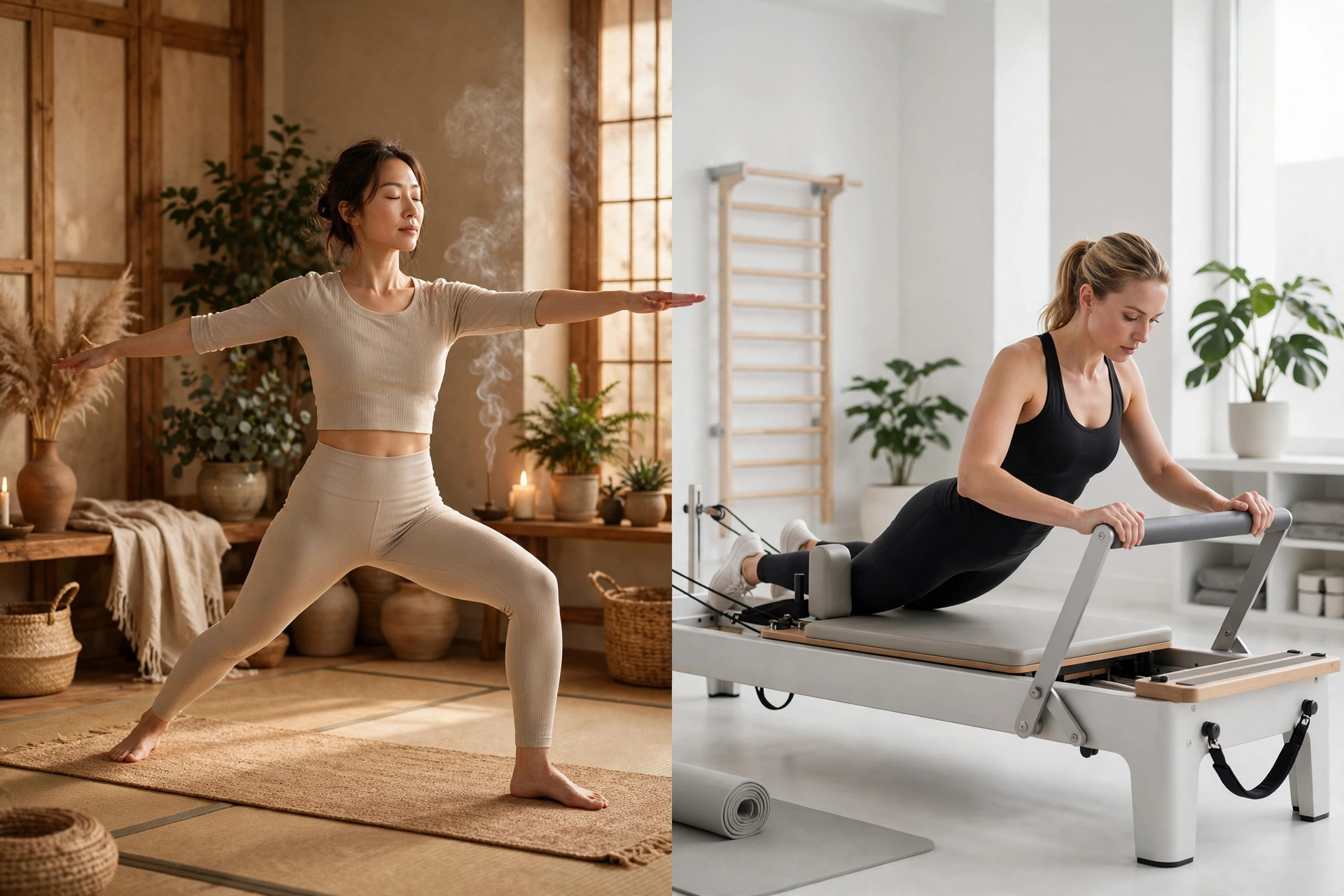
What Is Yoga?
Yoga is an ancient practice that originated in India thousands of years ago. It combines physical postures (known as asanas), breathing techniques (pranayama), and meditation to improve both physical and mental well-being. Rather than focusing only on exercise, yoga aims to create harmony between the body, mind, and breath, making it a holistic approach to health.
Today, yoga is practiced by millions of people around the world for a variety of reasons. Some people use it to increase flexibility and strength, while others practice it to reduce stress, improve concentration, or support overall wellness. Because there are many styles of yoga, beginners and experienced practitioners can choose a practice that matches their fitness level and personal goals.
Regular yoga practice may help improve posture, balance, mobility, and muscle endurance. It can also encourage relaxation by lowering stress levels and promoting mindfulness. Many healthcare professionals recommend yoga as part of a healthy lifestyle because it is suitable for people of different ages and fitness levels when practiced correctly.
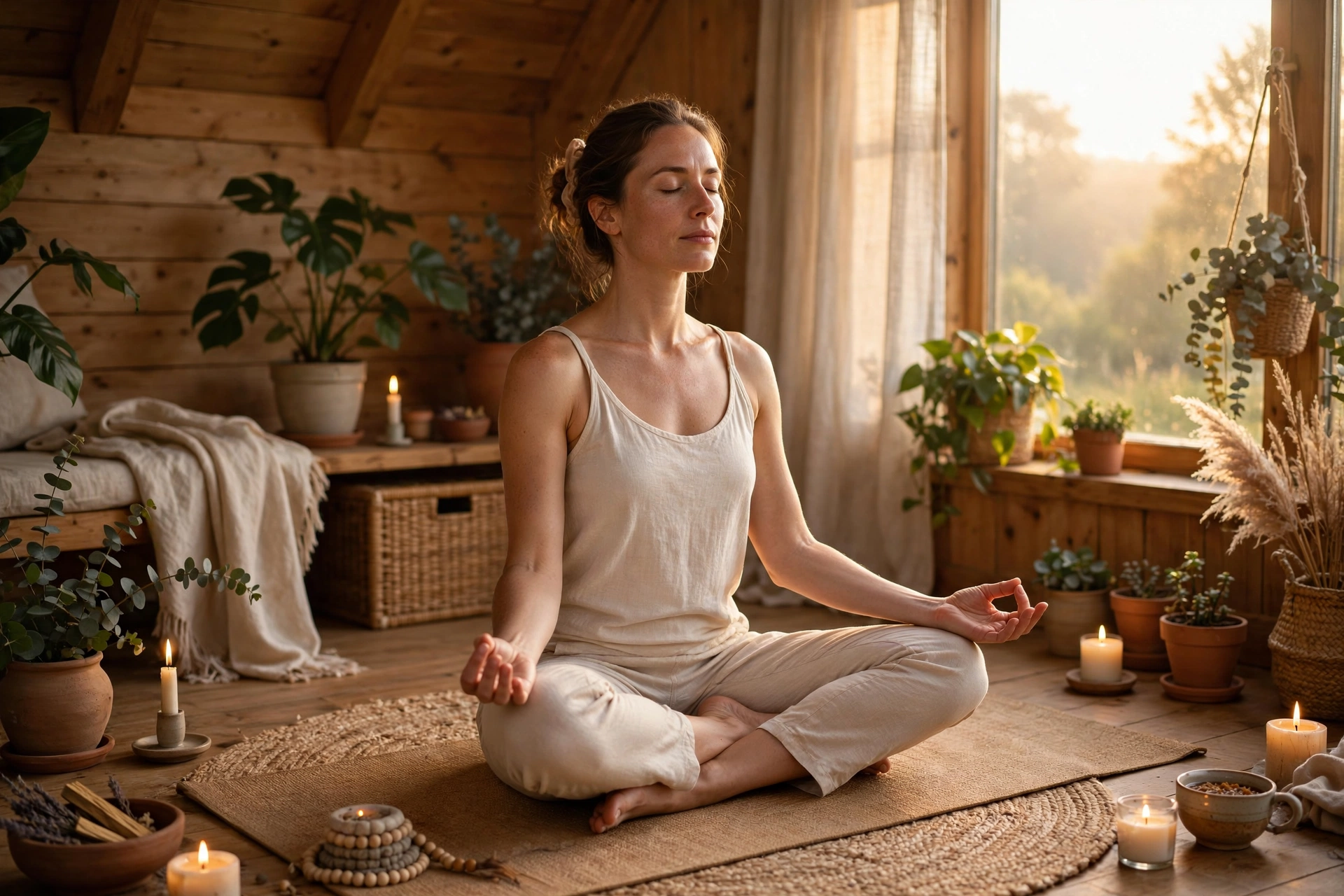
Regular physical activity, including exercises such as yoga, plays an important role in maintaining overall health. According to the World Health Organization’s physical activity guidelines, adults should engage in regular physical activity for better physical and mental well-being.
Key Benefits of Yoga
Yoga offers much more than improved flexibility. Regular practice supports physical fitness, mental well-being, and overall health, making it suitable for people of all ages.
Improves Flexibility
Regular stretching helps increase joint mobility and makes everyday movements easier.
Builds Strength
Many yoga poses strengthen your arms, legs, core, and back using your own body weight.
Supports Heart Health
Yoga may improve circulation, lower stress, and contribute to better cardiovascular wellness.
Reduces Stress
Deep breathing and mindfulness techniques help calm the mind and reduce anxiety.
Improves Posture
Better body alignment strengthens the spine and helps reduce everyday aches caused by poor posture.
Better Sleep
Relaxation techniques practiced during yoga can improve sleep quality and help you feel refreshed.
Healthier Breathing
Controlled breathing exercises increase lung efficiency and promote relaxation.
Overall Well-being
Yoga promotes balance between the body and mind, supporting a healthier and more active lifestyle.
Research published by the National Center for Complementary and Integrative Health suggests that yoga may help improve flexibility, balance, and stress management for many people.
Popular Types of Yoga
Yoga is available in many styles, each designed to meet different fitness levels and wellness goals. Some forms focus on gentle stretching and relaxation, while others provide a more physically demanding workout. Understanding these styles can help you choose the practice that best suits your needs.
Hatha Yoga
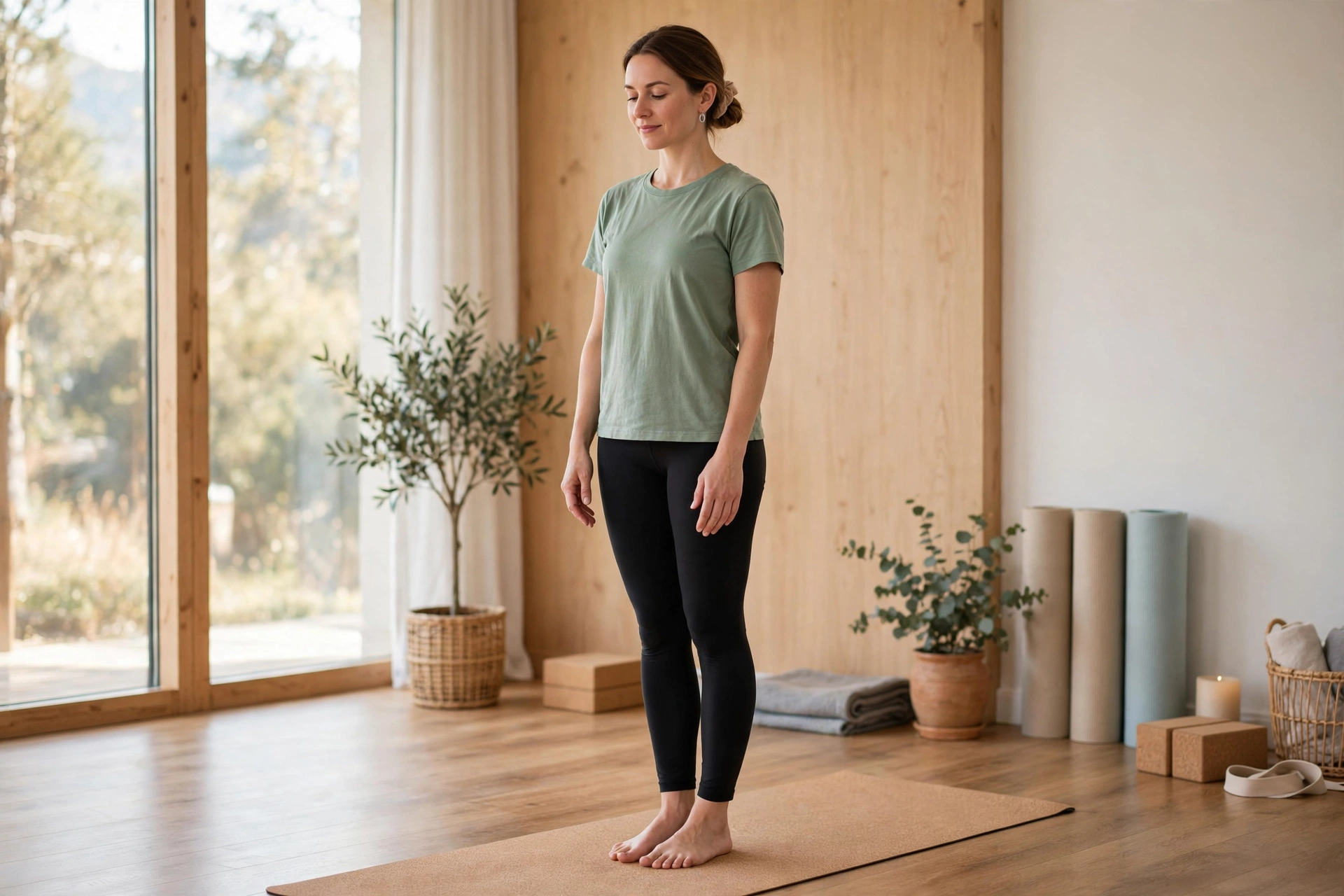
Hatha Yoga is one of the most beginner-friendly styles of yoga. It combines basic postures with breathing exercises and is performed at a slower pace, allowing practitioners to focus on proper alignment and relaxation. It is an excellent choice for anyone starting their yoga journey.
Vinyasa Yoga
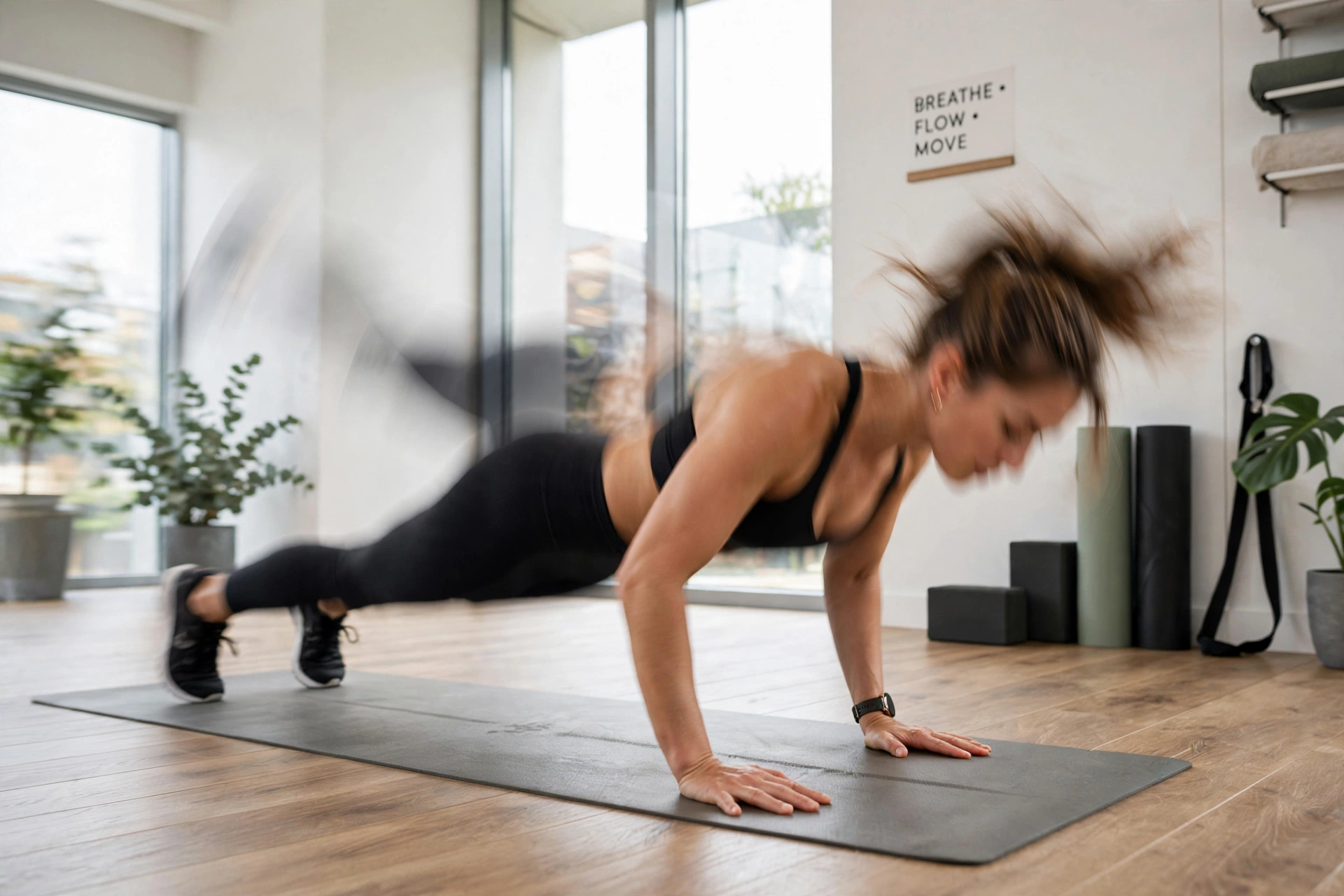
Vinyasa Yoga is a dynamic style that links each movement with the breath. Instead of holding poses for long periods, practitioners flow smoothly from one posture to another, creating a continuous and energetic workout. It is ideal for those who enjoy variety and want to improve both strength and flexibility.
Ashtanga Yoga
Ashtanga Yoga follows a fixed sequence of poses performed in the same order during every session. This physically demanding style builds endurance, flexibility, balance, and discipline. It is best suited for individuals looking for a structured and challenging practice.
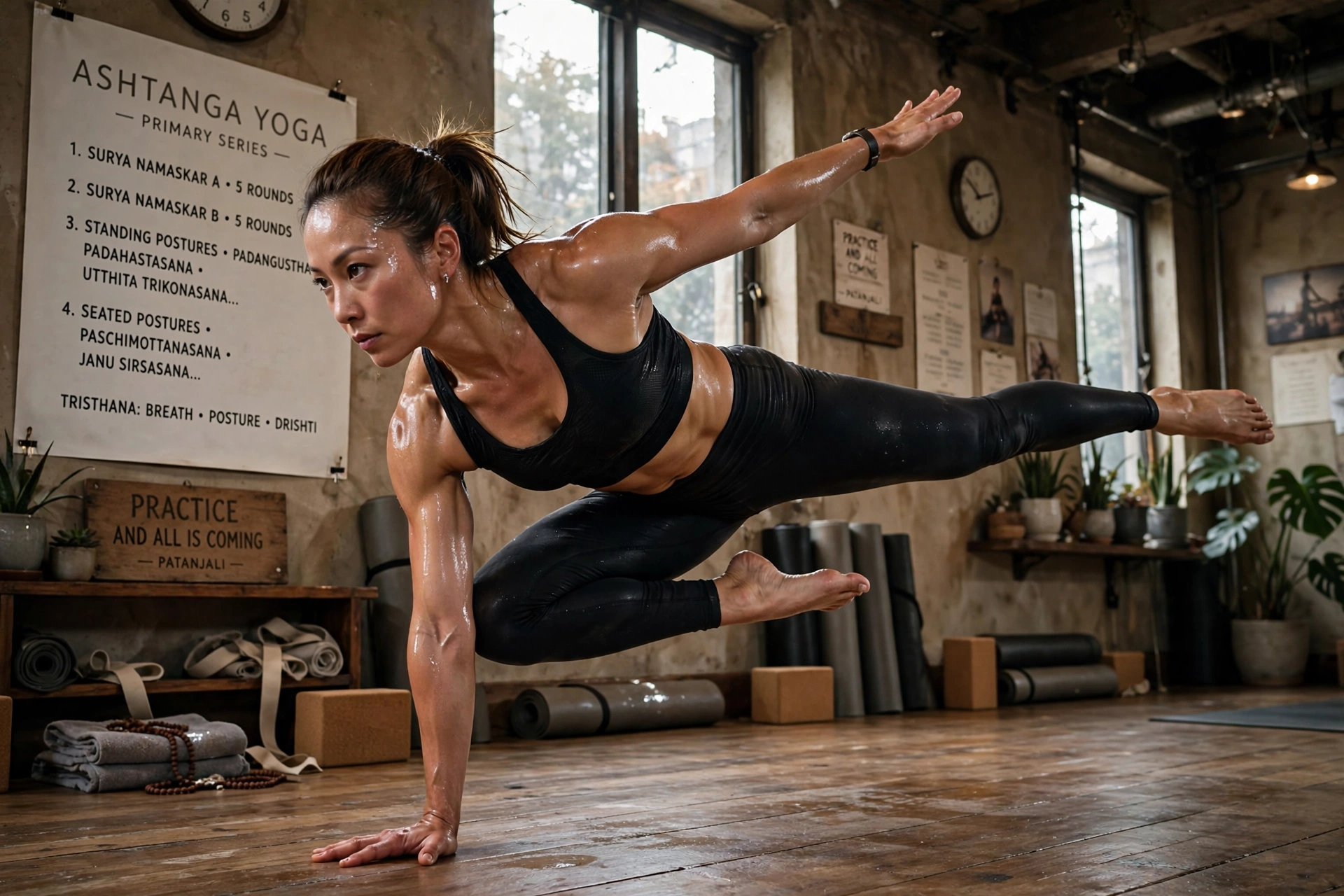

Bikram Yoga
Bikram Yoga consists of a set sequence of 26 postures and two breathing exercises performed in a heated room, typically around 40°C (104–105°F). The warm environment encourages sweating and may improve flexibility, although it requires proper hydration and should be practiced with caution.
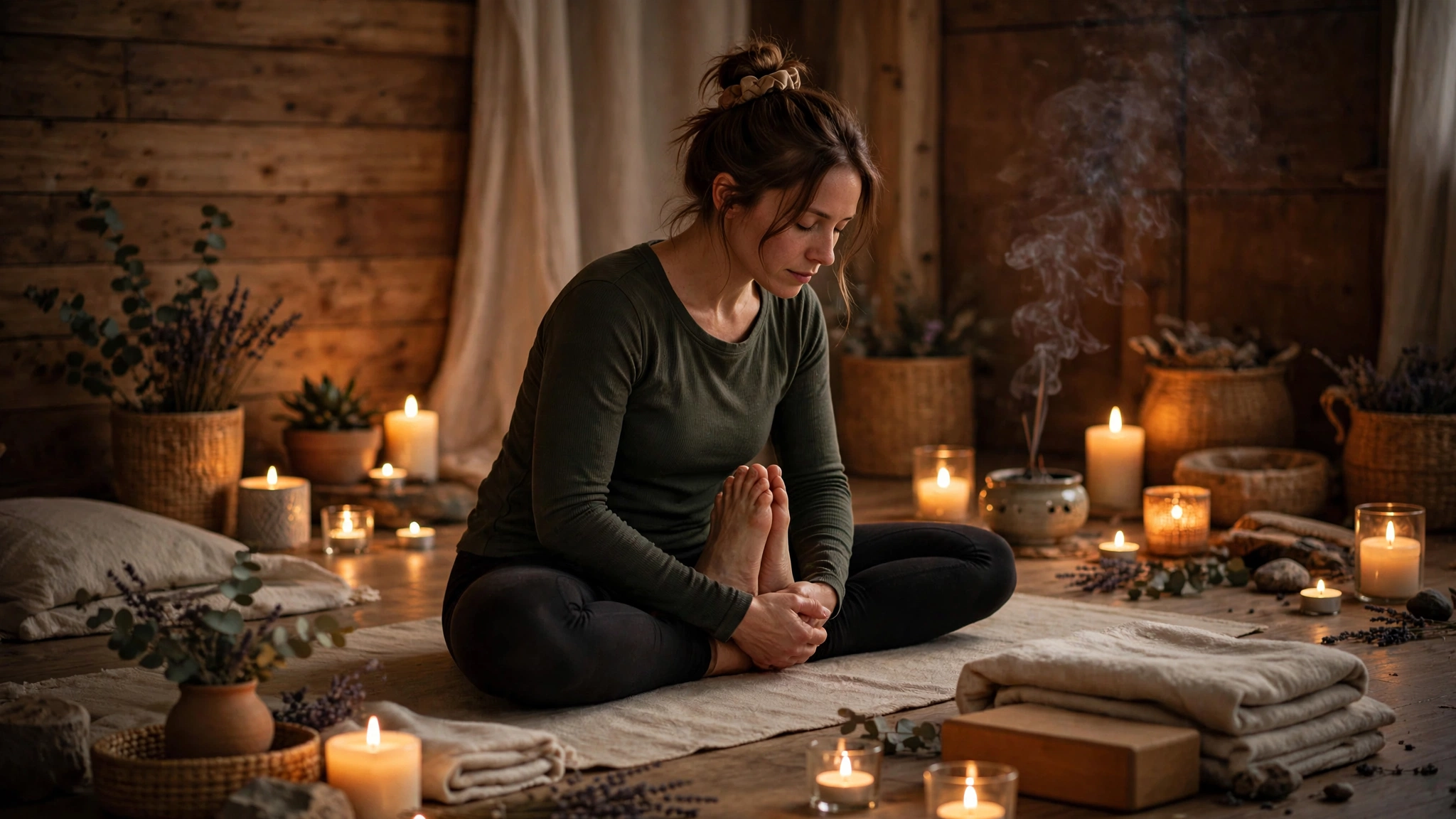
Yin Yoga
Yin Yoga is a slow-paced, meditative practice where poses are held for several minutes. It targets the body’s deep connective tissues, including ligaments and fascia, helping improve flexibility while encouraging mindfulness and relaxation.
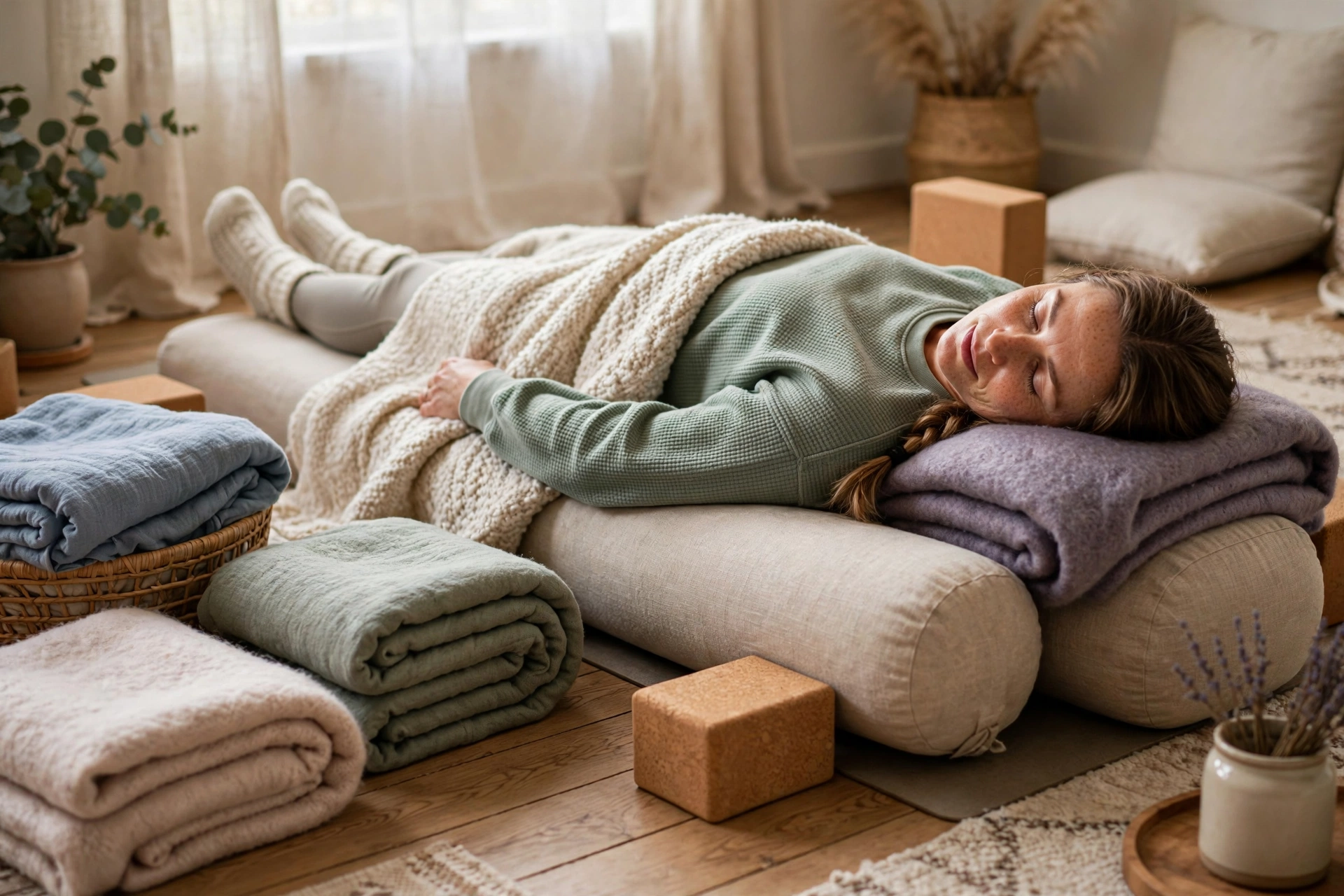
Restorative Yoga
Restorative Yoga emphasizes relaxation and recovery. It uses props such as bolsters, blankets, and blocks to fully support the body in comfortable poses. This gentle style is ideal for reducing stress, promoting healing, and improving sleep quality.
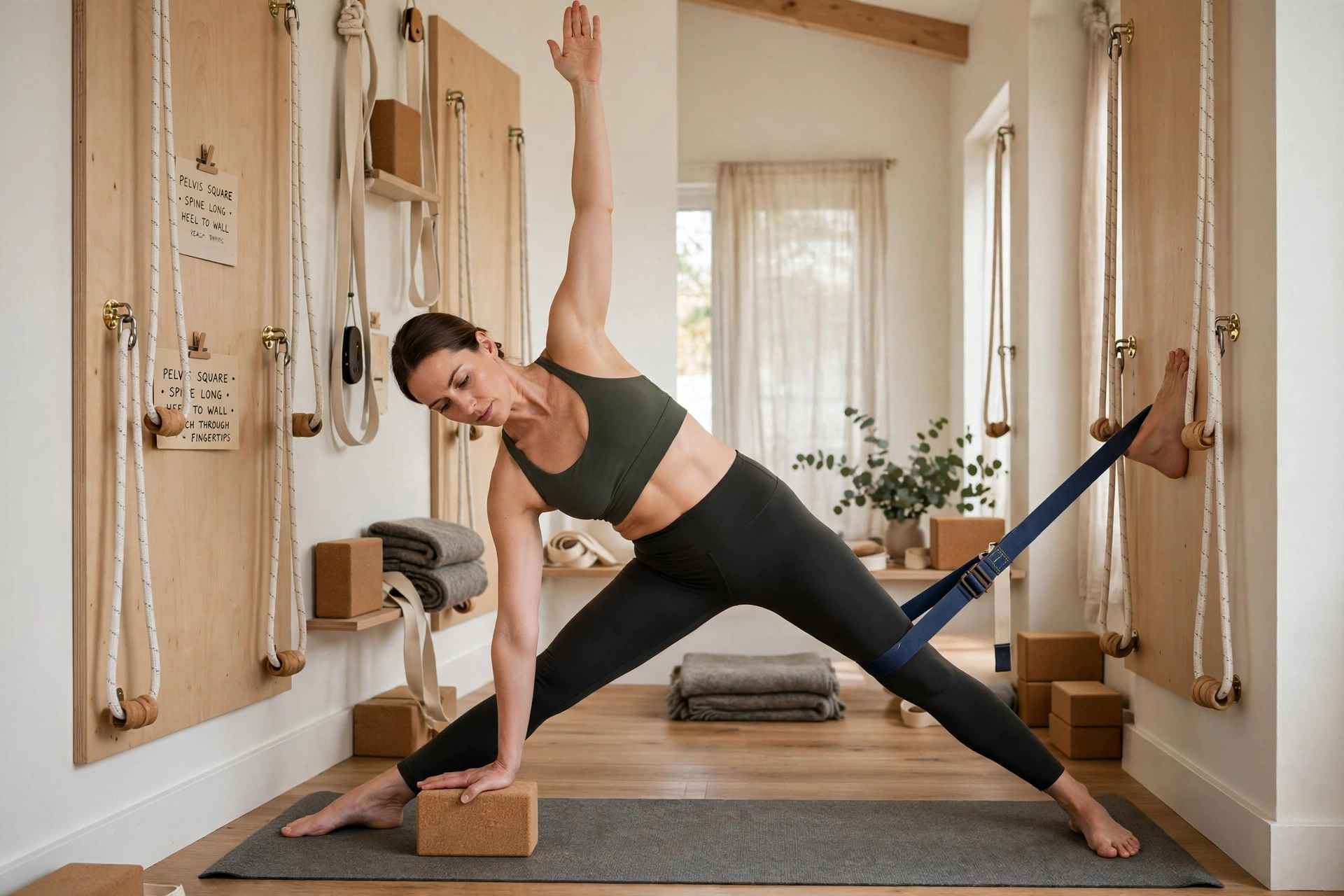
Iyengar Yoga
Iyengar Yoga focuses on precision, posture, and body alignment. It makes extensive use of props, allowing practitioners of all ages and abilities to perform poses safely. This style is often recommended for improving posture and managing certain physical limitations.
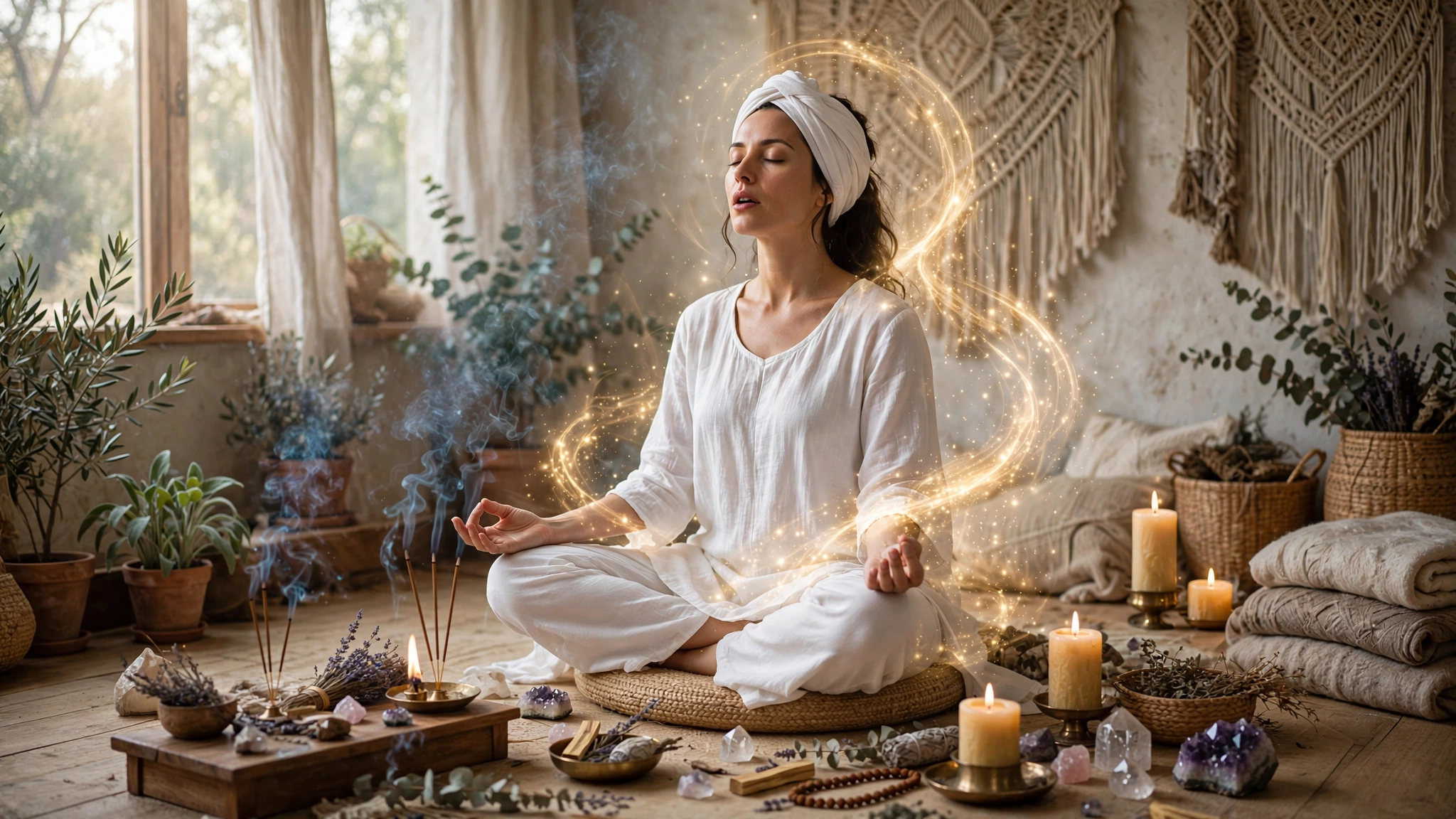
Kundalini Yoga
Kundalini Yoga combines physical postures, controlled breathing, chanting, meditation, and repetitive movements to promote both physical vitality and mental awareness. Many practitioners choose Kundalini Yoga to reduce stress, improve concentration, and cultivate a deeper sense of inner balance.
Which Type of Yoga Is Right for You?
Every style of yoga offers unique benefits. Choose the one that best matches your fitness goals and experience level.
Beginners
Start with Hatha Yoga to learn the basic poses, breathing techniques, and proper alignment at a comfortable pace.
Weight Loss
Vinyasa Yoga keeps your body moving continuously, helping burn more calories while improving flexibility and endurance.
Build Strength
Ashtanga Yoga develops muscular strength, balance, and stamina through a structured sequence of challenging poses.
Relax & De-Stress
Restorative Yoga promotes deep relaxation and helps reduce stress by using gentle supported poses.
Improve Flexibility
Yin Yoga gently stretches the body's connective tissues, increasing flexibility and joint mobility.
Better Posture
Iyengar Yoga focuses on precision, alignment, and the use of props to improve posture safely.
Mindfulness
Kundalini Yoga combines movement, breathing, meditation, and chanting to support mental clarity and inner balance.
Love a Challenge
Bikram Yoga is practiced in a heated room and is suitable for those who enjoy an intense, sweat-inducing workout.
What Is Pilates?
Pilates is a low-impact exercise system that focuses on strengthening the body’s core muscles, improving posture, increasing flexibility, and enhancing overall body control. It was developed in the early 20th century by Joseph Pilates, who originally called the method Contrology because it emphasizes precise, controlled movements rather than repetitive exercises.
Unlike many traditional workouts that focus on isolated muscle groups, Pilates trains the body as a whole. Every movement is performed with proper breathing, concentration, and core engagement, making it an effective workout for improving balance, coordination, and stability.
Pilates is suitable for people of all ages and fitness levels. It is commonly recommended by physiotherapists and fitness professionals to help improve posture, reduce muscle imbalances, and support recovery after certain injuries. Whether your goal is to build a stronger core, improve flexibility, or enhance athletic performance, Pilates can be adapted to meet your individual needs.
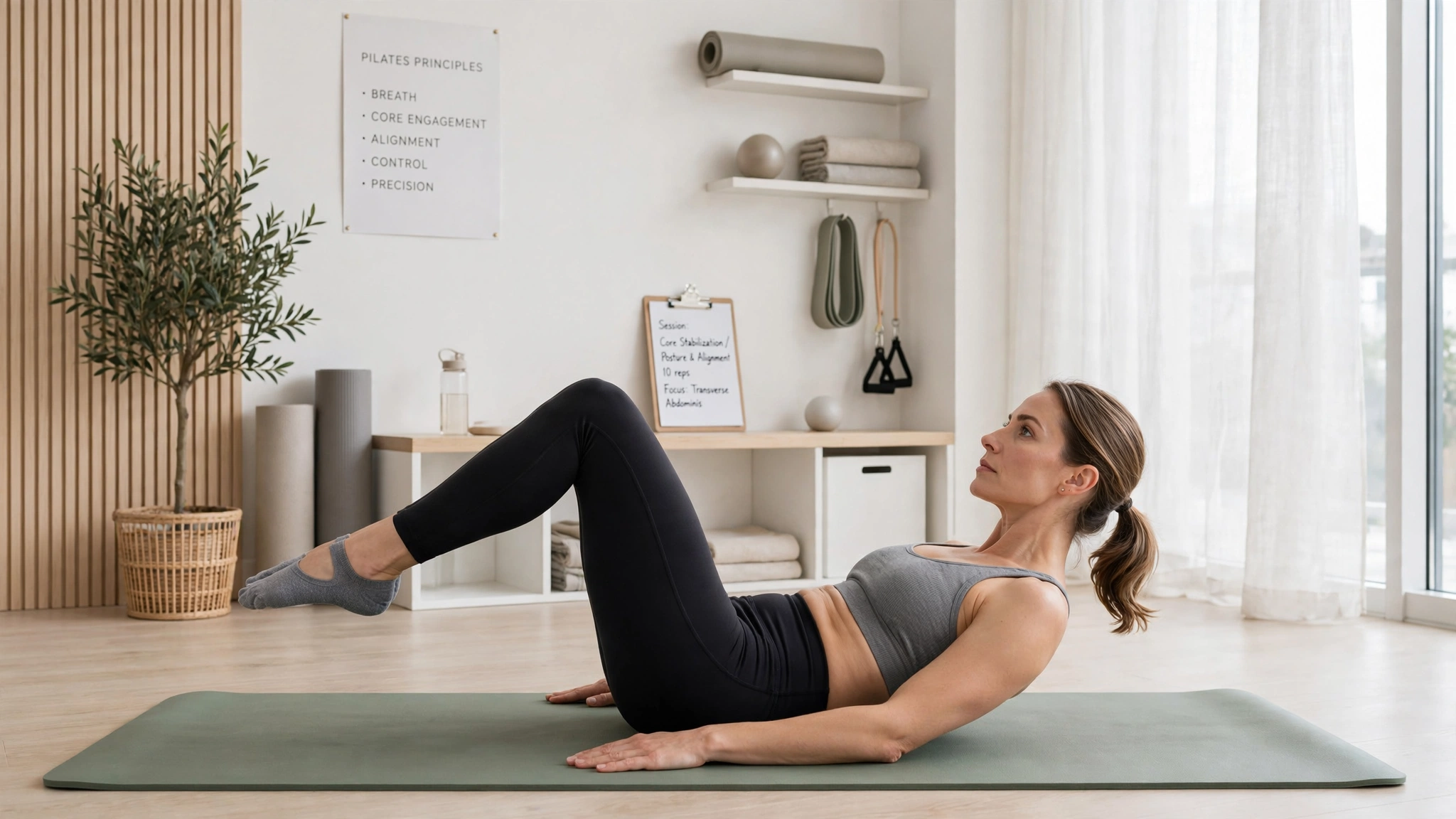
Types of Pilates
Although Pilates follows the same core principles, there are two main ways to practice it.
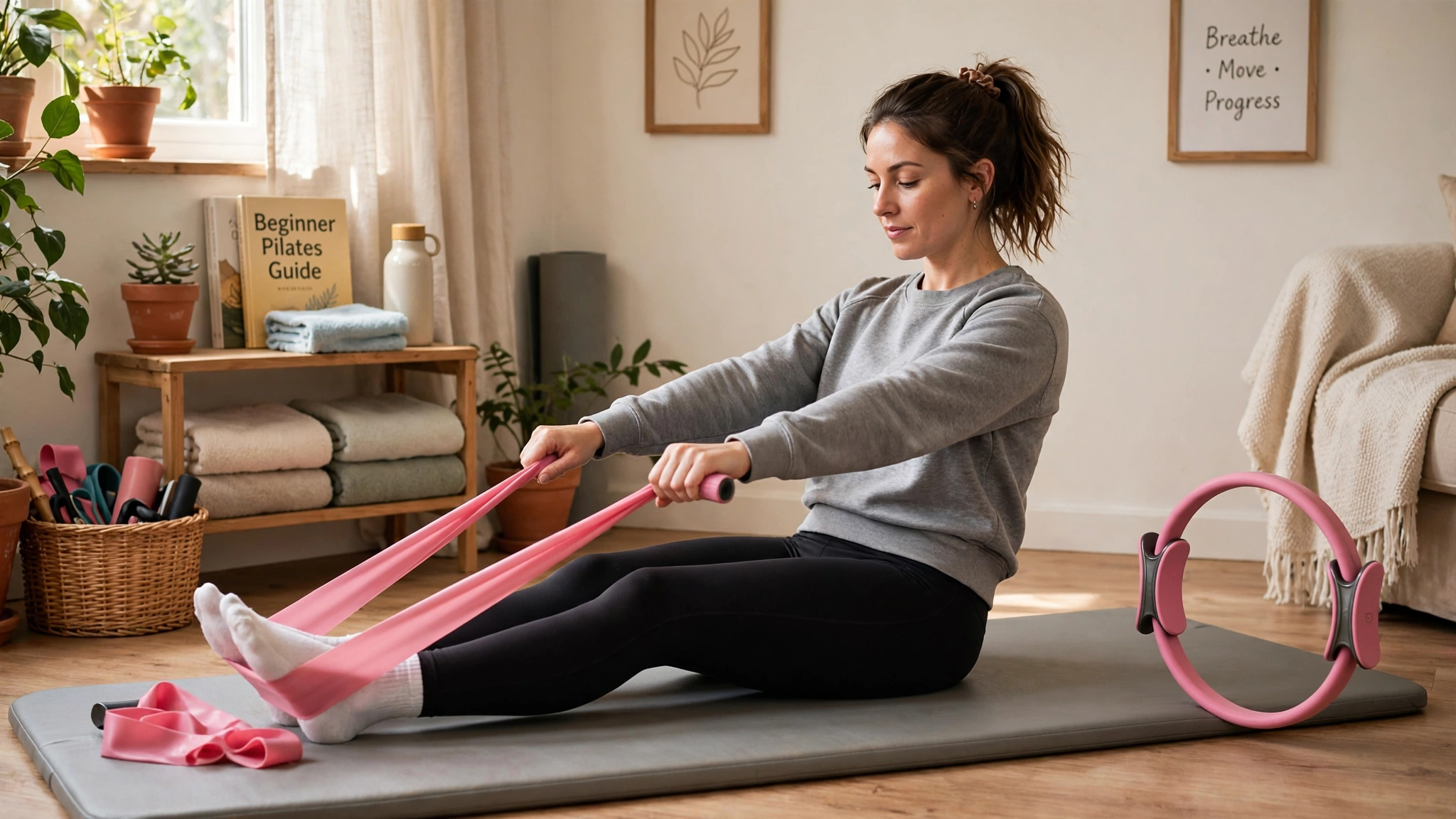
Mat Pilates
Mat Pilates is performed on a padded exercise mat using your own body weight for resistance. Some exercises may include small accessories such as resistance bands, Pilates rings, or stability balls to increase the challenge. It is affordable, beginner-friendly, and can easily be practiced at home or in a fitness studio.
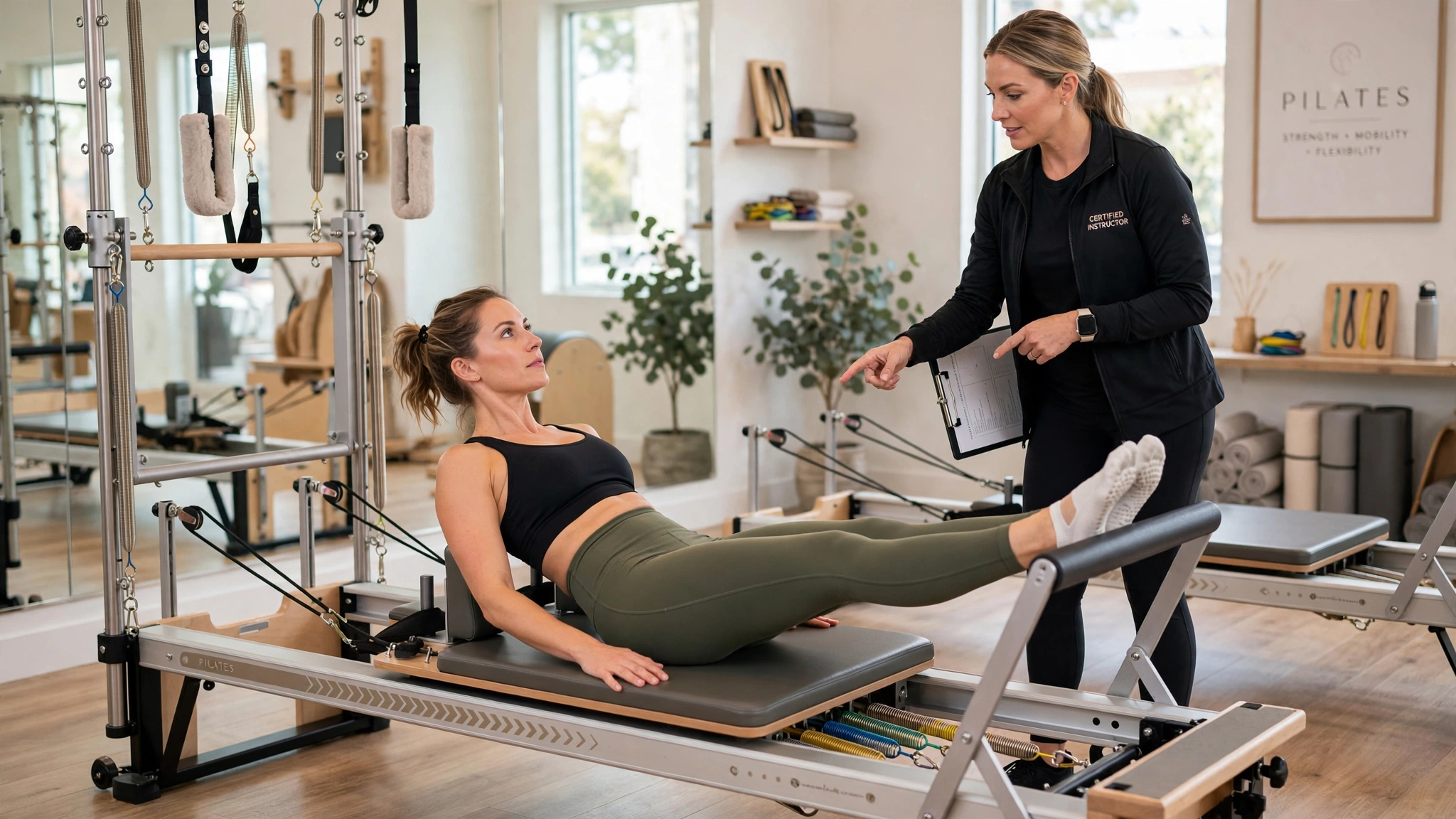
Reformer Pilates
Reformer Pilates is performed on a specialized machine called the Reformer, which uses springs, pulleys, and a sliding carriage to provide adjustable resistance. This style allows for a wider range of exercises and can improve strength, flexibility, balance, and rehabilitation. Because of the equipment involved, Reformer Pilates is usually taught in a studio under the guidance of a certified instructor.
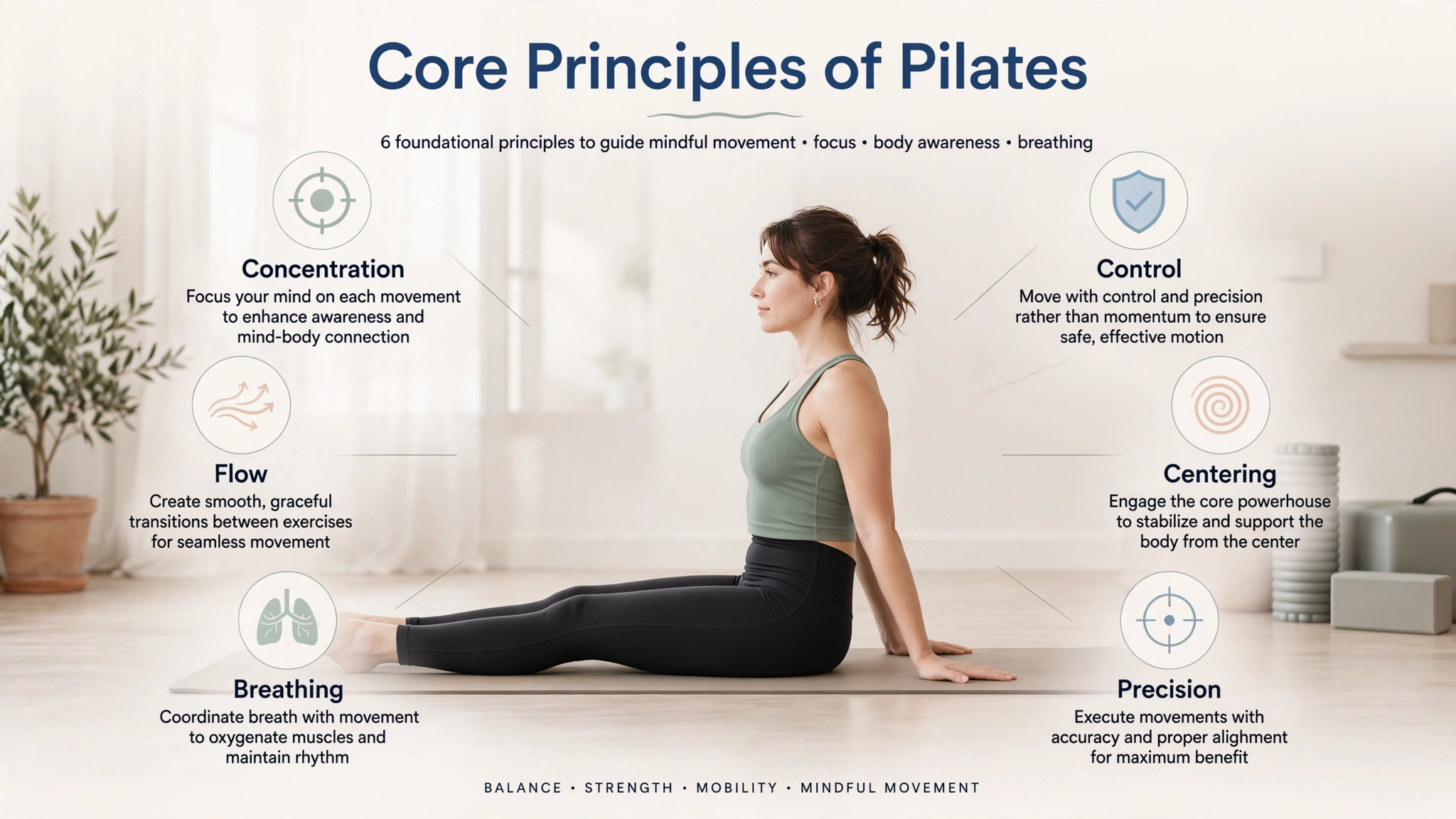
Core Principles of Pilates
Every Pilates exercise is built around a set of guiding principles that help maximize effectiveness and reduce the risk of injury.
- Concentration – Staying mentally focused on every movement.
- Control – Performing exercises with precision instead of speed.
- Centering – Engaging the core muscles to stabilize the body.
- Precision – Maintaining proper technique and alignment.
- Breathing – Coordinating each movement with controlled breathing.
- Flow – Moving smoothly and continuously between exercises.
Difference Between Yoga and Pilates
Although yoga and Pilates share several similarities, they are designed with different goals in mind. Yoga focuses on improving the connection between the mind and body through physical postures, breathing techniques, and meditation. Pilates, on the other hand, emphasizes core strength, posture, muscle control, and body stability.
Both exercises are low-impact and suitable for people of different ages and fitness levels. However, the right choice depends on whether your priority is relaxation, flexibility, strength, rehabilitation, or overall fitness.
Difference Between Yoga and Pilates
Both yoga and Pilates improve strength, flexibility, and overall wellness, but they differ in their purpose, techniques, and training methods. Use this comparison to decide which practice best fits your goals.
| Feature | Yoga | Pilates |
|---|---|---|
| Origin | Ancient India | Developed by Joseph Pilates in Germany. |
| Main Goal | Mind-body balance, flexibility, and relaxation. | Core strength, posture, and muscle control. |
| Focus | Physical, mental, and spiritual well-being. | Physical conditioning and rehabilitation. |
| Breathing | Deep diaphragmatic breathing. | Controlled lateral chest breathing. |
| Meditation | Essential part of many yoga styles. | Generally not included. |
| Flexibility | Excellent for improving flexibility. | Improves flexibility while emphasizing strength. |
| Core Strength | Improves core stability. | Primary focus of every exercise. |
| Equipment | Usually requires only a yoga mat. | Mat or specialized equipment like the Reformer. |
| Stress Relief | Excellent for reducing stress and anxiety. | Helps reduce stress through controlled movement. |
| Best For | Flexibility, relaxation, mindfulness. | Posture, rehabilitation, core strength. |
| Difficulty | Ranges from beginner to advanced. | Ranges from beginner to advanced. |
H2: Which Is Better: Yoga or Pilates?
Neither yoga nor Pilates is universally better the right choice depends on your personal fitness goals, physical condition, and lifestyle. While both exercises improve flexibility, strength, balance, and overall well-being, each has unique advantages. Here’s a closer look at which one is the better option based on different fitness goals.
Both exercises can become part of your regular fitness routine.
Yoga vs Pilates for Weight Loss
Both yoga and Pilates can support weight loss when combined with a healthy diet and regular physical activity. However, the number of calories burned depends on the intensity of the workout.
High-energy yoga styles such as Vinyasa or Power Yoga generally burn more calories than gentle yoga sessions. Pilates also helps by building lean muscle, which may increase your resting metabolism over time.
Winner: Yoga (especially Vinyasa or Power Yoga for calorie burning).
Yoga vs Pilates for Core Strength
Pilates was specifically designed to strengthen the core muscles, including the abdominal muscles, lower back, hips, and pelvic floor. Almost every Pilates exercise activates the core throughout the movement.
Yoga also strengthens the core, but its primary focus is improving overall body balance, flexibility, and mindfulness.
Winner: Pilates
Yoga vs Pilates for Flexibility
Yoga places a strong emphasis on stretching muscles, increasing joint mobility, and improving overall flexibility. Many yoga poses are specifically designed to lengthen muscles and increase range of motion.
Pilates improves flexibility as well, but usually while maintaining muscle control and stability rather than focusing solely on stretching.
Winner: Yoga
Yoga vs Pilates for Stress Relief
Yoga incorporates breathing exercises, meditation, and mindfulness, making it particularly effective for reducing stress and promoting mental relaxation.
Pilates encourages concentration and controlled breathing, but it does not typically include meditation or spiritual practices.
Winner: Yoga
Yoga vs Pilates for Back Pain
Both yoga and Pilates can help reduce back pain when practiced correctly and under professional guidance.
Pilates focuses on strengthening the muscles that support the spine, while gentle yoga can improve flexibility and reduce muscle tension. Individuals with chronic back pain should consult a healthcare professional before starting either practice.
Winner: Pilates (for core stability and spinal support).
If you have persistent back pain, consult a healthcare professional before starting a new exercise program. Resources from the American Academy of Orthopaedic Surgeons provide guidance on musculoskeletal health and injury prevention.
Yoga vs Pilates for Beginners
Both are beginner-friendly, but the experience differs.
Hatha Yoga introduces basic poses and breathing techniques at a slower pace, making it ideal for those seeking relaxation and flexibility. Beginner Pilates classes focus on core activation, posture, and controlled movements, providing a solid foundation for overall fitness.
Winner: Tie (choose based on your goals).
Yoga vs Pilates for Seniors
Both yoga and Pilates can benefit older adults by improving balance, flexibility, mobility, and muscle strength.
Gentle yoga styles such as Hatha or Chair Yoga may be suitable for seniors looking to improve flexibility and relaxation. Mat or chair-based Pilates can help maintain posture, balance, and core strength with low-impact movements.
Winner: Both
Which One Wins?
Still unsure whether to choose yoga or Pilates? Here's a quick summary based on your fitness goals.
🔥 Weight Loss
Winner: Yoga💪 Core Strength
Winner: Pilates🤸 Flexibility
Winner: Yoga😌 Stress Relief
Winner: Yoga🩺 Back Support
Winner: Pilates🌟 Beginners
Winner: Both👵 Seniors
Winner: Both❤️ Overall Wellness
Winner: YogaCan You Do Yoga and Pilates Together?
Absolutely! Yoga and Pilates complement each other and can be combined into a balanced fitness routine. While yoga focuses on flexibility, mindfulness, breathing, and relaxation, Pilates strengthens the core, improves posture, and enhances muscle control. Practicing both can help you enjoy the benefits of each without choosing one over the other.
For example, you might do Pilates two or three times a week to build strength and stability, while practicing yoga on alternate days to improve flexibility, reduce stress, and support recovery. This combination can enhance overall fitness, lower the risk of injury, and keep your workouts varied and enjoyable.
If you’re new to exercise, start with beginner-level classes and gradually increase the intensity as your strength and confidence improve. If you have an existing medical condition or are recovering from an injury, consult a qualified healthcare provider or certified instructor before beginning either practice.
Sample Weekly Yoga & Pilates Routine
Combining both practices can help you build strength, improve flexibility, and give your body enough time to recover between workouts.
Monday
💪 Pilates (Core & Posture)
Tuesday
🧘 Yoga (Flexibility & Relaxation)
Wednesday
🚶 Light Walk or Rest
Thursday
💪 Pilates (Strength & Stability)
Friday
🧘 Yoga (Balance & Breathing)
Saturday
🤸 Gentle Yoga or Stretching
Sunday
😌 Rest & Recovery
Difference Between Yoga and Pilates FAQs
Find answers to the most common questions about yoga and Pilates, including their benefits, differences, and which one may be better for your fitness goals.
What is the main difference between yoga and Pilates?
The main difference between yoga and Pilates is their primary focus. Yoga emphasizes flexibility, mindfulness, breathing, and mental well-being, while Pilates focuses on strengthening the core, improving posture, stability, and muscle control.
Is yoga better than Pilates for beginners?
Both are beginner-friendly. Hatha Yoga is ideal if your goal is relaxation and flexibility, while beginner Pilates is better for improving posture, balance, and core strength.
Which burns more calories: yoga or Pilates?
High-intensity yoga styles, such as Vinyasa or Power Yoga, generally burn more calories than traditional mat Pilates. However, the number of calories burned depends on the workout intensity, duration, and your body weight.
Can yoga and Pilates be practiced together?
Yes. Many people combine yoga and Pilates because they complement each other. Pilates builds strength and stability, while yoga improves flexibility, balance, and relaxation.
Which is better for improving flexibility?
Yoga is generally better for increasing flexibility because many yoga poses are specifically designed to stretch muscles and improve joint mobility.
Does Pilates help with back pain?
Pilates may help reduce back pain by strengthening the core muscles that support the spine. People with chronic pain or medical conditions should consult a healthcare professional before beginning any new exercise program.
Do I need special equipment for yoga or Pilates?
Yoga usually requires only a yoga mat, while Pilates can be practiced on a mat or with specialized equipment such as a Reformer machine in a studio.
Which is better for stress relief: yoga or Pilates?
Yoga is generally considered more effective for stress relief because it combines physical movement with breathing exercises, meditation, and mindfulness practices.
Final Verdict: Yoga or Pilates – Which Should You Choose?
If you’re still wondering about the difference between yoga and pilates, the answer comes down to your personal fitness goals rather than choosing one exercise over the other.
Choose yoga if your priority is improving flexibility, reducing stress, practicing mindfulness, and creating a stronger connection between your body and mind. With its combination of physical postures, breathing exercises, and meditation, yoga supports both physical and mental well-being.
Choose Pilates if you want to strengthen your core, improve posture, increase stability, or support recovery from certain injuries under professional guidance. Its controlled movements and focus on body alignment make it an excellent option for building functional strength.
For many people, the best solution isn’t choosing one over the other—it’s combining both. Pilates can help you build a strong and stable body, while yoga can improve flexibility, mobility, and relaxation. Together, they create a well-rounded fitness routine that supports long-term health and overall wellness.
Ultimately, the best exercise is the one you enjoy and can practice consistently. Whether you choose yoga, Pilates, or a combination of both, regular movement and a balanced lifestyle will have the greatest impact on your health.
Regular movement and a balanced lifestyle will have the greatest impact on your health.
Yoga or Pilates? The Best Choice Depends on Your Goal
Both yoga and Pilates offer excellent health benefits. Rather than asking which one is better, consider what you want to achieve. Your fitness goals should guide your choice.
For flexibility, stress relief, mindfulness, balance, and relaxation.
For core strength, posture, muscle control, and rehabilitation support.
For a complete fitness routine that combines strength, flexibility, mobility, and mental wellness.


Your article is really detailed and provides comprehensive information. I will keep reading your articles to broaden my vision. Keep up the good work!
Im grateful for the blog post. Much thanks again. Keep writing. Geralda Boycie Ailene
You should take part in a contest for one of the best blogs on the web. I will recommend this site!
Hello There. I found your weblog the usage of msn. That is an extremely smartly written article. Yovonnda Darrell Prosser
Appreciate you sharing, great blog post. Much thanks again. Want more. Eda Torin Joeann
Good article! We are linking to this great content on our site. Keep up the great writing. Rosana Broderick Rochella